
 한국어
한국어 English
 日本語
日本語 中文(简体)
Dosage form image
Viewing nowDaewoong Pitavastatin Calcium Tablet 2 mg
Pitavastatin Calcium 2mg
Tablet · Prescription medication
Daewoong Pharmaceutical Co., Ltd.
MFDS item code 201103571 · Approved 2011.05.30
This product's status changed to Expired on 2024.10.01. It may no longer be sold, so consult a doctor or pharmacist before taking it.
Improvement of hypercholesterolemia and dyslipidemia
This medication helps lower elevated total cholesterol, LDL cholesterol, apo-B protein, and triglyceride levels in patients with primary hypercholesterolemia and mixed dyslipidemia, while increasing HDL cholesterol levels. It is used in conjunction with dietary therapy to improve blood lipid concentrations and contributes to reducing the risk of cardiovascular disease. It is used as an effective adjunct in managing patients' cholesterol.
For adults, take 1 to 2 mg of Pitavastatin Calcium once daily after the evening meal. If the effect of lowering LDL cholesterol is insufficient, the dose may be increased up to a maximum of 4 mg per day. Adjust the dosage appropriately at intervals of 4 weeks or longer.
This drug should not be used in certain patients. For instance, it should not be administered to those who are allergic to this medication, have severe liver dysfunction, are pregnant, breastfeeding women, and children. Caution should be exercised when using this drug in patients with kidney issues, history of liver disease, and in the elderly. Additionally, if taken with certain other medications, there may be a risk of muscle damage or worsening of kidney function. During treatment with this medication, unusual symptoms such as muscle pain, fatigue, indigestion, and skin rash may occur, and regular liver function tests and blood tests should be conducted. If any abnormal symptoms occur, consult a doctor immediately. This medication should not be administered to pregnant women or women who may become pregnant, nor to breastfeeding women; if pregnancy occurs during treatment, it should be discontinued immediately. Before taking this medication, dietary and exercise therapy should be well established, blood lipid levels should be regularly tested, and if therapeutic effectiveness is lacking, the medication should be stopped. This medication has not been tested in children, so it should not be administered to them. There are medications that interact with this drug, so if you are currently taking any other medications, be sure to inform your doctor or pharmacist.
Not everyone experiences these, and they can vary from person to person.
This drug is sensitive to light, so it should be stored in a container that effectively blocks light. It is also advisable to store it at room temperature between 1°C and 30°C. This helps to maintain the drug's effectiveness and ensures safe use.
White film-coated tablet with a score line
100 tablets (10 tablets/PTP) × 10, 30 tablets (10 tablets/PTP) × 3
Even with the same ingredient, strength, dosage form and how it is taken can differ.
Pitavastatin Calcium 2mg
Tablet · Prescription medication
Daewoong Pharmaceutical Co., Ltd.
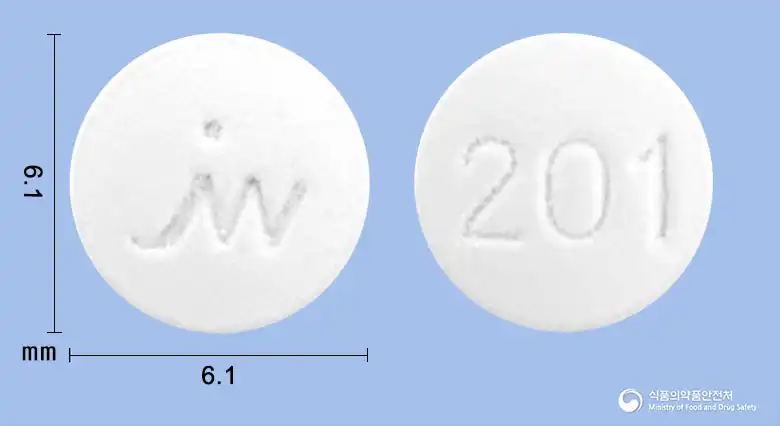
Pitavastatin Calcium Hydrate 1mg
Tablet · Prescription medication
JW Pharmaceutical Corporation
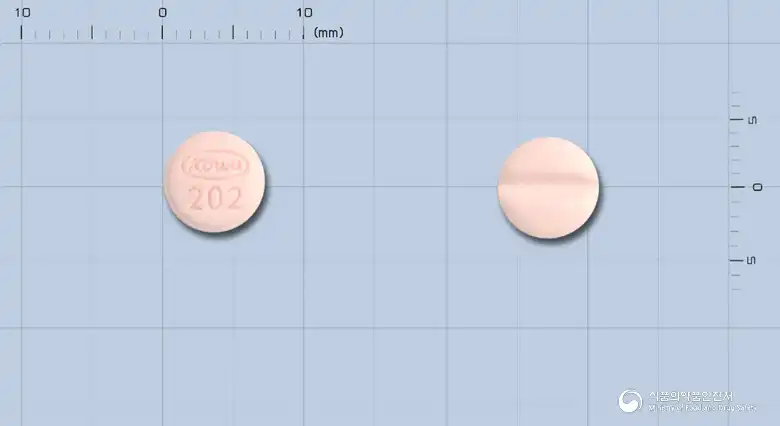
Pitavastatin Calcium Hydrate 2mg
Tablet · Prescription medication
JW Pharmaceutical Corporation
Pitavastatin Calcium 2mg
Tablet · Prescription medication
Youngjin Pharmaceutical Co., Ltd.
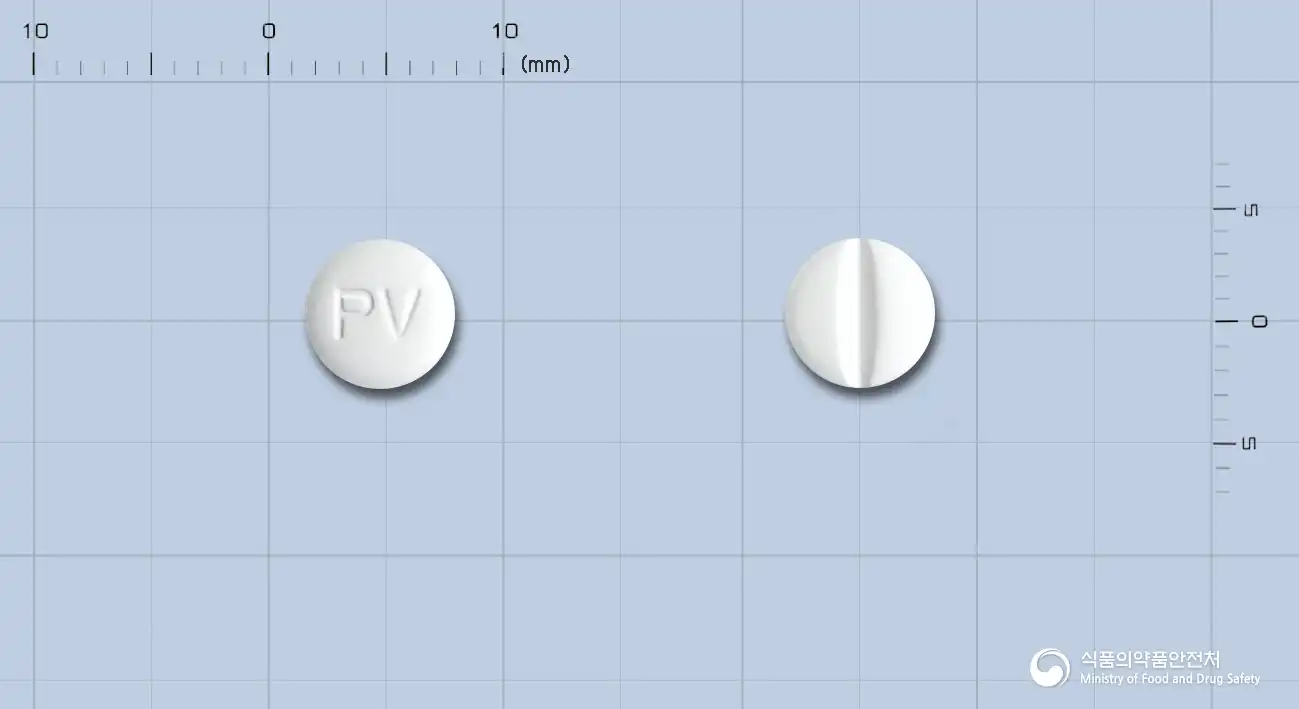
Pitavastatin Calcium 2mg
Tablet · Prescription medication
Samchundang Pharmaceutical Co., Ltd.
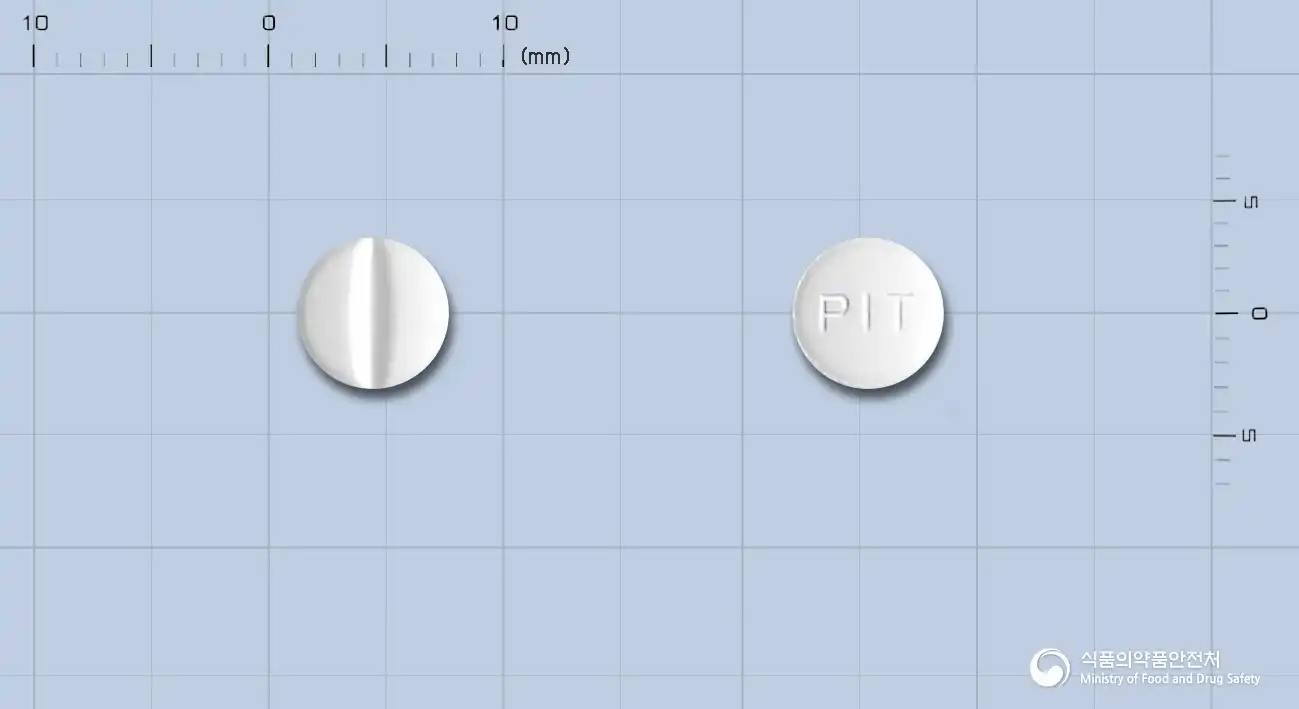
Pitavastatin Calcium 2mg
Tablet · Prescription medication
Daewon Pharmaceutical Co., Ltd.
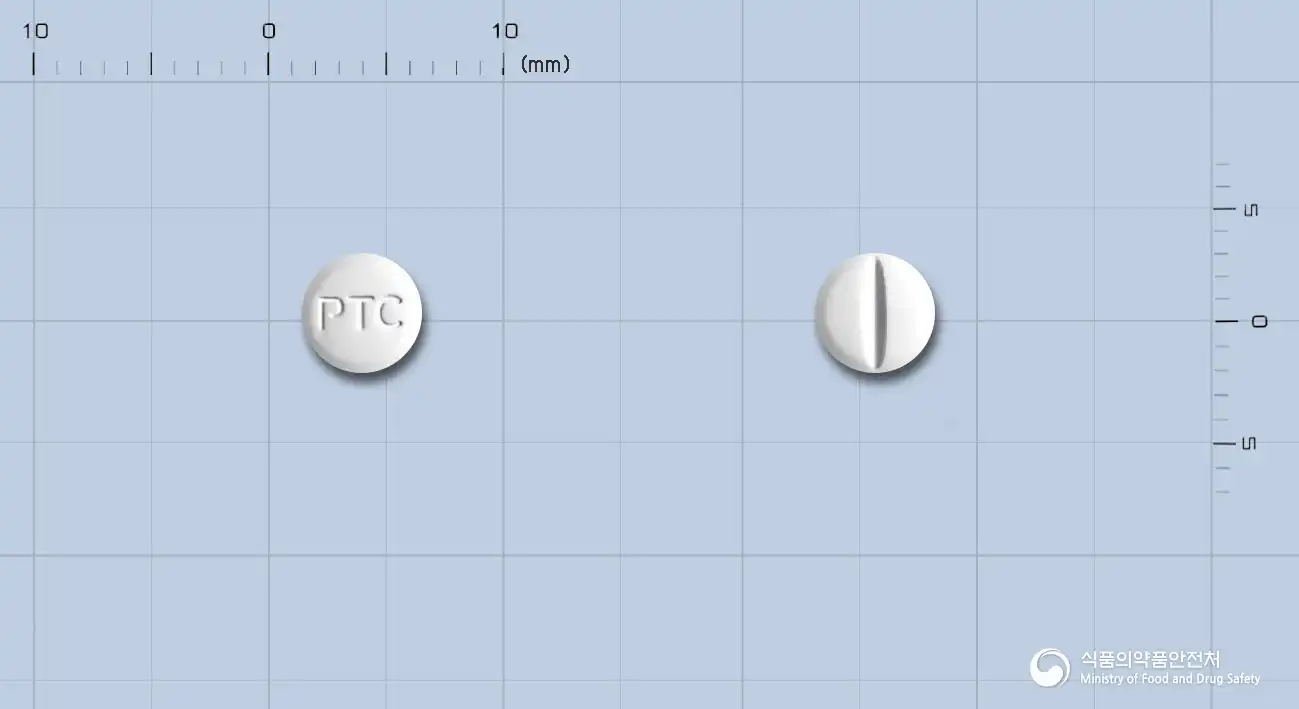
Pitavastatin Calcium 2mg
Tablet · Prescription medication
Samnam Pharmaceutical Co., Ltd.
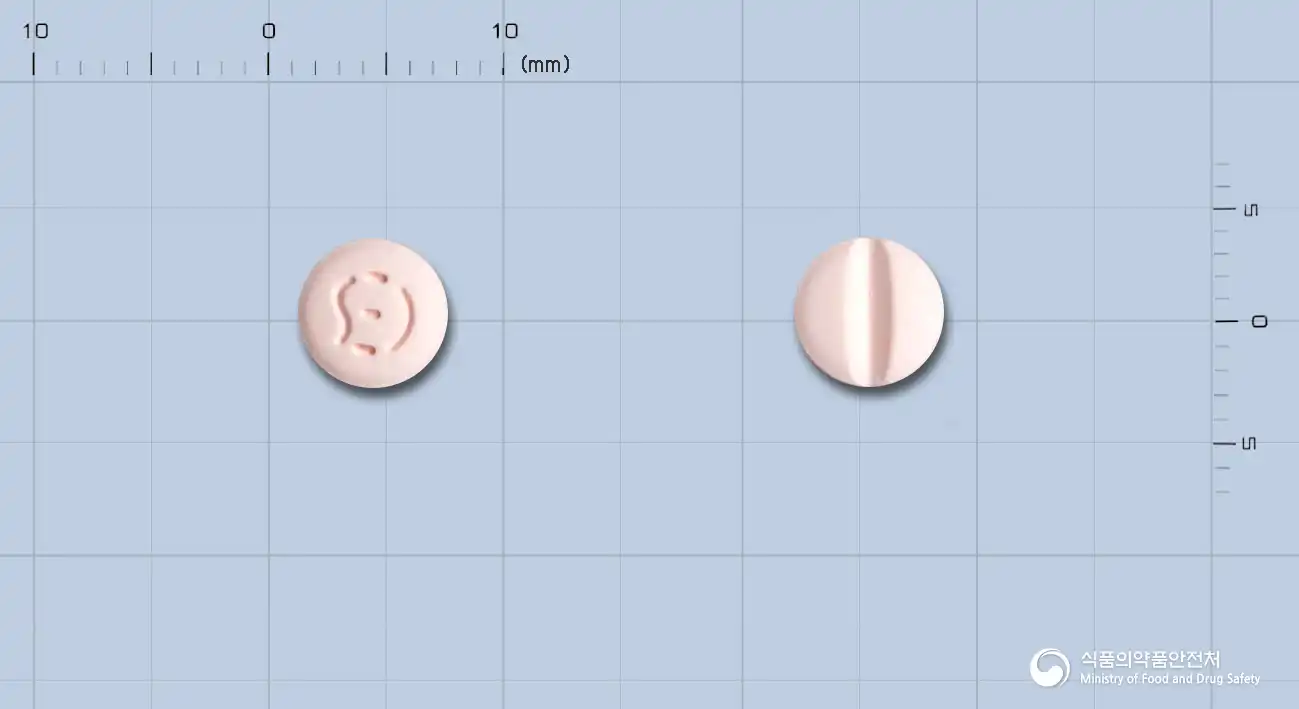
Pitavastatin Calcium 2mg
Tablet · Prescription medication
Seoul Pharmaceutical Co., Ltd.
Even with the same ingredient, the dose and directions can differ by strength and dosage form. Talk to a doctor or pharmacist before switching from a medication you are already taking.
No questions yet.
For anything that needs medical judgment, consult a doctor or pharmacist.
This drug information is based on data provided by the Korea Ministry of Food and Drug Safety.
Consult a doctor or pharmacist for accurate dosage, administration, and usage instructions.