
 한국어
한국어 English
 日本語
日本語 中文(简体)
 Viewing now
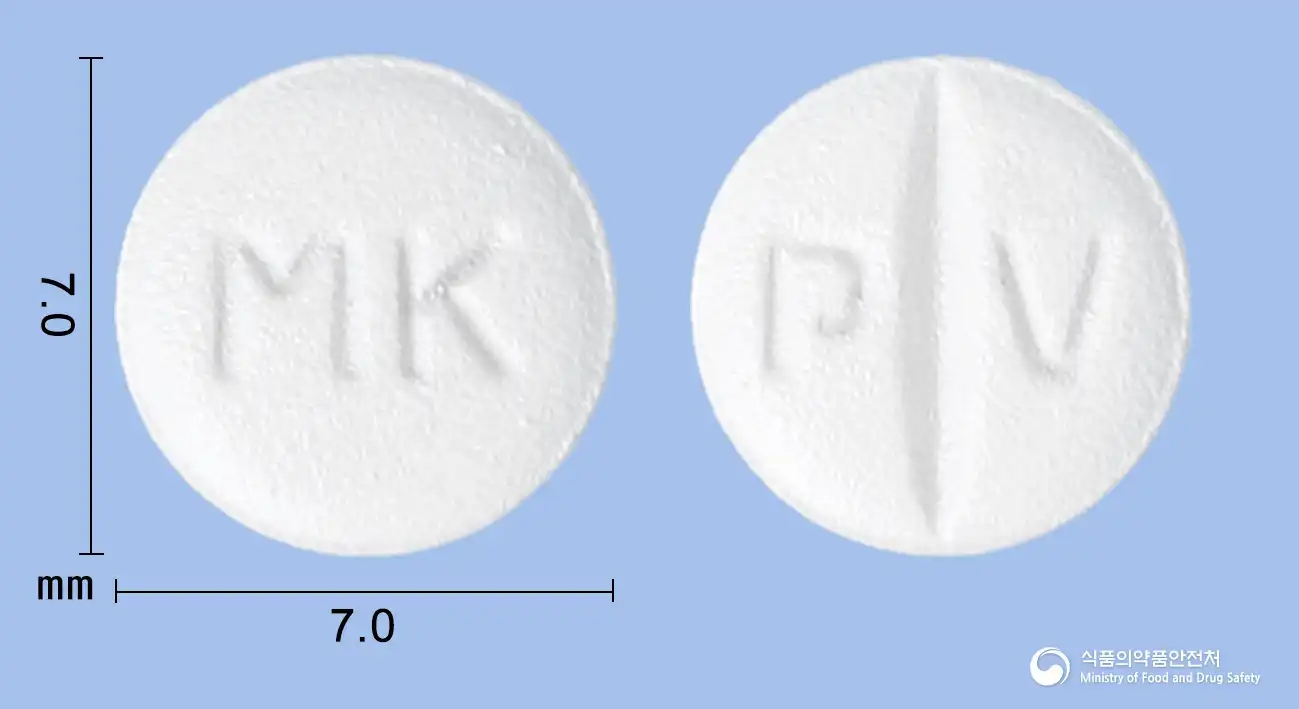
Pitaterol Tablets 2 mg (Pitavastatin Calcium Hydrate)
Pitavastatin Calcium Hydrate 2.205mg
Tablet · Prescription medication
MEDICA KOREA Co., Ltd.
MFDS item code 201103563 · Notified 2011.05.30 · Insurance code 646003600
Improvement of hypercholesterolemia and dyslipidemia
This medication is used in patients with primary hypercholesterolemia and mixed dyslipidemia. It helps lower levels of total cholesterol, LDL cholesterol, apolipoprotein B, and triglycerides, while raising HDL cholesterol levels. It is primarily used in conjunction with a diet to effectively improve blood lipid levels. This contributes to reducing the risk of cardiovascular diseases and maintaining a healthy blood status. It can be used as an adjunct treatment for better therapeutic effects.
For adults, the usual initial dose is 1 to 2 mg of pitavastatin calcium, taken once daily. If the LDL-cholesterol lowering effect is insufficient, the dose may be increased to a maximum of 4 mg per day. The doses should be adjusted appropriately at intervals of 4 weeks or longer based on LDL cholesterol levels, treatment goals, and patient response.
This medication should not be used by individuals allergic to specific ingredients. Patients with liver function problems or liver diseases should also avoid its use. Patients with severe liver impairment or biliary obstruction, and those with symptoms of bile stasis should not take this medication. Patients currently using the drug cyclosporine should also avoid using this medication simultaneously. Patients with myopathy should exercise caution as this medication may exacerbate muscle problems. Women who are pregnant or may become pregnant, and those who are breastfeeding should not use this medication. Safety for children has not been established; therefore, it is not used in that population. Individuals with genetic disorders such as lactose intolerance, lactose enzyme deficiency, or glucose-galactose malabsorption should not take this medication. Patients with abnormal kidney function or a history of kidney disease need to use this medication with caution, especially as concurrent use with certain lipid-lowering agents or niacin may result in muscle damage and rapid deterioration of kidney function, so co-administration is generally not recommended. Patients with decreased liver function or a history of liver disease should also exercise caution as their liver function may worsen with the use of this medication. Excessive alcohol consumption may also pose risks when using this medication. Individuals with hypothyroidism or a history of genetic muscle diseases or drug-induced muscle disorders should be cautious as this medication may worsen muscle issues. Elderly individuals have decreased bodily functions, thus the risk of adverse reactions is higher; therefore, dose adjustment and monitoring are necessary. This medication may cause a variety of side effects, including muscle pain, lethargy, muscle tenderness, liver function abnormalities, thrombocytopenia, allergic reactions (urticaria, rash, itching), gastrointestinal symptoms (abdominal pain, indigestion, nausea, etc.), and neurological symptoms (drowsiness, insomnia, dizziness). In particular, rhabdomyolysis, which involves the destruction of muscle tissue, may occur; if severe muscle pain or weakness develops, discontinue use immediately and consult a physician. Regular liver function tests should be conducted, and if any abnormalities are found, the medication should be discontinued. This drug is primarily metabolized in the liver; therefore, dose adjustments are necessary in patients with reduced liver function. This medication has interactions with certain drugs, and when taken together, there may be an increased risk of kidney function deterioration or muscle damage, so consultation with a physician or pharmacist is advised before use. Women who are pregnant or breastfeeding must not take this medication as it can harm the fetus and infant. The safety and efficacy of this medication in children have not been established, hence it is not used in that age group. This medication should be stored out of the reach of children and kept in its original container to prevent degradation of quality. This medication is used for the treatment of hypercholesterolemia, so a dietary regimen and exercise should be attempted first; if there is no therapeutic effect, the use should be discontinued. Regularly monitor blood lipid levels and liver function during use, and consult a physician immediately if any abnormalities occur.
Urticaria, severe swelling, chest tightness, difficulty breathing, cold sweat, pallor, severe allergic reaction, severe rash with high fever, blisters, pain in oral/ocular mucous membranes, severe cutaneous adverse reactions, shortness of breath or difficulty breathing, asthma attacks, respiratory distress with cough and fever, respiratory problems, jaundice (yellowing of the skin or eyes), profound lethargy, liver abnormalities (jaundice), sudden and very
Not everyone experiences these, and they can vary from person to person.
This medication is photosensitive, thus should be stored in a dark container. It is recommended to store it at room temperature between 1 degree and 30 degrees Celsius. This will help maintain the medication's effectiveness safely.
Round film-coated tablet with a halved line, white in color
For domestic use: 30 tablets/bottle, 100 tablets/bottle For export: 30 tablets (10 tablets/PTP x 3)
Even with the same ingredient, strength, dosage form and how it is taken can differ.
Viewing nowPitavastatin Calcium Hydrate 2.205mg
Tablet · Prescription medication
MEDICA KOREA Co., Ltd.
Pitavastatin Calcium Hydrate 1mg
Tablet · Prescription medication
JW Pharmaceutical Corporation

Pitavastatin Calcium Hydrate 2mg
Tablet · Prescription medication
JW Pharmaceutical Corporation
Pitavastatin Calcium 2mg
Tablet · Prescription medication
Youngjin Pharmaceutical Co., Ltd.
Pitavastatin Calcium 2mg
Tablet · Prescription medication
Samchundang Pharmaceutical Co., Ltd.
Pitavastatin Calcium 2mg
Tablet · Prescription medication
Daewon Pharmaceutical Co., Ltd.
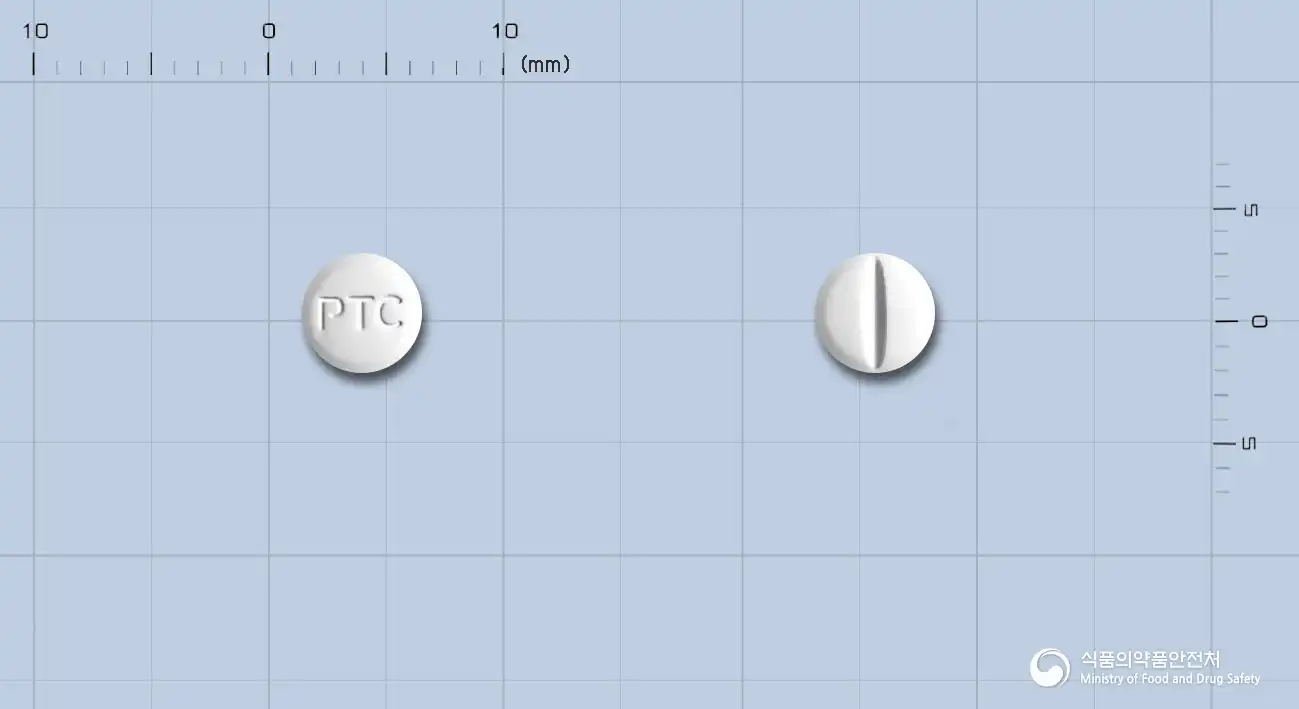
Pitavastatin Calcium 2mg
Tablet · Prescription medication
Samnam Pharmaceutical Co., Ltd.
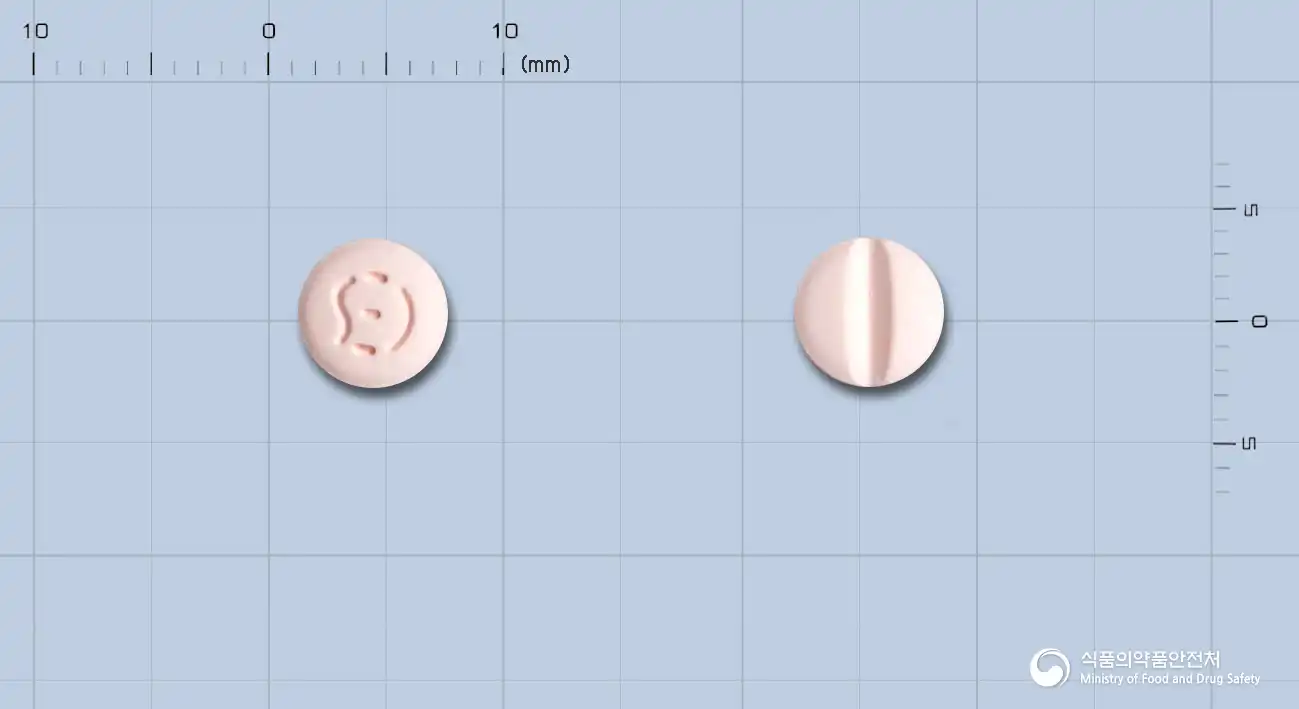
Pitavastatin Calcium 2mg
Tablet · Prescription medication
Seoul Pharmaceutical Co., Ltd.
Even with the same ingredient, the dose and directions can differ by strength and dosage form. Talk to a doctor or pharmacist before switching from a medication you are already taking.
No questions yet.
For anything that needs medical judgment, consult a doctor or pharmacist.
This drug information is based on data provided by the Korea Ministry of Food and Drug Safety.
Consult a doctor or pharmacist for accurate dosage, administration, and usage instructions.