
 한국어
한국어 English
 日本語
日本語 中文(简体)
 Viewing now
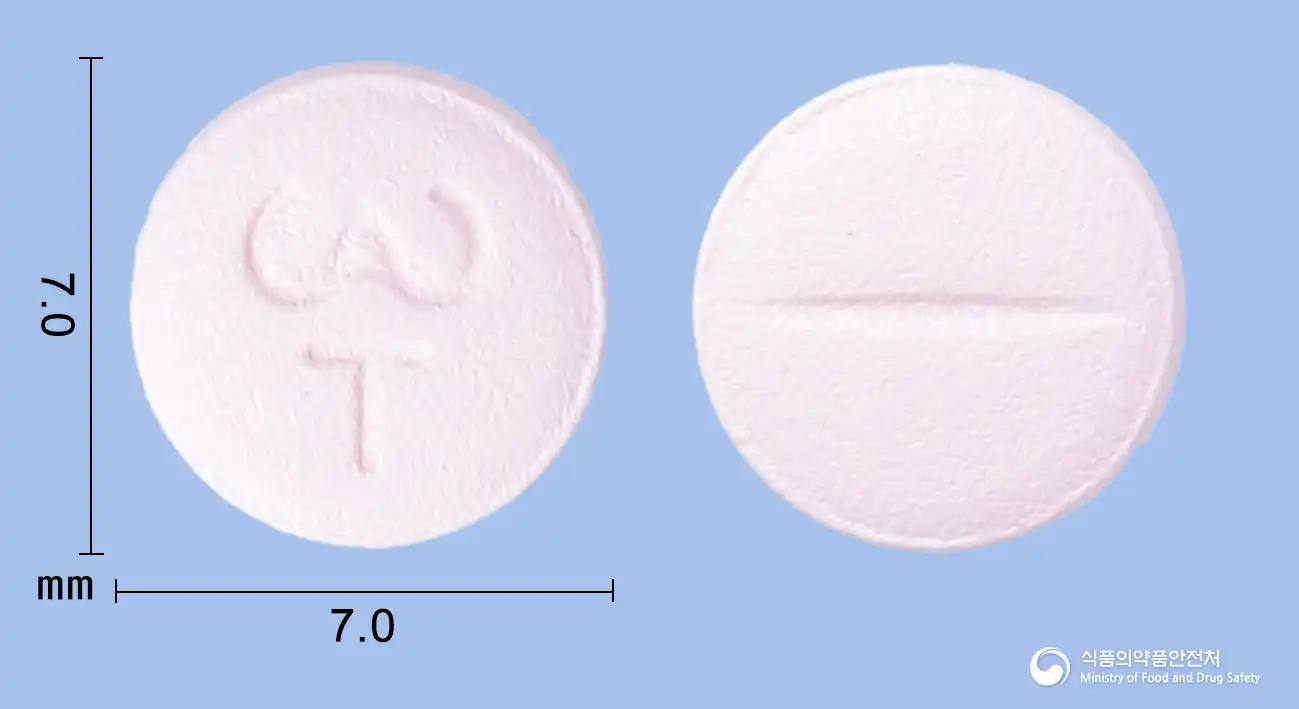
Tastin Tablet 2 mg (Pitavastatin Calcium)
Pitavastatin Calcium 2mg
Tablet · Prescription medication
Withus Pharmaceutical Co., Ltd.
MFDS item code 201103472 · Approved 2011.05.26 · Insurance code 660702460
Improvement of hypercholesterolemia and dyslipidemia
This medication helps to lower elevated total cholesterol, LDL-cholesterol, Apo-B protein, and triglyceride levels in patients with primary hypercholesterolemia and mixed dyslipidemia. At the same time, it helps increase the level of good cholesterol, HDL-cholesterol, thereby maintaining a healthy balance of fats. This drug aids in effectively managing blood lipid levels in conjunction with dietary therapy and contributes to the prevention of cardiovascular diseases. As a result, it improves patients' vascular health and overall metabolic processes related to body fat. In other words, this drug is used to treat dyslipidemia.
For adults, the usual starting dose of pitavastatin calcium is 1 to 2 mg once daily. If the LDL-cholesterol lowering effect is insufficient, the dosage may be increased up to a maximum of 4 mg per day. The dosage should be appropriately adjusted at intervals of four weeks or longer.
This drug should not be administered to certain patients. For example, patients who have had allergic reactions to this drug's ingredients or those with active liver disease or persistent unexplained elevations in liver enzyme levels, as well as patients with severe liver dysfunction or biliary obstruction, should not use it. Furthermore, patients on immunosuppressant cyclosporine, those with myopathy, pregnant or potentially pregnant women, nursing mothers, and children are not to use this medication. This medication contains lactose, so patients with lactose intolerance or related genetic disorders should avoid it. When using this medication, patients with impaired kidney function or a history of liver dysfunction, those who consume alcohol heavily, and elderly patients should use it with caution. In particular, the risk of muscle damage may increase when taken in combination with fibrates or niacin, necessitating careful monitoring. Patients with hypothyroidism, genetic muscle disorders, or those who have experienced side effects from muscle-related medications should also exercise caution. During treatment with this medication, various unusual symptoms such as muscle pain, fatigue, abdominal pain, rashes, and itching may occur, and blood tests may show increased liver enzyme levels or markers of muscle damage. Although rare, rhabdomyolysis, a serious side effect characterized by muscle tissue breakdown, may occur, so immediate discontinuation of the drug is required if severe muscle pain or fatigue develops. Liver dysfunction, thrombocytopenia, and hypersensitivity symptoms may also arise, necessitating regular monitoring and consultations with healthcare professionals if abnormal signs appear. This drug is used for treating hyperlipidemia; hence, it is recommended to check blood cholesterol levels before administration and attempt lifestyle modifications such as diet and exercise first. Ongoing monitoring of blood lipid levels during treatment is necessary to evaluate the drug's efficacy and, if required, to discontinue use. Patients with impaired liver function should start at a lower dose, as increasing the dosage may heighten the risk of muscle-related side effects. Since this drug is primarily metabolized in the liver, regular liver function tests should be conducted, and there may also be a risk of interstitial lung disease or diabetes, demanding careful monitoring of patients with risk factors. Autoimmune muscle diseases such as immune-mediated necrotizing myopathy have also been rarely reported, so any persistent muscle weakness symptoms should be communicated to healthcare providers. This drug may interact with certain medications; particularly, concomitant use with cyclosporine, fibrates, niacin, and erythromycin can increase the risk of renal function deterioration and muscle damage. Therefore, when used alongside these drugs, it should be administered carefully under professional guidance, and if muscle pain or weakness occurs, immediate cessation of the medication is necessary. Elderly patients may have a higher risk of side effects due to declining physical function, so any unusual symptoms should prompt consideration of dose adjustments or discontinuation. Pregnant or nursing women should not take this medication, and women of childbearing potential should confirm pregnancy status before use and discontinue if pregnancy occurs immediately. The safety and efficacy of this medication have not been confirmed for children, hence it is not used in this population. This drug must be kept out of reach of children and stored in its original container to prevent misuse or degradation of quality.
Not everyone experiences these, and they can vary from person to person.
This medication is sensitive to light; therefore, it should be stored in a container that prevents light exposure. Additionally, it is important to maintain a temperature between 1 to 30 degrees Celsius during storage. This ensures the drug's effectiveness and safety.
Very light yellowish-red round film-coated tablets
30 tablets/bottle, 100 tablets/bottle
Even with the same ingredient, strength, dosage form and how it is taken can differ.
Viewing nowPitavastatin Calcium 2mg
Tablet · Prescription medication
Withus Pharmaceutical Co., Ltd.
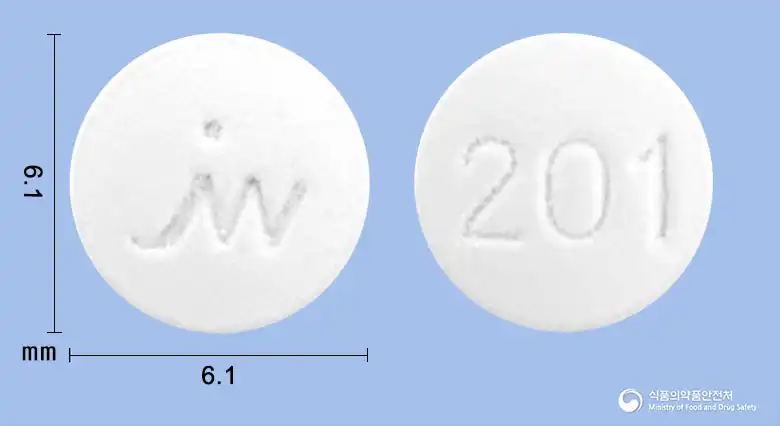
Pitavastatin Calcium Hydrate 1mg
Tablet · Prescription medication
JW Pharmaceutical Corporation

Pitavastatin Calcium Hydrate 2mg
Tablet · Prescription medication
JW Pharmaceutical Corporation
Pitavastatin Calcium 2mg
Tablet · Prescription medication
Youngjin Pharmaceutical Co., Ltd.

Pitavastatin Calcium 2mg
Tablet · Prescription medication
Samchundang Pharmaceutical Co., Ltd.
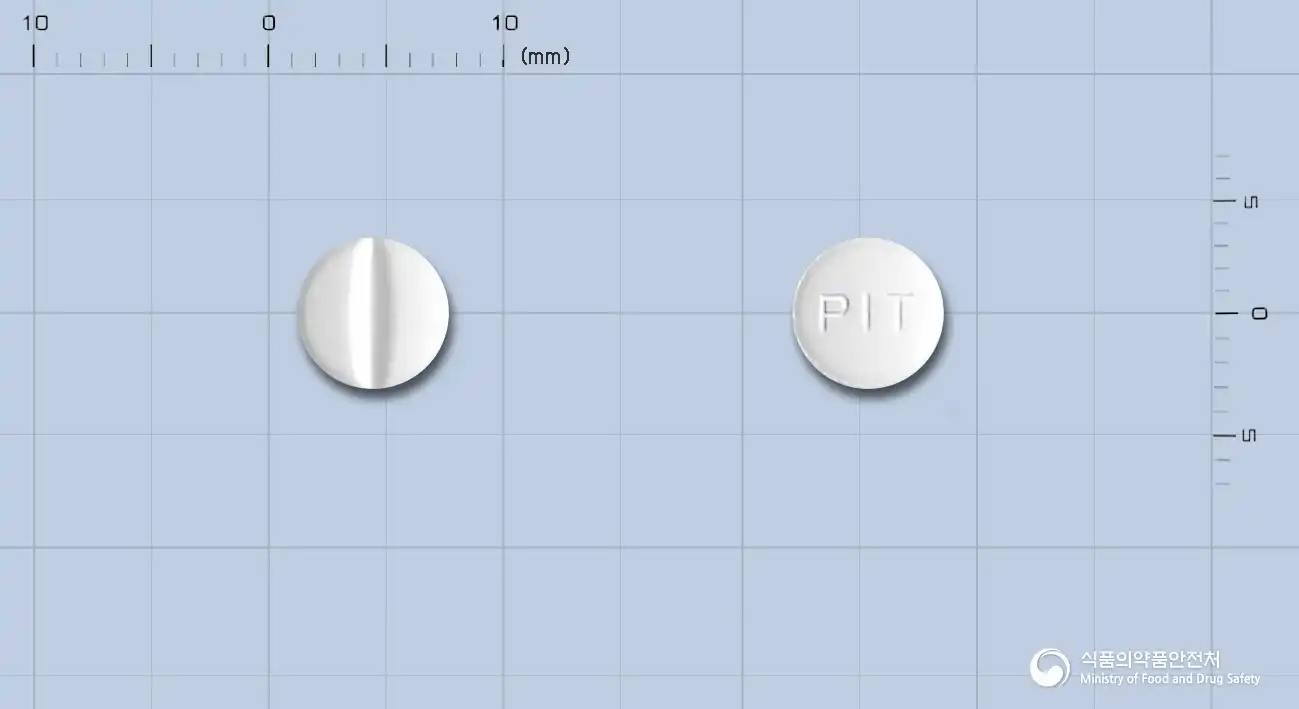
Pitavastatin Calcium 2mg
Tablet · Prescription medication
Daewon Pharmaceutical Co., Ltd.
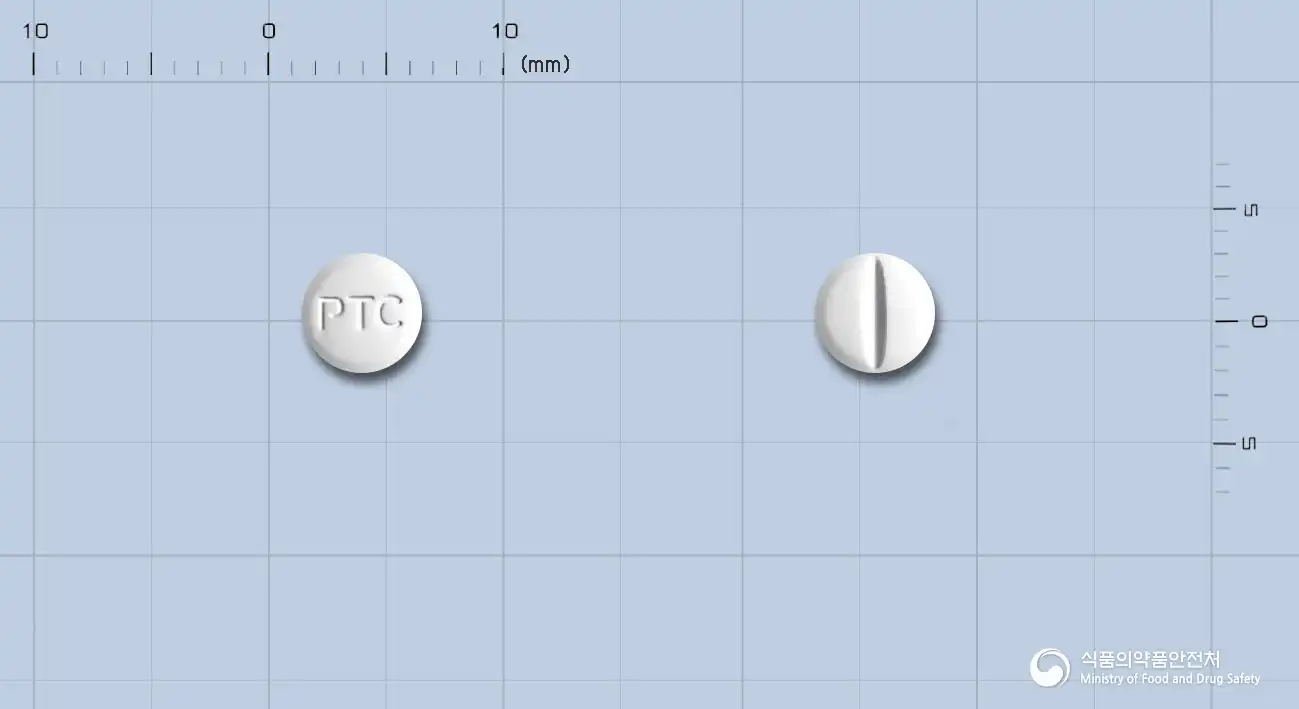
Pitavastatin Calcium 2mg
Tablet · Prescription medication
Samnam Pharmaceutical Co., Ltd.

Pitavastatin Calcium 2mg
Tablet · Prescription medication
Seoul Pharmaceutical Co., Ltd.
Even with the same ingredient, the dose and directions can differ by strength and dosage form. Talk to a doctor or pharmacist before switching from a medication you are already taking.
No questions yet.
For anything that needs medical judgment, consult a doctor or pharmacist.
This drug information is based on data provided by the Korea Ministry of Food and Drug Safety.
Consult a doctor or pharmacist for accurate dosage, administration, and usage instructions.