
 한국어
한국어 English
 日本語
日本語 中文(简体)
 Viewing now
Pitavastatin Calcium 2 mg
Pitavastatin Calcium 2mg
Tablet · Prescription medication
Seoul Pharmaceutical Co., Ltd.
MFDS item code 201103421 · Approved 2011.05.24 · Insurance code 652903280
Improvement of hypercholesterolemia and dyslipidemia
This medication is effective in patients with primary hypercholesterolemia, particularly heterozygous familial and non-familial types, and mixed type dyslipidemia, Fredrickson type IIa. It helps lower elevated total cholesterol, LDL-cholesterol, Apo-B protein, and triglyceride levels in the blood, while increasing the good cholesterol, HDL-cholesterol levels. This contributes to improving blood lipid levels and reducing the risk of cardiovascular diseases by assisting dietary therapy. Therefore, it is used as an important treatment option for managing such dyslipidemia.
For adults, the usual initial dose is 1–2 mg of pitavastatin calcium taken once daily. If the effect on lowering LDL-cholesterol is insufficient, the dosage can be increased to a maximum of 4 mg per day. The dosage should be adjusted appropriately at intervals of 4 weeks or more.
This medicine should not be used in certain patients. For example, it should not be administered to individuals with an allergy to its components, those with severely impaired liver function, women who are pregnant or breastfeeding, and children. Patients with poor kidney function or liver problems should use this medication with caution. Particularly, the risk of muscle damage may increase when taken with other specific medications, so caution is required. If symptoms such as muscle pain or weakness, or unusual urine color appear while taking this drug, you must consult a doctor immediately. Symptoms of liver dysfunction may also occur, so regular liver function tests are necessary. Additionally, this medication can rarely cause side effects such as skin rashes, itching, blood disorders, indigestion, headaches, and dizziness. If such symptoms occur, you should inform healthcare personnel immediately. This medication may interact with certain drugs, so if you are taking other medications, be sure to inform your doctor or pharmacist and seek advice. Elderly patients may experience side effects more readily due to decreased bodily functions, so dosage adjustments and caution are necessary. Women who are pregnant or may become pregnant should not take this medication, and if pregnancy occurs while taking it, you must stop immediately and consult a doctor. The safety and efficacy of this medication for children have not been established, so it should not be used in this age group. This medication should be kept out of the reach of children and stored in its original container to prevent misuse or degradation of quality.
Hives, severe swelling (edema), liver dysfunction, jaundice, rhabdomyolysis, myopathy, thrombocytopenia, severe allergic reactions, acute renal failure, visual disturbances, paralysis, severe swelling or urination abnormalities, hypertension
Not everyone experiences these, and they can vary from person to person.
This medication is sensitive to light, so it should be stored in a container that does not allow light to enter. Additionally, it is best to store it at room temperature between 1 and 30 degrees Celsius. Proper storage will help maintain the effectiveness of the medication.
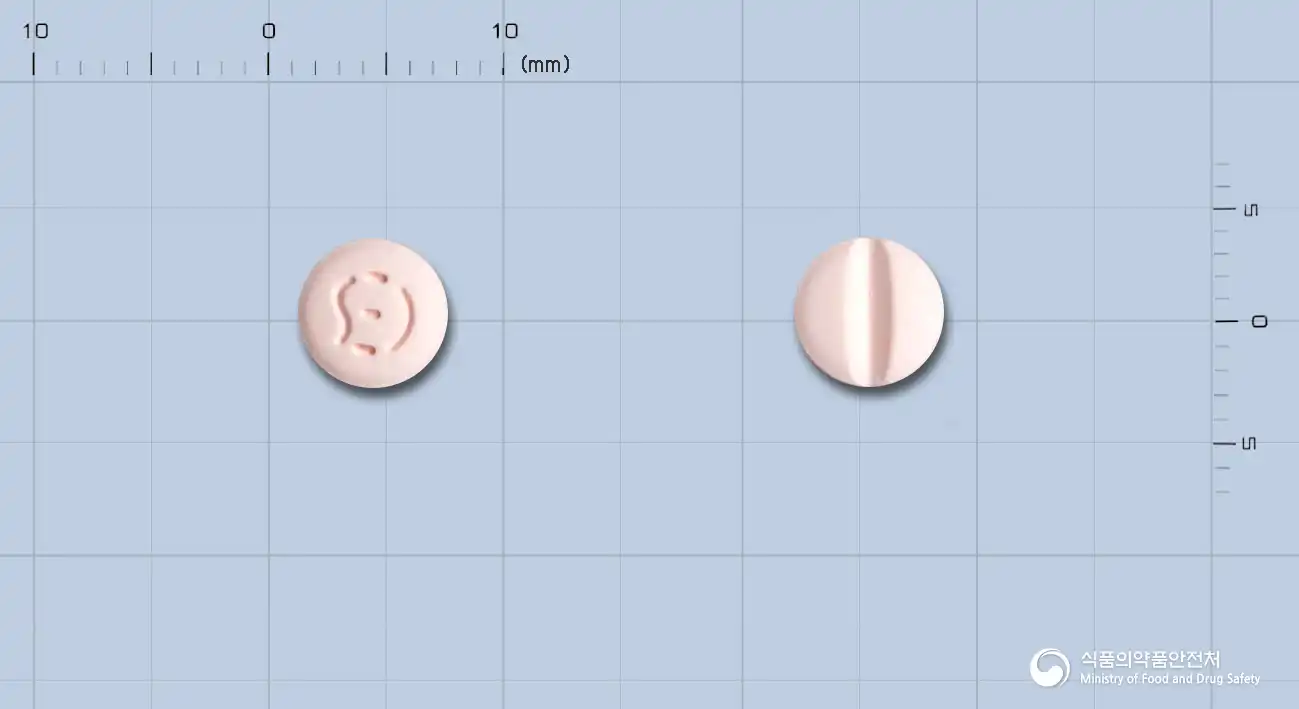
Round film-coated tablet of very pale reddish-yellow color with score line
30 tablets/bottle, 100 tablets/bottle
Even with the same ingredient, strength, dosage form and how it is taken can differ.
Viewing nowPitavastatin Calcium 2mg
Tablet · Prescription medication
Seoul Pharmaceutical Co., Ltd.
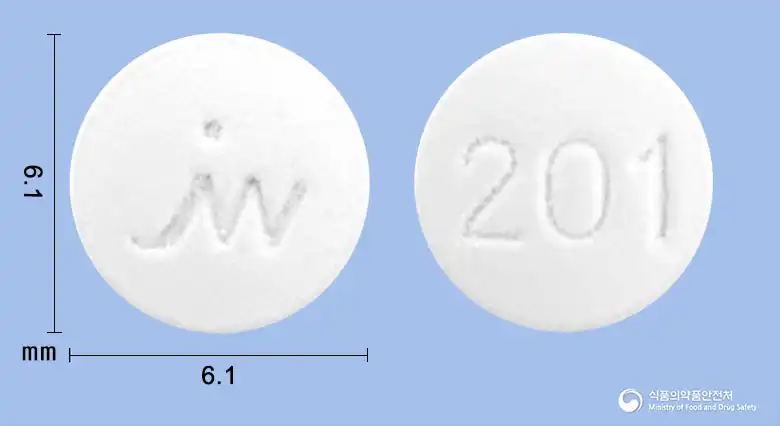
Pitavastatin Calcium Hydrate 1mg
Tablet · Prescription medication
JW Pharmaceutical Corporation
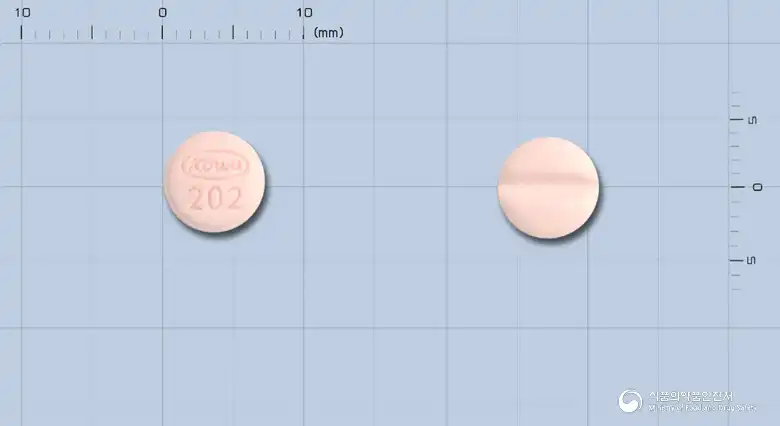
Pitavastatin Calcium Hydrate 2mg
Tablet · Prescription medication
JW Pharmaceutical Corporation
Pitavastatin Calcium 2mg
Tablet · Prescription medication
Youngjin Pharmaceutical Co., Ltd.
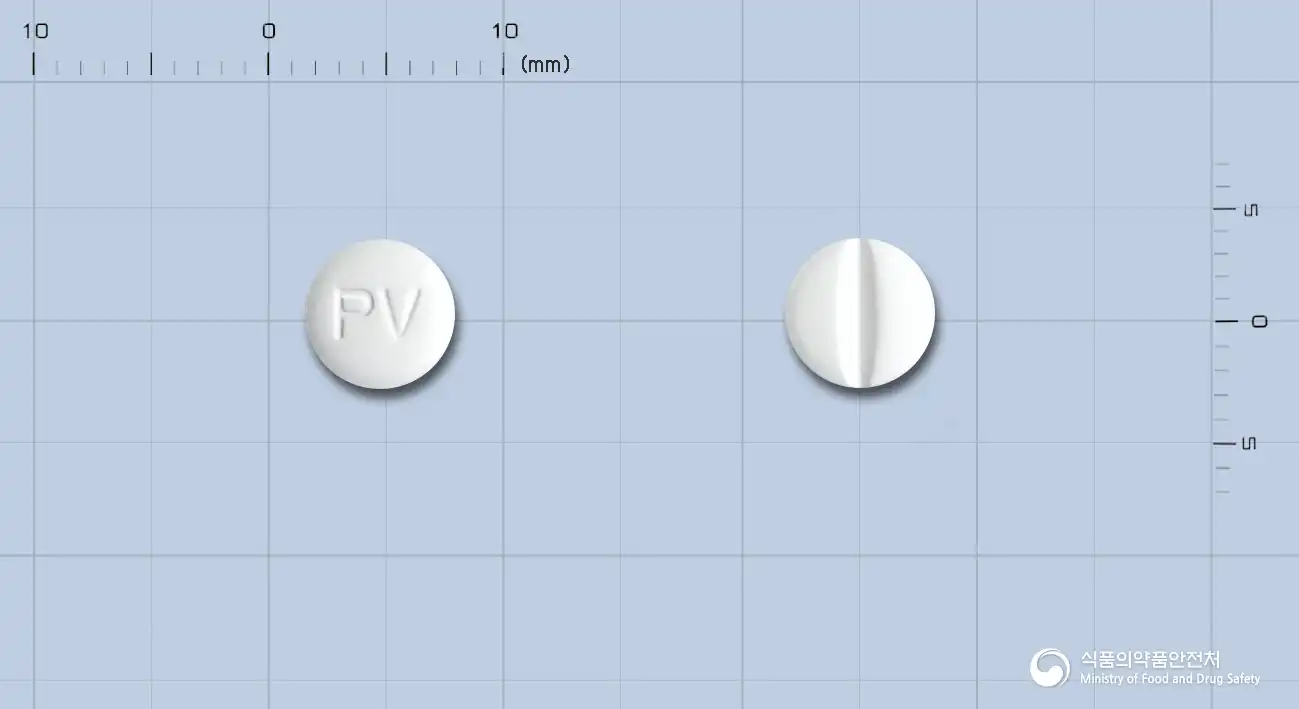
Pitavastatin Calcium 2mg
Tablet · Prescription medication
Samchundang Pharmaceutical Co., Ltd.
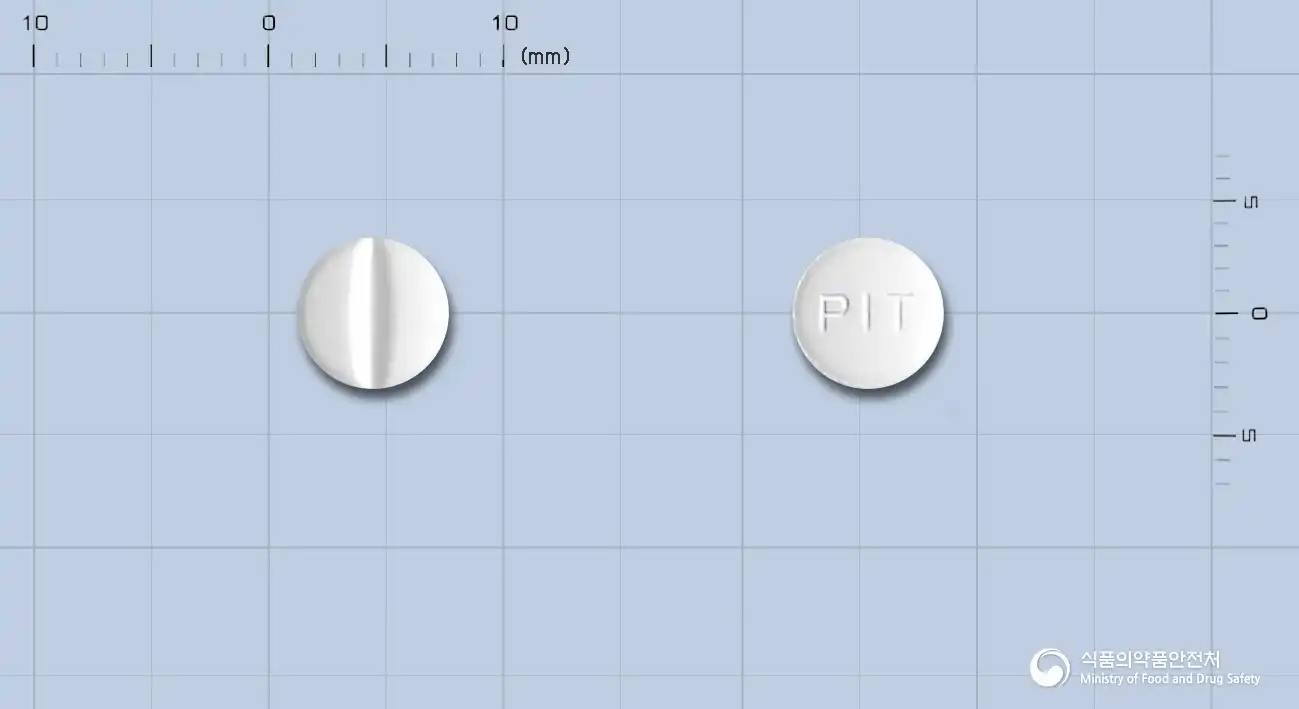
Pitavastatin Calcium 2mg
Tablet · Prescription medication
Daewon Pharmaceutical Co., Ltd.
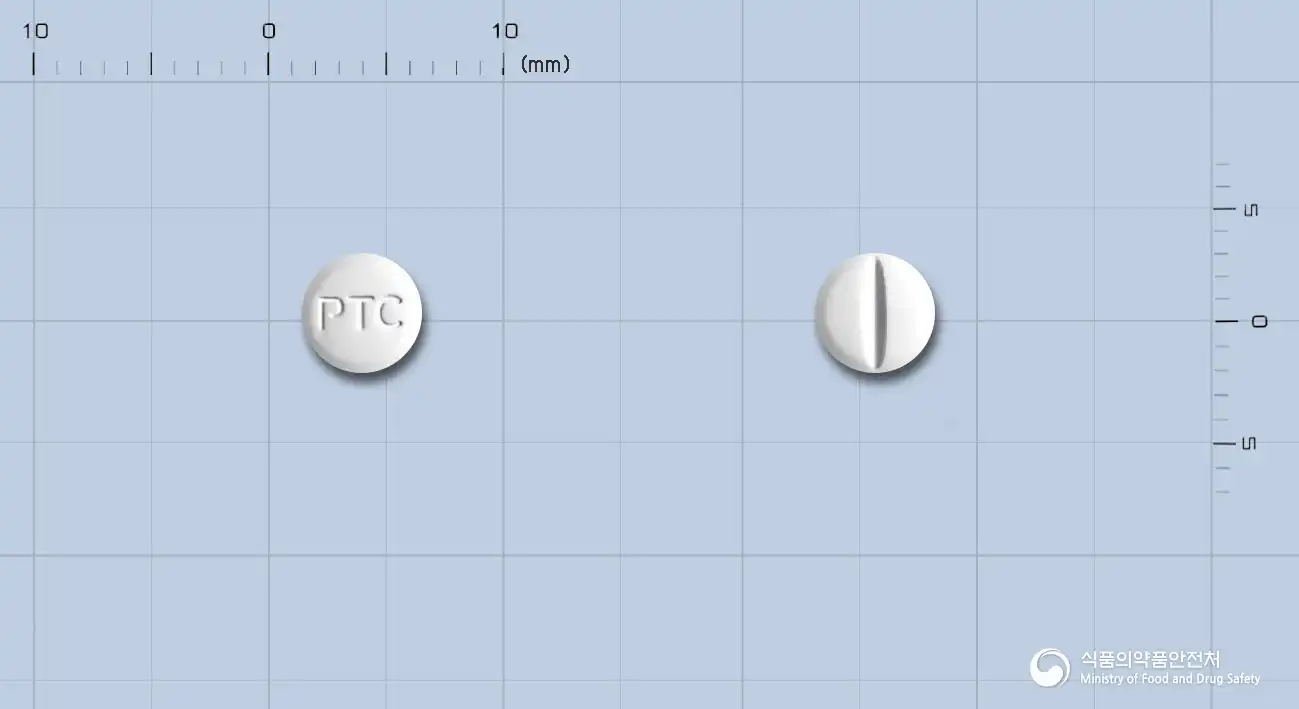
Pitavastatin Calcium 2mg
Tablet · Prescription medication
Samnam Pharmaceutical Co., Ltd.
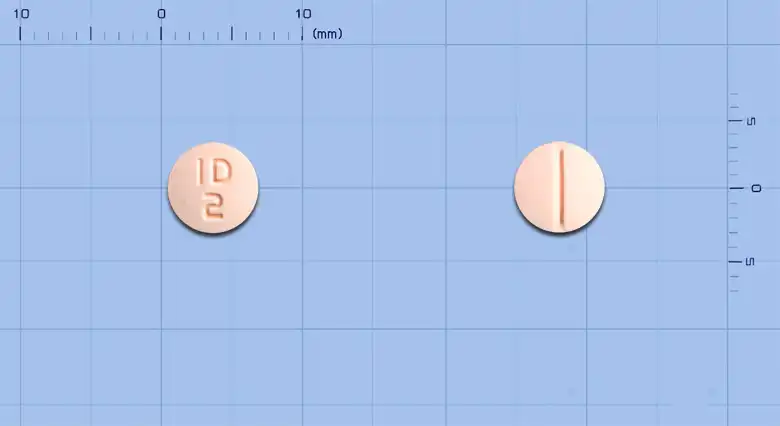
Pitavastatin Calcium 2mg
Tablet · Prescription medication
IlDong Pharmaceutical Co., Ltd.
Even with the same ingredient, the dose and directions can differ by strength and dosage form. Talk to a doctor or pharmacist before switching from a medication you are already taking.
No questions yet.
For anything that needs medical judgment, consult a doctor or pharmacist.
This drug information is based on data provided by the Korea Ministry of Food and Drug Safety.
Consult a doctor or pharmacist for accurate dosage, administration, and usage instructions.