
 한국어
한국어 English
 日本語
日本語 中文(简体)
 Viewing now
Chiodan Tablets (Potassium Iodide)
Potassium Iodide 130mg
Tablet · Prescription medication
Korea United Pharmaceutical Co., Ltd.
MFDS item code 201102783 · Approved 2011.05.02
Thyroid protection effect during radiation exposure
This medication is used to protect the thyroid gland in radiation emergency situations. The thyroid can be affected by radiation exposure, so this drug blocks the absorption of radioactive iodine in the thyroid to prevent thyroid dysfunction. It is particularly used to safeguard thyroid health during radiation accidents or emergency events.
Adults and adolescents (ages 12 and older): 130 mg of potassium iodide once a day. Do not exceed the prescribed dosage within a 24-hour period. This medication can be crushed or mixed with beverages (water, milk, juice) for consumption.
Children (ages 3 to under 12): 1 time per day 65 mg Infants and young children (ages 1 month to under 3): 1 time per day 32.5 mg Newborns (birth to under 1 month): 1 time per day 16.25 mg
This drug contains potassium iodide and should not be used by certain patients. For example, those who are allergic to this drug or its components, those with pulmonary tuberculosis or herpes dermatitis, patients with complement-dependent vasculitis, and those with thyroid nodules accompanied by heart disease should not take this medication. Additionally, since this drug contains lactose, individuals with lactose intolerance or related genetic disorders should not use it. There are also patients who should use this medication with caution. Patients being treated by a doctor or those with heart, circulatory, or kidney function problems, those with thyroid dysfunction or congenital myotonic dystrophy, hyperkalemia, alkalosis, peptic ulcers, bronchitis, or pulmonary edema must consult their physician before taking this medication. Women who are pregnant or breastfeeding, as well as newborns, require special caution. When taking this medication, allergic reactions such as rashes, fever, joint pain, swelling of the face or lips, and difficulty breathing may occur. If these symptoms appear, the medication should be stopped immediately and medical advice should be sought. Prolonged use may result in thyroid dysfunction, skin changes, digestive issues, headaches, depressive symptoms and requires regular monitoring. This drug is effective only immediately after radiation exposure, and its effectiveness decreases over time. Particularly in children, it is administered primarily for thyroid protection. If a patient has thyroid disease or thyroid dysfunction, it is important to receive a medical diagnosis before taking this medication. In cases of overdose, symptoms such as nausea, vomiting, swelling, and heart problems may occur, so the prescribed dosage must be adhered to. Care must be taken to avoid taking it immediately after meals as it may hinder absorption, and if dissolved in a drink, it should be consumed immediately. When taken with certain medications, it may affect thyroid function, so consulting a doctor is necessary. In particular, when used in conjunction with lithium preparations or potassium-containing drugs, blood potassium levels should be monitored periodically. If pregnant or breastfeeding, this medication may impact the thyroid function of the fetus or newborn, so it must be administered under the physician's judgment. Newborns should be closely monitored for thyroid function and repeated doses should be avoided. Elderly patients may have decreased body function, so dosage adjustments might be necessary. This medication can affect certain thyroid function test results, so it may need to be stopped before testing. During storage, keep it out of the reach of children, and store in a cool place away from direct sunlight and moisture. Also, for quality maintenance, it is advisable not to transfer it to another container.
Swelling of the face, lips, tongue, throat, hands, and feet (severe swelling), difficulty breathing, difficulty swallowing, speech difficulties, asthma attacks, blood in stools (gastrointestinal bleeding)
Not everyone experiences these, and they can vary from person to person.
This medication should be stored in a container that blocks light and allows for good air circulation. Furthermore, to maintain the drug's effectiveness, it is best to store it at room temperature between 1°C and 30°C.
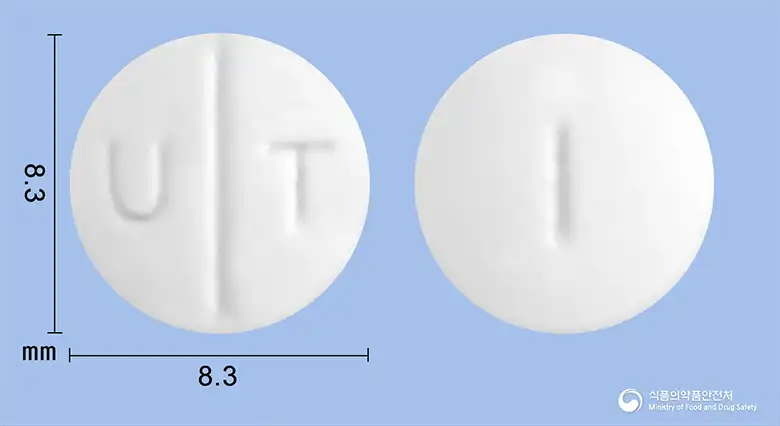
White round tablets
100 tablets/Foil (10 tablets x 10)
Even with the same ingredient, strength, dosage form and how it is taken can differ.
Viewing nowPotassium Iodide 130mg
Tablet · Prescription medication
Korea United Pharmaceutical Co., Ltd.
Potassium Iodide 130mg
Tablet · Prescription medication
Hyun's Co., Ltd.
Potassium Iodide 32.5mg
Tablet · Prescription medication
Korea United Pharm Co., Ltd.
Even with the same ingredient, the dose and directions can differ by strength and dosage form. Talk to a doctor or pharmacist before switching from a medication you are already taking.
No questions yet.
For anything that needs medical judgment, consult a doctor or pharmacist.
This drug information is based on data provided by the Korea Ministry of Food and Drug Safety.
Consult a doctor or pharmacist for accurate dosage, administration, and usage instructions.