
 한국어
한국어 English
 日本語
日本語 中文(简体)
 Viewing now
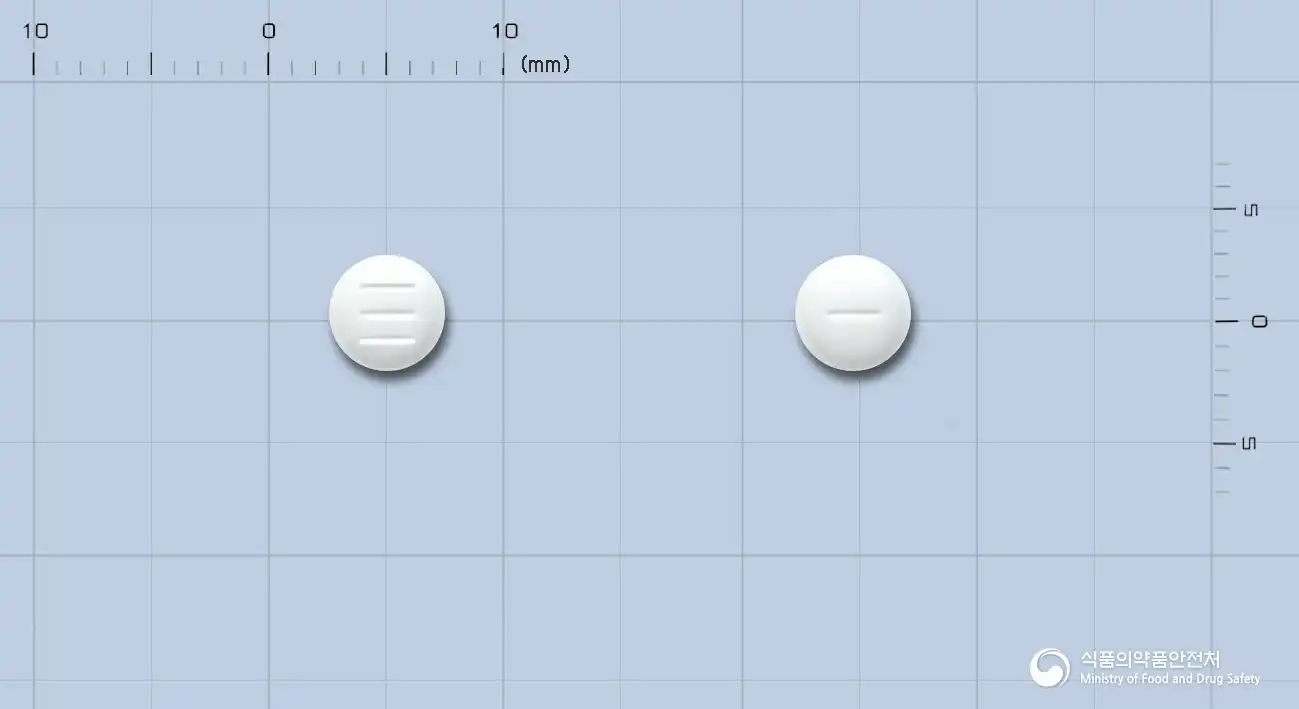
Esol Tablet 10mg (Olmesartan Medoxomil)
Olmesartan Medoxomil 10mg
Tablet · Prescription medication
Samik Pharmaceutical Co., Ltd.
MFDS item code 201101843 · Approved 2011.03.31 · Insurance code 644003140
Improvement of essential hypertension
Essential hypertension is a condition of elevated blood pressure without any specific underlying cause. This medication helps lower blood pressure and reduce cardiovascular strain, preventing complications related to hypertension. Regular use will facilitate blood pressure control, allowing for a healthy lifestyle. Therefore, it is used for the treatment of essential hypertension.
The recommended initial dose is 10 mg once daily and can be taken with or without food. If blood pressure is not adequately controlled at this dose, it may be increased to 20 mg once daily, with a maximum dose of up to 40 mg per day. The blood pressure-lowering effect typically appears within 2 weeks after starting treatment, and maximum effectiveness is usually observed around 8 weeks. This medication may be taken in combination with thiazide diuretics like hydrochlorothiazide. For elderly patients (aged 65 years or older), no dosage adjustment is necessary.
Safety and effectiveness in pediatric patients have not been established.
This medication can cause serious harm to the fetus and newborn if taken during the second and third trimesters of pregnancy, so it should be discontinued immediately upon confirmation of pregnancy. Those allergic to any ingredients in this medication, pregnant or breastfeeding women, patients undergoing renal dialysis, those with severe liver dysfunction, or those with biliary obstruction should not take this medication. Individuals with lactose intolerance should avoid this medication due to the presence of lactose, and specific diabetes patients or patients with moderately to severely impaired kidney function should also not take this medication. Patients with low blood volume or salt deficiency should be cautious as blood pressure may drop too low when initially taking this medication; appropriate measures should be taken before starting treatment in such cases. Patients with severe heart failure, who depend on the renin-angiotensin-aldosterone system for kidney function, may experience worsening kidney function after taking this medication, necessitating regular check-ups. Patients with poor kidney function or those who have undergone kidney transplants should frequently monitor kidney function and electrolyte levels with blood tests while taking this medication. Patients with renal artery stenosis, those at risk for hyperkalemia, patients with aortic or mitral valve stenosis, or those with obstructive heart diseases should be cautious when taking this medication. This medication lowers blood pressure; therefore, if dizziness occurs while taking it, one should avoid driving or operating hazardous machinery. Potential side effects may include dizziness, headache, back pain, indigestion, cough, etc., but most are mild and transient. Chronic diarrhea or weight loss may indicate gastrointestinal disease related to this medication, and consultation with a doctor is advised. When taken with potassium-sparing diuretics or potassium supplements, potassium levels in the blood may rise to dangerous levels; caution is required. Combination with other antihypertensive medications may enhance blood pressure-lowering effects, so blood pressure should be monitored regularly. Taking with lithium preparations can elevate lithium levels, increasing the risk of side effects; it is best to avoid this combination. Caution is required when taking this medication with non-steroidal anti-inflammatory drugs, as it may worsen kidney function. Taking this medication during pregnancy can pose a serious risk to the fetus, so it should be discontinued immediately upon confirmation of pregnancy; fetal condition should be closely monitored if taken during pregnancy. Breastfeeding mothers should consider discontinuing either the medication or breastfeeding, as this medication can pass into breast milk and may present a risk of adverse reactions in infants. Safety and effectiveness in pediatric patients have not been established, so it is preferable not to use this medication in children. Elderly patients may have increased body concentrations of this medication, requiring dosage adjustments and caution. In case of overdose, symptoms such as hypotension and palpitations may occur, and appropriate medical treatment should be sought if symptoms are severe. This medication has not shown carcinogenic effects even with prolonged use, and serious issues were not found in genotoxicity tests.
Urticaria, angioedema, anaphylactic reaction, intestinal vascular edema, rhabdomyolysis, hyperkalemia, acute renal failure, elevated serum creatinine, urticaria, liver dysfunction (increased transaminases or total bilirubin), autoimmune hepatitis, chest pain, peripheral edema, facial edema, elevated blood pressure, asthma
Not everyone experiences these, and they can vary from person to person.
This medication should be stored in a tightly closed container, protected from air and moisture, preferably at room temperature between 1 and 25 degrees Celsius. Storing it this way will help maintain the effectiveness of the medication for a prolonged period.
White round film-coated tablet
30 tablets/bottle, 100 tablets/bottle
Even with the same ingredient, strength, dosage form and how it is taken can differ.
Viewing nowOlmesartan Medoxomil 10mg
Tablet · Prescription medication
Samik Pharmaceutical Co., Ltd.
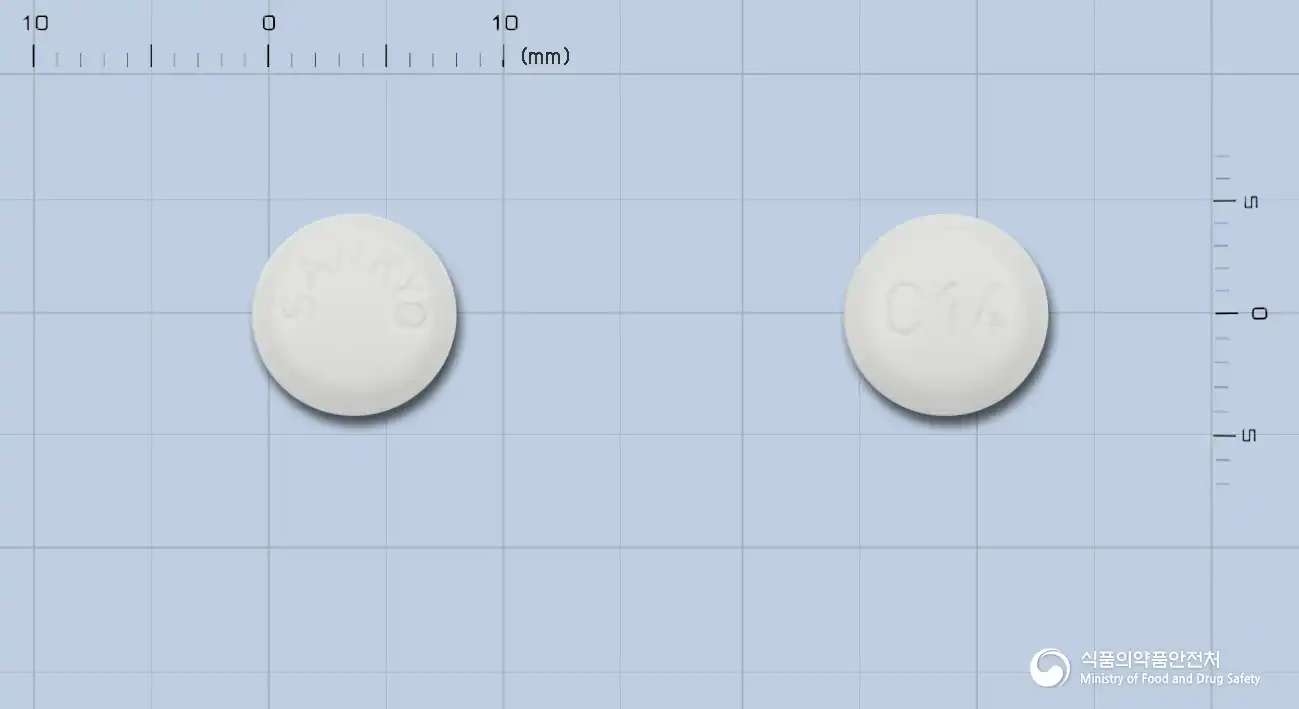
Olmesartan Medoxomil 20mg
Tablet · Prescription medication
Daewoong Pharmaceutical Co., Ltd.
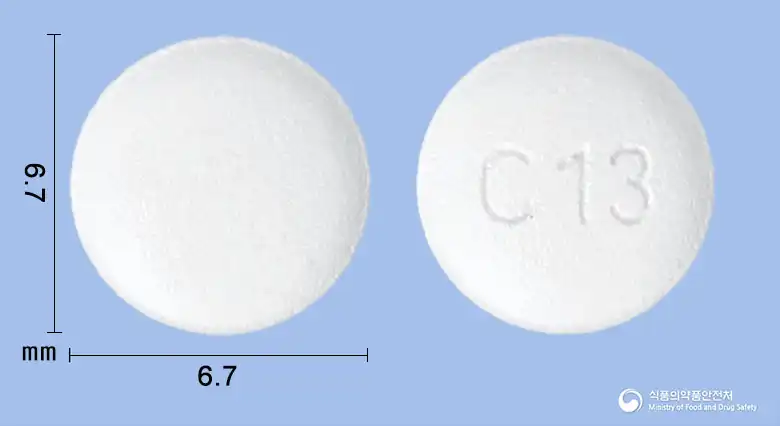
Olmesartan Medoxomil 10mg
Tablet · Prescription medication
Daewoong Pharmaceutical Co., Ltd.
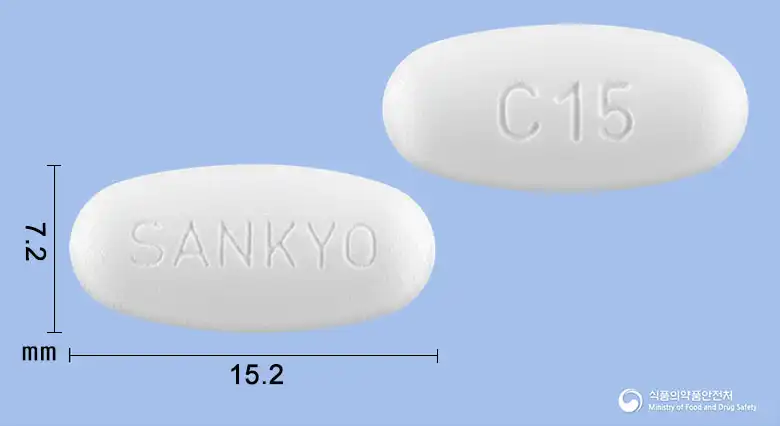
Olmesartan Medoxomil 40mg
Tablet · Prescription medication
Daewoong Pharmaceutical Co., Ltd.
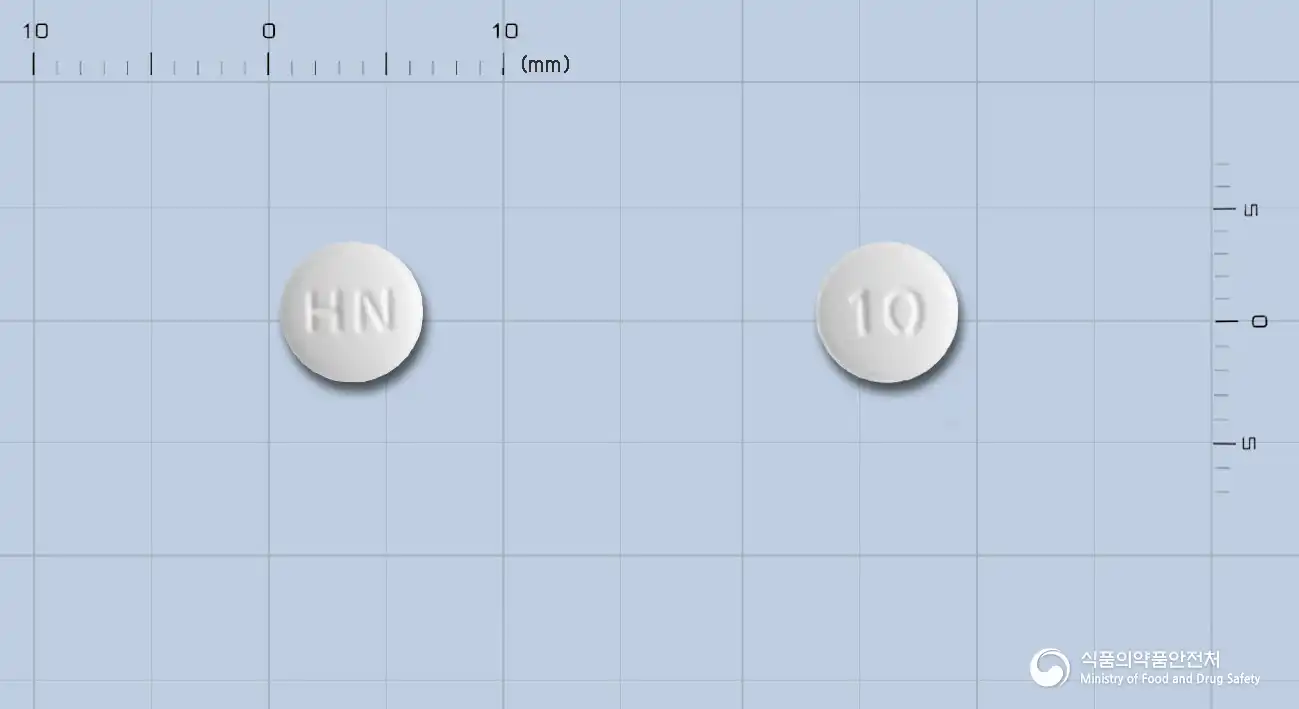
Olmesartan Medoxomil 10mg
Tablet · Prescription medication
Hana Pharmaceutical Co., Ltd.
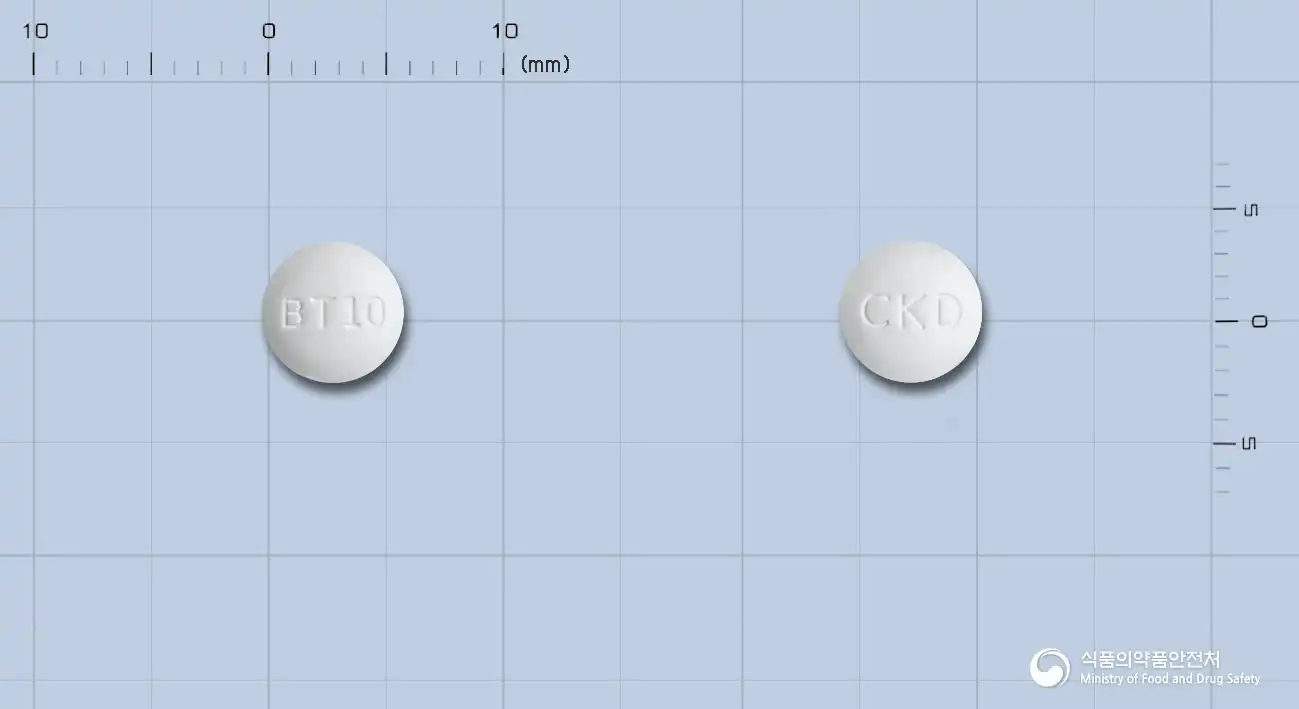
Olmesartan Medoxomil 10mg
Tablet · Prescription medication
Jongkeundang Co., Ltd.
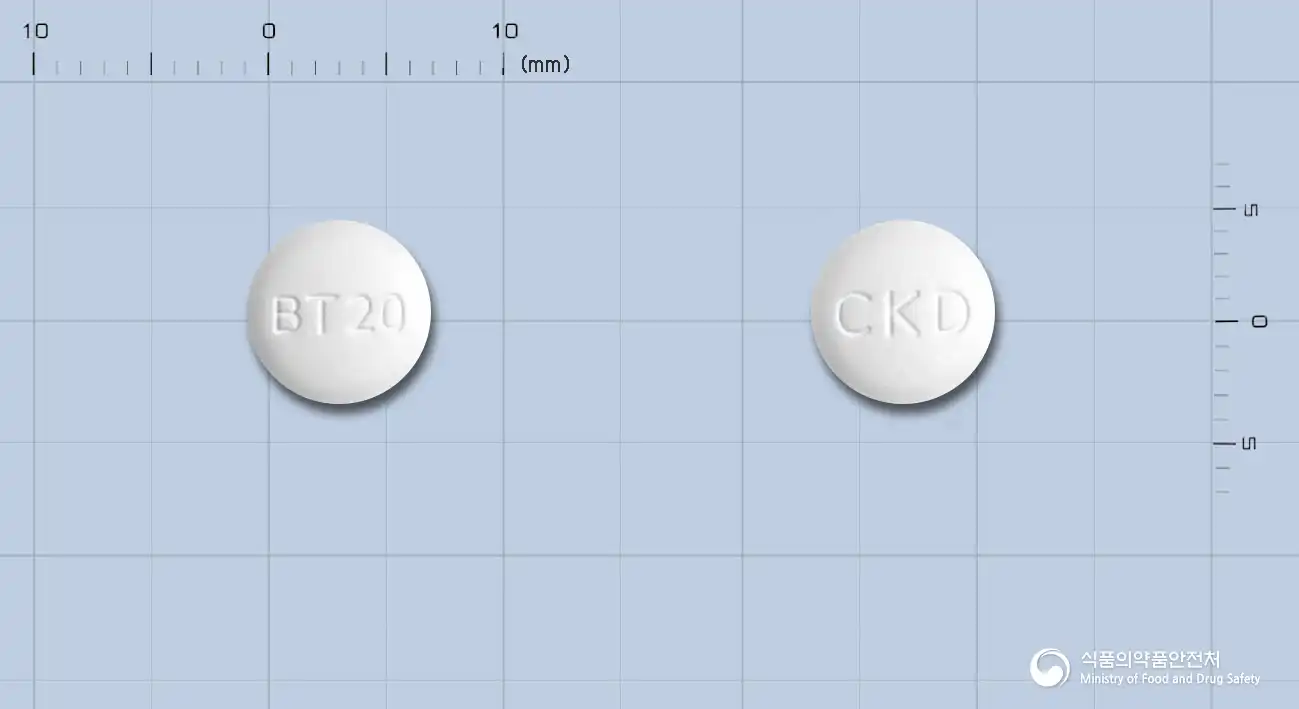
Olmesartan Medoxomil 20mg
Tablet · Prescription medication
Jongkundang Co., Ltd.
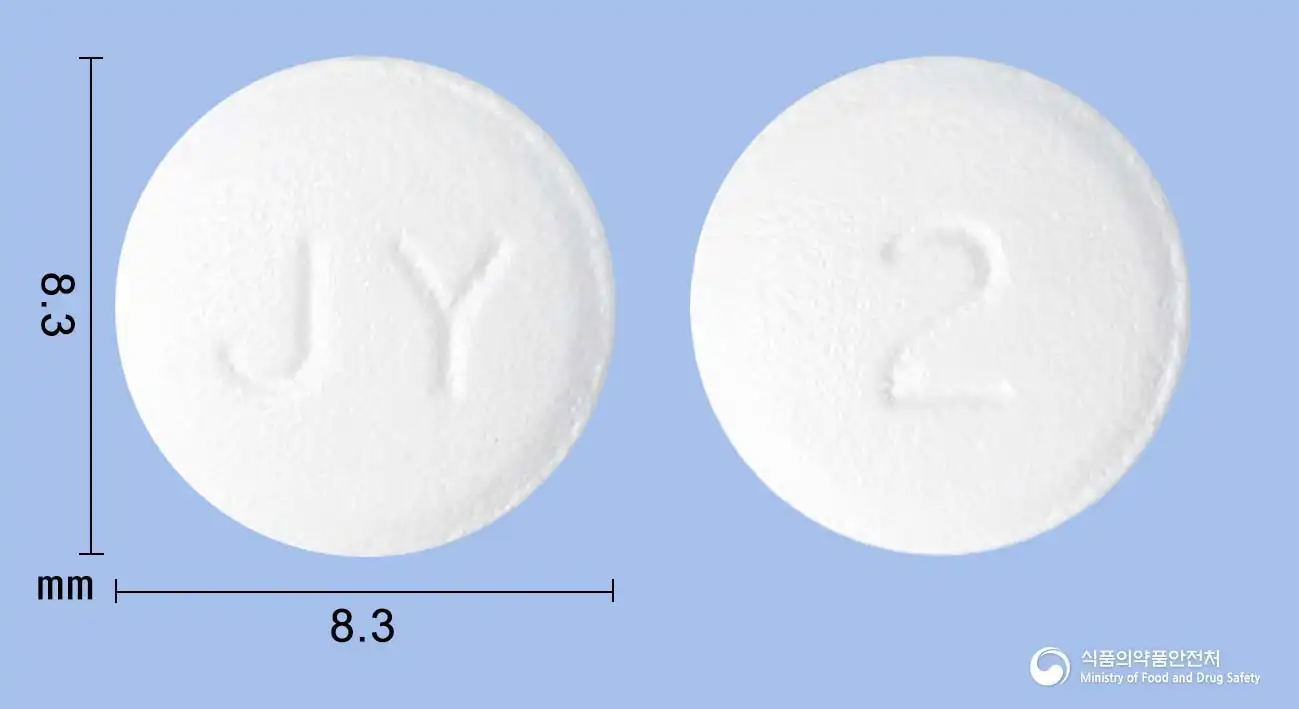
Olmesartan Medoxomil 20mg
Tablet · Prescription medication
Jinyang Pharmaceutical Co., Ltd.
Even with the same ingredient, the dose and directions can differ by strength and dosage form. Talk to a doctor or pharmacist before switching from a medication you are already taking.
No questions yet.
For anything that needs medical judgment, consult a doctor or pharmacist.
This drug information is based on data provided by the Korea Ministry of Food and Drug Safety.
Consult a doctor or pharmacist for accurate dosage, administration, and usage instructions.