
 한국어
한국어 English
 日本語
日本語 中文(简体)
 Viewing now
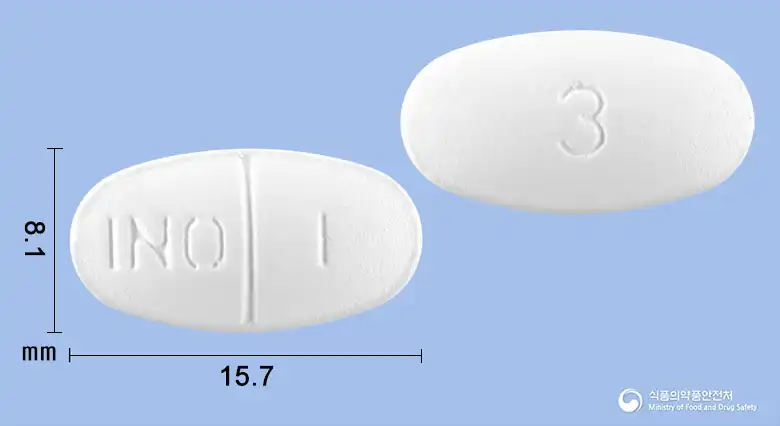
Innoen Abel Tablet 300 Milligrams (Irbesartan)
Irbesartan 300mg
Tablet · Prescription medication
HK InnoEN Co., Ltd.
MFDS item code 201101761 · Notified 2011.03.29 · Insurance code 640006020
Prevention of kidney disease in patients with essential hypertension and type 2 diabetes
This medication helps effectively lower blood pressure in patients with essential hypertension. It is also used to manage kidney disease in patients with hypertension and type 2 diabetes. By controlling blood pressure and protecting kidney health, it contributes to improving the overall treatment efficacy for patients. Therefore, it is widely used in the treatment of essential hypertension and diabetic kidney disease accompanying hypertension.
For essential hypertension, adults should take Irbesartan at a dose of 150 mg orally once daily, increasing up to 300 mg if the effect is insufficient. For kidney disease in patients with hypertension and type 2 diabetes, it is recommended to start with 150 mg orally once daily and maintain up to 300 mg. In elderly patients (aged 75 and older) and patients on dialysis, an initial dose of 75 mg may be considered.
This medication can pose a serious risk to the fetus during pregnancy, so it must be discontinued immediately if pregnancy is confirmed. Women who may become pregnant or are breastfeeding should not take this medication. It should not be administered to patients with hypersensitivity to this medication or certain genetic disorders, or severe liver impairment. Caution should be exercised for specific patient groups such as the elderly, patients with compromised liver function, and patients with reduced kidney function, and blood pressure, kidney function, and electrolyte status should be monitored periodically. Since blood pressure may drop sharply, special caution is necessary when first starting this medication or when taken together with other antihypertensive agents. This medication may cause hyperkalemia, so patients with high potassium levels or those taking potassium supplements should exercise caution. There may be drug interactions, so especially if taking diuretics, potassium-sparing diuretics, lithium, or non-steroidal anti-inflammatory drugs, consult a physician. Dizziness or fatigue may occur while taking this medication, so caution is needed when driving or operating machinery. In case of overdose, symptoms such as hypotension and tachycardia may occur, so consult healthcare professionals immediately if any abnormal symptoms arise. Keep out of reach of children and do not transfer to other containers for safety.
Hives, severe swelling (edema), angioedema, anaphylactic shock, severe rash accompanied by high fever, blisters, skin peeling, pain in the mucous membranes of the mouth/eyes, shortness of breath or difficulty breathing, asthma attack, respiratory distress accompanied by cough and fever, yellowing of the skin or eyes (jaundice), extreme fatigue throughout the body, sudden and severe headache, thunderclap headache, seizures, confusion, visual disturbances, paralysis, significantly reduced urine output.
Not everyone experiences these, and they can vary from person to person.
This medication should be stored in a tightly closed container to prevent exposure to air and moisture. Additionally, it is recommended to store it in a cool and dry place below 30 degrees Celsius.
White or almost white, oval film-coated tablet with both sides convex
30 tablets/bottle
Even with the same ingredient, strength, dosage form and how it is taken can differ.
Viewing nowIrbesartan 300mg
Tablet · Prescription medication
HK InnoEN Co., Ltd.
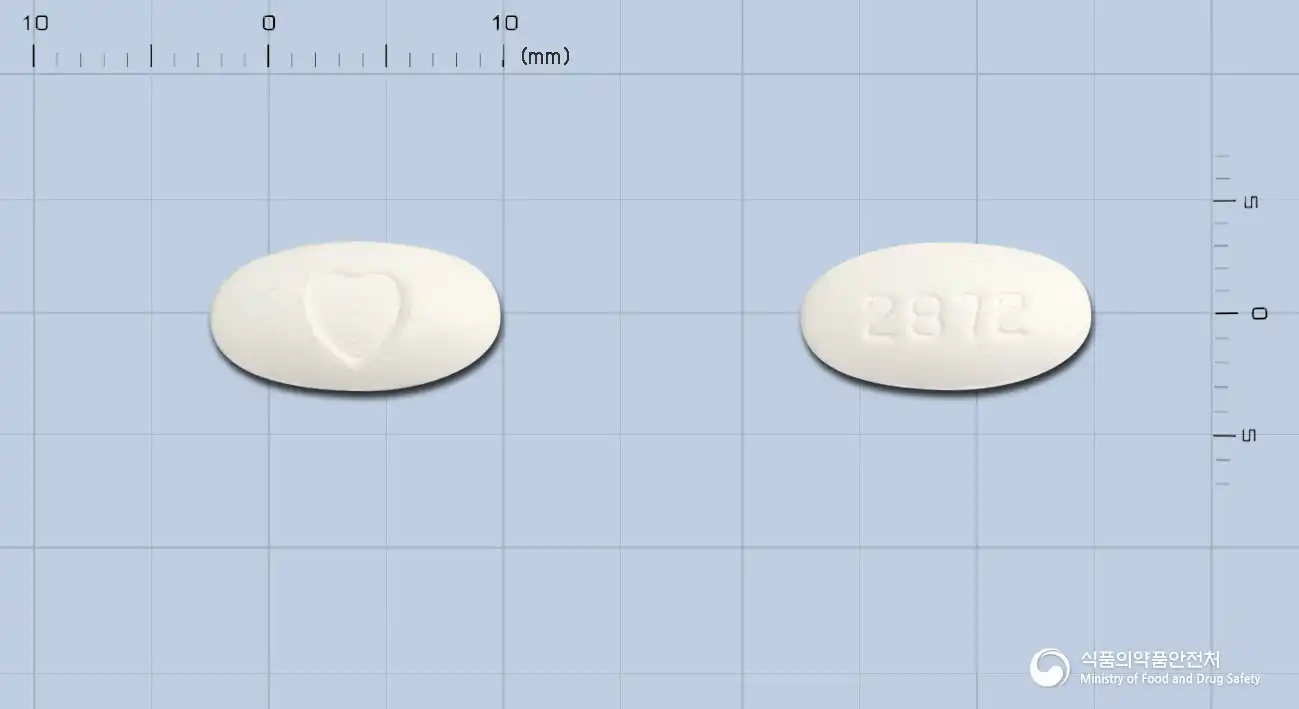
Irbesartan 150mg
Tablet · Prescription medication
Handok Co., Ltd.
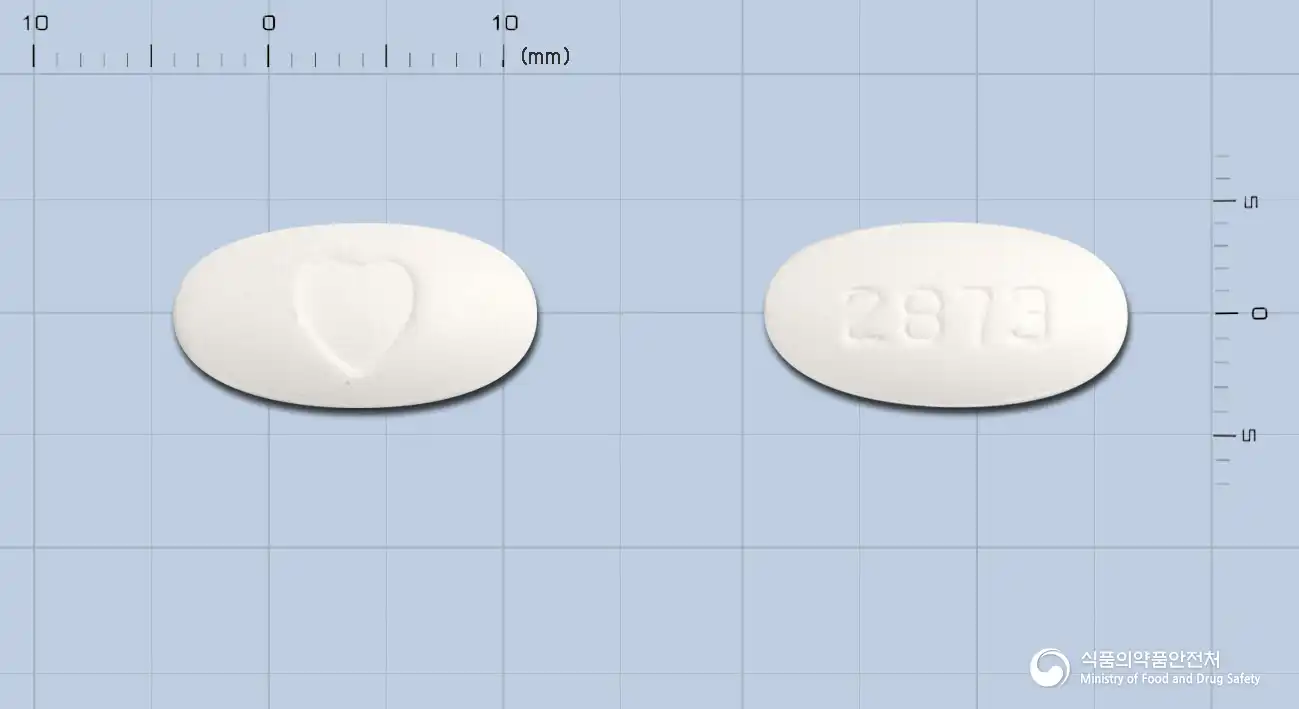
Irbesartan 300mg
Tablet · Prescription medication
Handok Co., Ltd.
Irbesartan 150mg
Tablet · Prescription medication
Hanwha Pharmaceutical Co., Ltd.
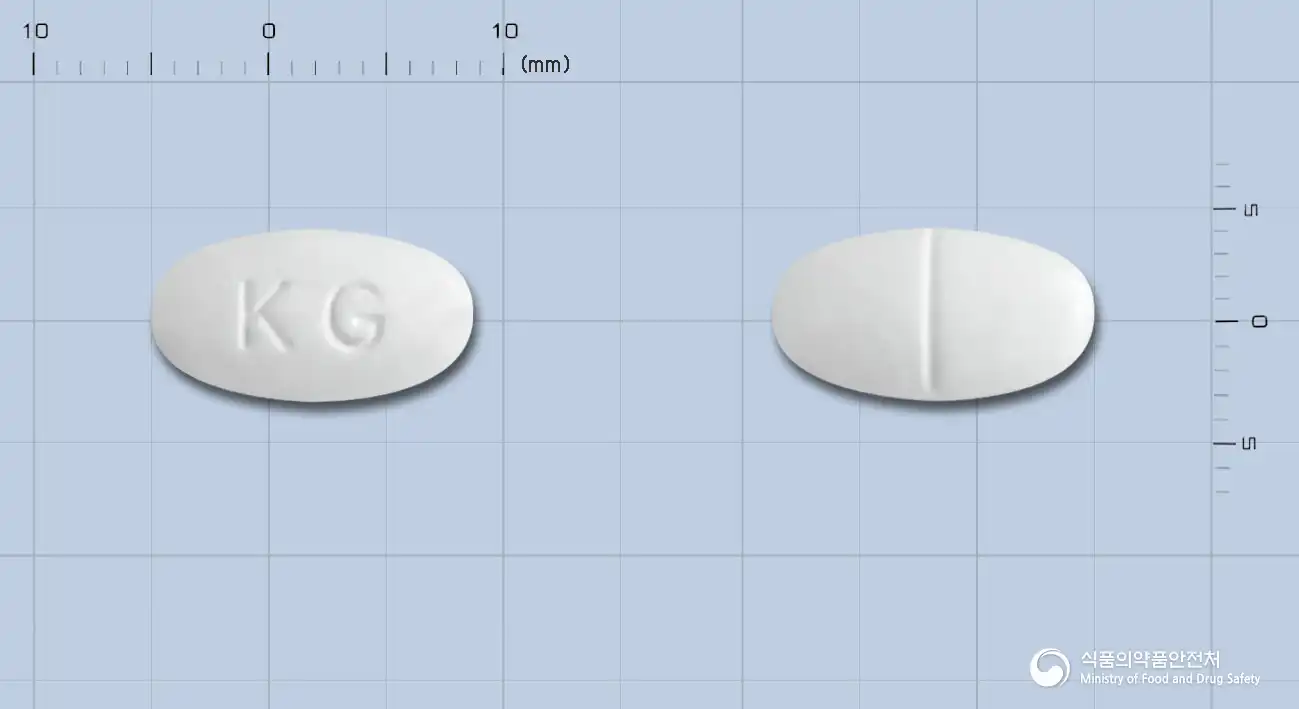
Irbesartan 150mg
Tablet · Prescription medication
Kips Biopharma Co., Ltd.
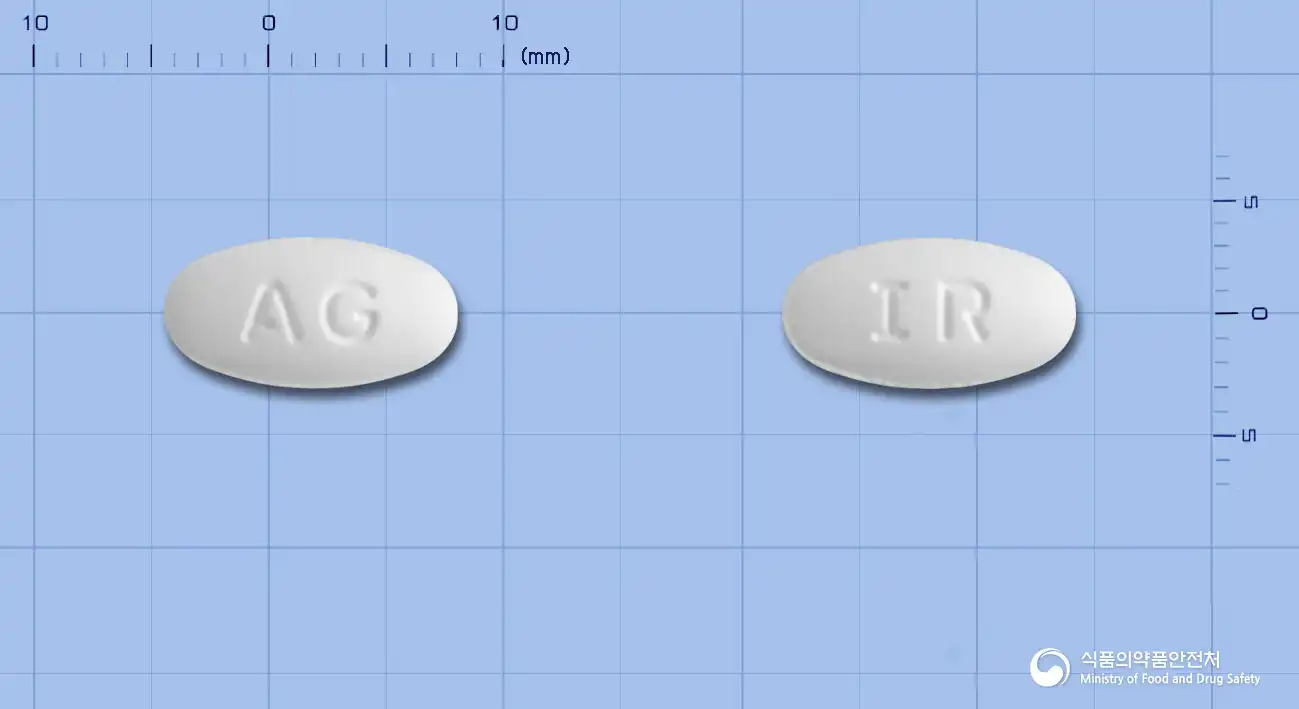
Irbesartan 150mg
Tablet · Prescription medication
Anguk Pharmaceutical Co., Ltd.
Irbesartan 150mg
Prescription medication
Bionex Co., Ltd.
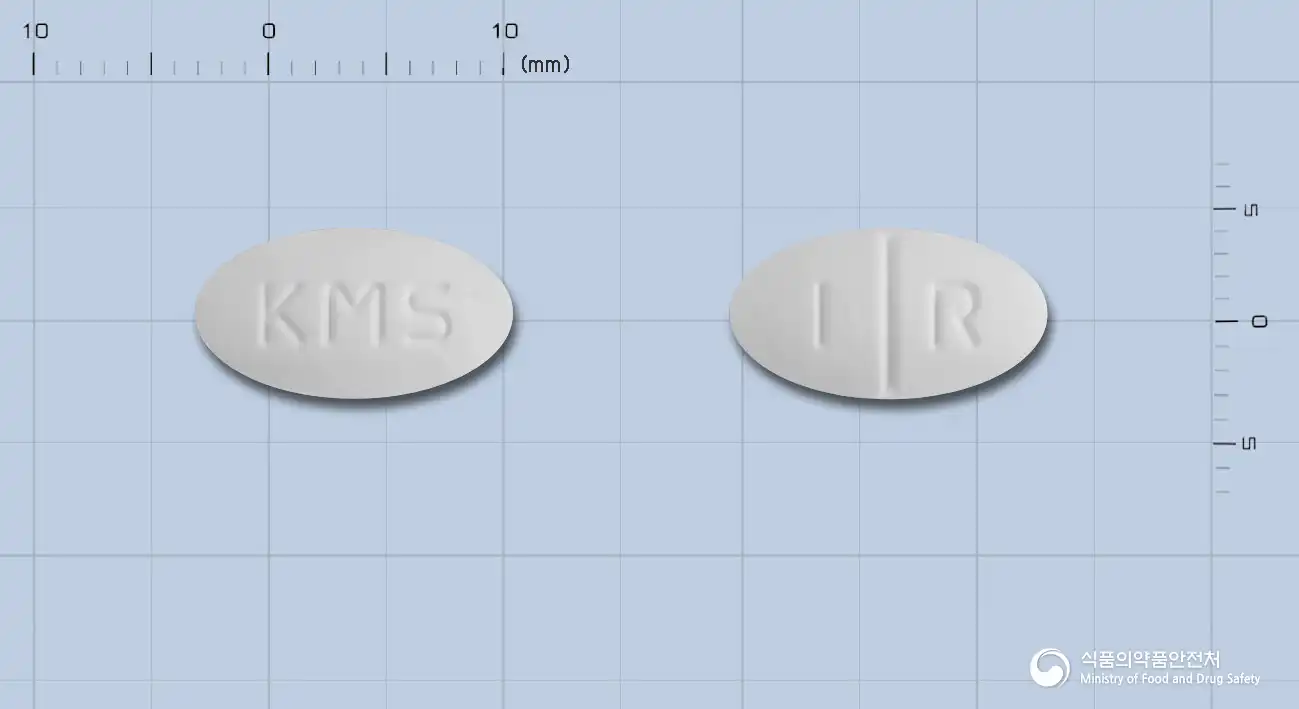
Irbesartan 150mg
Tablet · Prescription medication
KMS Pharmaceutical Co., Ltd.
Even with the same ingredient, the dose and directions can differ by strength and dosage form. Talk to a doctor or pharmacist before switching from a medication you are already taking.
No questions yet.
For anything that needs medical judgment, consult a doctor or pharmacist.
This drug information is based on data provided by the Korea Ministry of Food and Drug Safety.
Consult a doctor or pharmacist for accurate dosage, administration, and usage instructions.