
 한국어
 English
 日本語
 中文(简体)
 Viewing now
Dezartan Tablets 8mg (Candesartan Cilexetil)
Candesartan Cilexetil 8mg
Tablet · Prescription medication
Hanmi Pharmaceutical Co., Ltd.
MFDS item code 201101758 · Approved 2011.03.29 · Insurance code 643505910
Treatment of essential hypertension and heart failure with reduced left ventricular systolic function
This medication is used to control blood pressure in patients with essential hypertension. Additionally, it helps in patients with heart failure who require further treatment beyond ACE inhibitors or who have poor tolerance to ACE inhibitors. Therefore, it is effectively used for hypertension management and improving cardiac function in specific heart failure patients.
(Tablets) Take this medicine at the same time each day, with or without food. 1. Essential hypertension 1) Adults: The recommended initial and maintenance dose is 8 ∼ 16 mg of candesartan cilexetil orally once daily. If blood pressure is not adequately controlled after 4 weeks of treatment with 16 mg once daily, the dose may be increased to a maximum of 32 mg once daily. If blood pressure is still not controlled at this dose, another treatment should be considered. The maximum effect occurs within 4 weeks of starting treatment. 2) Elderly patients: No adjustment of the initial dose is necessary. 3) Patients with reduced effective intravascular volume (Intravascular volume depletion): Administer an initial dose of 4 mg, with careful monitoring in patients at increased risk of hypotension, such as those with reduced effective blood volume. 4) Patients with renal impairment: The initial dose in patients with renal impairment, including those receiving hemodialysis, is 4 mg; adjust the dose according to the patient's response. Experience with use in patients with severe or end-stage renal impairment (creatinine clearance < 15 mL/min) is limited. 5) Patients with hepatic impairment: The initial dose in patients with mild to moderate hepatic impairment is 2 mg once daily; adjust the dose according to the patient's response. There is no experience with use in patients with severe hepatic impairment. 2. Heart failure 1) Adults: An initial dose of 4 mg once daily is recommended. Double the dose at intervals of at least 2 weeks; the dose may be increased to a maximum of 32 mg once daily, according to the patient's tolerability. 2) Elderly patients, patients with reduced effective intravascular volume, patients with renal impairment, and patients with mild ∼ moderate hepatic impairment: No adjustment of the initial dose is necessary.
1. Essential hypertension The safety and efficacy in adolescents and children aged 18 years and younger have not been established. 2. Heart failure The safety and efficacy in adolescents and children aged 18 years and younger have not been established.
This medication can cause serious harm to the fetus or newborn if taken during pregnancy, so it should be discontinued immediately upon confirmation of pregnancy. It should not be used by women who are pregnant or breastfeeding, patients with severe liver impairment, or individuals with certain hereditary diseases. Elderly patients, those with weakened kidney function, and patients with hyperkalemia should use this medication cautiously, and blood pressure and kidney function must be monitored frequently. During treatment, side effects such as dizziness, back pain, and respiratory infections may occur, and in severe cases treatment may need to be discontinued. Patients with heart failure may experience side effects such as hypotension, hyperkalemia, and worsening kidney function while taking this medication, thus regular check-ups are necessary. Since this medication lowers blood pressure, care should be taken if symptoms of excessively low blood pressure or dizziness occur. There may be interactions if taken with other antihypertensives, diuretics, or potassium supplements, so consultation with a doctor or pharmacist is essential. It is advisable for pregnant or breastfeeding women not to take this medication, and if it must be taken, breastfeeding should be discontinued. The safety and efficacy in patients under 18 years of age have not been sufficiently established. In case of overdose, symptoms such as hypotension, dizziness, and rapid heartbeat may occur, requiring immediate medical treatment. This medication should be kept out of reach of children and should not be transferred to other containers.
Not everyone experiences these, and they can vary from person to person.
This medication should be stored in a tightly closed container to protect it from air and moisture. It is recommended to maintain a storage temperature between 1°C and 30°C at room temperature, as this helps preserve the effectiveness and safety of the medication for a longer duration.
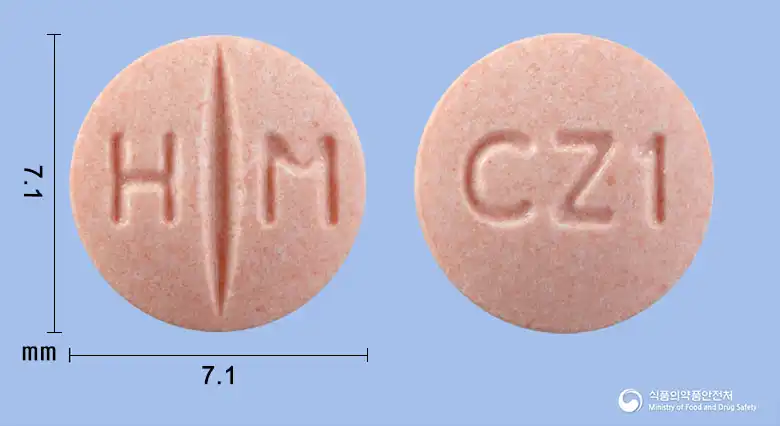
A bright pink tablet that is round, biconvex, with a dividing line on one side.
1 bottle/box [30 tablets/bottle], 1 bottle/box [300 tablets/bottle]
Even with the same ingredient, strength, dosage form and how it is taken can differ.
Viewing nowCandesartan Cilexetil 8mg
Tablet · Prescription medication
Hanmi Pharmaceutical Co., Ltd.
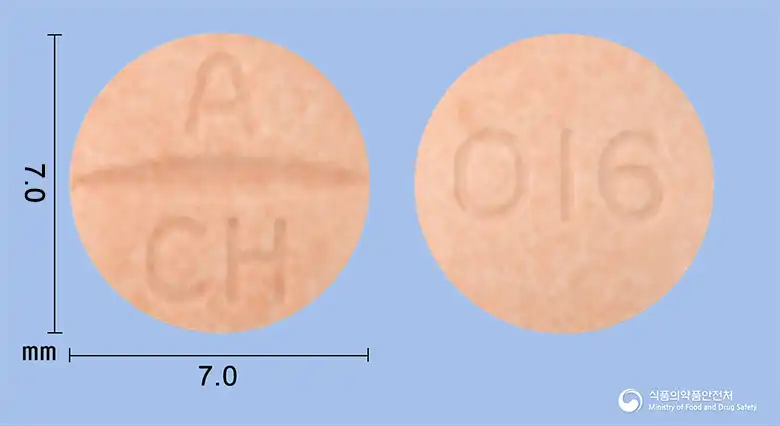
Candesartan Cilexetil 16mg
Tablet · Prescription medication
Yuhans Chemical Co., Ltd.
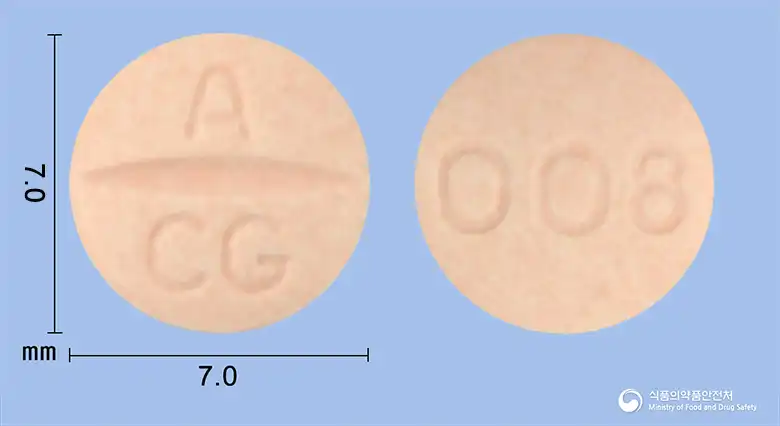
Candesartan Cilexetil 8mg
Tablet · Prescription medication
Yuhan Corporation
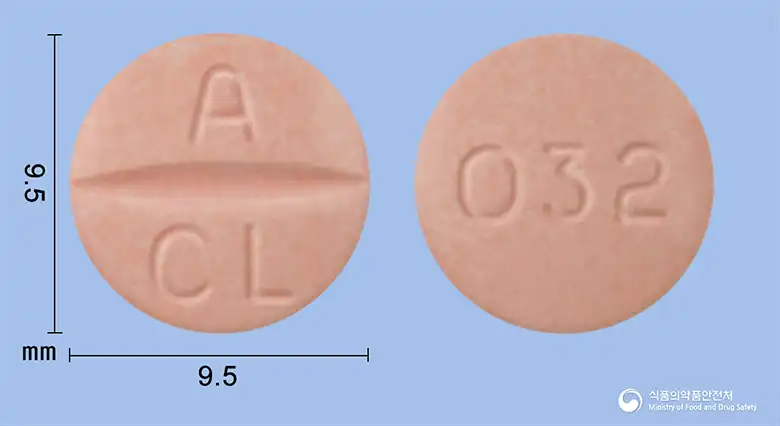
Candesartan Cilexetil 32mg
Tablet · Prescription medication
DKSH Korea Co., Ltd.
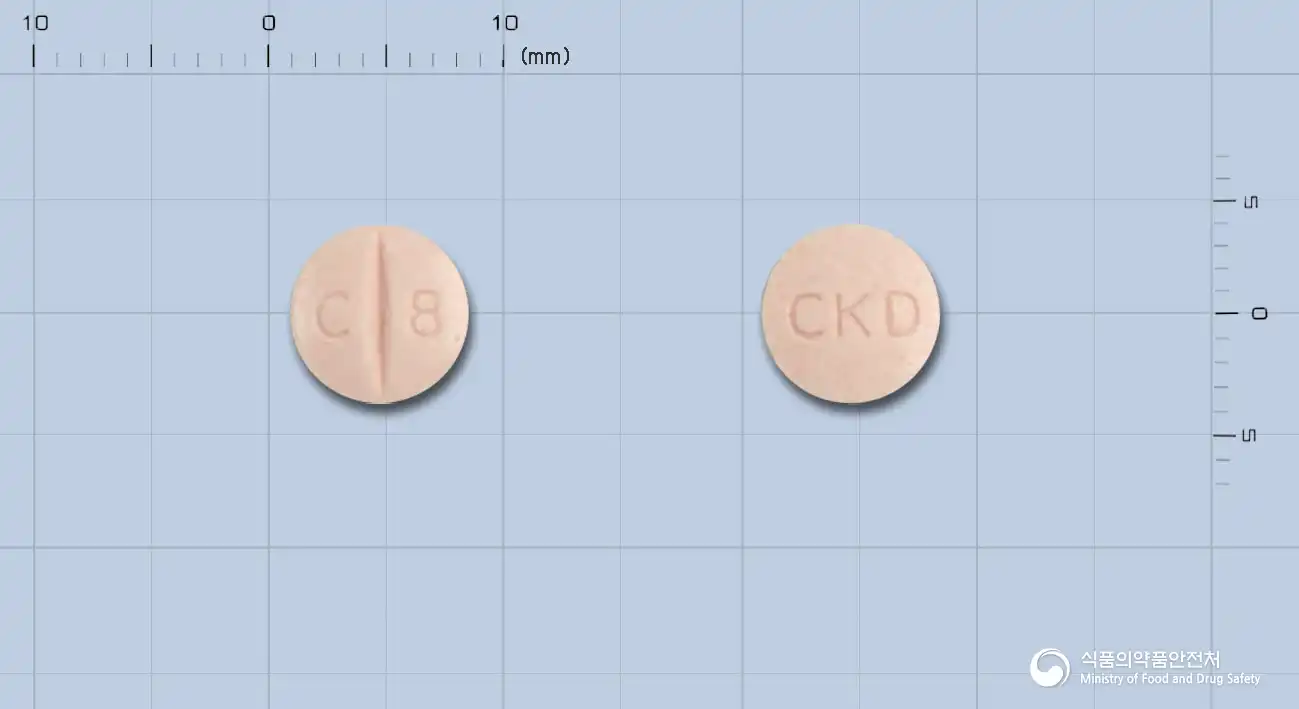
Candesartan Cilexetil 8mg
Tablet · Prescription medication
Jong Kun Dang Co., Ltd.
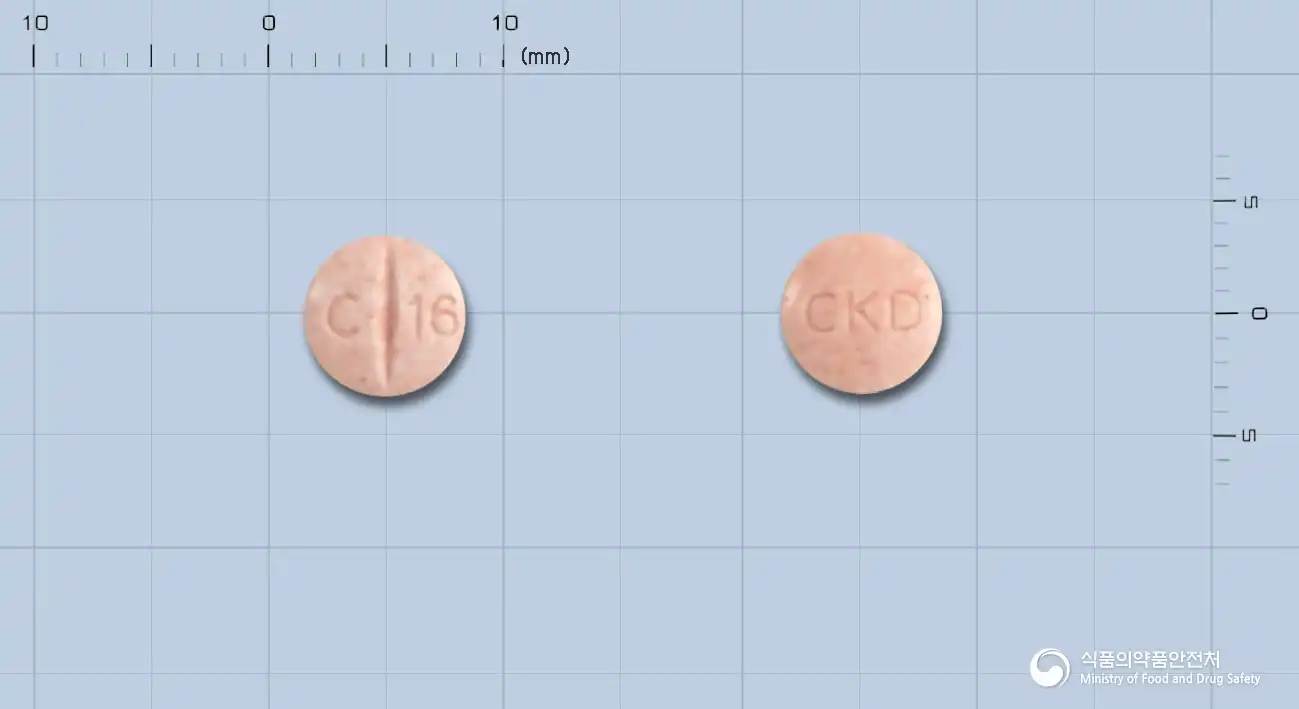
Candesartan Cilexetil 16mg
Tablet · Prescription medication
Jongkundang Co., Ltd.
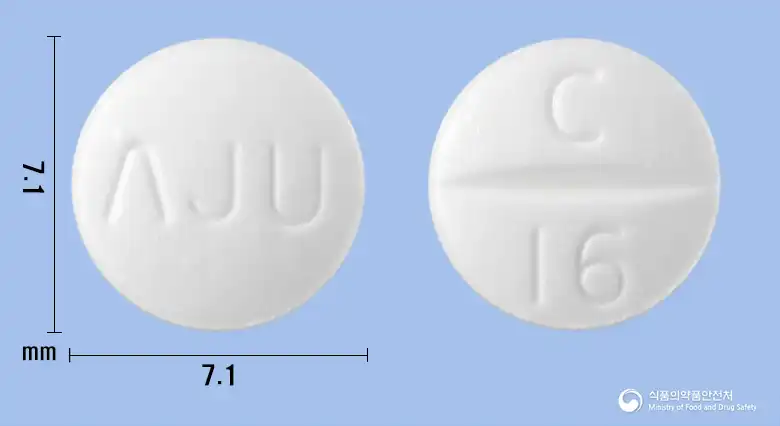
Candesartan Cilexetil 16mg
Tablet · Prescription medication
Ajou Pharmaceutical Co., Ltd.
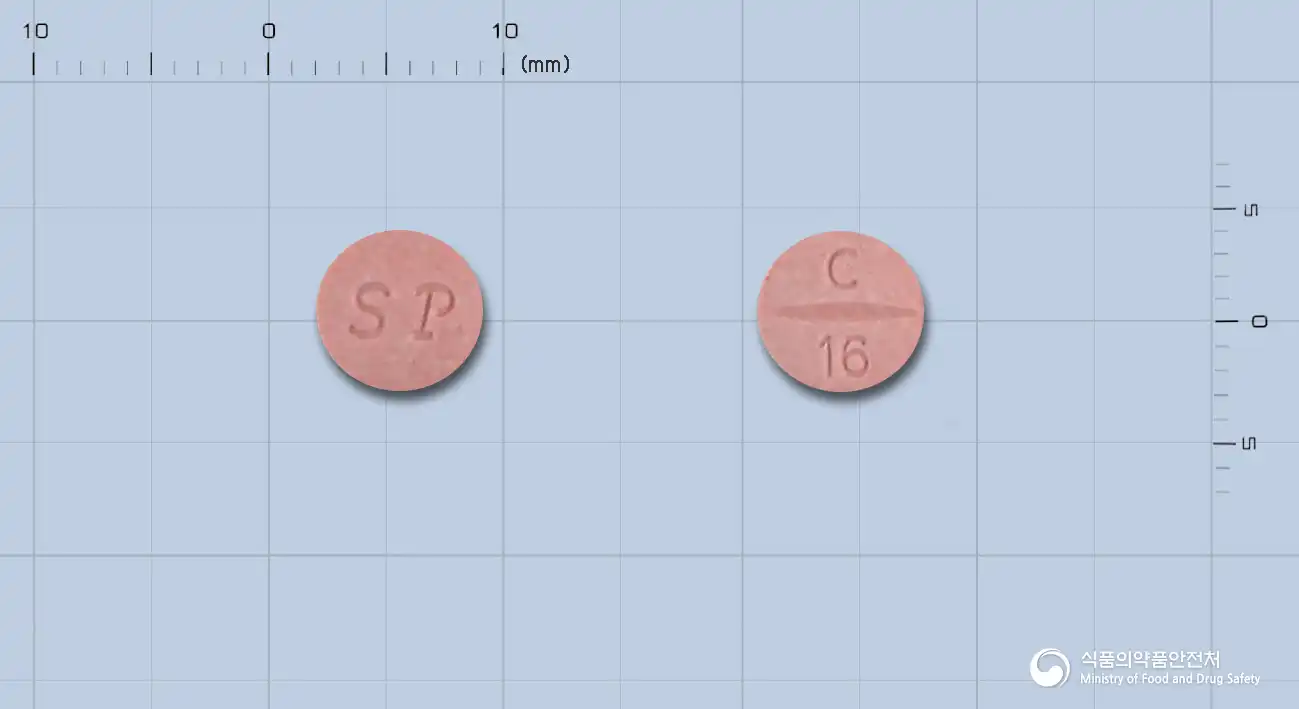
Candesartan Cilexetil 16mg
Tablet · Prescription medication
ShinPoong Pharmaceutical Co., Ltd.
Even with the same ingredient, the dose and directions can differ by strength and dosage form. Talk to a doctor or pharmacist before switching from a medication you are already taking.
No questions yet.
For anything that needs medical judgment, consult a doctor or pharmacist.
This drug information is based on data provided by the Korea Ministry of Food and Drug Safety.
Consult a doctor or pharmacist for accurate dosage, administration, and usage instructions.