
 한국어
한국어 English
 日本語
日本語 中文(简体)
 Viewing now
Irbesartan 300 mg Tablets
Irbesartan 300mg
Tablet · Prescription medication
Hanmi Pharmaceutical Co., Ltd.
MFDS item code 201101756 · Approved 2011.03.29
Improvement of kidney disease in patients with essential hypertension and type 2 diabetes
This medication is used to control blood pressure in patients with essential hypertension. It is also used as a treatment to slow the progression of kidney disease in patients with hypertension and type 2 diabetes. It helps with blood pressure management and protecting kidney function.
Essential Hypertension Adults: 150 mg of Irbesartan orally once daily, and the dosage can be increased to 300 mg if the effect is insufficient. Generally, the 24-hour blood pressure control effect is better with 150 mg than with 75 mg; however, in special cases (initial treatment, hemodialysis patients, or elderly patients over 75 years old), 75 mg may be considered.
This medication should not be used in pregnant women. If pregnancy is confirmed, the medication should be stopped immediately, as it can cause serious harm to the fetus and newborn. Patients with an allergy to this medication, severely impaired liver function, pregnant or breastfeeding women, or those with a history of angioedema should not take this medication. Elderly patients, those with mildly impaired liver function, and patients with heart or kidney disease should use this medication with caution, as there is a risk of too low blood pressure or worsening kidney function. Mild side effects such as dizziness, fatigue, headache, indigestion, and cough may occur when taking this medication, but most are temporary. However, if symptoms of angioedema such as swelling of the face, lips, or tongue occur, the medication should be stopped immediately and medical help should be sought. Due to the possibility of elevated potassium levels in the blood, caution should be exercised when taking together with potassium-containing medications or supplements, and potassium levels should be monitored through regular blood tests. Additionally, when taken with other antihypertensive medications or diuretics, there is a risk of excessively low blood pressure, so the dosage should be adjusted according to a doctor's instructions. Regular function tests should be conducted if there are issues with liver or kidney function, and the medication should be stopped if abnormalities are found. There may be dizziness or fatigue when driving or operating machinery, so caution is advised. Patients receiving diabetes treatment or those with symptoms of hypoglycemia should consult a healthcare professional before taking this medication, as it can induce hypoglycemia. In case of overdose, blood pressure may drop excessively and heart rhythms may become irregular, so if symptoms appear, contact a medical facility immediately. The safety and efficacy of this medication have not been confirmed in children, so it is advisable not to use it. This medication should be kept out of reach of children, and care should be taken not to transfer it to other containers as this may affect quality.
Hives, severe swelling (edema), difficulty breathing, angioedema, anaphylactic shock, severe rash with high fever, blisters, skin peeling, pain in mucous membranes of mouth/eyes, yellow discoloration of skin or eyes (jaundice), extreme fatigue, sudden and severe headache, thunderclap headache, seizures, confusion, visual disturbances, paralysis, significantly decreased urine output, severe swelling throughout the body with accompanying increased blood pressure, shock
Not everyone experiences these, and they can vary from person to person.
This medication may be sensitive to air and moisture, so it should be stored in a tightly sealed container. Also, keep it in a cool, dry place below 30 degrees Celsius to maintain its efficacy and safety.
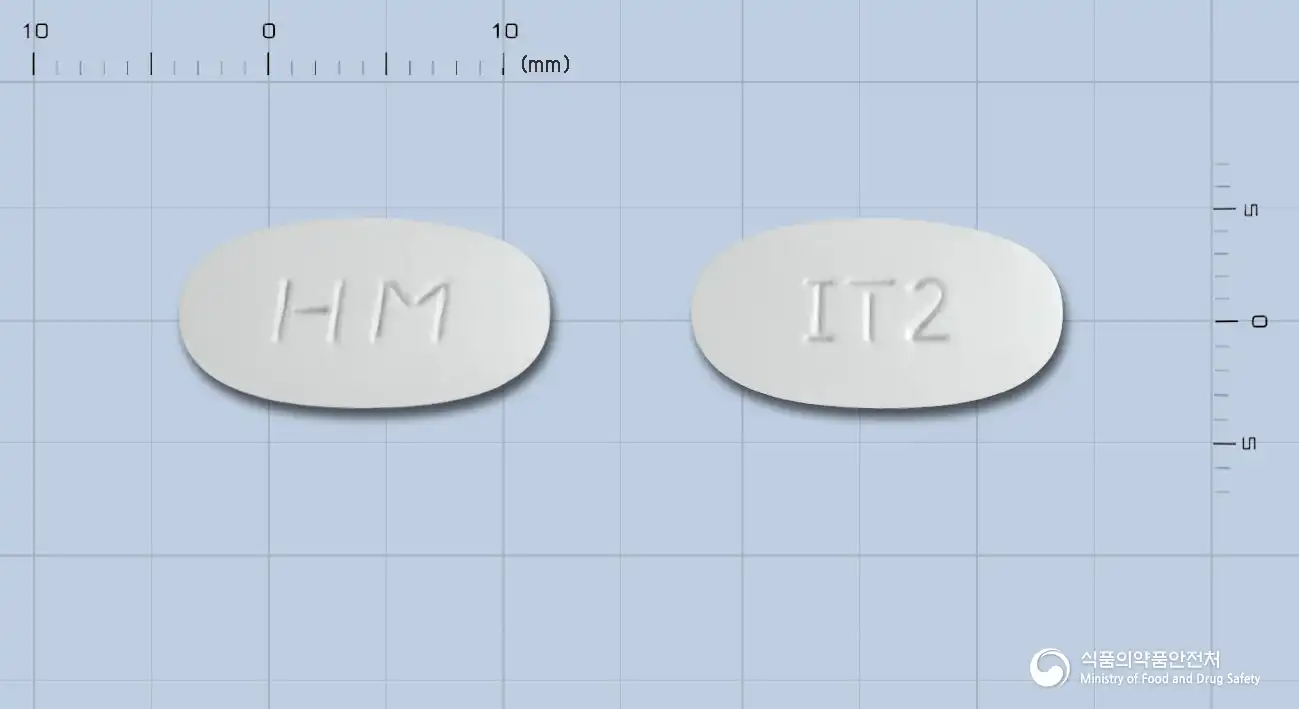
White oval film-coated tablets
30 tablets/bottle
Even with the same ingredient, strength, dosage form and how it is taken can differ.
Viewing nowIrbesartan 300mg
Tablet · Prescription medication
Hanmi Pharmaceutical Co., Ltd.
Irbesartan 150mg
Tablet · Prescription medication
Handok Co., Ltd.
Irbesartan 300mg
Tablet · Prescription medication
Handok Co., Ltd.
Irbesartan 150mg
Tablet · Prescription medication
Hanwha Pharmaceutical Co., Ltd.
Irbesartan 150mg
Tablet · Prescription medication
Kips Biopharma Co., Ltd.
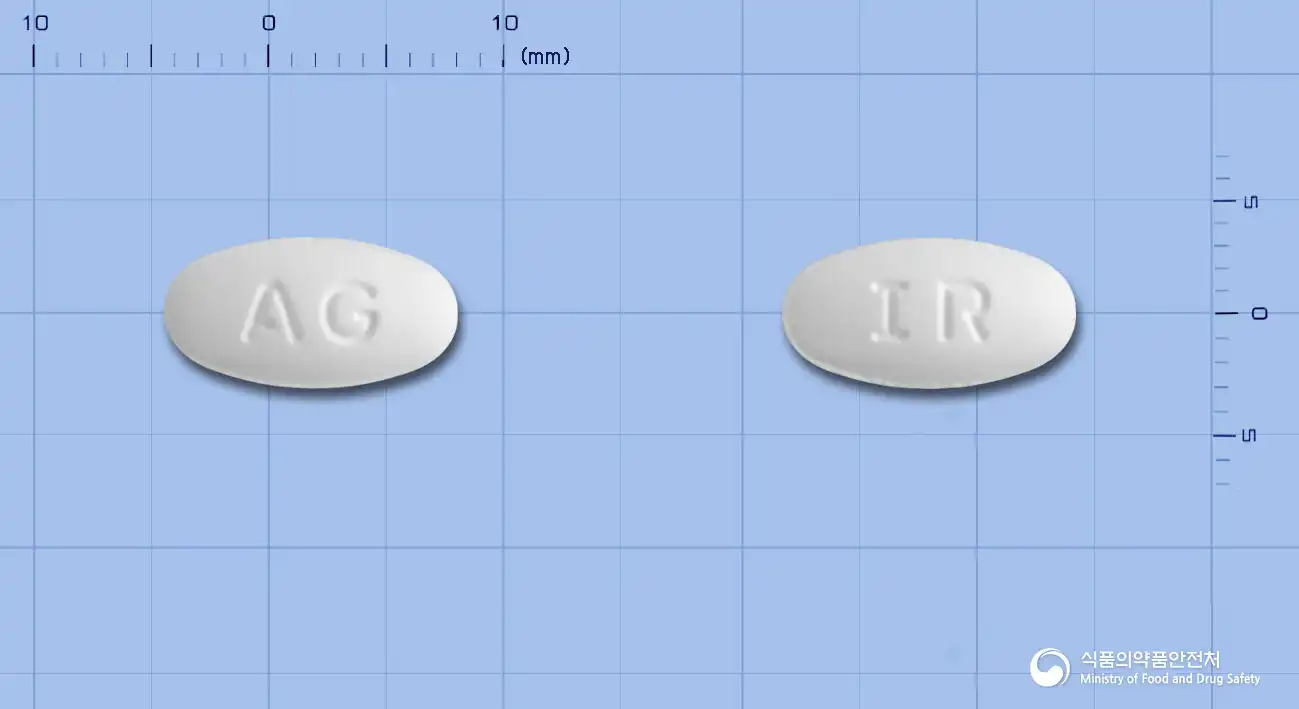
Irbesartan 150mg
Tablet · Prescription medication
Anguk Pharmaceutical Co., Ltd.
Irbesartan 150mg
Prescription medication
Bionex Co., Ltd.
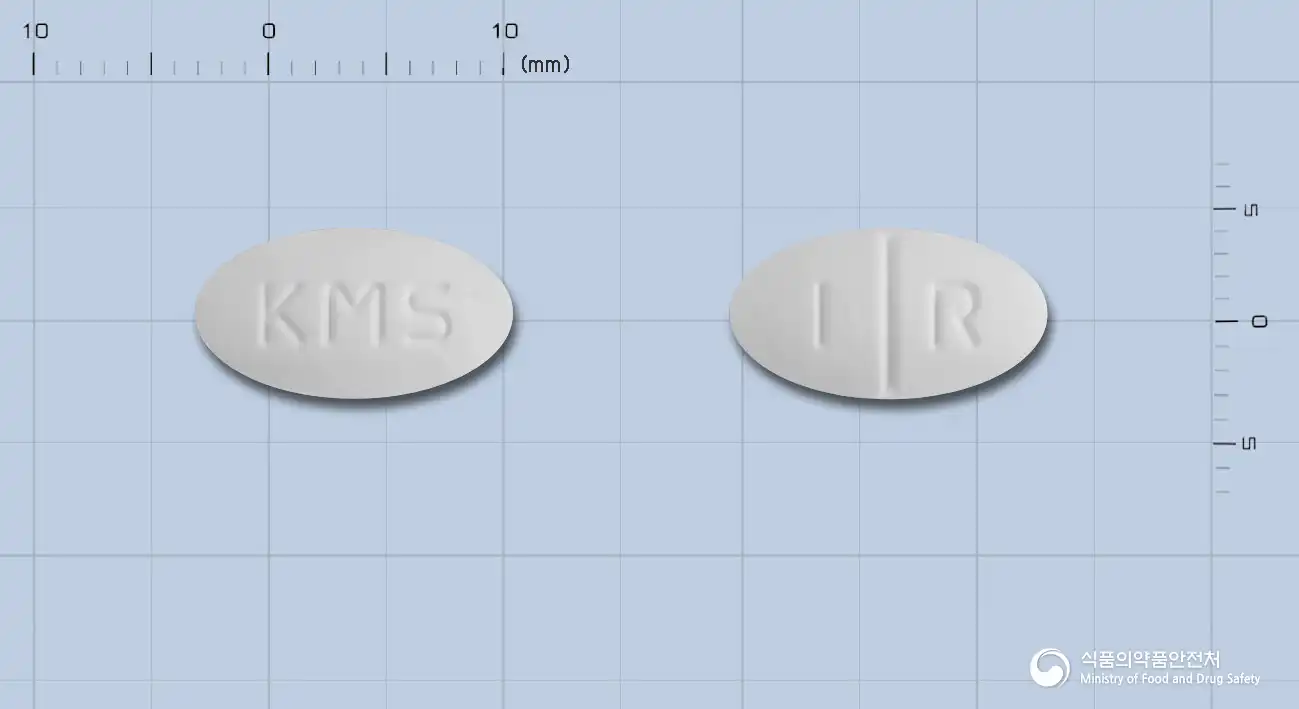
Irbesartan 150mg
Tablet · Prescription medication
KMS Pharmaceutical Co., Ltd.
Even with the same ingredient, the dose and directions can differ by strength and dosage form. Talk to a doctor or pharmacist before switching from a medication you are already taking.
No questions yet.
For anything that needs medical judgment, consult a doctor or pharmacist.
This drug information is based on data provided by the Korea Ministry of Food and Drug Safety.
Consult a doctor or pharmacist for accurate dosage, administration, and usage instructions.