
 한국어
한국어 English
 日本語
日本語 中文(简体)
Dosage form image
Viewing nowIsabel Tanjeong 150 mg (Irbesartan)
Irbesartan 150mg
Tablet · Prescription medication
Jongkundang Co., Ltd.
MFDS item code 201101643 · Approved 2011.03.23
This product's status changed to Expired on 2024.07.01. It may no longer be sold, so consult a doctor or pharmacist before taking it.
Improvement of kidney disease in patients with essential hypertension and type 2 diabetes
This medication is used for patients with essential hypertension, i.e., primary hypertension. It is also beneficial for treating kidney disease caused by hypertension in patients with type 2 diabetes. Therefore, it is effectively used for managing hypertension and preventing complications of diabetes.
For the treatment of essential hypertension in adults, the recommended starting dose of irbesartan is 150 mg orally once daily, which may be increased to 300 mg if necessary. In special cases (such as at the start of treatment, in patients on dialysis, or in elderly patients over 75), a dose of 75 mg may be considered. For treating kidney disease in patients with hypertension and type 2 diabetes, 150 mg once daily is to be initiated, and can be increased to 300 mg. In elderly patients (75 years and older),
This medication must not be administered to pregnant women as it can cause serious harm to the fetus and newborn. If pregnancy is confirmed, use should be discontinued immediately. Individuals with allergies to this medication or its components should not take it. Also, patients with severe liver disease, those with hereditary angioedema or a history of angioedema while on ACE inhibitors or angiotensin II receptor antagonists should avoid this medication. Patients with genetic issues such as galactose intolerance, Lapp lactase deficiency, or glucose-galactose malabsorption should also not be administered this medication. For diabetic patients with moderate to severe renal impairment or those on ACE inhibitors for diabetic nephropathy, it is advisable to avoid this medication in combination. Elderly patients, those with hyperkalemia, mild to moderate liver impairment, specific heart diseases, patients with volume depletion, renal artery hypertension, and patients with renal dysfunction should use this medication cautiously, with regular monitoring of blood pressure, renal function, and electrolyte status. Generally, this medication has mild and temporary side effects, but symptoms such as headaches, dizziness, fatigue, diarrhea, and rash may occur. Rarely, severe side effects such as angioedema, hyperkalemia, renal failure, liver dysfunction, hypoglycemia, and rhabdomyolysis may occur, so immediate consultation with a doctor is required if any unusual symptoms appear. This medication can be used in conjunction with other antihypertensives, but caution is needed when taken with potassium supplements or potassium-sparing diuretics as it may increase the risk of high potassium levels. When combined with lithium, lithium levels may rise, so serum lithium levels should be monitored closely during co-administration. Co-administration with non-steroidal anti-inflammatory drugs (NSAIDs) may reduce blood pressure-lowering effects and worsen renal function, so caution is particularly needed for the elderly or patients with decreased blood volume. This medication is prohibited for use in pregnant women, and it is recommended to discontinue breastfeeding if lactating. Safety and efficacy in children have not been established, so it is advisable not to use it in pediatric patients. In cases of overdose, symptoms such as hypotension, tachycardia, and bradycardia may occur, and if experienced, immediate treatment is required; it is not removed by dialysis. This medication should be stored out of the reach of children, and transferring it to another container may compromise quality, which should be avoided. Dizziness or fatigue may occur when driving or operating machinery, so caution is necessary. Patients undergoing diabetes treatment may experience hypoglycemic symptoms, so thorough blood glucose management is required, and dosage adjustments for diabetes medications may be necessary.
Hives, severe swelling (edema), angioedema, tightness in the chest, difficulty breathing, cold sweat, pallor, severe allergic reactions, severe rash accompanied by high fever, blisters, skin peeling, pain in the mucous membranes of mouth/eyes, severe adverse skin reactions, shortness of breath or difficulty breathing, asthma attacks, respiratory issues with cough + fever, respiratory problems, yellowing of skin or eyes (jaundice), extreme lethargy, liver abnormalities (jaundice),
Not everyone experiences these, and they can vary from person to person.
This medication should be stored in a well-sealed container to prevent air and moisture exposure. Additionally, it should be kept in a cool, dry place at or below 30 degrees Celsius to maintain its efficacy.
For domestic use: white or nearly white oval film-coated tablets that are convex on both sides For export: oval film-coated tablets that are white or nearly white
30 tablets/bottle
Even with the same ingredient, strength, dosage form and how it is taken can differ.
Irbesartan 150mg
Tablet · Prescription medication
Jongkundang Co., Ltd.
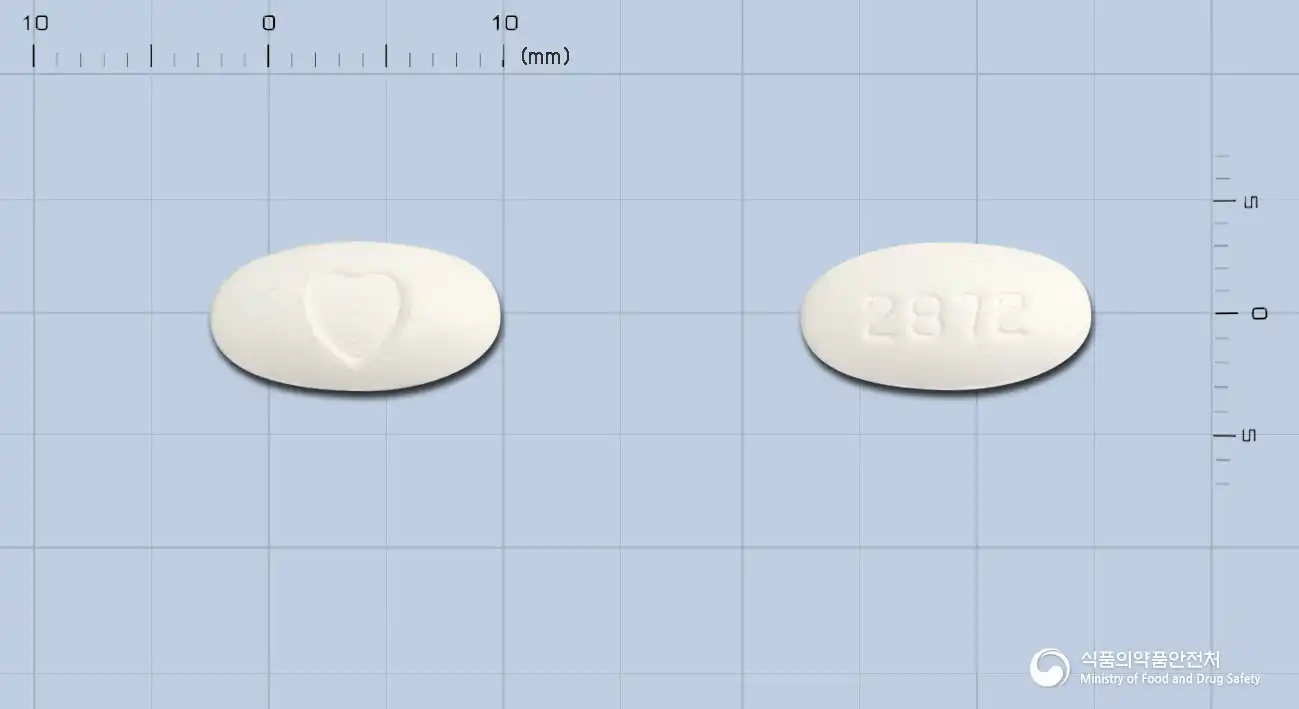
Irbesartan 150mg
Tablet · Prescription medication
Handok Co., Ltd.
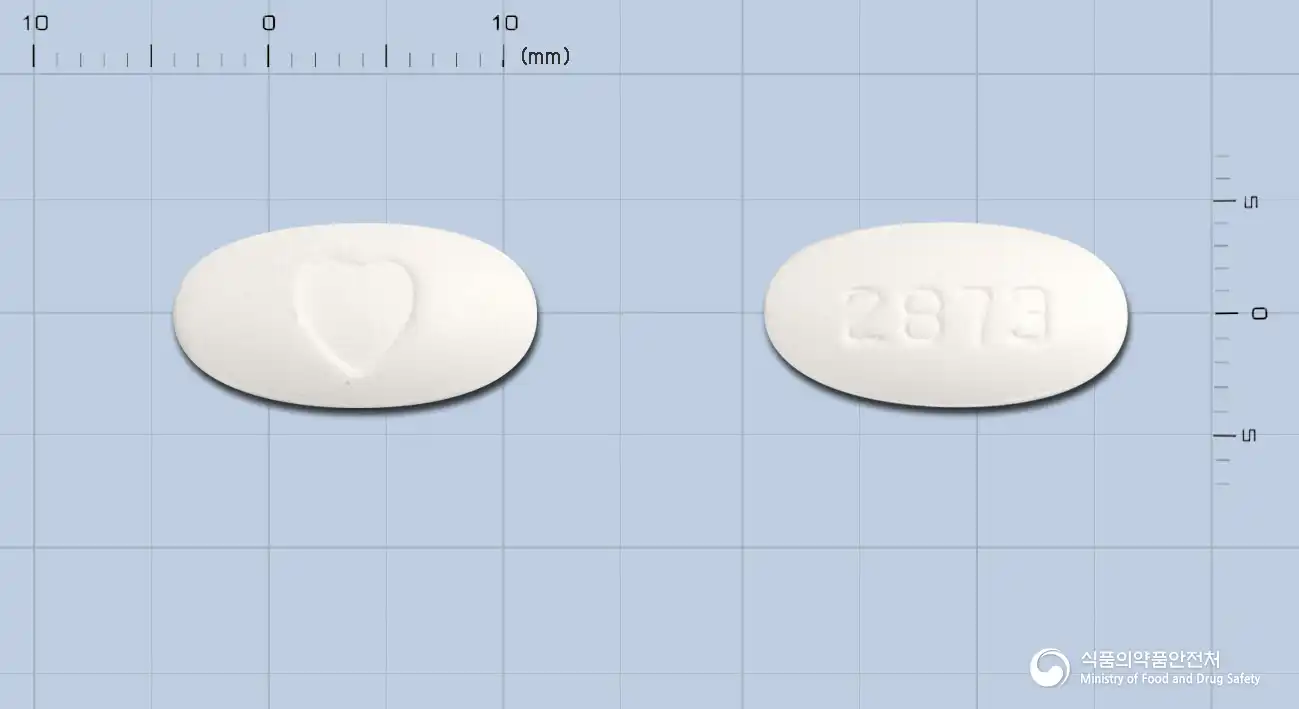
Irbesartan 300mg
Tablet · Prescription medication
Handok Co., Ltd.
Irbesartan 150mg
Tablet · Prescription medication
Hanwha Pharmaceutical Co., Ltd.
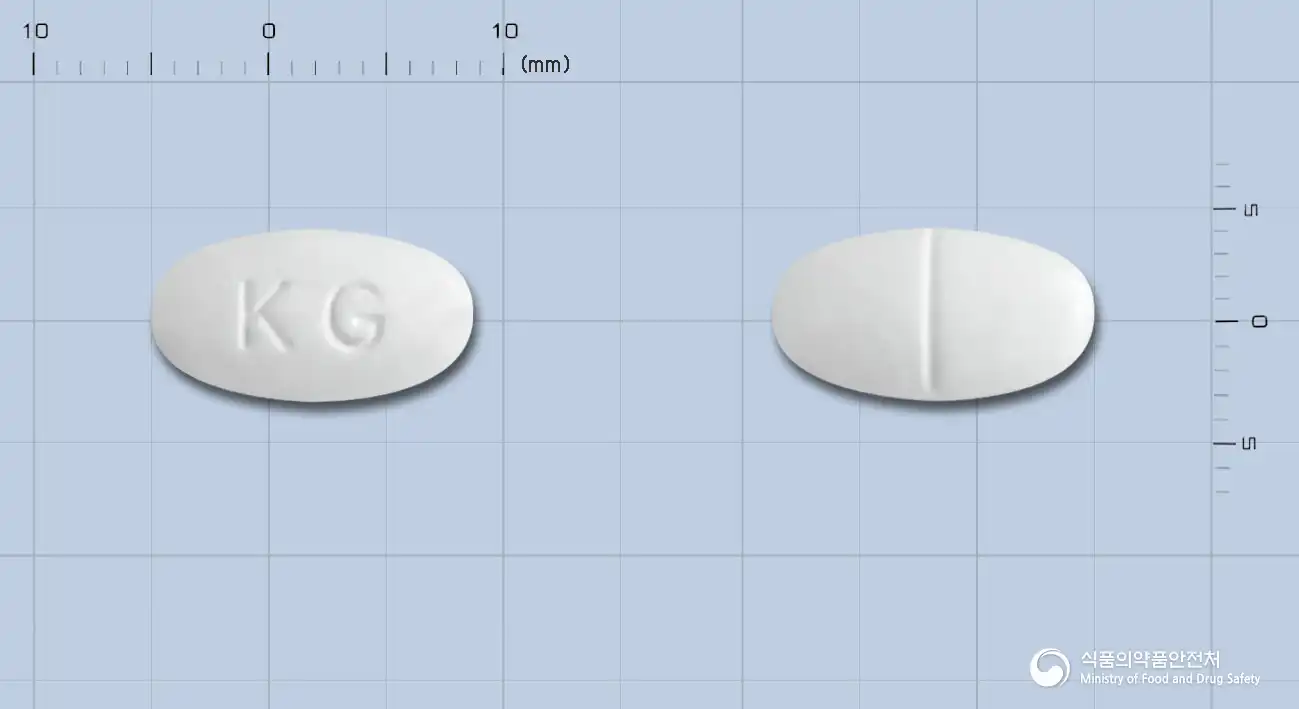
Irbesartan 150mg
Tablet · Prescription medication
Kips Biopharma Co., Ltd.
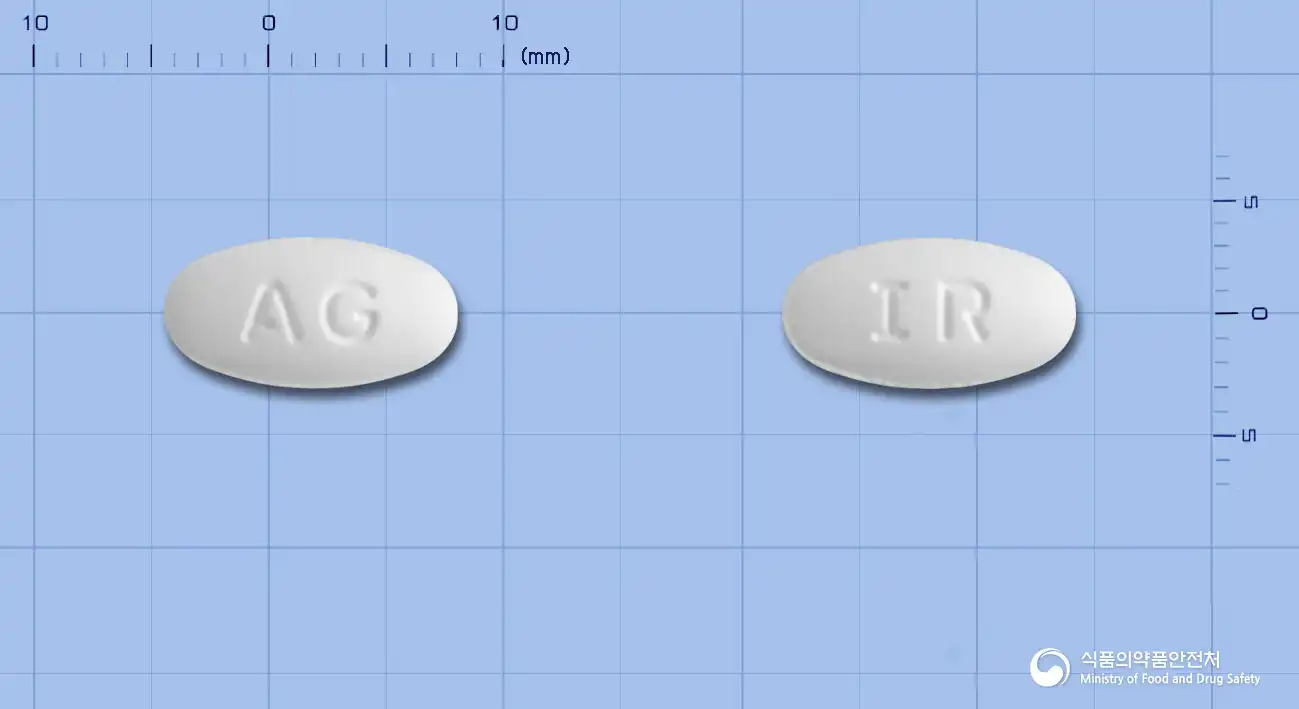
Irbesartan 150mg
Tablet · Prescription medication
Anguk Pharmaceutical Co., Ltd.
Irbesartan 150mg
Prescription medication
Bionex Co., Ltd.
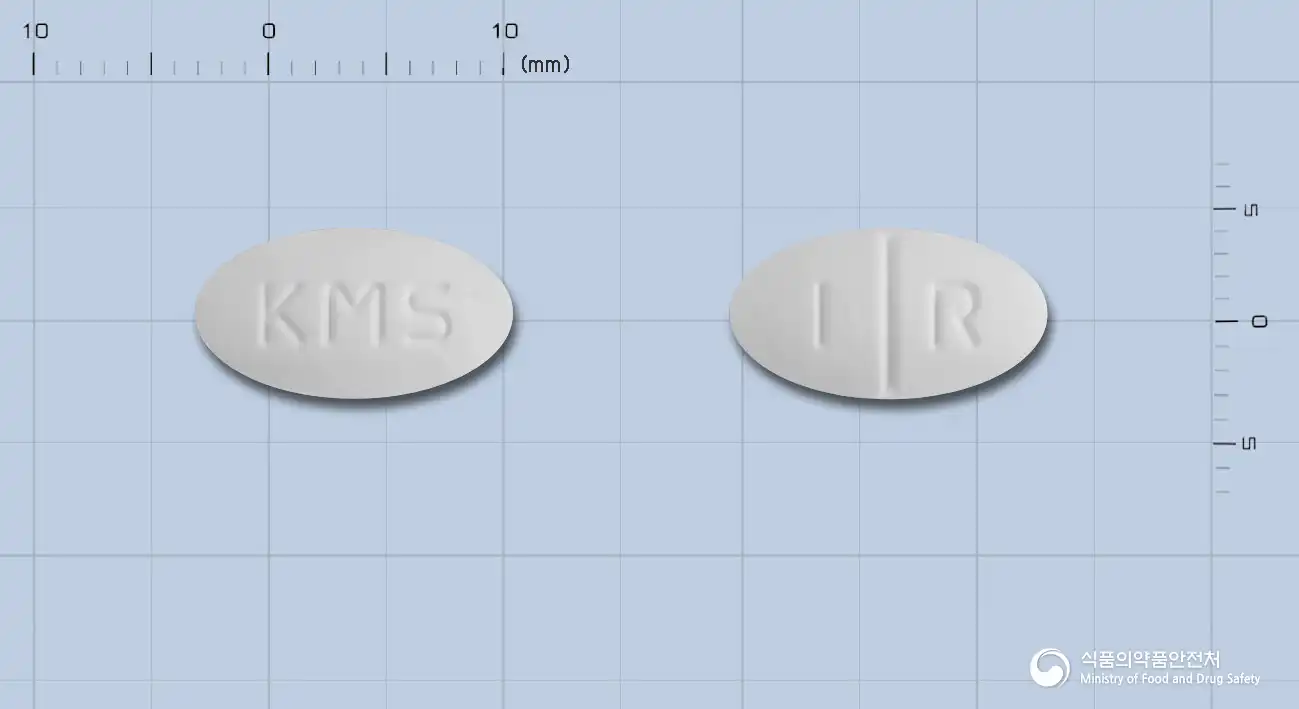
Irbesartan 150mg
Tablet · Prescription medication
KMS Pharmaceutical Co., Ltd.
Even with the same ingredient, the dose and directions can differ by strength and dosage form. Talk to a doctor or pharmacist before switching from a medication you are already taking.
No questions yet.
For anything that needs medical judgment, consult a doctor or pharmacist.
This drug information is based on data provided by the Korea Ministry of Food and Drug Safety.
Consult a doctor or pharmacist for accurate dosage, administration, and usage instructions.