한국어
 English
 日本語
 中文(简体)
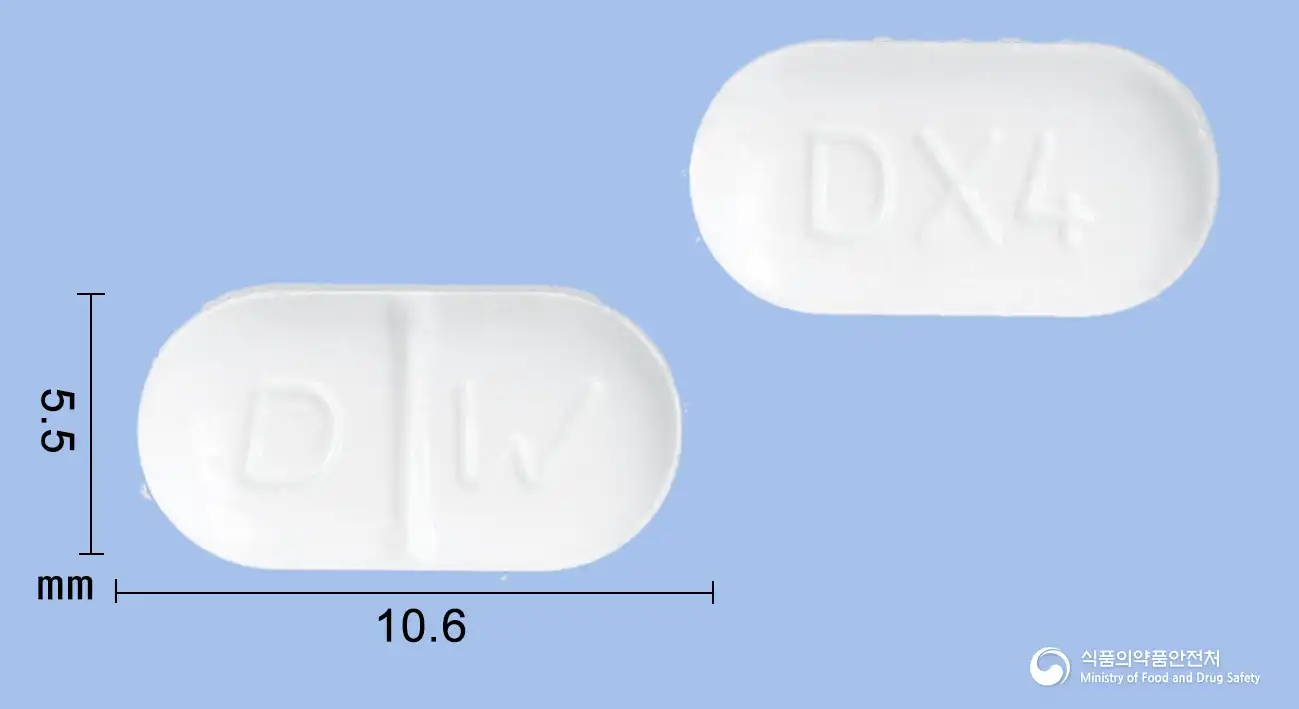
Dosage form image
Viewing nowOzdex Implant 700 µg (Dexamethasone)
Dexamethasone Micronized 700μg
Prescription medication
AbbVie Korea Co., Ltd.
MFDS item code 201101486 · Approved 2011.03.17 · Insurance code 624900490
Treatment of macular edema (diabetic and retinal vein occlusion-associated) and noninfectious uveitis of the posterior segment
This drug is used for the treatment of macular edema following retinal branch vein occlusion or central retinal vein occlusion. It is also effective in treating non-infectious uveitis accompanied by posterior segment inflammation. It helps improve vision by being utilized in the treatment of diabetic macular edema. By treating these conditions, it helps reduce eye swelling and inflammation and improve visual function.
Administer 1 implant (dexamethasone 700ug) by intravitreal injection into one eye only (simultaneous administration into both eyes is not recommended because there is no experience with it).
This drug should only be administered via direct injection into the eye, and the injection must be performed by an experienced ophthalmologist. After the injection, side effects such as endophthalmitis, ocular inflammation, increased intraocular pressure, and retinal detachment may occur, so the patient's condition should be closely monitored. In particular, immediately after the injection, it is necessary to check the blood flow status of the optic nerve and measure intraocular pressure within 30 minutes. Biomicroscopic examination should be conducted between 2 and 7 days after administration. Patients receiving this drug should be instructed to report any unusual symptoms such as endophthalmitis to medical personnel immediately. In patients with damaged lens capsule or open vitreous cavity, this drug may move to the front part of the eye, potentially causing corneal edema. If severe corneal edema persists, corneal transplantation may be necessary, so these patients should be monitored regularly. The corticosteroid ingredient included in this drug can cause eye diseases such as cataracts, elevated intraocular pressure, and glaucoma, and can increase the risk of secondary ocular infections from bacteria, fungi, or viruses. This drug should not be used in patients with active ocular infections or infection in the surrounding eye area, and it is particularly contraindicated in cases where viral keratitis or fungal infection is suspected. Patients with severe glaucoma, ruptured lens capsule, those with certain intraocular lenses, or those allergic to this drug or its components should also refrain from using it. Patients with a history of ocular herpes simplex virus should use this drug with caution due to the risk of infection recurrence, and it should not be used in the presence of active infections. Safety has not been established in patients without a lens or those accompanied by severe retinal ischemia, so caution is needed. Patients taking anticoagulants or antiplatelet agents may experience bleeding-related adverse reactions more frequently, so care should be taken when using this drug. Patients who have recently undergone ocular surgery or laser treatment, those with a history of specific retinal disorders in both eyes, patients with a history of vitrectomy, and those with scleral detachment or expansion should approach the use of this drug with caution. After administration of this drug, increased intraocular pressure, cataracts, and conjunctival hemorrhage may commonly occur, and some patients may experience adverse reactions such as decreased vision or vitreous hemorrhage. In particular, increased intraocular pressure peaks about 60 days after administration, and some patients may require intraocular pressure-lowering treatment or procedures. Cataracts occur more frequently with repeated administration of this drug, and some patients may require cataract surgery. There may be temporary vision reduction after intraocular injection, so driving or operating machinery should be avoided until vision is restored. During pregnancy, this drug may affect the fetus, so it should only be cautiously administered when the potential benefits outweigh the risks. In lactating women, consideration of the potential risks and benefits is necessary because the ingredients of this drug may be transmitted through breast milk. The safety and efficacy in pediatric patients have not yet been established, and no significant differences have been reported in elderly patients.
Not everyone experiences these, and they can vary from person to person.
This drug should be kept in a sealed container to prevent air and moisture from entering. It is crucial to maintain the storage temperature between 1 and 30 degrees Celsius. This will help preserve the drug's effectiveness for a long time.
A white to yellowish white rod-shaped implant contained in an applicator.
700 µg × 1 piece
Even with the same ingredient, strength, dosage form and how it is taken can differ.
Even with the same ingredient, the dose and directions can differ by strength and dosage form. Talk to a doctor or pharmacist before switching from a medication you are already taking.
No questions yet.
For anything that needs medical judgment, consult a doctor or pharmacist.
This drug information is based on data provided by the Korea Ministry of Food and Drug Safety.
Consult a doctor or pharmacist for accurate dosage, administration, and usage instructions.