
 한국어
한국어 English
 日本語
日本語 中文(简体)
 Viewing nowCombination
Calcium Vitamin D Chewable Tablets
Calcium Carbonate 1500mg · Cholecalciferol Concentrate Granules 4mg
Chewable Tablet · OTC medication · Combination
Hyuns Co., Ltd.
MFDS item code 201101014 · Notified 2011.02.28 · Insurance code 670605790
Improvement of bone and dental growth disorders and prevention of rickets
Vitamin D is necessary for the body's supply during pregnancy, lactation, growth periods, and old age. The Vitamin D contained in this medication helps to prevent bone and dental growth disorders as well as rickets. It also improves calcium deficiency and assists in the absorption of calcium in the body. Therefore, Vitamin D is effectively used to support healthy bone and dental development and to supplement calcium deficiency.
Adults and children aged 12 years and older should take 1–2 tablets once a day, dissolving or chewing them in the mouth.
Children aged 36 months to under 12 years should take 1 tablet once a day, dissolving or chewing it in the mouth.
This medication restricts the daily intake of aspartame to below 40mg per kg of body weight, in accordance with WHO recommendations, using only the minimum amount possible. Aspartame contained in this medication is broken down into a substance called phenylalanine in the body, so patients with the hereditary disease phenylketonuria should not take this medication. Patients with hypercalcemia, sarcoidosis (a systemic inflammatory disease of unknown cause), or renal disease should not take this medication. Additionally, individuals with an allergy to this medication or its components, infants under 12 months, patients with kidney stones, and patients with severe renal failure should not take this medication. While taking this medication, it is advisable not to concurrently take medications such as phosphates, calcium salts, oral tetracycline antibiotics, and antacids. Infants under 1 year old, individuals undergoing medical treatment, children who receive a lot of sunlight, pregnant or nursing women, individuals with heart and circulatory diseases, those with kidney disorders, patients with hypoproteinemia, those taking heart medications, and individuals with a history of kidney stones should consult with a doctor or pharmacist before taking this medication. If symptoms such as nausea, vomiting, diarrhea, constipation, low blood pressure, flushes, or irregular heartbeat appear while taking this medication, immediately stop taking it and consult a healthcare professional. Overdose may lead to symptoms such as gastrointestinal disturbances, hypernatremia, congestive heart failure, and edema, and long-term use may cause hypercalcemia or stone formation; therefore, caution is required. This medication must be taken according to the prescribed dosage and administration, and when administered to children, it should be supervised by a guardian. It is advisable to avoid tea containing tannins, such as green tea and black tea, before and after taking this medication. Finally, this medication should be kept out of reach of children and stored in a cool, dry place away from direct sunlight, sealed properly, and it is essential not to transfer it to other containers to maintain quality.
Not everyone experiences these, and they can vary from person to person.
This medication should not be taken concurrently with phosphates, calcium salts, oral tetracycline agents, or antacids.
This medication should avoid being taken with tannin-containing teas such as green tea and black tea, during or before and after taking.
This medication should be stored in a sealed container to prevent air from entering and kept at a cool temperature below 25 degrees Celsius. Storing it this way will help maintain the effectiveness of the medication over time.
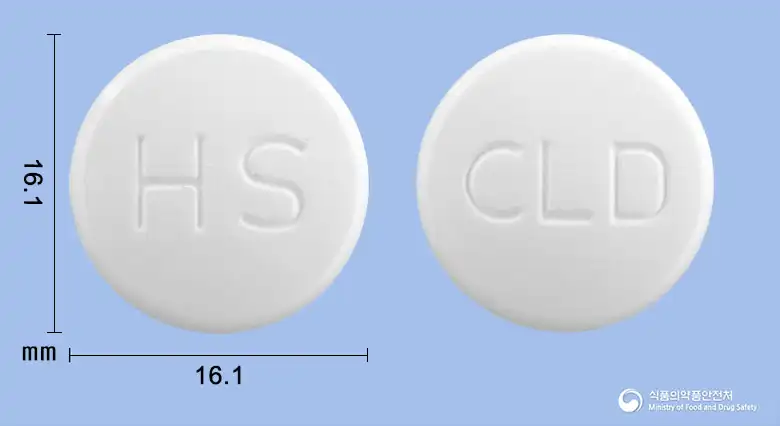
White, round chewable tablet
[Domestic] 30 tablets/bottle, 60 tablets/bottle, 60 tablets (10 tablets PTP x 6) [Export] 30 tablets/bottle, 30 tablets (10 tablets PTP x 3)
Even with the same ingredient, strength, dosage form and how it is taken can differ.
Viewing nowCombinationCalcium Carbonate 1500mg · Cholecalciferol Concentrate Granules 4mg
Chewable Tablet · OTC medication · Combination
Hyuns Co., Ltd.
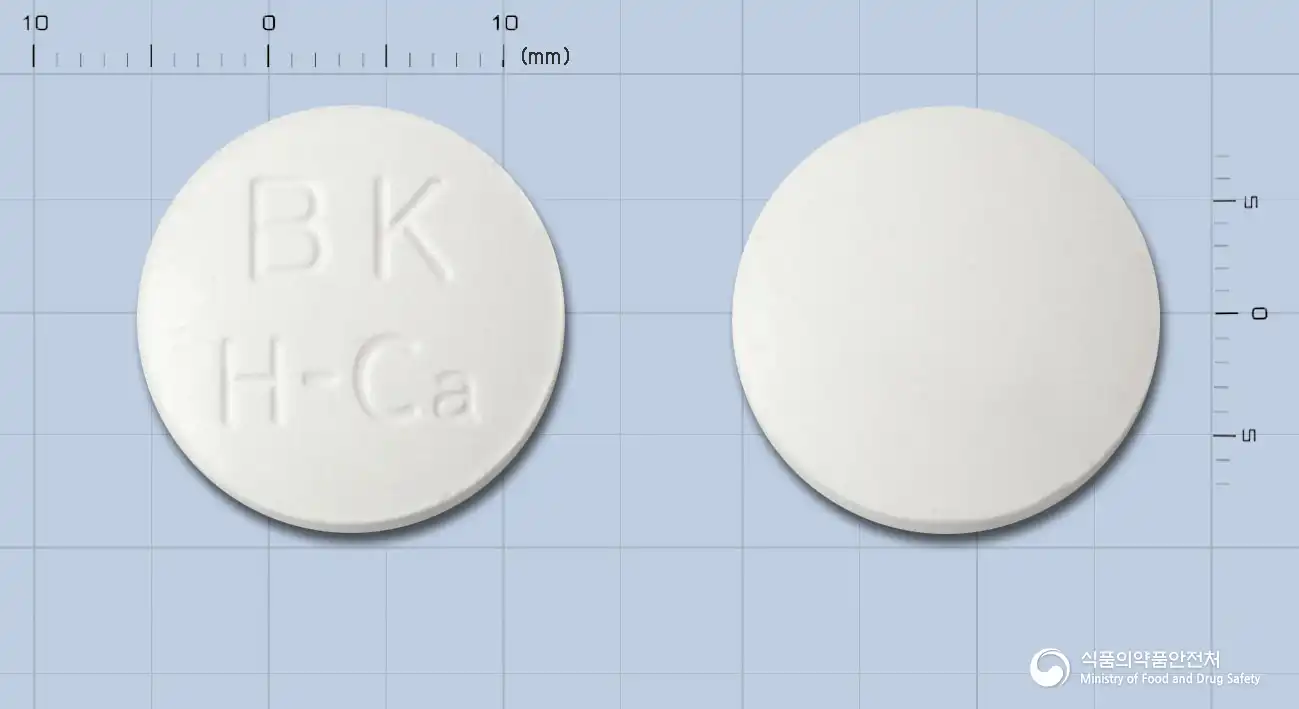 Combination
Calcium Carbonate 1500mg · Cholecalciferol Concentrate Granules 4mg
Chewable Tablet · OTC medication · Combination
Bukwang Pharmaceutical Co., Ltd.
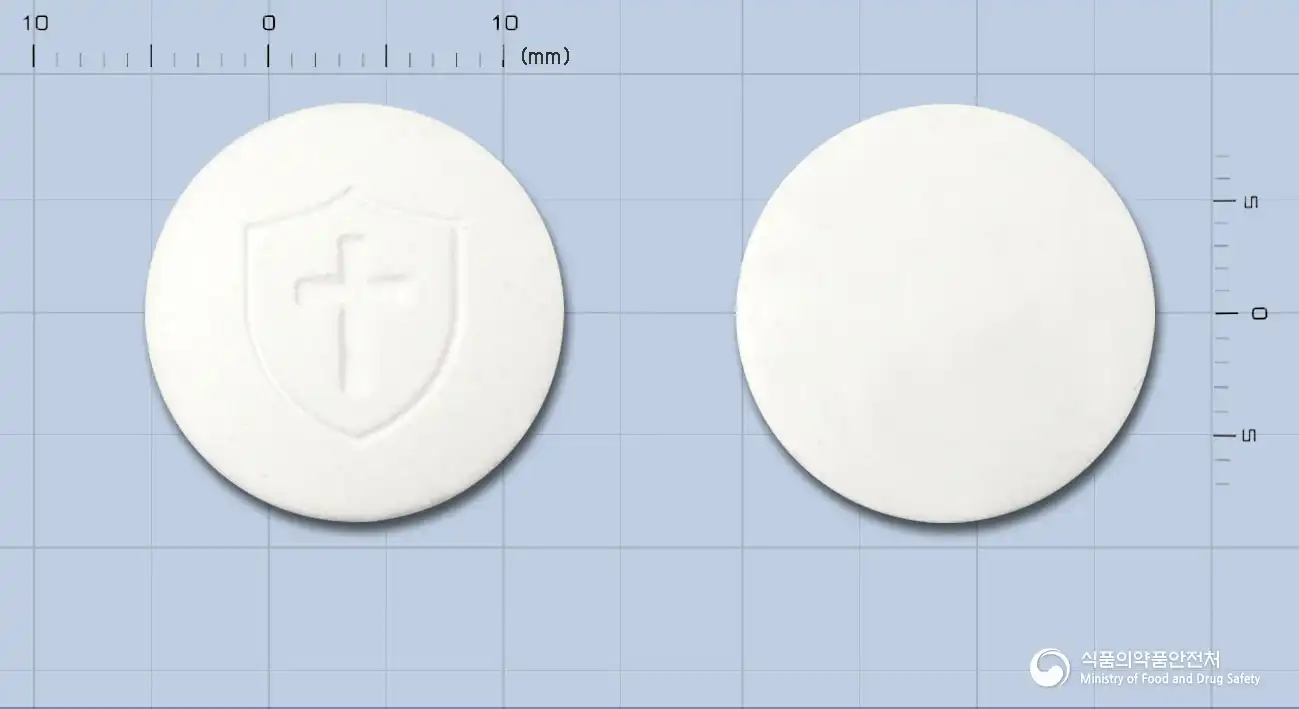 Combination
Calcium Carbonate 1500mg · Cholecalciferol Concentrate Granules 4mg
Chewable Tablet · OTC medication · Combination
Dongkwang Pharmaceutical Co., Ltd.
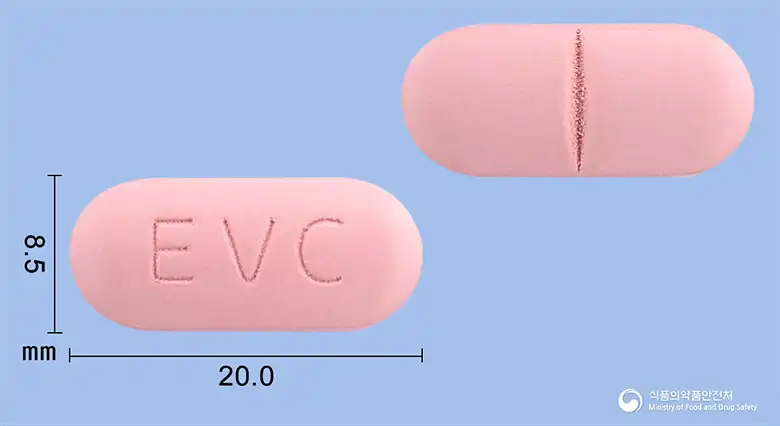 Combination
Calcium Carbonate 1250mg · Cholecalciferol Concentrate Granules 10mg
Tablet · OTC medication · Combination
Pharmgen Science Co., Ltd.
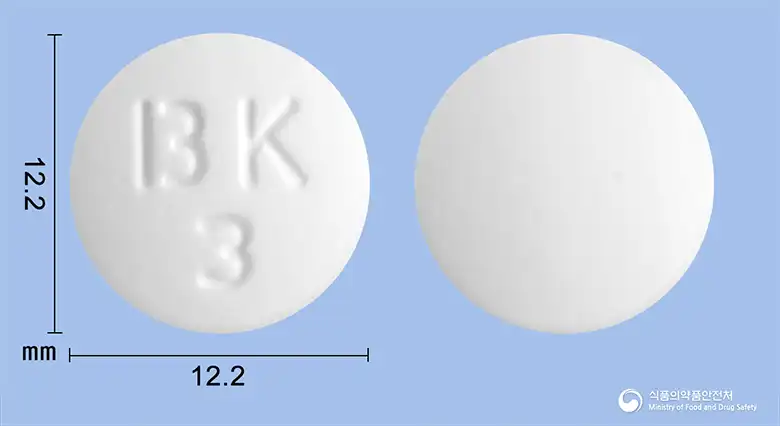 Combination
Calcium Carbonate 750mg · Cholecalciferol Concentrate Granules 2mg
Chewable Tablet · OTC medication · Combination
BuKwang Pharmaceutical Co., Ltd.
Calcium Carbonate 1000mg · Cholecalciferol Concentrate Granules 10mg
Tablet · OTC medication · Combination
Samjin Pharmaceutical Co., Ltd.
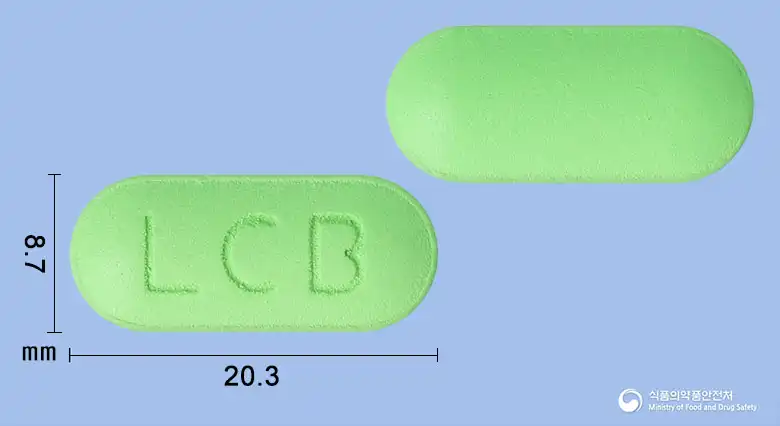 Combination
Calcium Carbonate 1250mg · Cholecalciferol Concentrate Granules 10mg
Tablet · OTC medication · Combination
Baskan Bio Pharmaceutical Co., Ltd.
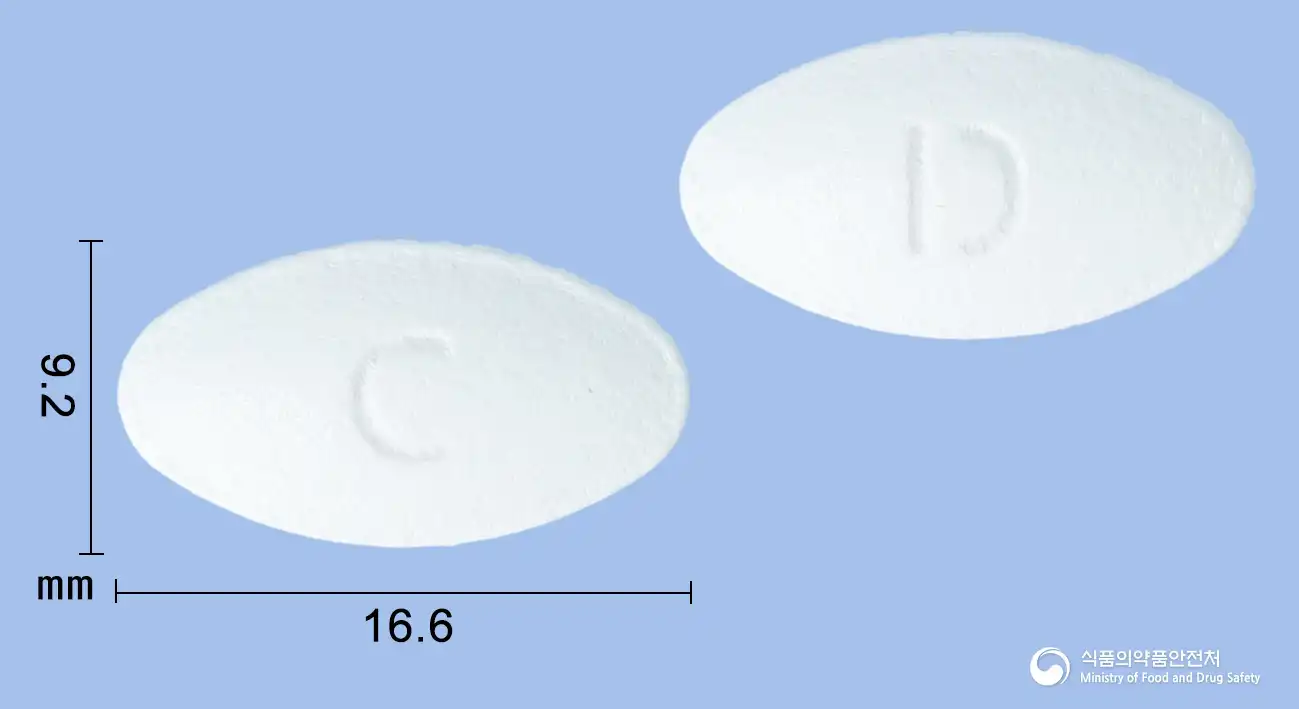 Combination
Calcium Carbonate 750mg · Cholecalciferol Concentrate Granules 10mg
Tablet · OTC medication · Combination
Dongkwang Pharmaceutical Co., Ltd.
Even with the same ingredient, the dose and directions can differ by strength and dosage form. Talk to a doctor or pharmacist before switching from a medication you are already taking.
No questions yet.
For anything that needs medical judgment, consult a doctor or pharmacist.
This drug information is based on data provided by the Korea Ministry of Food and Drug Safety.
Consult a doctor or pharmacist for accurate dosage, administration, and usage instructions.