
 한국어
한국어 English
 日本語
日本語 中文(简体)
 Viewing nowCombination
Presaltan Plus Tablet 20/12.5 mg (Olmesartan Medoxomil, Hydrochlorothiazide)
Olmesartan Medoxomil 20mg · Hydrochlorothiazide 12.5mg
Tablet · Prescription medication · Combination
Myungin Pharma Co., Ltd.
MFDS item code 201100979 · Approved 2011.02.25 · Insurance code 651903510
Treatment of essential hypertension blood pressure control
Olmesartan Medoxomil and Hydrochlorothiazide are used to treat essential hypertension and can be used together if blood pressure is not adequately controlled with monotherapy, effectively lowering blood pressure. This combination therapy helps to expand blood vessels and promote salt excretion in the body, allowing for stable management of blood pressure. Therefore, Olmesartan Medoxomil and Hydrochlorothiazide are used to improve blood pressure control in patients with hypertension.
This medication is administered as one tablet once daily regardless of meals after adjusting the dose of Olmesartan Medoxomil or Hydrochlorothiazide alone. The dosage should be adjusted at intervals of 2 to 4 weeks based on the patient’s blood pressure response. For elderly patients, starting from the lowest dose is recommended, taking into account the patient’s kidney function, heart function, comorbid conditions, and concomitant medications.
Safety and efficacy in pediatric patients have not been established, so its use is not recommended.
This drug may cause serious harm or death to the fetus and newborn if taken during the second and third trimesters of pregnancy, so it should be discontinued immediately upon confirmation of pregnancy. Patients with allergies to any of the ingredients in this medication or those who are hypersensitive to thiazide diuretics or sulfonamide drugs should not take this medication. Patients with specific conditions such as acute kidney injury, severe liver disease, bile duct obstruction, hyponatremia, hypokalemia, hypercalcemia, or Addison's disease should not be administered this medication. Patients with decreased blood volume or salt may experience hypotension during the initial phase of taking this medication, so they should be closely monitored, and appropriate actions should be taken if hypotension occurs. Patients with impaired renal function or those who have had a kidney transplant should regularly check serum potassium and creatinine levels, and caution is also required in patients with renovascular hypertension or liver disease. This medication may increase the risk of skin cancer, so it is advisable to limit sun exposure and consult a doctor immediately if any skin abnormalities occur. Dizziness or drowsiness may occur while taking this medication, so it is advisable to avoid driving or operating hazardous machinery. This medication may interact with other medications, so especially for those taking potassium supplements, lithium, non-steroidal anti-inflammatory drugs, or other antihypertensives, it is essential to consult a doctor or pharmacist. If breastfeeding, it is recommended to discontinue breastfeeding or this medication, as it may be transmitted through breast milk and affect the baby. Safety and effectiveness in pediatric patients have not been established, so it is advisable not to use it in children. For the elderly, it is safer to start from a low dose considering the decline in liver, kidney, and heart function and concomitant medications. In case of overdose, hypotension, electrolyte abnormalities, dehydration, etc., may occur, so immediate medical attention should be sought.
Not everyone experiences these, and they can vary from person to person.
This medication should be stored in a tightly sealed container to avoid exposure to air or moisture, and it is best stored at room temperature between 1 and 25 degrees Celsius. Proper storage will help maintain the medication's effectiveness for a long time.
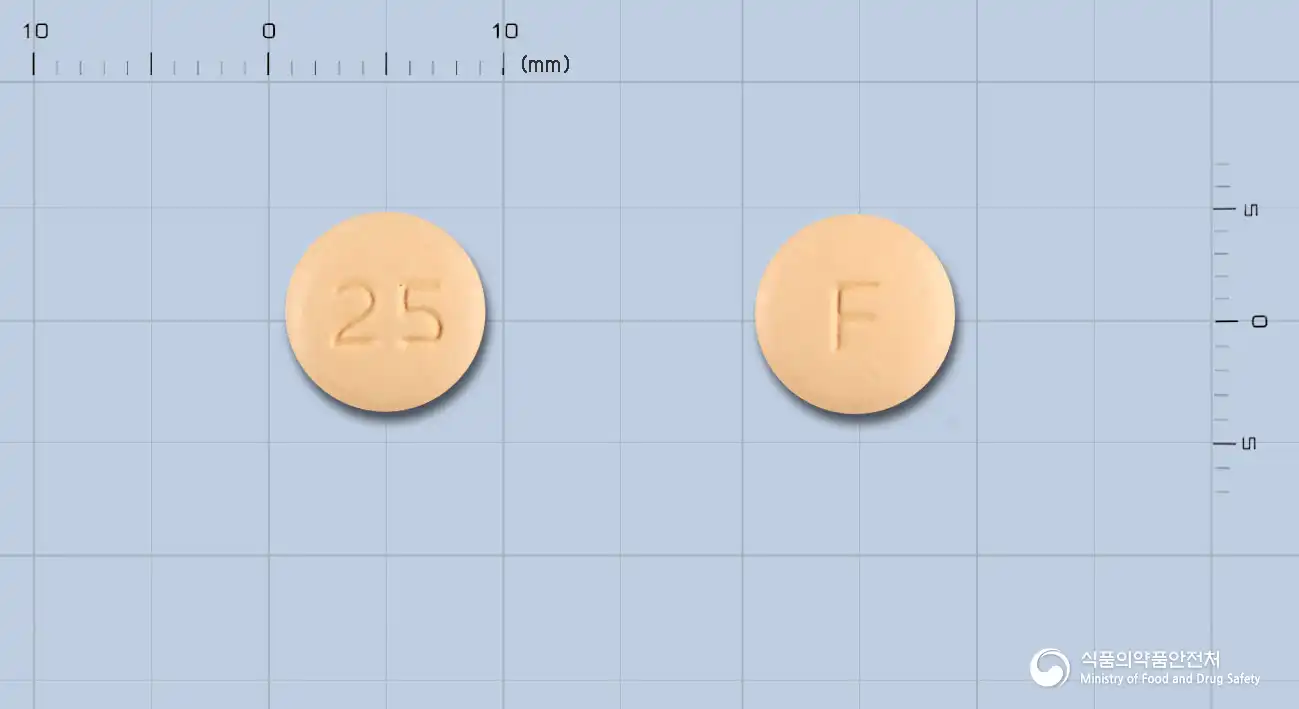
Round, film-coated tablet with a light orange color
30 tablets/bottle, 100 tablets/bottle
Even with the same ingredient, strength, dosage form and how it is taken can differ.
Viewing nowCombinationOlmesartan Medoxomil 20mg · Hydrochlorothiazide 12.5mg
Tablet · Prescription medication · Combination
Myungin Pharma Co., Ltd.
 Combination
Olmesartan Medoxomil 20mg · Hydrochlorothiazide 12.5mg
Tablet · Prescription medication · Combination
Daewoong Pharmaceutical Co., Ltd.
 Combination
Olmesartan Medoxomil 20mg · Hydrochlorothiazide 12.5mg
Tablet · Prescription medication · Combination
Jongkundang Co., Ltd.
 Combination
Olmesartan Medoxomil 20mg · Hydrochlorothiazide 12.5mg
Tablet · Prescription medication · Combination
Dae Hwa Pharmaceutical Co., Ltd.
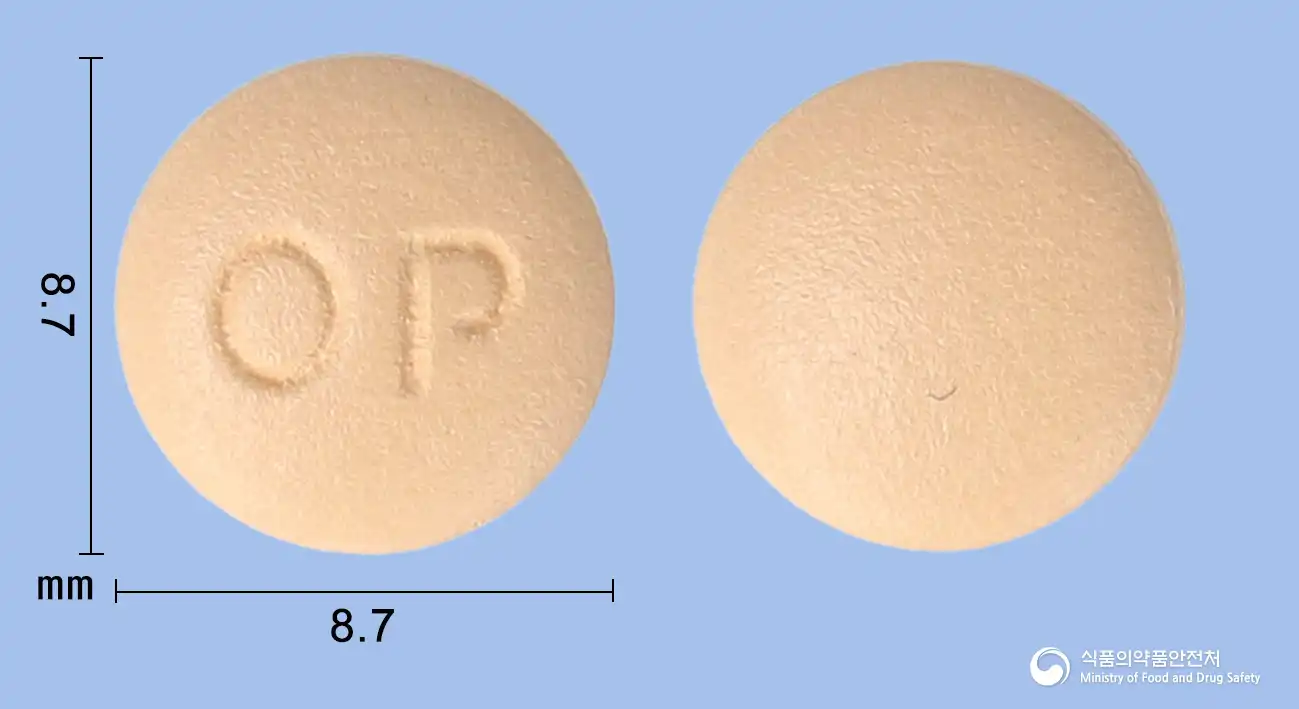 Combination
Olmesartan Medoxomil 20mg · Hydrochlorothiazide 12.5mg
Tablet · Prescription medication · Combination
FarmGen Science Co., Ltd.
Olmesartan Medoxomil 20mg · Hydrochlorothiazide 12.5mg
Prescription medication · Combination
Biboxon Pharmaceutical Co., Ltd.
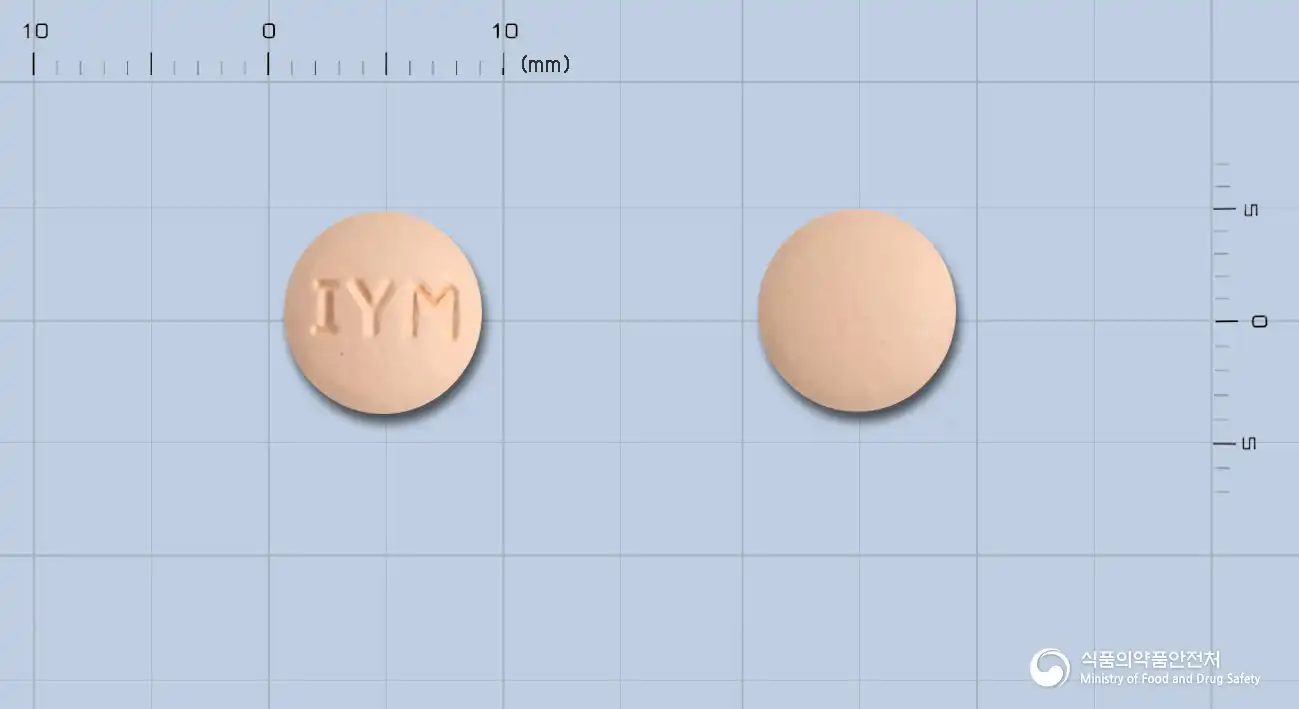 Combination
Olmesartan Medoxomil 20mg · Hydrochlorothiazide 12.5mg
Tablet · Prescription medication · Combination
Il Yang Pharmaceutical Co., Ltd.
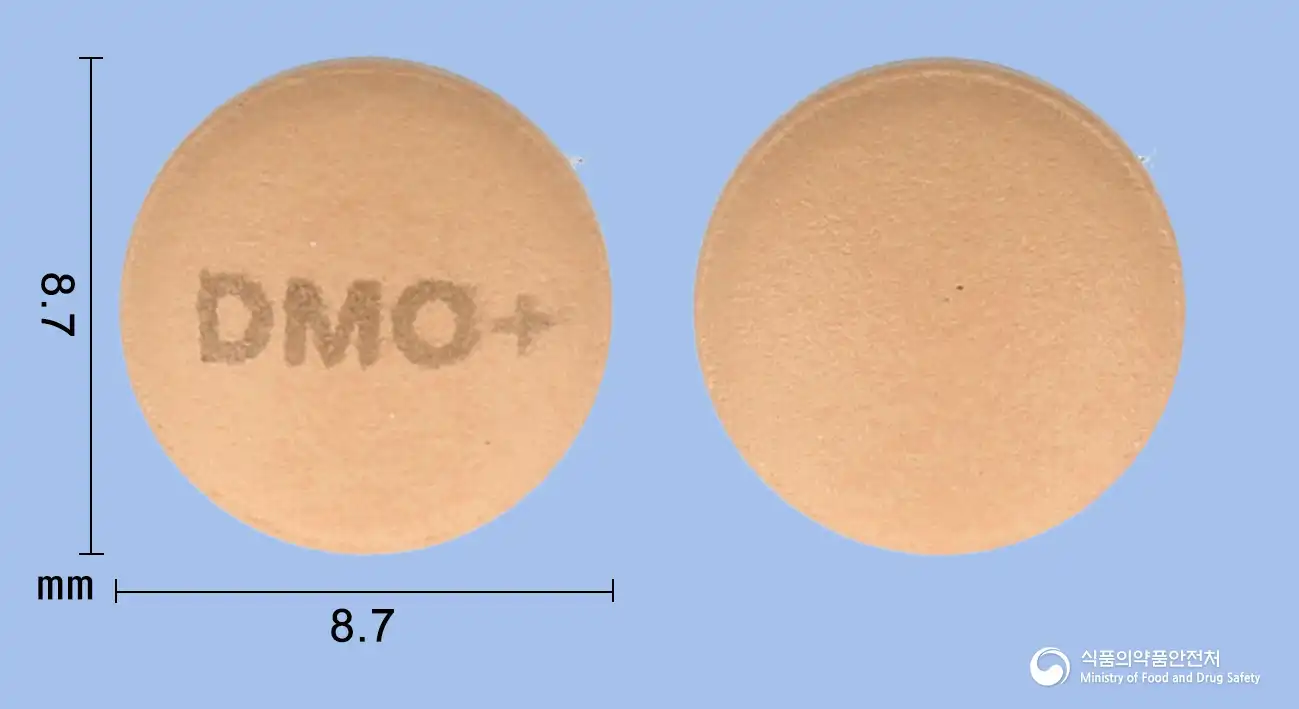 Combination
Olmesartan Medoxomil 20mg · Hydrochlorothiazide 12.5mg
Tablet · Prescription medication · Combination
Dasan Pharmaceutical Co., Ltd.
Even with the same ingredient, the dose and directions can differ by strength and dosage form. Talk to a doctor or pharmacist before switching from a medication you are already taking.
No questions yet.
For anything that needs medical judgment, consult a doctor or pharmacist.
This drug information is based on data provided by the Korea Ministry of Food and Drug Safety.
Consult a doctor or pharmacist for accurate dosage, administration, and usage instructions.