
 한국어
한국어 English
 日本語
日本語 中文(简体)
 Viewing now
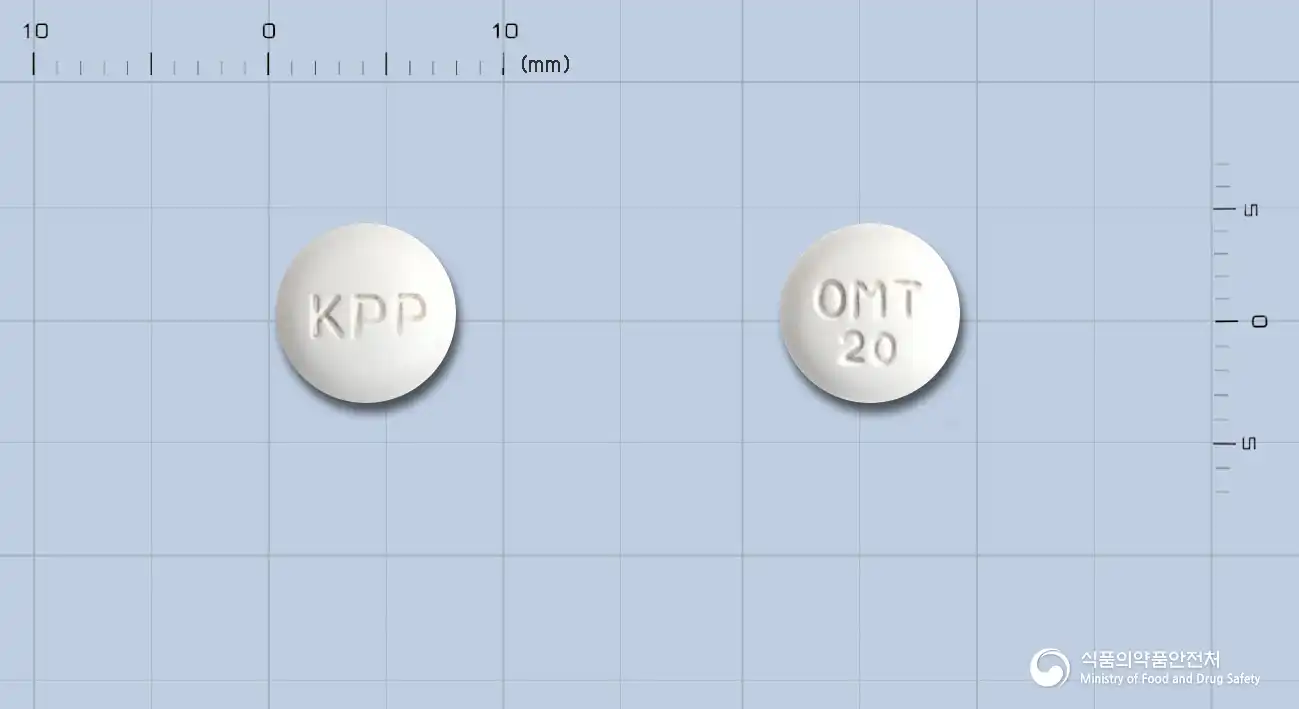
Olmezan 20 mg (Olmesartan Medoxomil)
Olmesartan Medoxomil 20mg
Tablet · Prescription medication
Korea Prime Pharmaceutical Co., Ltd.
MFDS item code 201100946 · Approved 2011.02.25 · Insurance code 663604840
Improvement of essential hypertension
Essential hypertension is a condition characterized by persistently high blood pressure, and this medication lowers blood pressure to reduce the burden on the heart and blood vessels. This helps decrease the risk of serious complications like stroke and myocardial infarction. Patients can benefit from regular medication intake to help control blood pressure. Additionally, enhancing lifestyle habits alongside medication therapy is important. This medication effectively treats essential hypertension.
The recommended initial adult dose is 10 mg once daily, taken regardless of meals. If blood pressure is not adequately controlled, the dose may be increased to 20 mg once daily. If additional blood pressure reduction is needed, the daily maximum dose may be increased to 40 mg. The antihypertensive effect appears within 2 weeks after starting treatment, with the maximum effect occurring in about 8 weeks. If blood pressure is not controlled with this medication alone, it can be combined with thiazide diuretics such as hydrochlorothiazide.*
Safety and efficacy in pediatric patients have not been established.
This medication can cause serious harm to the fetus and newborn if taken during the second and third trimesters of pregnancy, so it should be discontinued immediately upon confirmation of pregnancy. Individuals allergic to any of its ingredients, those who are pregnant or breastfeeding, those undergoing kidney dialysis, those with severe liver dysfunction, or those with bile duct obstruction should not take this medication. Those with hereditary issues like lactose intolerance should also avoid this medication. Patients with decreased blood volume or those taking high-dose diuretics should be cautious as they may experience symptoms of low blood pressure, and appropriate action should be taken immediately if symptoms appear. Patients with decreased kidney function or those who have had a kidney transplant should regularly check kidney function and potassium levels through blood tests, and use is not recommended in cases of severe kidney impairment. Patients with specific heart diseases or hyperkalemia should also take caution when using this medication. Dizziness may occur while taking this medication; thus, it is advisable to avoid hazardous activities such as driving or working at heights. This medication is used for the treatment of hypertension and has been deemed relatively safe in clinical trials, but side effects such as dizziness, headache, and dyspepsia can occur. If unusual symptoms such as chronic diarrhea or abdominal pain arise, consultation with a doctor to discontinue this medication is necessary. Care is needed when taking this medication with potassium-sparing diuretics or potassium supplements, as it may raise serum potassium levels. The blood pressure-lowering effect may increase when combined with other antihypertensive medications. Caution is advised when used with lithium, as it may raise lithium levels and cause toxicity, so concurrent use should be avoided. Taking this medication with non-steroidal anti-inflammatory drugs can increase the risk of worsening kidney function. This medication should be avoided during pregnancy to prevent serious damage to the fetus, and if breastfeeding, it should be discontinued or cessation of breastfeeding should be considered due to potential adverse reactions in infants. Safety in pediatric patients has not yet been established, so use should be approached with caution. Elderly patients may experience slowed drug metabolism, and dose adjustment may be necessary. In cases of overdose, symptoms such as low blood pressure and palpitations may occur, and immediate medical assistance should be sought. This medication is known to have a low risk of carcinogenicity or genotoxicity even with long-term use, but it should be taken according to the physician's instructions.
Urticaria, severe swelling (edema), angioedema, chest tightness, difficulty breathing, cold sweat, pallor, severe rash with fever, blisters, skin peeling, oral/ocular mucosal pain, shortness of breath or difficulty breathing, asthma attacks, respiratory abnormalities accompanied by cough and fever, yellowing of skin or eyes (jaundice), extreme lethargy, sudden and severe headache, thunderclap headache, seizures, altered consciousness, vision impairment.
Not everyone experiences these, and they can vary from person to person.
This medication may be sensitive to air and moisture, so it should be stored in a tightly sealed container. It is important to maintain a storage temperature between 1 and 25 degrees Celsius. This helps maintain the effectiveness and safety of the medication.
White round film-coated tablet
30 tablets/bottle, 300 tablets/bottle
Even with the same ingredient, strength, dosage form and how it is taken can differ.
Viewing nowOlmesartan Medoxomil 20mg
Tablet · Prescription medication
Korea Prime Pharmaceutical Co., Ltd.
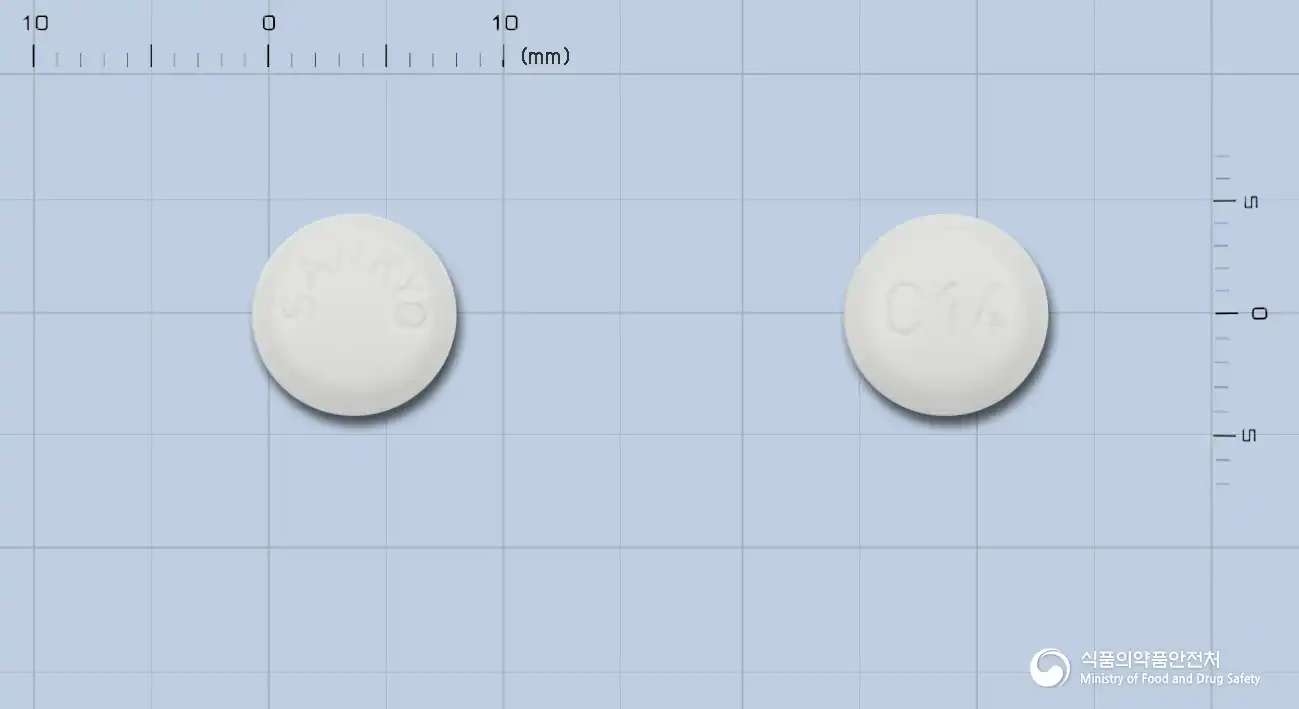
Olmesartan Medoxomil 20mg
Tablet · Prescription medication
Daewoong Pharmaceutical Co., Ltd.
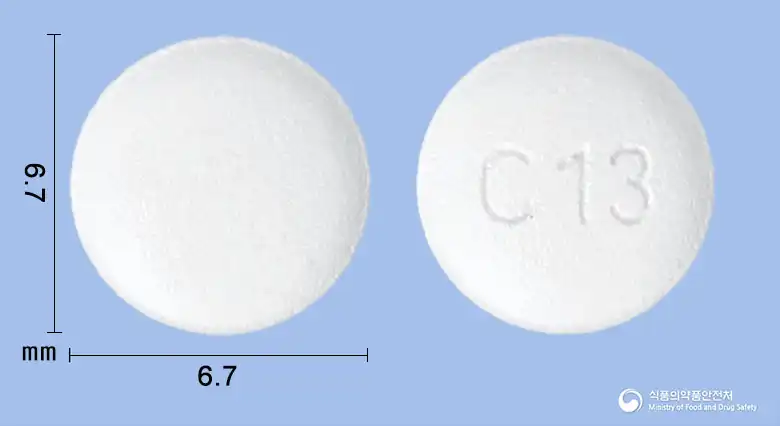
Olmesartan Medoxomil 10mg
Tablet · Prescription medication
Daewoong Pharmaceutical Co., Ltd.
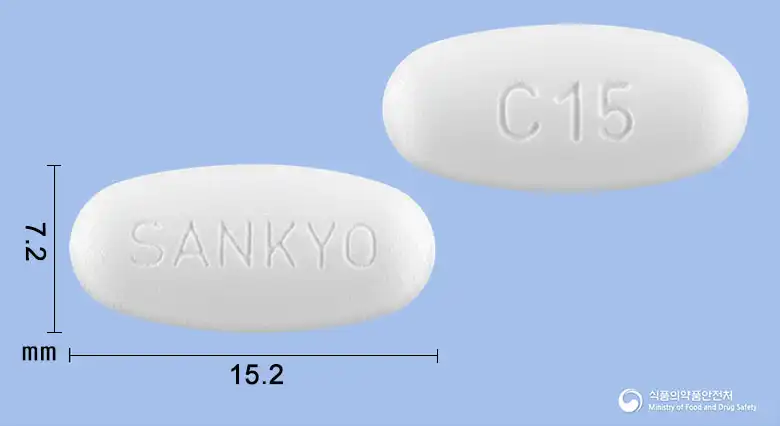
Olmesartan Medoxomil 40mg
Tablet · Prescription medication
Daewoong Pharmaceutical Co., Ltd.
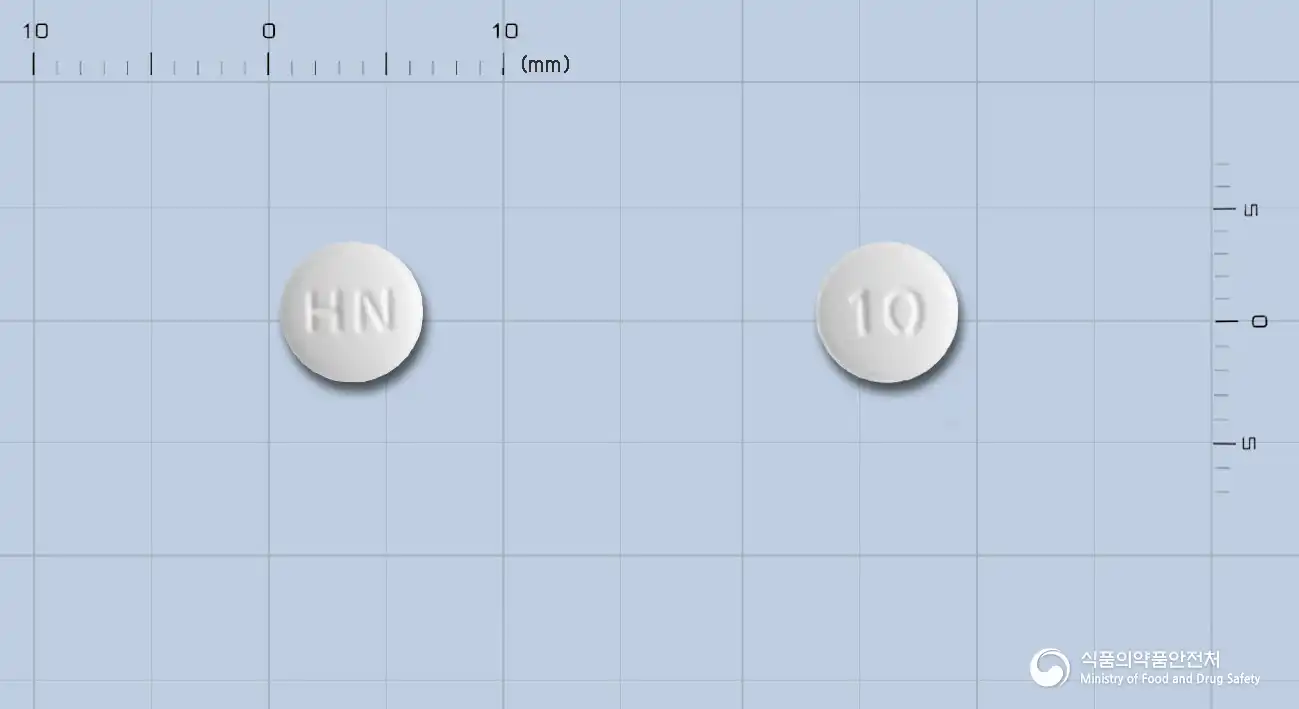
Olmesartan Medoxomil 10mg
Tablet · Prescription medication
Hana Pharmaceutical Co., Ltd.
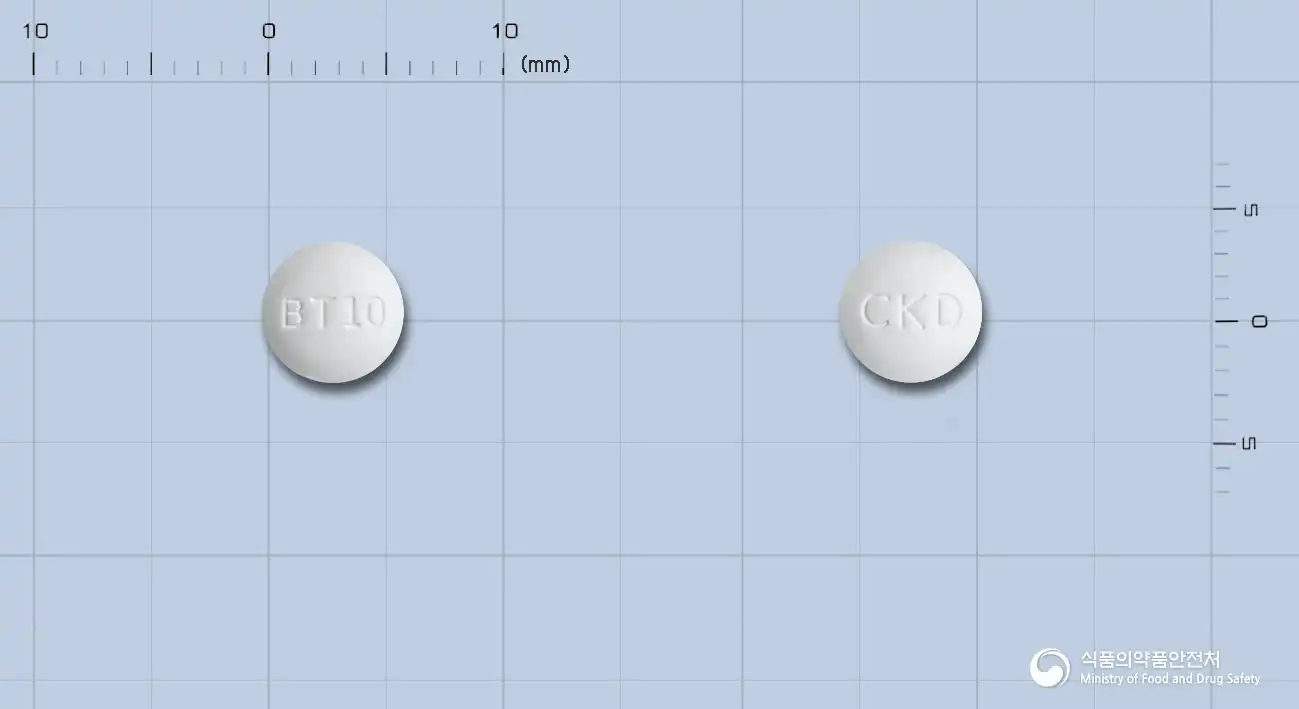
Olmesartan Medoxomil 10mg
Tablet · Prescription medication
Jongkeundang Co., Ltd.
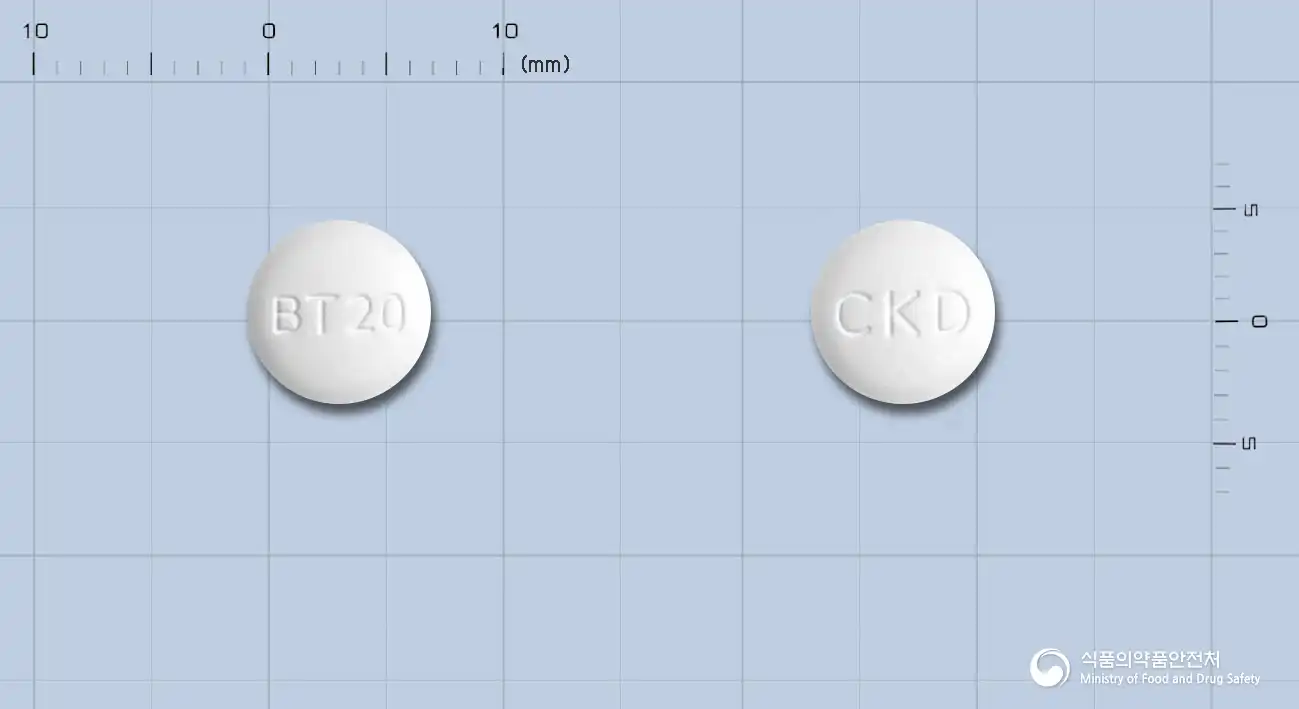
Olmesartan Medoxomil 20mg
Tablet · Prescription medication
Jongkundang Co., Ltd.
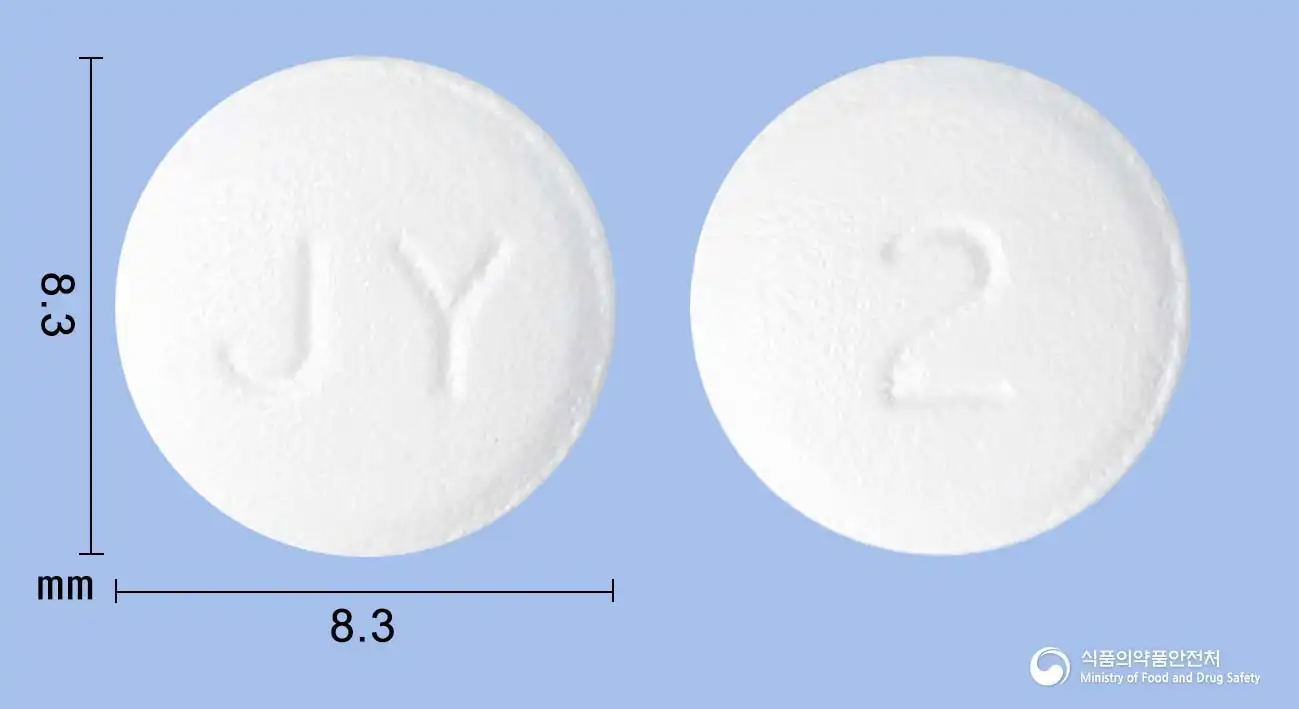
Olmesartan Medoxomil 20mg
Tablet · Prescription medication
Jinyang Pharmaceutical Co., Ltd.
Even with the same ingredient, the dose and directions can differ by strength and dosage form. Talk to a doctor or pharmacist before switching from a medication you are already taking.
No questions yet.
For anything that needs medical judgment, consult a doctor or pharmacist.
This drug information is based on data provided by the Korea Ministry of Food and Drug Safety.
Consult a doctor or pharmacist for accurate dosage, administration, and usage instructions.