
 한국어
한국어 English
 日本語
日本語 中文(简体)
 Viewing nowCombination
Allestek Plus Tablet 20/12.5 mg
Olmesartan Medoxomil 20mg · Hydrochlorothiazide 12.5mg
Tablet · Prescription medication · Combination
FarmGen Science Co., Ltd.
MFDS item code 201100888 · Approved 2011.02.24 · Insurance code 670103220
Improvement in blood pressure control for essential hypertension
Olmesartan medoxomil and hydrochlorothiazide are medications used to treat essential hypertension. When blood pressure control is difficult with monotherapy, this combination helps effectively lower blood pressure. This medication contributes to maintaining blood pressure within the normal range by promoting blood vessel dilation and excessive salt excretion. This helps prevent complications such as heart disease and stroke. It plays an important role in establishing an appropriate treatment plan tailored to the patient's blood pressure status. Therefore, it is safely and effectively used in the treatment of essential hypertension.
This medication is administered as 1 tablet once daily, irrespective of meals, after adjusting the doses of olmesartan medoxomil or hydrochlorothiazide alone, in cases where blood pressure is not adequately controlled. The dosage will be adjusted every 2-4 weeks based on the patient's blood pressure response. Elderly patients should start at the lowest dose and exercise caution in adjusting the dose considering kidney function, heart function, coexisting diseases, and other medications. Patients with renal insufficiency should generally receive this medication (olmesartan medoxomil/hydrochlorothiazide) when they have mild to moderate renal insufficiency (creatinine clearance>30mL/min). It is advisable to use loop diuretics rather than thiazide diuretics in more severe renal insufficiency, so this medication should not be administered. For patients with hepatic insufficiency, there is no experience in using this medication, so its use is not recommended.
The safety and efficacy in children have not been established.
This medication can cause severe harm or even death to the fetus and newborn if taken during the second and third trimesters of pregnancy, so it must be discontinued immediately if pregnancy is confirmed. Patients with allergies to the ingredients of this medication or certain kidney and liver function disorders should not take it. Patients with reduced blood volume or certain heart, kidney, or liver diseases should use this medication with caution and monitor for symptoms of low blood pressure closely at the start of treatment. This medication can affect electrolyte balance in the body, so regular blood tests should be conducted to check levels of sodium, potassium, and other electrolytes. Dizziness or symptoms of low blood pressure may occur during treatment, so caution is advised when engaging in hazardous activities such as operating machinery or driving. This medication can cause photosensitivity, increasing the risk of skin cancer, so sun exposure should be avoided and skin conditions should be regularly checked. There is a possibility of drug interactions while taking this medication, especially with potassium supplements, diuretics, lithium, and non-steroidal anti-inflammatory drugs, so it is important to consult with a doctor or pharmacist when used concurrently. Breastfeeding women may experience adverse reactions in their infants while taking this medication, so it is recommended to either stop breastfeeding or discontinue the medication. The safety and efficacy for pediatric use have not yet been established, so caution should be exercised when administering to children. Elderly patients may have reduced kidney and liver function, so treatment should start at a low dose and be monitored closely. In cases of overdose, symptoms such as low blood pressure, electrolyte imbalance, and dehydration may occur, necessitating immediate medical attention.
Hives, severe swelling (edema), chest tightness, difficulty breathing, angioedema, anaphylactic reaction, severe rash with fever, blisters, skin peeling, pain in mucous membranes of the mouth/eyes, difficulty breathing or shortness of breath, asthma attack, respiratory distress accompanied by cough + fever, jaundice (yellowing of the skin or eyes), extreme lethargy, sudden and severe headache, thunderclap headache, seizures, confusion, visual disturbances,
Not everyone experiences these, and they can vary from person to person.
This medication should be stored in a sealed container to protect it from air and moisture. The appropriate storage temperature is room temperature between 1 degree and 25 degrees Celsius. This will help maintain the medication's effectiveness over time.
Yellowish-red round film-coated tablet
30 tablets/bottle, 300 tablets/bottle
Even with the same ingredient, strength, dosage form and how it is taken can differ.
Viewing nowCombinationOlmesartan Medoxomil 20mg · Hydrochlorothiazide 12.5mg
Tablet · Prescription medication · Combination
FarmGen Science Co., Ltd.
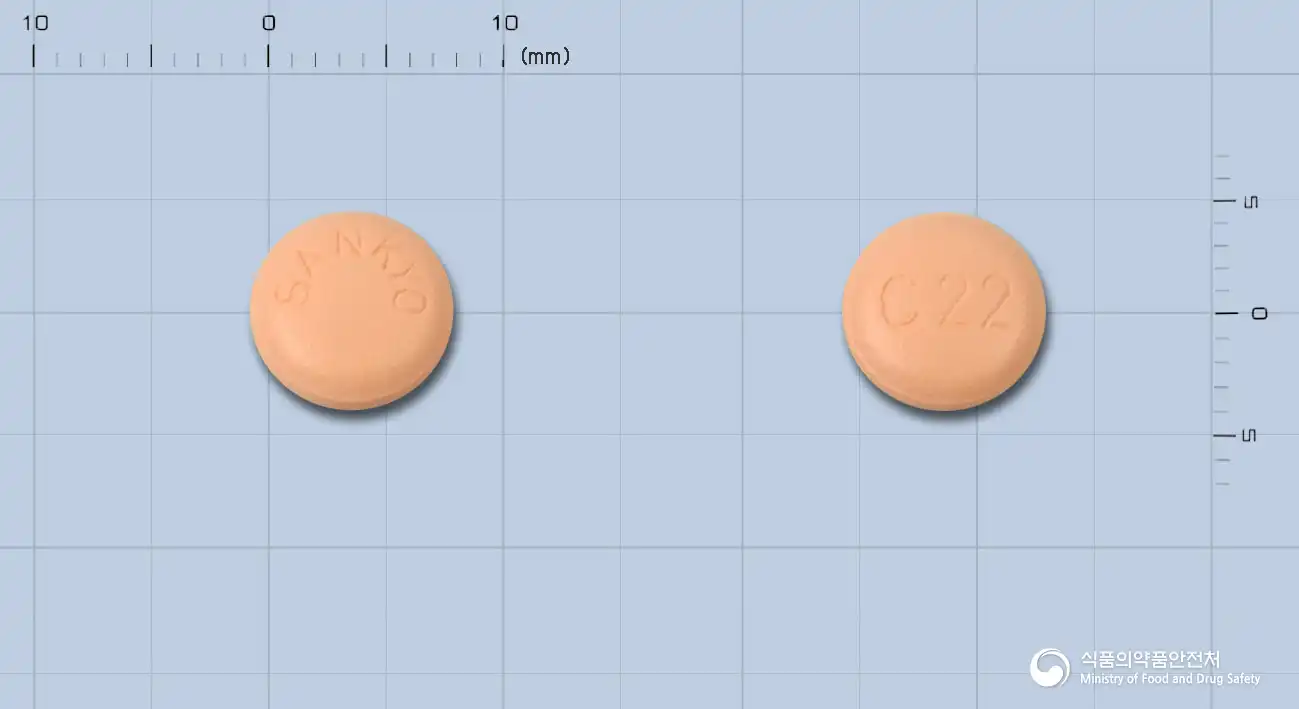 Combination
Olmesartan Medoxomil 20mg · Hydrochlorothiazide 12.5mg
Tablet · Prescription medication · Combination
Daewoong Pharmaceutical Co., Ltd.
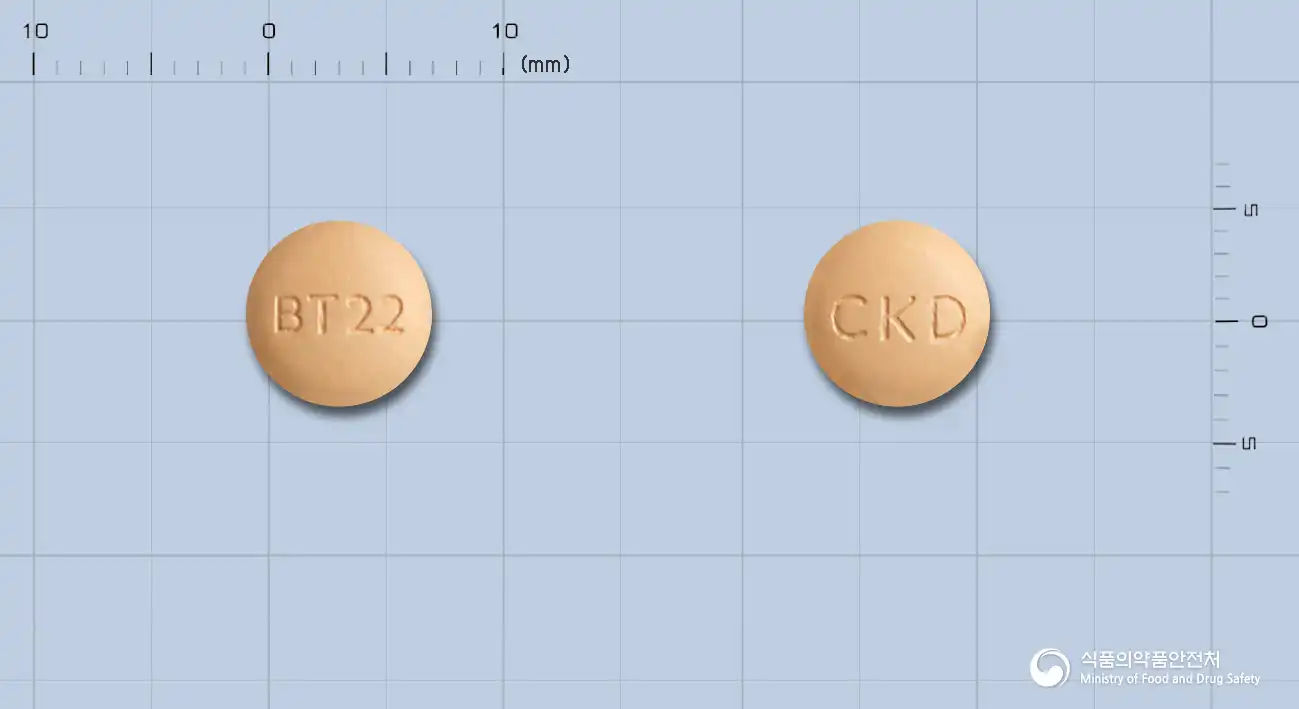 Combination
Olmesartan Medoxomil 20mg · Hydrochlorothiazide 12.5mg
Tablet · Prescription medication · Combination
Jongkundang Co., Ltd.
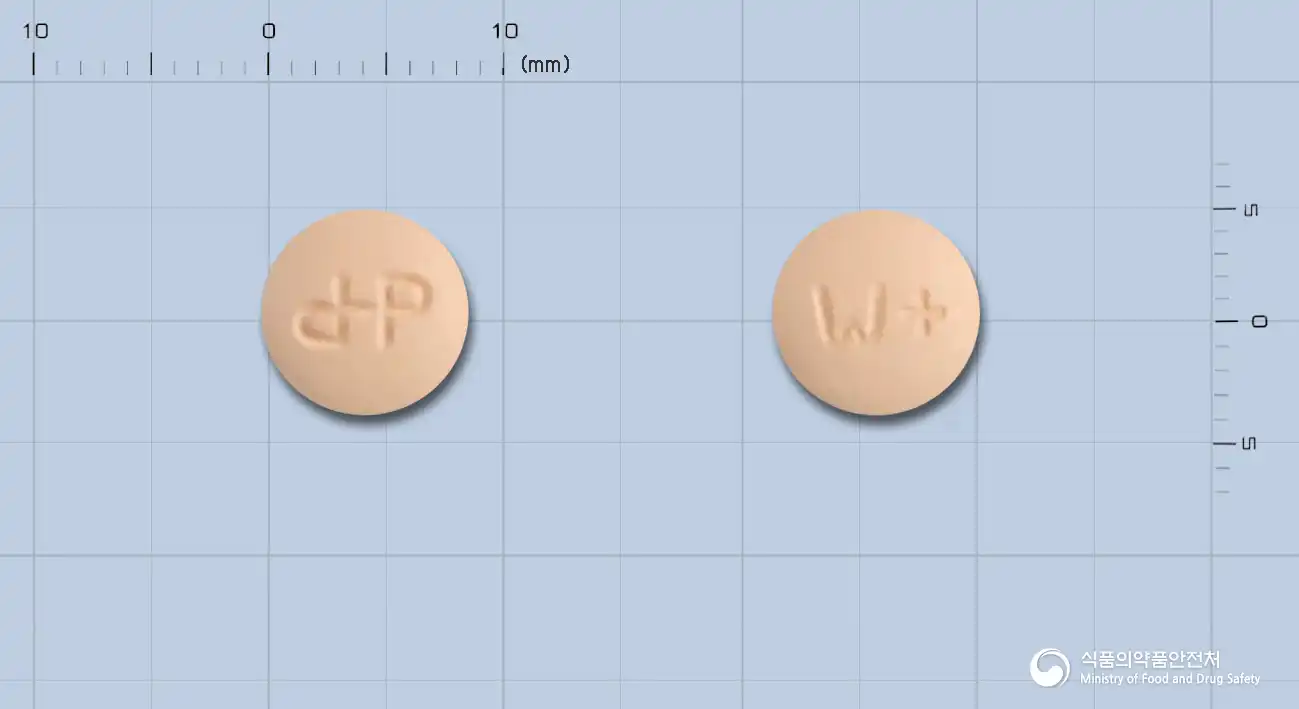 Combination
Olmesartan Medoxomil 20mg · Hydrochlorothiazide 12.5mg
Tablet · Prescription medication · Combination
Dae Hwa Pharmaceutical Co., Ltd.
Olmesartan Medoxomil 20mg · Hydrochlorothiazide 12.5mg
Prescription medication · Combination
Biboxon Pharmaceutical Co., Ltd.
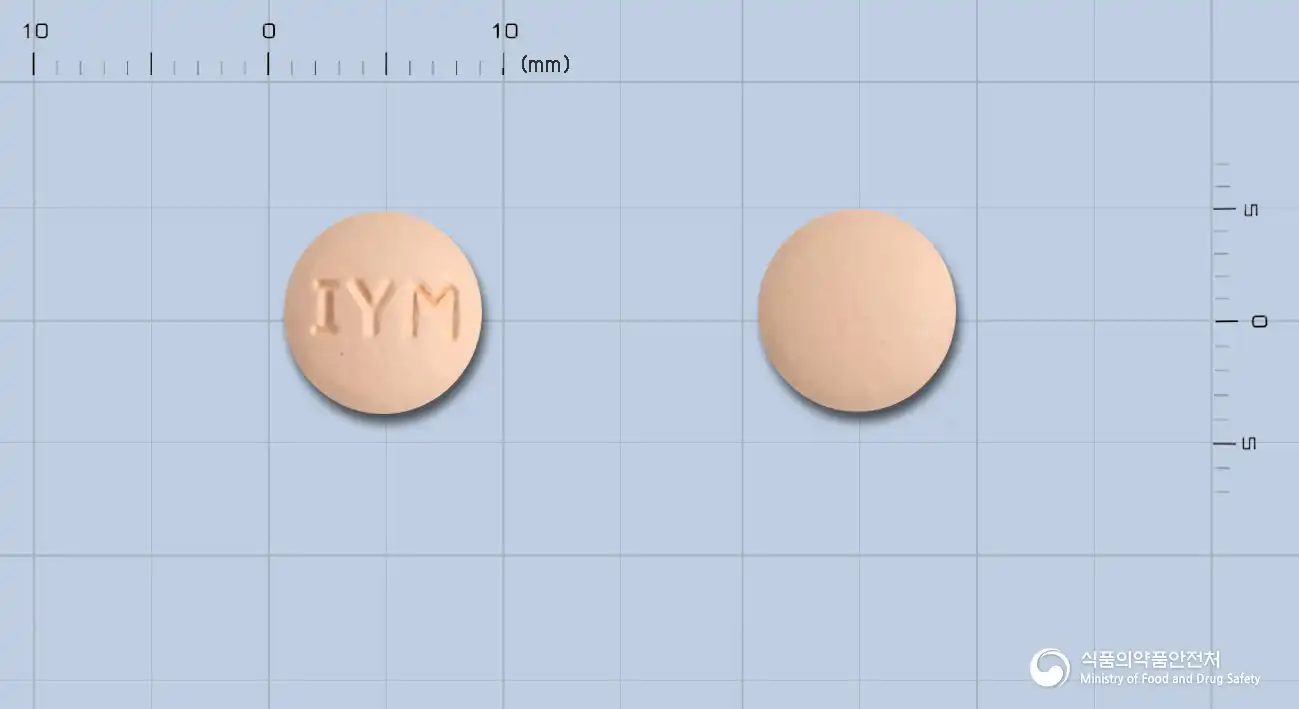 Combination
Olmesartan Medoxomil 20mg · Hydrochlorothiazide 12.5mg
Tablet · Prescription medication · Combination
Il Yang Pharmaceutical Co., Ltd.
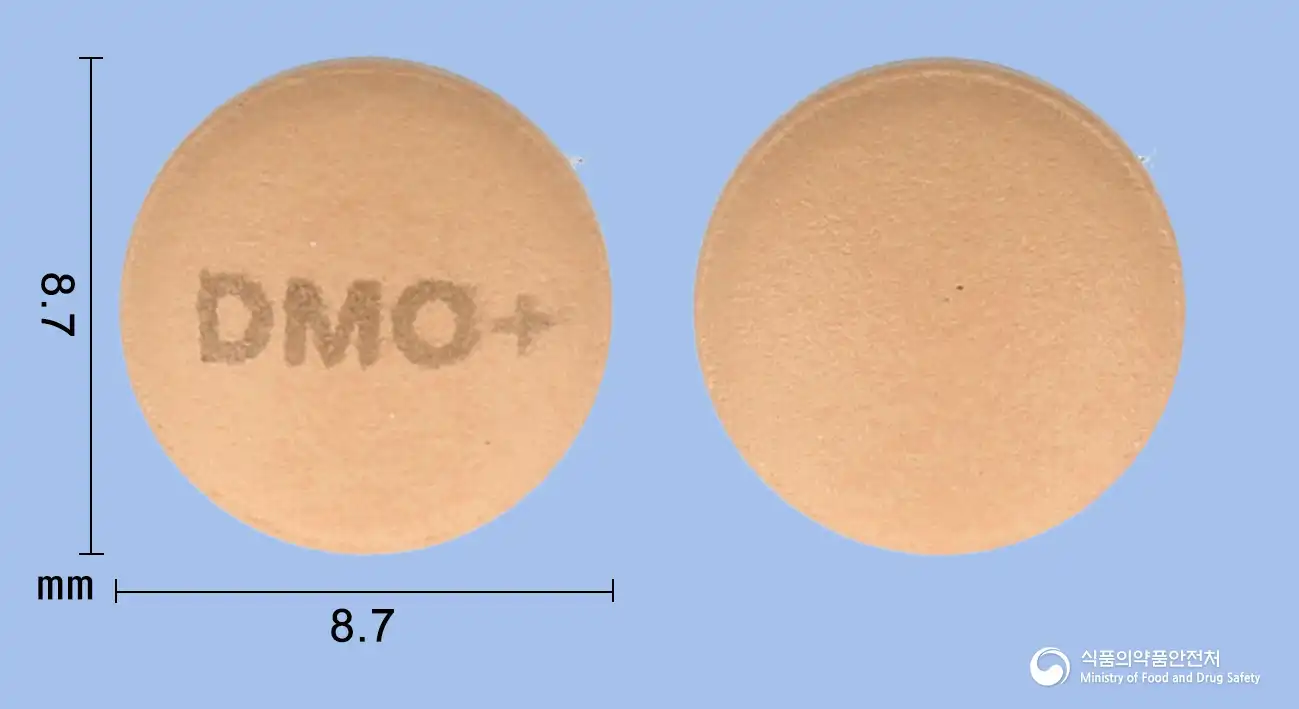 Combination
Olmesartan Medoxomil 20mg · Hydrochlorothiazide 12.5mg
Tablet · Prescription medication · Combination
Dasan Pharmaceutical Co., Ltd.
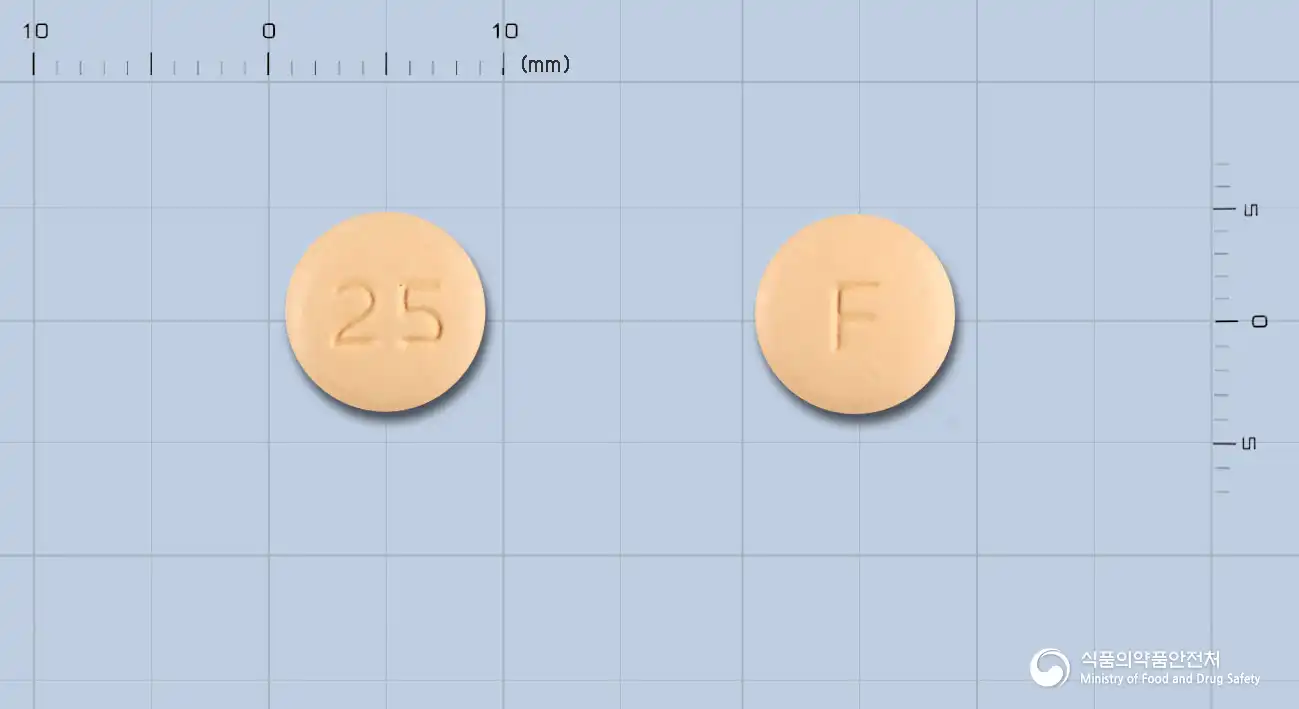 Combination
Olmesartan Medoxomil 20mg · Hydrochlorothiazide 12.5mg
Tablet · Prescription medication · Combination
Myungin Pharma Co., Ltd.
Even with the same ingredient, the dose and directions can differ by strength and dosage form. Talk to a doctor or pharmacist before switching from a medication you are already taking.
No questions yet.
For anything that needs medical judgment, consult a doctor or pharmacist.
This drug information is based on data provided by the Korea Ministry of Food and Drug Safety.
Consult a doctor or pharmacist for accurate dosage, administration, and usage instructions.