
 한국어
한국어 English
 日本語
日本語 中文(简体)
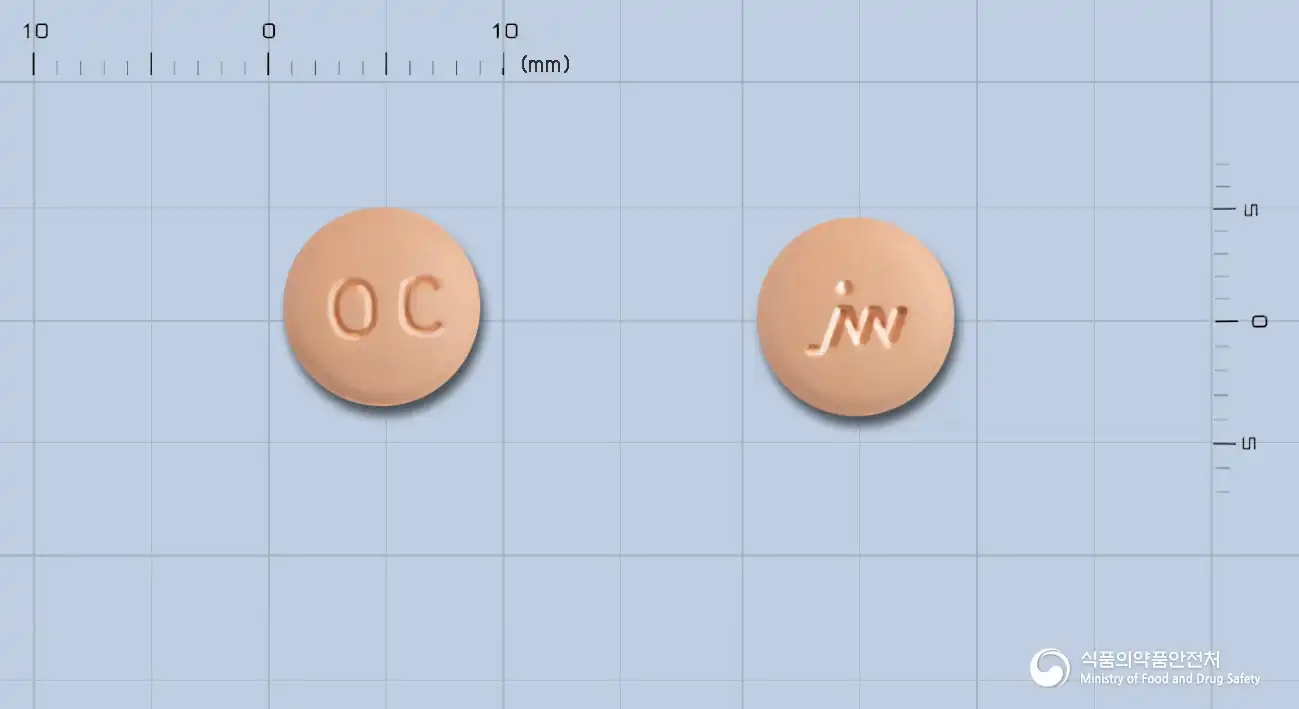 Viewing nowCombination
Olmesartan Medoxomil and Hydrochlorothiazide Tablets 20/12.5 mg
Olmesartan Medoxomil 20mg · Hydrochlorothiazide 12.5mg
Tablet · Prescription medication · Combination
JW Pharmaceutical Corp.
MFDS item code 201100792 · Approved 2011.02.21 · Insurance code 644913310
Treatment of essential hypertension
This medication helps to lower blood pressure effectively in patients with essential hypertension whose blood pressure is not adequately controlled with monotherapy using olmesartan medoxomil and hydrochlorothiazide. The combination of these two components promotes vasodilation and enhances sodium excretion, leading to improved blood pressure control. Consequently, it contributes to the prevention of cardiovascular complications and plays a significant role in the management of hypertension. This medication is used for the treatment of essential hypertension.
It is recommended to adjust the dose of olmesartan medoxomil or hydrochlorothiazide alone before administering this medication, and if adequate blood pressure control is not achieved with the individual components, administer one tablet of this medication once daily, regardless of meals. The dosage may be adjusted every 2 to 4 weeks based on the patient’s blood pressure response. For elderly patients, start at the lowest dosage and adjust according to the patient's kidney function, heart function, underlying conditions, and other medications.
Safety and effectiveness in children have not been established.
This medication can cause serious harm or even death to the fetus and neonate if taken during the second and third trimesters of pregnancy, so it should be discontinued immediately upon confirmation of pregnancy. It should not be administered to patients with an allergy to this medication or its components, or those with certain kidney and liver diseases, hyponatremia, hypokalemia, hypercalcemia, or other electrolyte imbalances. Patients with very low blood pressure or low blood volume, severe kidney or liver disease, certain heart conditions, elderly individuals, and infants should use this medication with caution. As this medication lowers blood pressure, dizziness or symptoms of hypotension may occur at the beginning of treatment; patients should be laid down and IV fluids administered if necessary. This medication can affect serum potassium levels, so potassium supplements or potassium-sparing diuretics should be monitored periodically when taken together. While taking this medication, it is important to regularly check blood pressure, kidney function, and electrolyte levels for any abnormalities. This medication may cause the skin to become sensitive to sunlight, so avoiding sun exposure and using sunscreen is advisable if needed. If severe cough, rash, itching, or swelling of the face or neck occurs as an allergic reaction while taking this medication, consultation with a doctor should be sought immediately. It is advisable to avoid using this medication during breastfeeding; if necessary, breastfeeding should be discontinued or discussed with a physician. Elderly patients or those with decreased kidney function must adjust the dosage and use this medication cautiously. In the case of overdose, symptoms such as hypotension, electrolyte abnormalities, and dehydration may occur, so immediate medical attention should be sought if symptoms arise. This medication may interact with other antihypertensives, diuretics, lithium, non-steroidal anti-inflammatory drugs, so if taking other medications, it is essential to inform the doctor or pharmacist. Safety and efficacy in children have not been established, so this medication is generally not used in pediatric patients.
Hives, severe swelling (edema), chest tightness, difficulty breathing, cold sweats, paleness, severe rash with fever, blisters, peeling skin, pain in mucous membranes of mouth/eyes, difficulty breathing or shortness of breath, asthma attacks, respiratory abnormalities associated with cough and fever, yellowing of the skin or eyes (jaundice), severe lethargy, sudden and severe headache, thunderclap headache, seizures, altered consciousness, visual disturbances, paralysis, urination changes.
Nausea, vomiting, diarrhea, dizziness, headache, weakness, peripheral edema, back pain, palpitations, dyspepsia, gastritis, chest pain, arthritis, arthralgia, myalgia, cough, rash, hematuria, hair loss, itching, facial edema, increased serum creatinine, hyperuricemia, hyperkalemia, hyperglycemia, hyperlipidemia, hypercholesterolemia, hypertriglyceridemia, raised creatine phosphokinase, chronic malabsorption syndrome-like ileus, blood pressure fluctuation.
Not everyone experiences these, and they can vary from person to person.
This medication should be stored in a closed container to protect it from air and moisture. The ideal storage temperature is between 1 and 25 degrees Celsius to maintain the effectiveness and safety of the medication for a long period.
Pale yellow-pink round film-coated tablets
30 tablets/bottle, 300 tablets/bottle
Even with the same ingredient, strength, dosage form and how it is taken can differ.
Viewing nowCombinationOlmesartan Medoxomil 20mg · Hydrochlorothiazide 12.5mg
Tablet · Prescription medication · Combination
JW Pharmaceutical Corp.
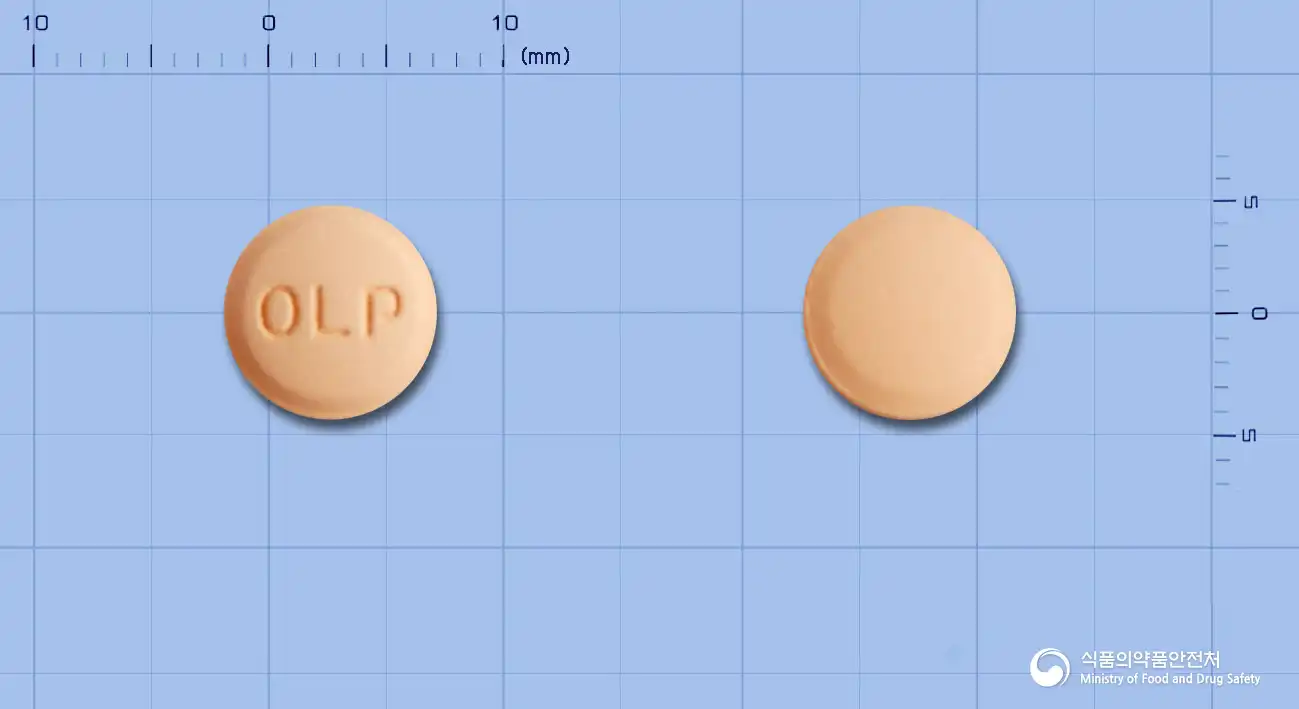 Combination
Olmesartan Medoxomil 20mg · Hydrochlorothiazide 12.5mg
Tablet · Prescription medication · Combination
Dongkuk Pharmaceutical Co., Ltd.
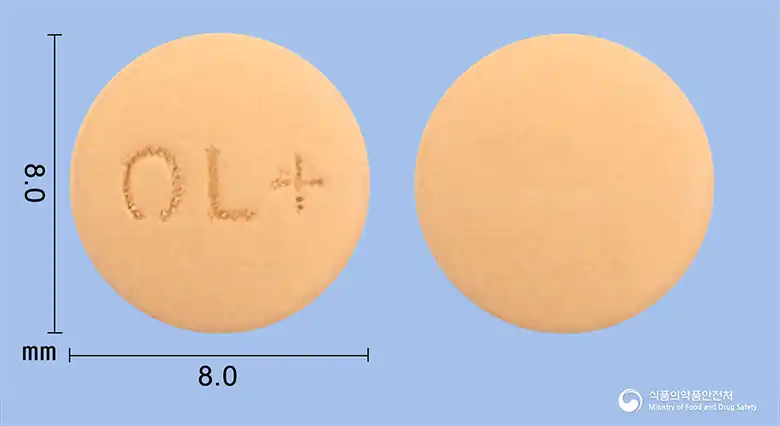 Combination
Olmesartan Medoxomil 20mg · Hydrochlorothiazide 12.5mg
Tablet · Prescription medication · Combination
Hana Pharmaceutical Co., Ltd.
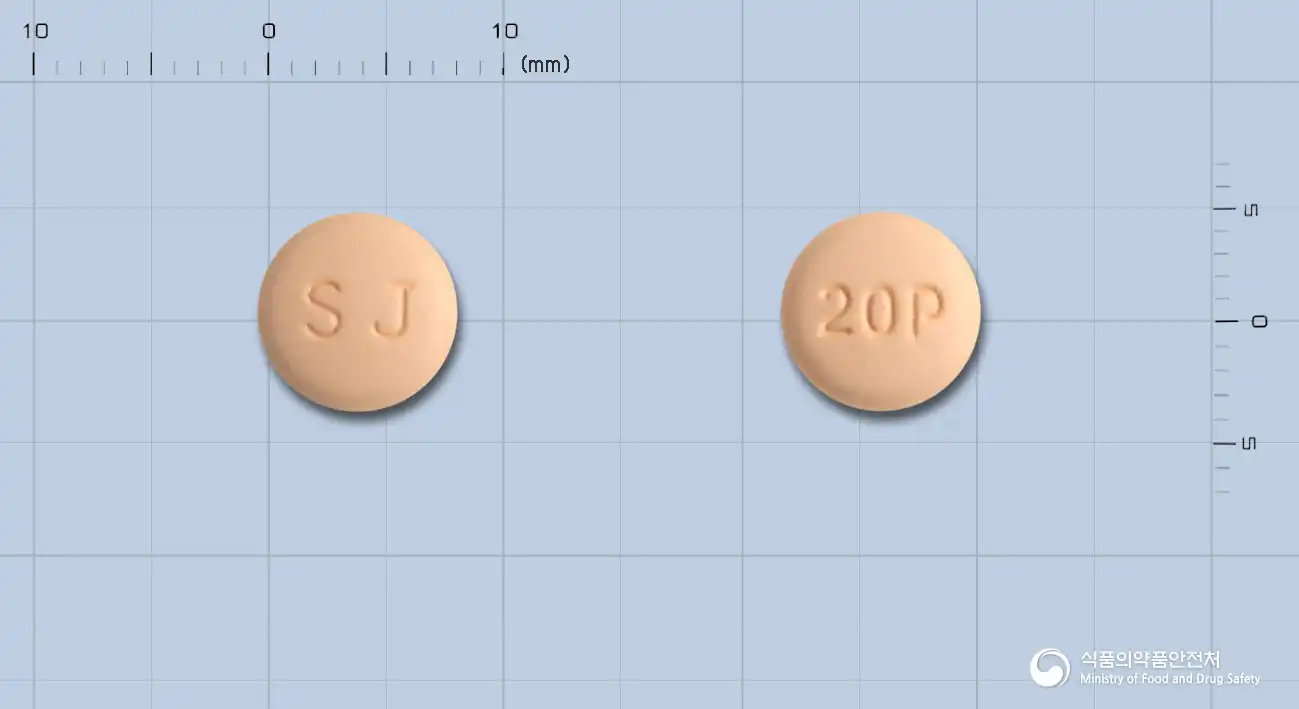 Combination
Olmesartan Medoxomil 20mg · Hydrochlorothiazide 12.5mg
Tablet · Prescription medication · Combination
Samjin Pharmaceutical Co., Ltd.
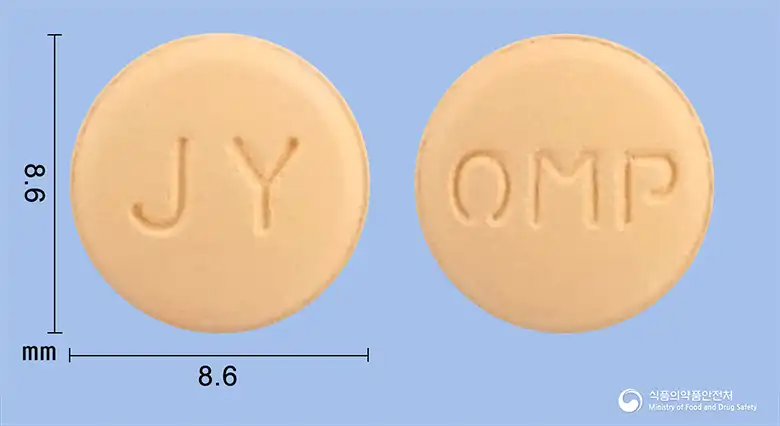 Combination
Olmesartan Medoxomil 20mg · Hydrochlorothiazide 12.5mg
Tablet · Prescription medication · Combination
Jinyang Pharmaceutical Co., Ltd.
Olmesartan Medoxomil 20mg · Hydrochlorothiazide 12.5mg
Prescription medication · Combination
Kookje Pharmaceutical Co., Ltd.
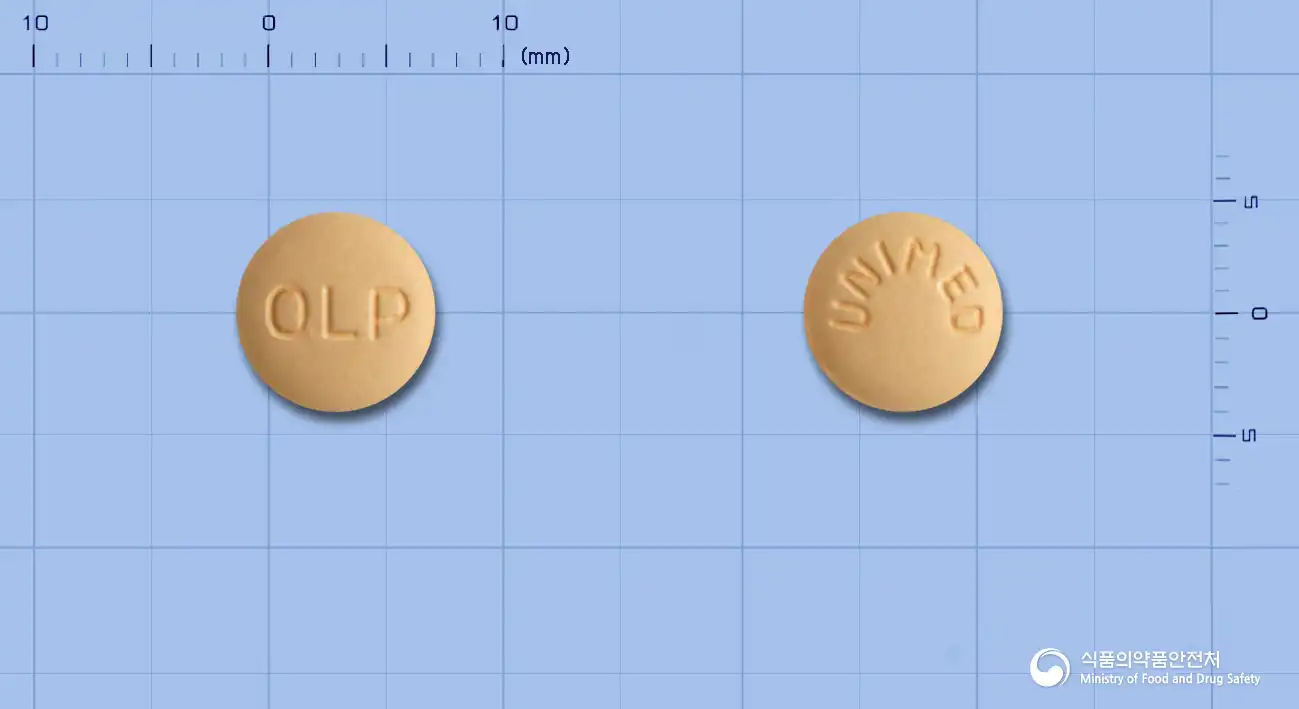 Combination
Olmesartan Medoxomil 20mg · Hydrochlorothiazide 12.5mg
Tablet · Prescription medication · Combination
Unimed Pharmaceutical Co., Ltd.
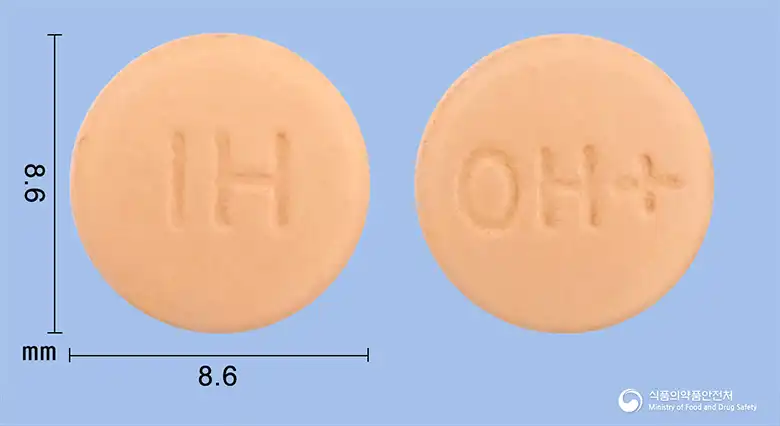 Combination
Olmesartan Medoxomil 20mg · Hydrochlorothiazide 12.5mg
Tablet · Prescription medication · Combination
Ilhwa Co., Ltd.
Even with the same ingredient, the dose and directions can differ by strength and dosage form. Talk to a doctor or pharmacist before switching from a medication you are already taking.
No questions yet.
For anything that needs medical judgment, consult a doctor or pharmacist.
This drug information is based on data provided by the Korea Ministry of Food and Drug Safety.
Consult a doctor or pharmacist for accurate dosage, administration, and usage instructions.