
 한국어
한국어 English
 日本語
日本語 中文(简体)
 Viewing now
Ternon Soft Capsule (Dexibuprofen)
Dexibuprofen 300mg
Soft capsule · OTC medication
Jongkundang Co., Ltd.
MFDS item code 201100502 · Notified 2011.01.31
Improvement of joint symptoms such as chronic polyarthritis and rheumatoid arthritis
This medication is used to treat inflammatory diseases occurring simultaneously in multiple joints, such as chronic polyarthritis and rheumatoid arthritis. It also helps alleviate pain and inflammation caused by osteoarthritis and ankylosing spondylitis. It is effective for painful swelling (edema) and inflammation occurring after trauma or surgery, and serves as an adjunct in the treatment of infections accompanied by inflammation, pain, and fever. Overall, this medication is used to improve various symptoms related to inflammation.
As dexibuprofen, take 300 mg orally 2 to 4 times a day. However, do not exceed 1,200 mg of dexibuprofen in one day.
This medication should be consulted with a doctor or pharmacist before taking if the patient regularly consumes more than 3 alcoholic drinks a day. Regular consumption of alcohol while taking this medication can increase the risk of gastrointestinal bleeding. This medication may increase the risk of cardiovascular diseases. Caution should be exercised, especially for those with a history or risk factors of heart disease or stroke. Patients should be closely monitored for cardiovascular symptoms while on this medication, and immediate medical consultation is required if symptoms occur. This medication can cause serious gastrointestinal problems such as bleeding, ulcers, or perforation. Elderly patients or those with a history of gastrointestinal diseases may be at greater risk. Immediate medical attention is necessary if symptoms such as abdominal pain or bleeding occur while taking this medication. Patients with a history of gastrointestinal ulcers or bleeding, or severe liver, kidney, or heart disease should not take this medication. Patients who have allergies to this medication or its components or have a history of asthma should also avoid taking it. It is advisable to avoid co-administration of aspirin or other non-steroidal anti-inflammatory drugs while using this medication. Co-administration with other medications may increase the risk of side effects, so consultation with a healthcare professional is essential. While taking this medication, breastfeeding should be avoided, and caution is needed during driving or operation of machinery due to the possible occurrence of dizziness or fatigue. Long-term high-dose use may also cause headaches. Patients with blood disorders, liver or kidney disease, high blood pressure, heart failure, or allergy histories must consult a doctor or pharmacist before taking this medication. If shock symptoms, severe skin rashes, difficulty breathing, severe gastrointestinal symptoms, liver dysfunction, kidney dysfunction, or neurological disorders occur while taking this medication, it should be discontinued immediately and medical consultation is necessary. This medication should be used at the minimum effective dosage for the shortest duration possible, and regular blood tests along with liver and kidney function tests are required during long-term use. During pregnancy, especially after the 20th week, this medication should only be used if necessary, for the minimum duration possible as it could affect fetal kidney function, and amniotic fluid conditions should be monitored regularly. In case of overdose, immediate medical attention is required, and the medication should be stored out of reach of children, away from direct sunlight and moisture.
Hives, severe swelling (edema), chest tightness, difficulty breathing, cold sweat, pallor, severe rashes accompanied by high fever, blisters, skin peeling, pain in oral/ocular mucosa, shortness of breath or difficulty breathing, asthma attacks, respiratory abnormalities accompanied by cough and fever, jaundice (yellowing of skin or eyes), extreme lethargy, sudden and severe headaches, thunderclap headaches, seizures, disorientation, visual disturbances, paralysis, urination issues
Not everyone experiences these, and they can vary from person to person.
Do not use other non-steroidal anti-inflammatory drugs, aspirin, or high-dose methotrexate while taking this medication. Consult a healthcare professional before taking corticosteroids, alcohol, digoxin, phenytoin, probenecid, sulfinpyrazone, sulfonylureas, ACE inhibitors, angiotensin II receptor antagonists, diuretics, lithium, coumarin anticoagulants, baclofen, immunosuppressants, thrombolytics, ticlopidine, antithrombotics, or blood.
This medication should be stored in a sealed container to prevent exposure to air or moisture, at room temperature between 1°C and 30°C. Storing it this way helps maintain its effectiveness and prevents deterioration.
Blue transparent oval soft capsules containing a colorless to pale blue transparent content
10 capsules/PTP
Even with the same ingredient, strength, dosage form and how it is taken can differ.
Viewing nowDexibuprofen 300mg
Soft capsule · OTC medication
Jongkundang Co., Ltd.

Dexibuprofen 300mg
Tablet · OTC medication
Bionex Co., Ltd.

Dexibuprofen 300mg
Tablet · OTC medication
Anguk Pharmaceutical Co., Ltd.
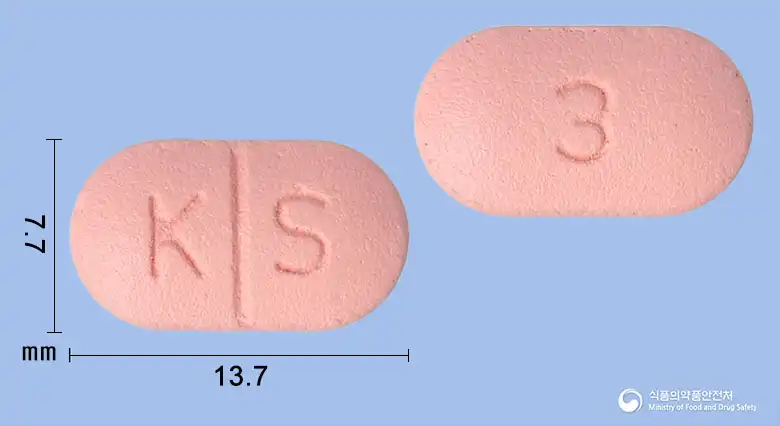
Dexibuprofen 300mg
Tablet · OTC medication
Aprogen Pharmaceuticals, Co., Ltd.
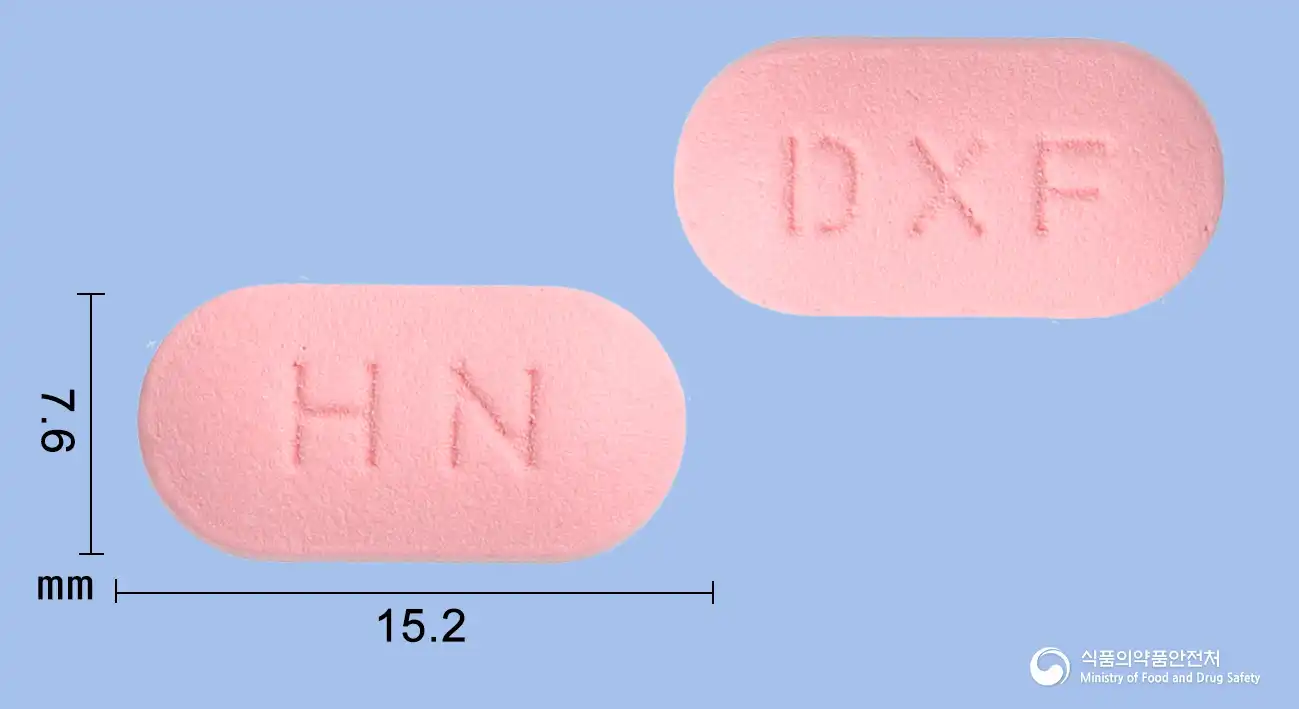
Dexibuprofen 300mg
Tablet · OTC medication
Hana Pharmaceutical Co., Ltd.

Dexibuprofen 150mg
Tablet · OTC medication
Anguk Pharm Co., Ltd.
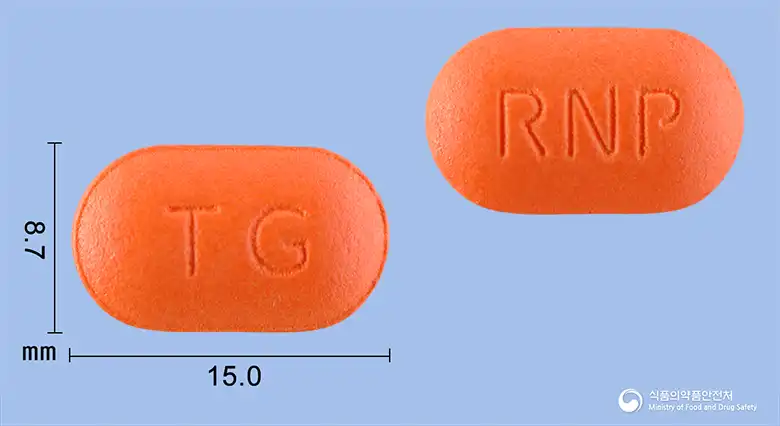
Dexibuprofen 300mg
Tablet · OTC medication
Taeguk Pharmaceutical Co., Ltd.
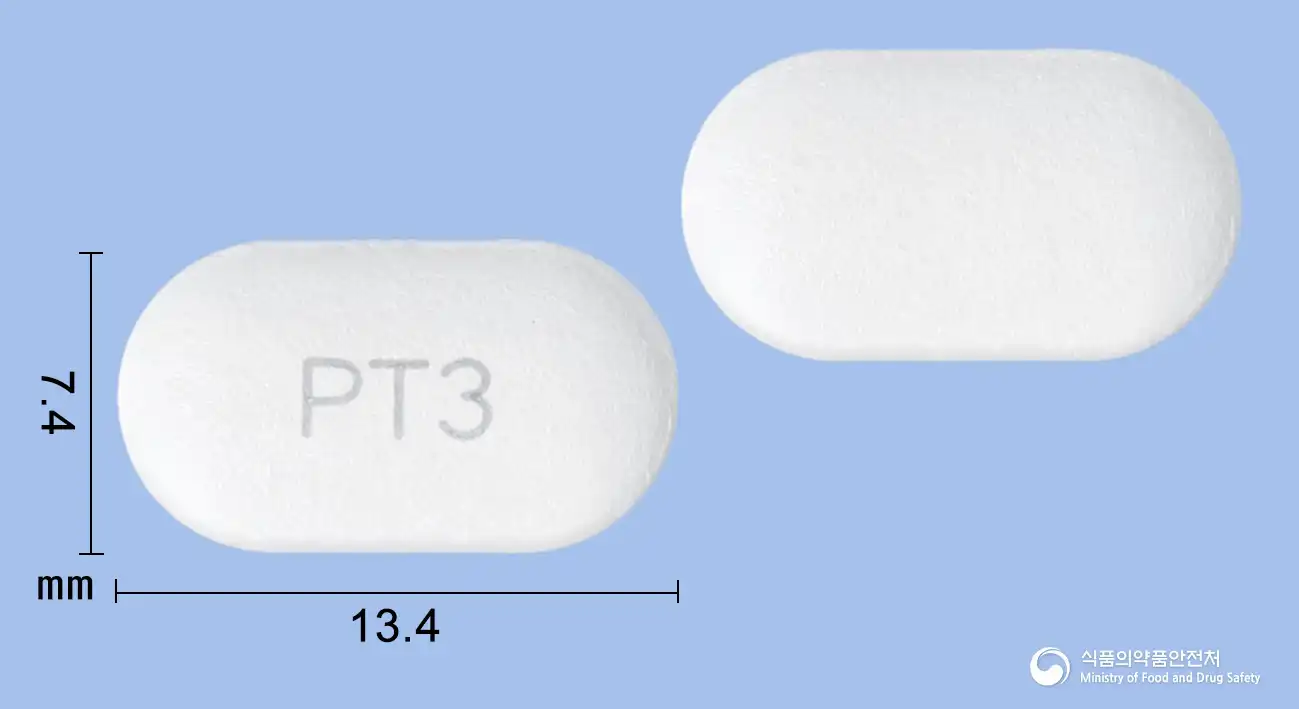
Dexibuprofen 300mg
Tablet · OTC medication
Genupharm Co., Ltd.
Even with the same ingredient, the dose and directions can differ by strength and dosage form. Talk to a doctor or pharmacist before switching from a medication you are already taking.
No questions yet.
For anything that needs medical judgment, consult a doctor or pharmacist.
This drug information is based on data provided by the Korea Ministry of Food and Drug Safety.
Consult a doctor or pharmacist for accurate dosage, administration, and usage instructions.