한국어
한국어 English
 日本語
日本語 中文(简体)
 Viewing now
Onglyza Tablet 2.5 mg (Saxagliptin Hydrate)
Saxagliptin Hydrate 2.64mg
Tablet · Prescription medication
AstraZeneca Korea Co., Ltd.
MFDS item code 201100374 · Approved 2011.01.24 · Insurance code 650700890
Improvement of blood sugar control in type 2 diabetes
This medication helps patients with type 2 diabetes to achieve more effective blood sugar control by combining meal plans and exercise. It can be used alone or in combination with other medications. It significantly aids in blood sugar management, supporting the maintenance of a healthy lifestyle.
1. When administered as monotherapy, the recommended dose is 2.5 mg or 5 mg once daily. 2. When administered as combination therapy: - In cases where there is no previous experience with diabetes medication and blood sugar control is difficult with monotherapy, administer 5 mg once daily in combination with metformin. - In cases where blood sugar control is difficult with monotherapy using metformin, sulfonylureas, or thiazolidinediones, administer 2.5 mg or 5 mg once daily in combination.
This medication should not be administered to specific patients. Patients who have had severe allergic reactions or angioedema to this medication or other DPP-4 inhibitors should not take this medication. Additionally, it should not be administered to patients with type 1 diabetes or diabetic ketoacidosis. This medication contains lactose, therefore, patients with genetic disorders such as lactose intolerance, lactase deficiency, or glucose-galactose malabsorption should not use it. Caution is needed when this medication is taken with other hypoglycemic agents, as the risk of hypoglycemia may increase. Particularly, when used in combination with insulin or sulfonylureas, the dosages of these medications may need to be reduced to lower the risk of hypoglycemia. In patients with heart failure, especially those with severe heart failure, the experience with this medication is limited, thus it should be administered cautiously. Patients with a history of heart failure or significantly impaired renal function should be closely monitored for symptoms of heart failure, and if symptoms occur, medical personnel should be notified immediately. While taking this medication, patients should be closely monitored for signs and symptoms of pancreatitis, and if pancreatitis is suspected, the medication should be stopped immediately and appropriate treatment should be sought. As hypersensitivity reactions may occur, if symptoms like hives, facial swelling, or anaphylaxis appear, the medication should be stopped immediately, and a doctor should be consulted. Common side effects of this medication may include upper respiratory tract infections, urinary tract infections, headaches, sinusitis, abdominal pain, gastroenteritis, and vomiting. There is a possibility of hypoglycemia, therefore, especially when taken with insulin or sulfonylureas, blood sugar levels should be regularly checked and symptoms of hypoglycemia should be monitored. This medication should only be used during pregnancy when clearly necessary and should be administered cautiously during breastfeeding. It is not recommended for use in children as safety and effectiveness have not been established. Elderly patients should be cautious regarding dosage adjustments due to the possibility of impaired renal function. No special dosage adjustments are needed for patients with liver impairment. In case of overdose, there is no specific antidote, and general treatment should be initiated based on symptoms; some can be removed by hemodialysis. This medication should be kept out of the reach of children and stored in its original container to prevent deterioration or misuse. Caution is also needed as symptoms like drowsiness may occur when driving or operating machinery.
Hives, severe swelling (angioedema), anaphylaxis, vascular edema, severe allergic reaction, severe skin reactions, blistering dermatitis, tightness in the chest, difficulty breathing, respiratory distress, asthma attack, acute pancreatitis, severe joint pain accompanied by disability, heart failure, hospitalization due to heart failure, jaundice, liver anomalies, sudden and very severe headache, thunderclap headache, seizures, confusion, visual disturbances, paralysis, urine volume.
Not everyone experiences these, and they can vary from person to person.
This medication should be stored in a tightly closed container to protect it from air and moisture. The recommended storage temperature is room temperature between 1-degree and 30-degrees Celsius.
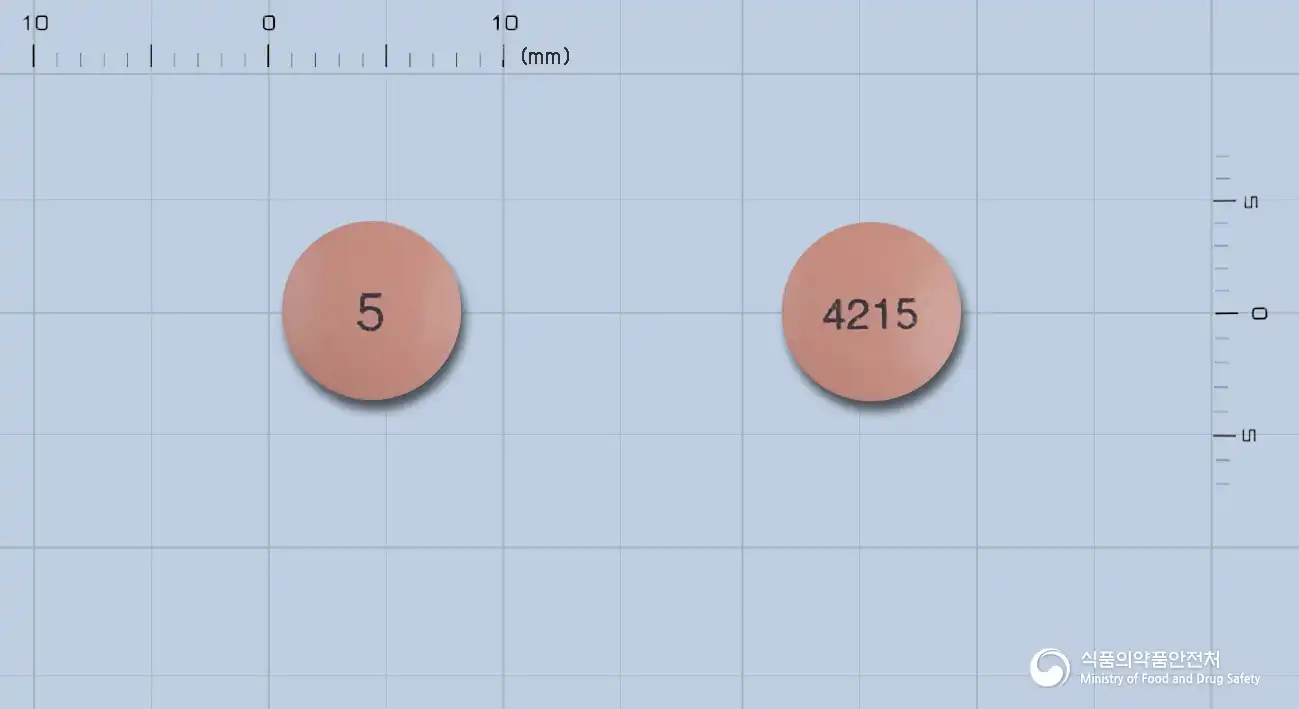
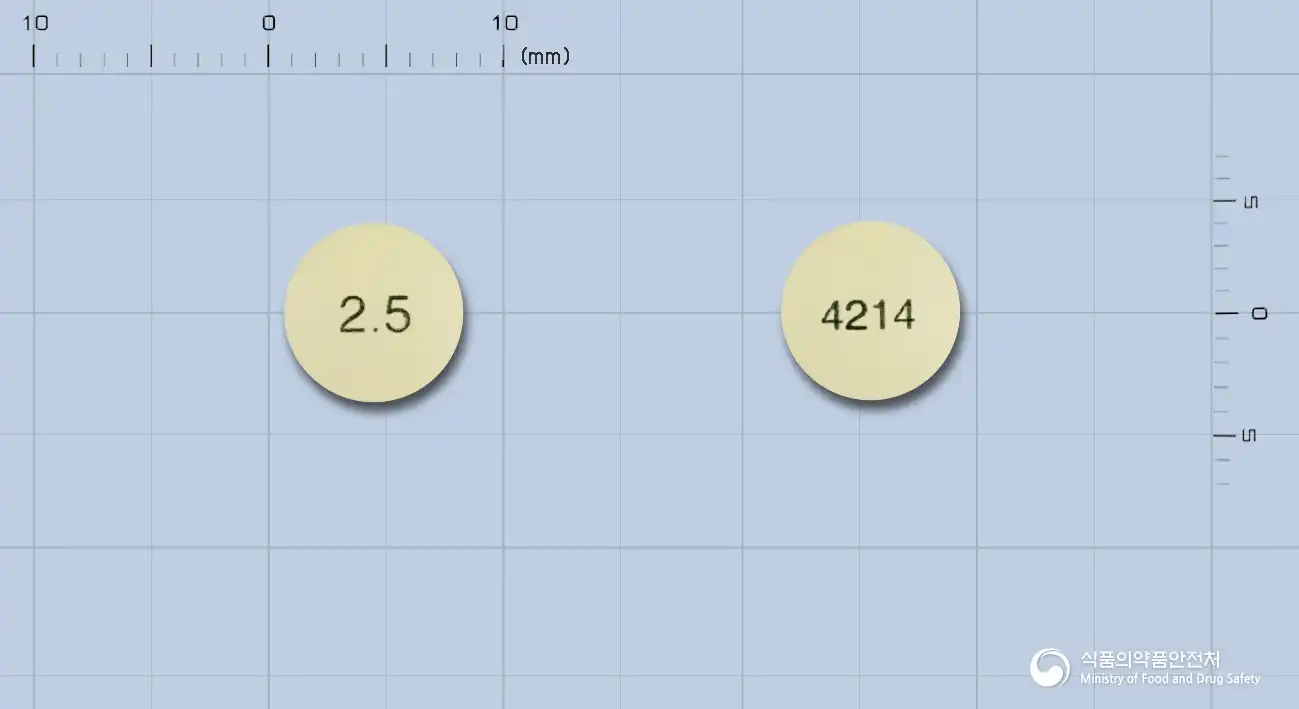
Light yellow, biconvex, round, film-coated tablet
28 tablets (14 tablets/PTP × 2)
Even with the same ingredient, strength, dosage form and how it is taken can differ.
Even with the same ingredient, the dose and directions can differ by strength and dosage form. Talk to a doctor or pharmacist before switching from a medication you are already taking.
No questions yet.
For anything that needs medical judgment, consult a doctor or pharmacist.
This drug information is based on data provided by the Korea Ministry of Food and Drug Safety.
Consult a doctor or pharmacist for accurate dosage, administration, and usage instructions.