한국어
한국어 English
 日本語
日本語 中文(简体)
 Viewing now
Ongliza Tablet 5 mg (Saxagliptin Hydrate)
Saxagliptin Hydrate 5.29mg
Tablet · Prescription medication
AstraZeneca Korea Co., Ltd.
MFDS item code 201100373 · Approved 2011.01.24 · Insurance code 650700880
Improvement of blood sugar control in type 2 diabetes
This medication helps improve blood sugar control in patients with type 2 diabetes. It is effective for blood sugar management when used in conjunction with dietary and exercise therapy, and can be administered alone or in combination with other medications. This facilitates smooth blood sugar control and contributes to diabetes treatment.
Administer 2.5 mg or 5 mg once daily. For combination therapy: - 5 mg once daily when used in conjunction with metformin. - 2.5 mg or 5 mg once daily when combined with metformin or sulfonylurea or thiazolidinedione monotherapy. - 5 mg once daily when combined with metformin and sulfonylurea. - 5 mg once daily when used alone with insulin or in combination with metformin. - 5 mg once daily when combined with metformin and dapagliflozin.
This medication should not be used by certain patients. For example, patients who have shown serious allergic reactions to this medication or other DPP-4 inhibitors, as well as those with type 1 diabetes or diabetic ketoacidosis, should not take this medication. Additionally, patients with lactose intolerance or genetic lactase deficiency should also refrain from using this medication. Caution is required when this medication is used with other drugs that may cause hypoglycemia. Particularly, the risk of hypoglycemia increases when combined with insulin or sulfonylureas, so dosage adjustments may be necessary. In patients with heart failure, this medication should be administered carefully and is not recommended for patients with severe heart failure. Symptoms of heart failure that arise during treatment should be reported to a healthcare professional immediately. Acute pancreatitis has been reported, so careful observation for symptoms of pancreatitis is necessary, and if suspected, the medication should be discontinued immediately. Hypersensitivity reactions, such as anaphylaxis or angioedema, may occur, so if such symptoms appear, the use of this medication should be stopped and a healthcare professional should be consulted. Since this medication is primarily excreted through the kidneys, dosage adjustments may be needed for patients with impaired kidney function, and elderly patients should also be monitored based on kidney function. Women who are pregnant or nursing should exercise caution when using this medication and should consult a professional if necessary. While taking this medication, headaches, upper respiratory infections, urinary tract infections, gastrointestinal symptoms, etc., may occur, so any persistent symptoms should be reported to a healthcare professional. Additionally, caution is needed while driving or operating machinery due to the possibility of drowsiness. In cases of overdose, there is no specific antidote, and general treatment will be provided according to symptoms, with some medications able to be removed through hemodialysis. The safety and efficacy of this medication in children have not been established, so it is advisable not to use it. Finally, this medication should be stored in its original container and kept out of reach of children.
Not everyone experiences these, and they can vary from person to person.
This medication should be stored in a tightly closed container to protect it from air and moisture. Additionally, it is best to store the medication at room temperature between 1°C and 30°C.
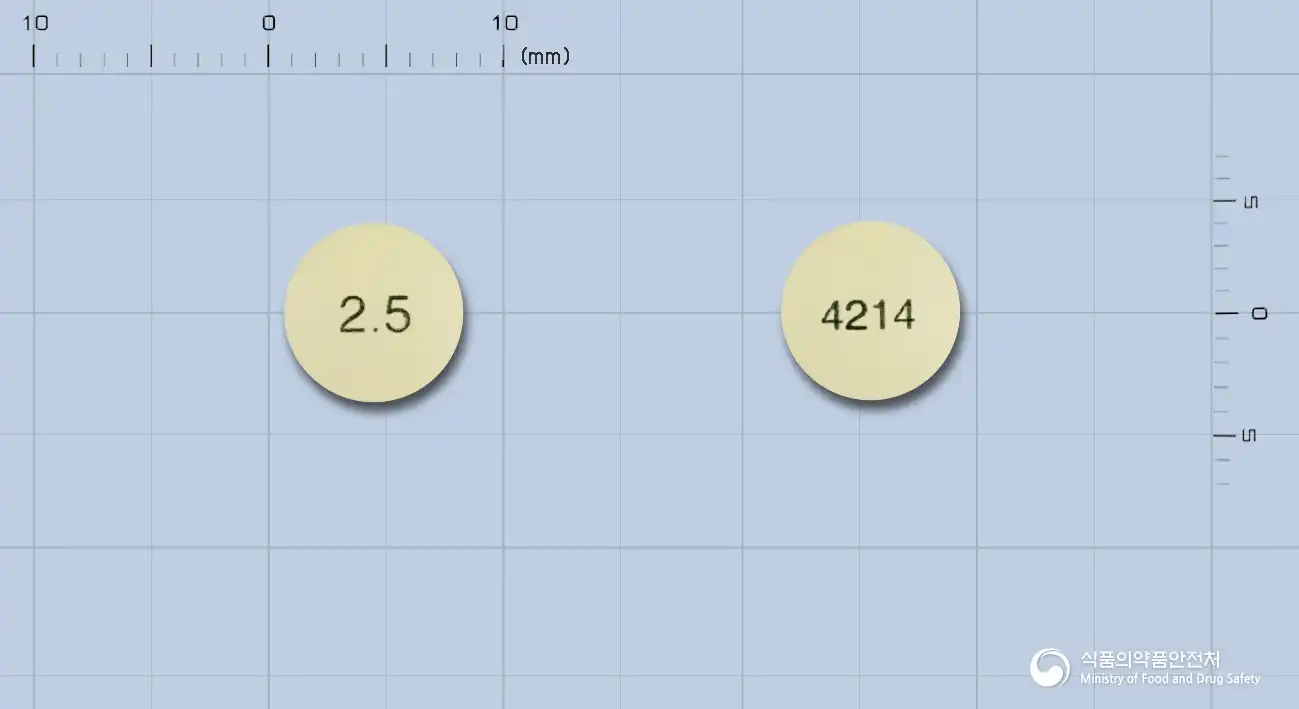
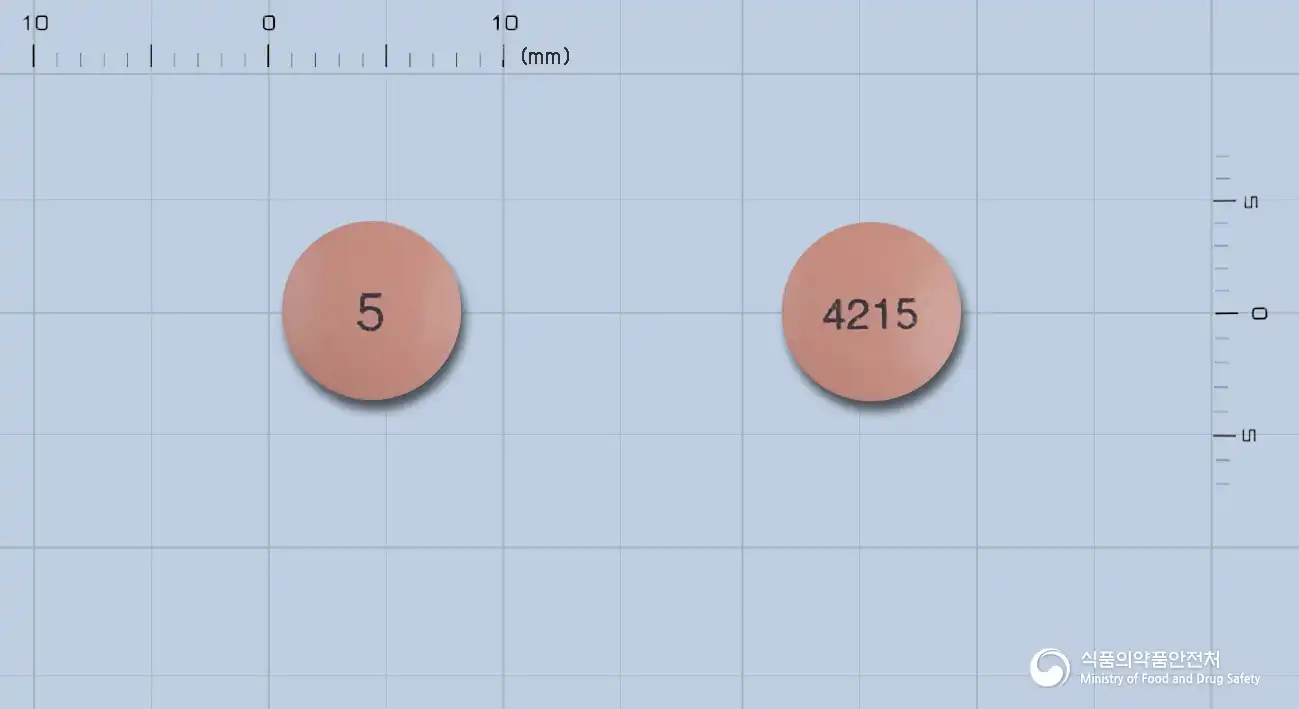
Pink, round, film-coated tablet with a biconvex shape
28 tablets (14 tablets/PTP x 2)
Even with the same ingredient, strength, dosage form and how it is taken can differ.
Even with the same ingredient, the dose and directions can differ by strength and dosage form. Talk to a doctor or pharmacist before switching from a medication you are already taking.
No questions yet.
For anything that needs medical judgment, consult a doctor or pharmacist.
This drug information is based on data provided by the Korea Ministry of Food and Drug Safety.
Consult a doctor or pharmacist for accurate dosage, administration, and usage instructions.