
 한국어
한국어 English
 日本語
日本語 中文(简体)
 Viewing now
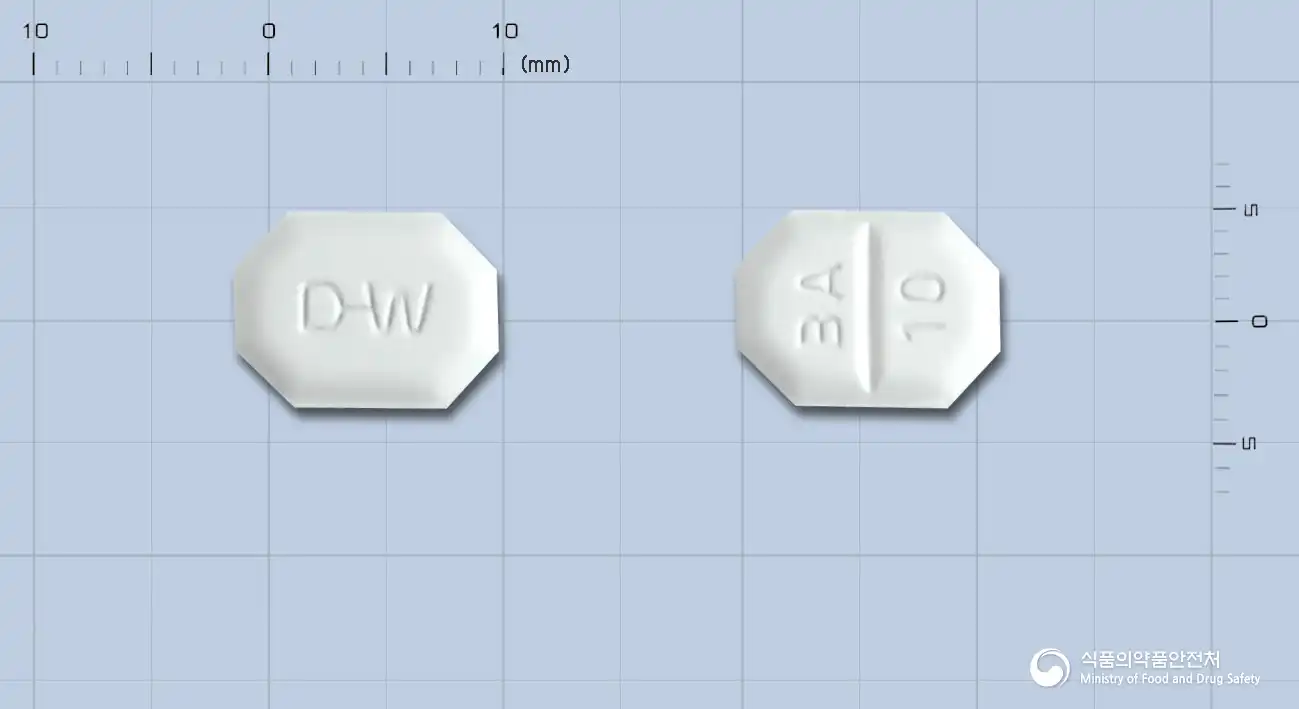
Donghwa Amlodipine Besilate Tablets 10 mg
Amlodipine Besylate 13.888mg
Tablet · Prescription medication
Donghwa Pharmaceutical Co., Ltd.
MFDS item code 201007568 · Notified 2010.12.21 · Insurance code 642705540
Improvement of myocardial ischemia and reduction of the risk of hospitalization due to angina and the risk of vascular intervention caused by hypertension and coronary artery disease (stable and variant angina).
This medication helps treat myocardial ischemia caused by hypertension, stable angina, and variant angina due to vascular spasms and constriction. Additionally, in patients who have confirmed coronary artery disease through recent angiography but do not have heart failure or have a cardiac output of over 40%, it reduces the risk of hospitalization due to angina and the risks associated with undergoing coronary vascular intervention. Therefore, this medication is used to alleviate symptoms of cardiovascular diseases and reduce the risk of severe complications.
Administer 5 mg orally once daily as amlodipine, and may be increased to a maximum of 10 mg daily according to patient response. Adjust according to age and symptoms as appropriate.
This medication should not be used in certain patients. It is contraindicated in individuals with allergies to this medication or similar drugs, nursing mothers, patients with severe liver dysfunction, those with severe aortic stenosis, and patients in shock. Furthermore, caution is advised in patients with severe hypotension, those requiring dialysis due to kidney failure, the elderly, and women who are pregnant or may become pregnant. Common side effects may include flushing, fatigue, swelling, palpitations, dizziness, headaches, drowsiness, abdominal pain, and nausea. Rarely, serious adverse reactions such as hypotension, vasculitis, neurological symptoms, gastrointestinal issues, liver dysfunction, and skin rashes may be reported. Patients with heart failure or liver dysfunction should be more cautious in using this medication, and the antihypertensive effects may slowly diminish after discontinuation, requiring care when concomitantly using other antihypertensives. Taking this medication with grapefruit juice may enhance the blood pressure-lowering effects, so it is advisable to avoid this combination. Additionally, interactions may occur with certain medications, and patients should inform their doctor or pharmacist if they are taking other drugs. Women who are pregnant are advised not to use this medication unless in special circumstances, and it is recommended for nursing mothers to discontinue breastfeeding while on this medication. The medication is only suitable for children aged 6 years and older; its efficacy and safety have not been established in children under 6 years old. In case of overdose, severe hypotension, tachycardia, and shock may occur, necessitating immediate medical attention. This medication is not removed by hemodialysis, so caution is necessary. It is known not to significantly affect driving or machinery operation abilities, but caution is advised in the event of any side effects.
Not everyone experiences these, and they can vary from person to person.
This medication should be stored in a tightly sealed container to prevent exposure to air and moisture, ideally at room temperature between 1°C and 30°C. Proper storage will help maintain the medication's efficacy.
White octagonal tablet
30 tablets/bottle
Even with the same ingredient, strength, dosage form and how it is taken can differ.
Viewing nowAmlodipine Besylate 13.888mg
Tablet · Prescription medication
Donghwa Pharmaceutical Co., Ltd.
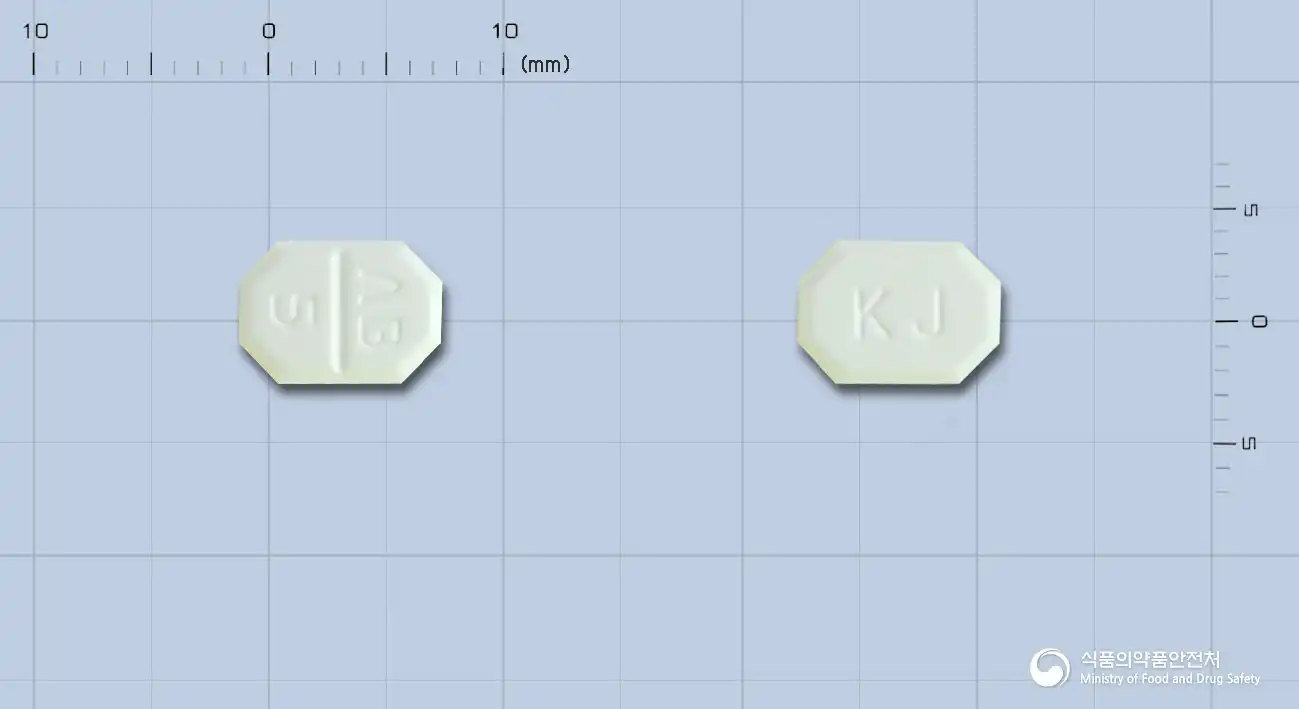
Amlodipine Besylate 6.94mg
Tablet · Prescription medication
International Pharmaceutical Co., Ltd.
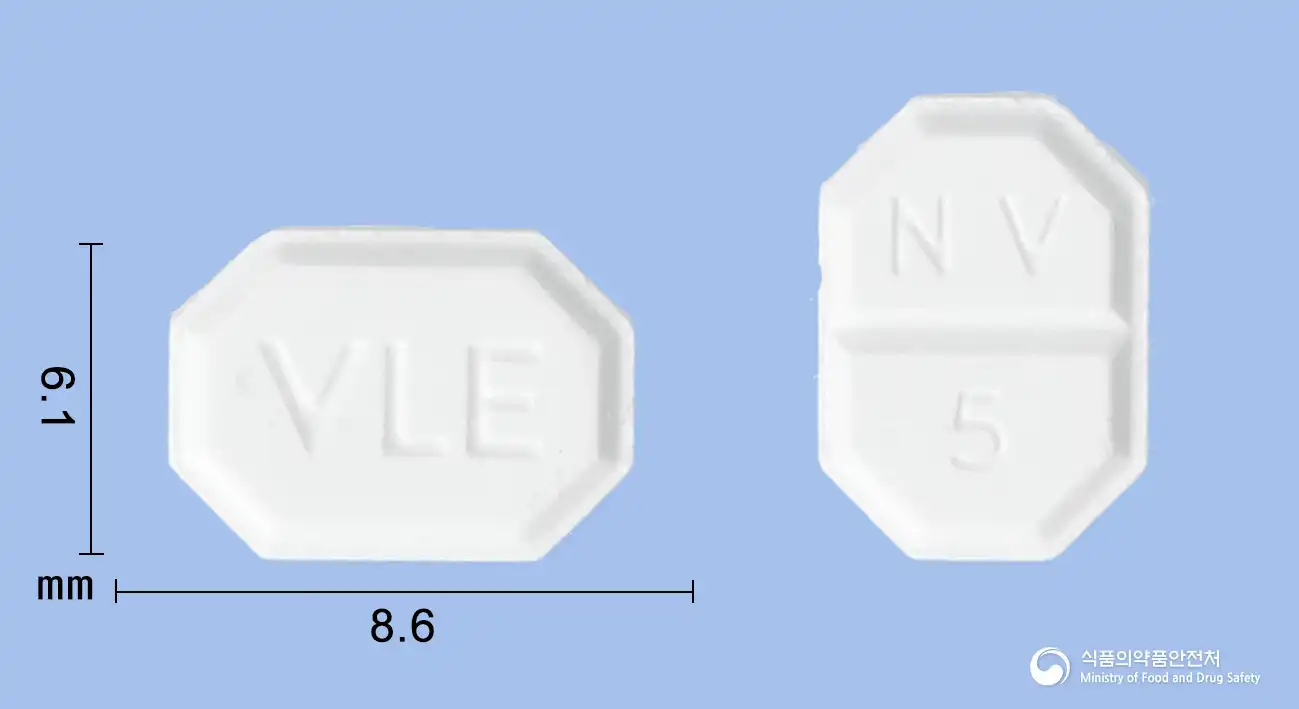
Amlodipine Besylate 6.944mg
Tablet · Prescription medication
Viatriss Korea Co., Ltd.
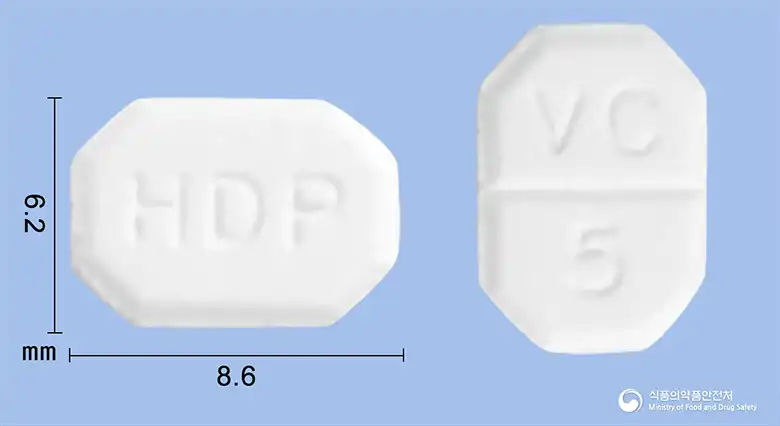
Amlodipine Besylate 6.944mg
Tablet · Prescription medication
Hyundai Pharmaceutical Co., Ltd.
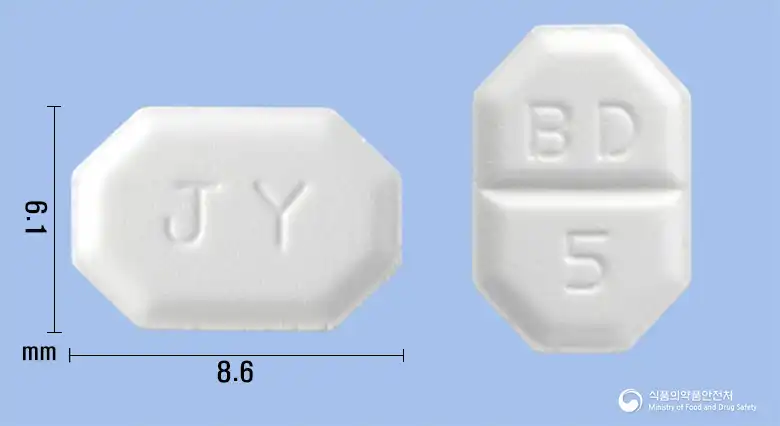
Amlodipine Besylate 6.944mg
Tablet · Prescription medication
Jinyang Pharmaceutical Co., Ltd.
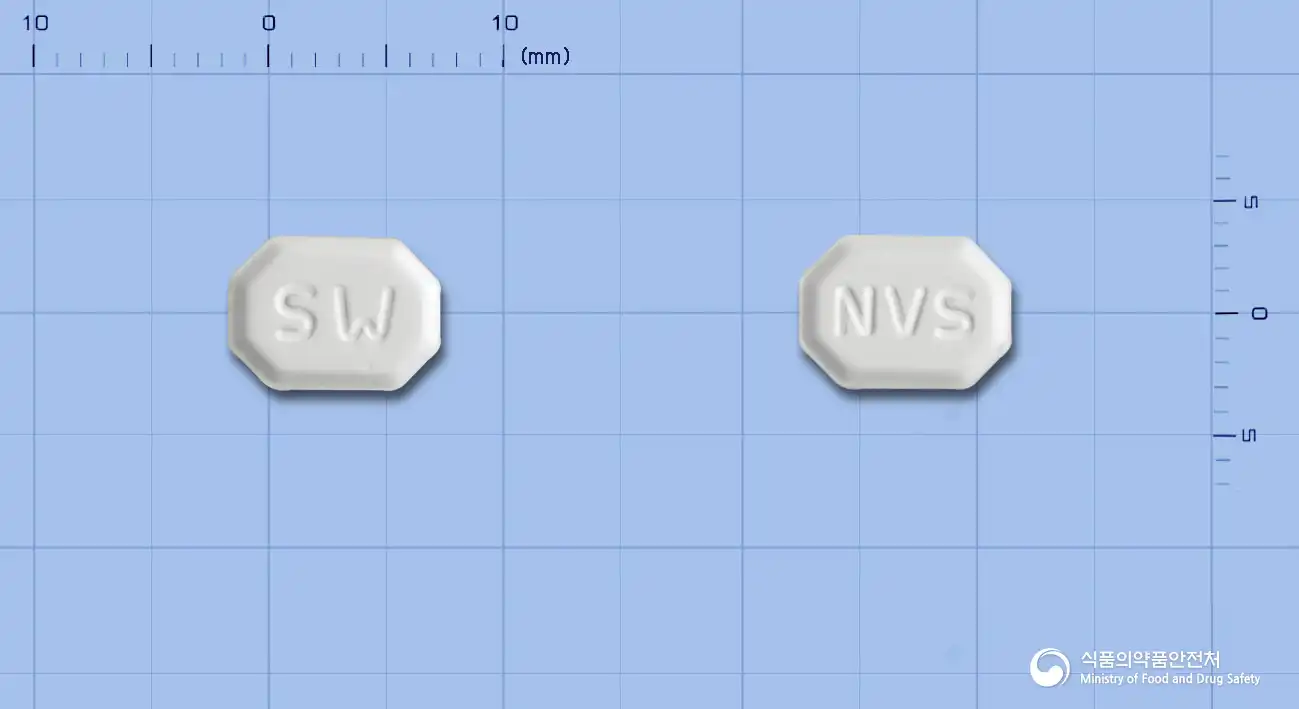
Amlodipine Besylate 6.944mg
Tablet · Prescription medication
Seongwon Adcock Pharmaceutical Co., Ltd.
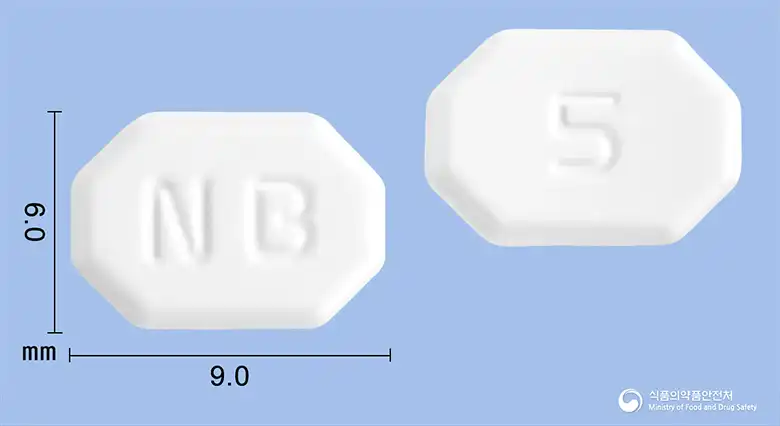
Amlodipine Besylate 6.944mg
Tablet · Prescription medication
KMS Pharmaceutical Co., Ltd.
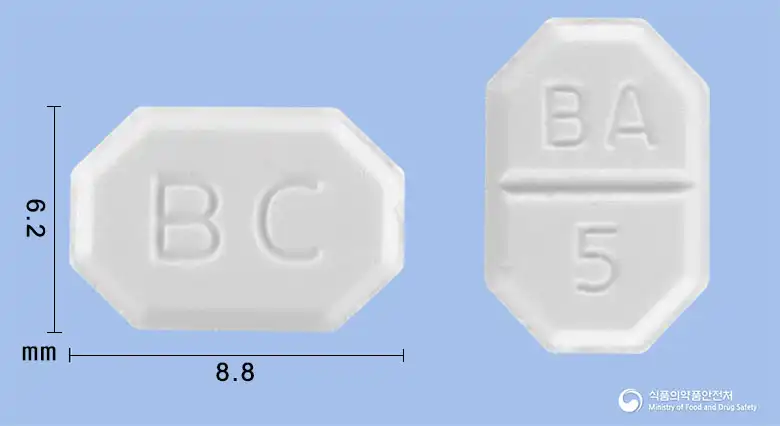
Amlodipine Besylate 6.944mg
Tablet · Prescription medication
BC World Pharmaceutical Co., Ltd.
Even with the same ingredient, the dose and directions can differ by strength and dosage form. Talk to a doctor or pharmacist before switching from a medication you are already taking.
No questions yet.
For anything that needs medical judgment, consult a doctor or pharmacist.
This drug information is based on data provided by the Korea Ministry of Food and Drug Safety.
Consult a doctor or pharmacist for accurate dosage, administration, and usage instructions.