
 한국어
한국어 English
 日本語
日本語 中文(简体)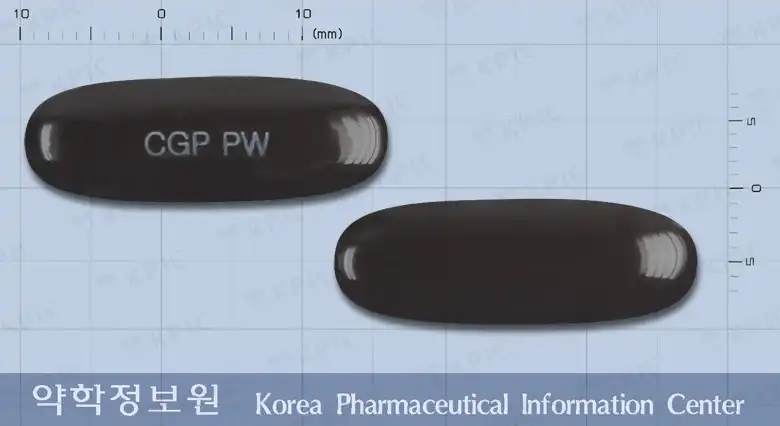
Summary
- Main use
- Prevention of bone disorders (such as rickets)
- Who takes it
- Adults · Children
- Adult dose
- For those aged 12 and above, take 1 capsule once a day.
- Child dose
- Dosage for children under 12 years is not specified.
Ingredients
- Dibasic Calcium Phosphate Hydrate590mg / 1 capsule
- Calcium Gluconate Hydrate163mg / 1 capsule
- Cholecalciferol Concentrate Oil0.33mg / 1 capsule
- Manufacturer
- (주)에이프로젠바이오로직스
Efficacy & effects
Prevention of bone disorders (such as rickets)
- Bone developmental disorders
- dental developmental disorders
- rickets
View approved original textHide original text
Vitamin D plays an important role in maintaining healthy bones during pregnancy, breastfeeding, growth periods, and older age. It particularly helps bones and teeth grow properly and is used to prevent bone diseases such as rickets. For these reasons, it is recommended to supplement vitamin D during essential times such as in growing children, pregnant women, breastfeeding mothers, and the elderly. Vitamin D is effective in maintaining healthy bones and supporting growth.
How to take
Adult dose
For those aged 12 and above, take 1 capsule once a day.
Child dose
Dosage for children under 12 years is not specified.
Precautions
This medicine should not be taken by individuals with hypercalcemia, sarcoidosis, or kidney diseases. Those allergic or sensitive to any components of this medicine should also avoid taking it. Infants under 12 months of age, patients with kidney stones, or those with severe renal failure should not take this medicine. Individuals allergic to soybean oil, soy, or peanuts should also be cautious. During the administration of this medicine, it is advisable not to take medications such as phosphates, calcium salts, oral tetracycline antibiotics, or antacids together. Patients currently undergoing treatment, pregnant women or those who may become pregnant, nursing mothers, premature infants, and infants should consult a doctor or pharmacist before taking this medicine because the vitamin D component can be transmitted through breast milk to babies, causing hypercalcemia. Those with heart or circulatory issues or poor kidney function should also consult with a professional before taking it. Patients with hypoproteinemia, those using cardiac glycosides, and individuals with a history of kidney stones should exercise caution. There should also be consultation for patients with lipid metabolism disorders such as hyperlipoproteinemia, diabetic dyslipidemia, or pancreatitis who need to use lipid emulsions carefully. This medicine contains a pigment called Tartrazine which should be taken with caution by those allergic to it. If symptoms such as nausea, vomiting, diarrhea, constipation, hypotension, facial flushing, irregular heartbeat, or skin rashes occur during use, stop taking it immediately and consult a professional. Overdose may result in gastrointestinal disturbances, hypernatremia, heart failure, and edema, and prolonged use can lead to hypercalcemia or stone diseases. If symptoms do not improve after taking it for more than a month, consult with a professional. It is essential to adhere to the prescribed dosage and administration. It is advisable to avoid teas that contain tannins, such as green tea and black tea, before and after taking this medicine. Patients at risk of fat overload should check their plasma lipid levels and adjust the dosage if necessary. If other lipid agents are being used concurrently, adjustments should be made considering the total amount of lipid components. This medicine should be stored out of reach of children, protected from direct sunlight, and kept in a cool, dry, and sealed container. To maintain quality, transferring to other containers is not recommended.
Side effects and when to seek care immediately
Mild side effects
- Nausea
- vomiting
- diarrhea
- constipation
- hypotension
- facial flushing
- irregular heartbeat
- skin rash
- congestive heart failure
- edema (swelling)
Not everyone experiences these, and they can vary from person to person.
Interactions
Drug interactions
This medicine should not be taken concurrently with phosphates, calcium salts, oral tetracycline preparations, or antacids. Additionally, consultation with a doctor or pharmacist is necessary if taken with cardiac glycosides.
Food interactions
This medicine should be avoided when taken with teas containing tannins, such as green tea and black tea.
Storage
This medicine may be sensitive to air and moisture, so it should be stored in a tightly sealed container. It is recommended to maintain a storage temperature between 1 to 30 degrees Celsius to preserve its effectiveness.
Appearance and packaging
Appearance
Brownish rectangular soft capsule containing milky white oily contents
Package unit
60 capsules (10 capsules/PTP packaging x 6), 120 capsules (10 capsules/PTP packaging x 12)
Questions about this medicine
No questions yet.
For anything that needs medical judgment, consult a doctor or pharmacist.