
 한국어
 English
 日本語
 中文(简体)
Dosage form image
Viewing nowCombinationSanaexin Tablets
Cilostazol · Ginkgo Biloba Leaf Dried Extract
Prescription medication · Combination
Korea Prime Pharmaceuticals Co., Ltd.
MFDS item code 201006211 · Notified 2010.10.18
This product's status changed to Approval revoked on 2023.08.02. It may no longer be sold, so consult a doctor or pharmacist before taking it.
Prevention of recurrent cerebral infarction; improvement of symptoms of chronic arterial occlusive disease (e.g., pain and coldness)
Combination therapy using cilostazol and Ginkgo Biloba extract is available when cilostazol alone is not sufficiently effective. This combination therapy helps effectively improve ischemic symptoms such as ulcers, pain, and coldness due to chronic arterial occlusive disease. Additionally, it is used to prevent recurrence of stroke after cerebral infarction. Therefore, this combination therapy provides positive therapeutic effects in alleviating symptoms related to blood circulation problems and preventing recurrence.
This medicine is used as replacement therapy in adult patients for whom treatment with cilostazol 100 milligrams and Ginkgo biloba dried extract 80 milligrams per dose, administered concomitantly twice daily, has been sufficiently effective. The usual adult dose is 1 tablet orally twice daily.
This medication may increase pulse rate and induce symptoms of angina, so care should be taken to observe symptoms such as chest pain. It should not be administered to patients with a risk of bleeding, recent bleeding disorders, or those who have undergone surgery, as well as patients with heart failure or allergies to its components. It should not be given to pregnant or breastfeeding women, and caution is needed for patients with lactose intolerance. Patients taking anticoagulants, antiplatelet medicines, thrombolytics, etc. should use it carefully as the risk of bleeding may increase. Women during menstruation or patients with severe heart, kidney, and liver dysfunction should also be carefully administered. This medication can cause serious side effects such as various bleeding, blood abnormalities, pneumonia, heart problems, liver dysfunction, etc., so it should be discontinued immediately and consulted with a doctor upon the appearance of unusual symptoms. Mild side effects have also been reported, such as dizziness, palpitations, dyspepsia, and skin rashes; symptoms should be observed. As this drug is metabolized in the liver, blood concentration may increase when used in combination with certain drugs, potentially requiring dosage adjustments. Women who may become pregnant should not take this medication, and breastfeeding should be discontinued if using it. Children or elderly patients may require dosage adjustments or careful monitoring due to decreased physiological function. In cases of overdose, severe headaches, diarrhea, hypotension, and arrhythmias may occur, necessitating an immediate visit to a medical facility. This medication should be stored in a sealed container, away from direct sunlight, and in a cool, dry place, out of reach of children. Caution is advised when driving or operating machinery as dizziness may occur.
Increased pulse rate, angina, headache, nausea, vomiting, altered consciousness, hemiplegia, pulmonary hemorrhage, subcutaneous hemorrhage, gastrointestinal bleeding, nasal bleeding, fundal hemorrhage, hematuria, pancytopenia, agranulocytosis, thrombocytopenia, leukopenia, aplastic anemia, fever, cough, dyspnea, abnormal chest X-ray findings, eosinophilia, congestive heart failure, myocardial infarction, ventricular tachycardia, jaundice, elevated AST, elevated ALT, elevated ALP, elevated LDH, phototoxic reaction, rash, urticaria, pruritus, lumbalgia, infection, chills, malaise, neck stiffness, pelvic pain, retroperitoneal bleeding, atrial fibrillation, atrial flutter, loss of tachycardia, ventricular tachycardia, loss of ectopic beats, ventricular ectopic beats, hypotension, orthostatic hypotension, palpitations, tachycardia, flushing, elevated blood pressure, cerebral infarction, cerebral ischemia, cardiac arrest, myocardial ischemia, syncope, varicose veins, vasodilation, left ventricular outflow tract obstruction, anxiety, neuralgia, weakness, bizarre dreams, heaviness in the head, dizziness, insomnia, numbness, drowsiness, tremors, abnormal bowel movements, dyspepsia, cholelithiasis, colitis, duodenal ulcer, duodenitis, esophagitis, elevated γ-GTP, gastritis, gastroenteritis, gum bleeding, melena, peptic ulcer, periodontal abscess, gastric ulcer, tongue edema, abdominal pain, loss of appetite, diarrhea, heartburn, abdominal bloating, gastrointestinal malaise, erythrocytosis, purpura, increased bleeding time, thrombocytosis, eosinophilia, anemia, facial edema, peripheral edema, gout, hyperlipidemia, elevated blood glucose, myalgia, arthralgia, bone pain, bursitis, increased cough, pharyngitis, rhinitis, asthma, sinusitis, pneumonia, diabetes mellitus, dry skin, boil, skin hypertrophy, allergic skin reaction, amblyopia, blindness, diplopia, ear pain, tinnitus, conjunctivitis, proteinuria, cystitis, vaginal bleeding, vaginitis, frequent urination, renal failure, renal dysfunction, elevated BUN, elevated creatinine, elevated uric acid, sweating, edema, chest pain, pain, lethargy, fever, skeletal abnormalities, increased sputum, hypocholesterolemia, constipation, saliva discoloration, increased saliva, shortness of breath, facial flushing, conjunctival hemorrhage
Not everyone experiences these, and they can vary from person to person.
This medication should be stored in a sealed container to avoid exposure to air or moisture and is best kept at room temperature between 1 and 30 degrees Celsius.
Pale green oval film-coated tablet
30 tablets/bottle, 100 tablets/bottle
Even with the same ingredient, strength, dosage form and how it is taken can differ.
Cilostazol · Ginkgo Biloba Leaf Dried Extract
Prescription medication · Combination
Korea Prime Pharmaceuticals Co., Ltd.
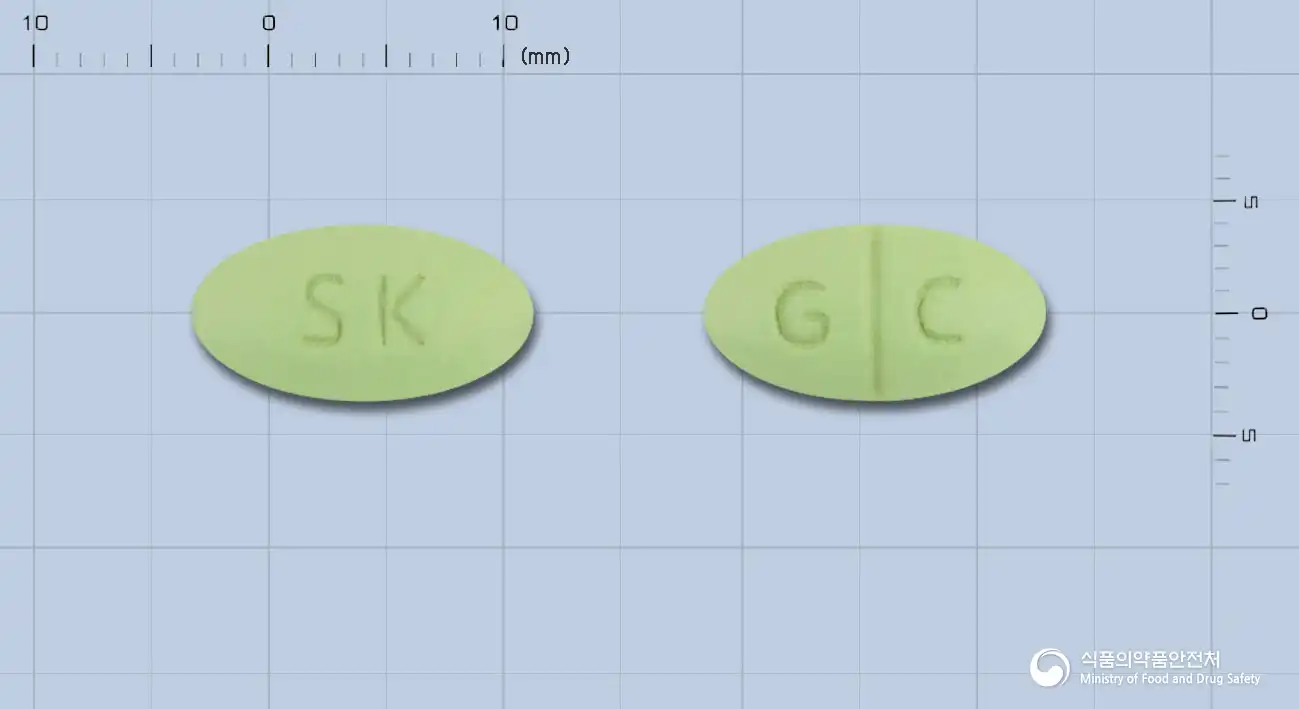 Combination
Cilostazol 100mg · Ginkgo Biloba Leaf Dried Extract 80mg
Tablet · Prescription medication · Combination
SK Chemical Co., Ltd.
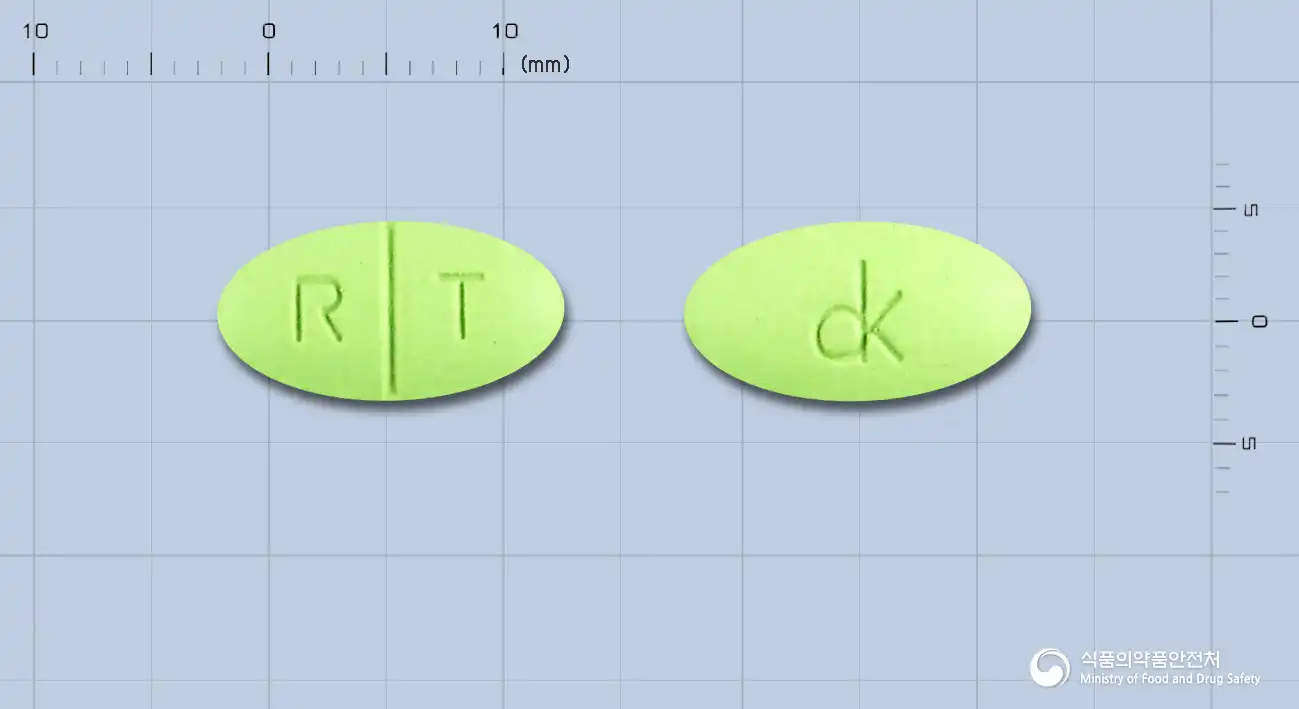 Combination
Cilostazol 100mg · Ginkgo Biloba Leaf Dried Extract 80mg
Tablet · Prescription medication · Combination
Dongguk Pharmaceutical Co., Ltd.
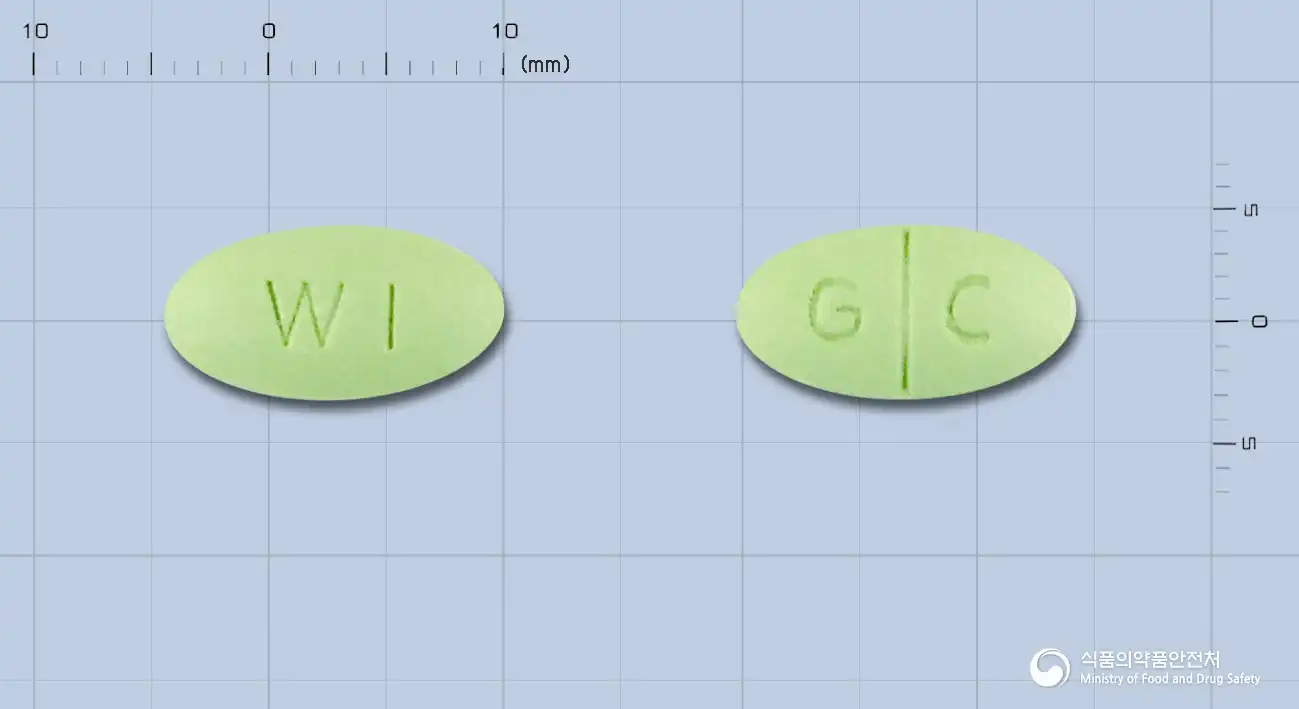 Combination
Cilostazol 100mg · Ginkgo Biloba Leaf Dried Extract 80mg
Tablet · Prescription medication · Combination
Hanin Pharmaceutical Co., Ltd.
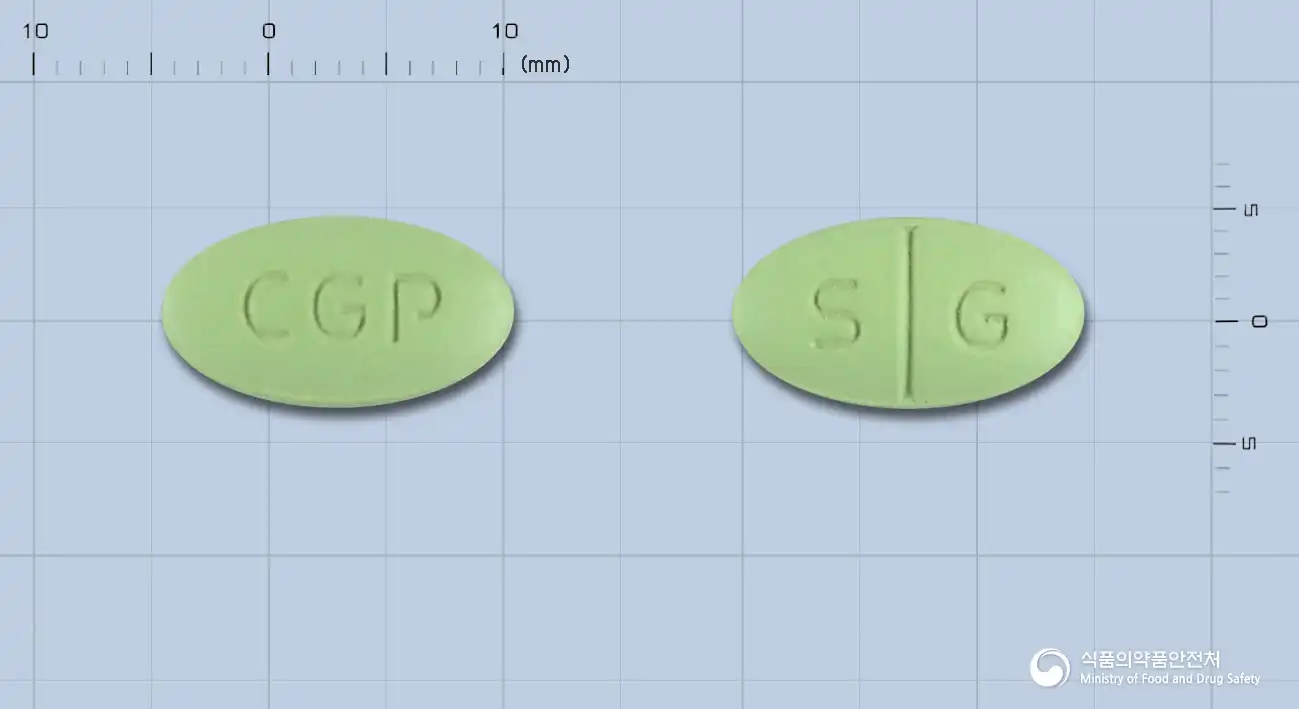 Combination
Cilostazol 100mg · Ginkgo Biloba Leaf Dried Extract 80mg
Tablet · Prescription medication · Combination
Aprogen Biosciences, Inc.
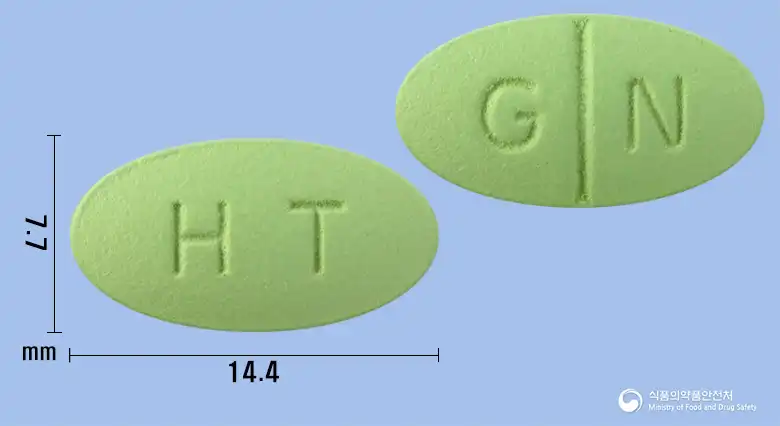 Combination
Cilostazol 100mg · Ginkgo Biloba Leaf Dried Extract 80mg
Tablet · Prescription medication · Combination
Korea Hyutech Pharmaceutical Co., Ltd.
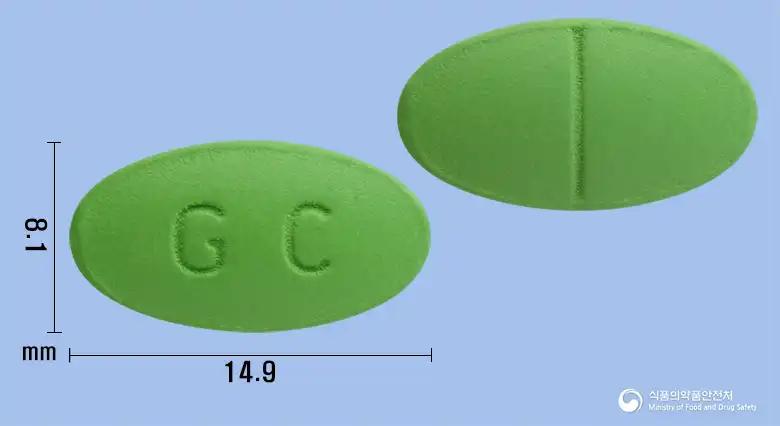 Combination
Cilostazol 100mg · Ginkgo Biloba Leaf Dried Extract 80mg
Tablet · Prescription medication · Combination
Genupharm Co., Ltd.
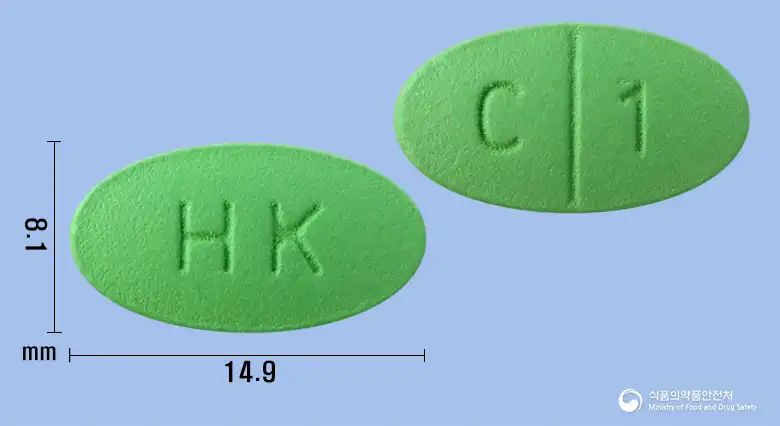 Combination
Cilostazol 100mg · Ginkgo Biloba Leaf Dried Extract 80mg
Tablet · Prescription medication · Combination
Korea Chorus Co., Ltd.
Even with the same ingredient, the dose and directions can differ by strength and dosage form. Talk to a doctor or pharmacist before switching from a medication you are already taking.
No questions yet.
For anything that needs medical judgment, consult a doctor or pharmacist.
This drug information is based on data provided by the Korea Ministry of Food and Drug Safety.
Consult a doctor or pharmacist for accurate dosage, administration, and usage instructions.