
 한국어
한국어 English
 日本語
日本語 中文(简体)
 Viewing now
DQ Pen Pro Soft Capsules (Ibuprofen)
Ibuprofen 200mg
Soft capsule · OTC medication
(RPI Bio Co., Ltd.)
MFDS item code 201005773 · Notified 2010.09.30
Relief of fever and pain (rheumatoid arthritis, osteoarthritis)
This medication is effective for fever and pain caused by colds, back pain, menstrual pain, inflammatory joint diseases such as rheumatoid arthritis, and degenerative joint diseases caused by osteoarthritis. It also helps relieve postoperative pain. Additionally, it can be used for various types of pain and inflammation including headaches, migraines, toothaches, muscle aches, neuralgia, acute gout, ankylosing spondylitis, psoriatic arthritis, and soft tissue injuries. It is also effective for non-articular rheumatic diseases such as tendinitis, tenosynovitis, and bursitis. In summary, this medication is widely used to improve various pains and inflammation.
Take 200-600 mg orally 3-4 times a day. The maximum daily dose can be up to 3200 mg. For mild to moderate pain or cold, take 200-400 mg orally 3-4 times a day. Adjust dosage according to age and symptoms. For migraines, take 200-400 mg orally, ensuring not to exceed 2 capsules within 24 hours.
For juvenile rheumatoid arthritis, orally administer 30-40 mg per kg of body weight divided into 3-4 doses daily. For adolescents aged 12 years and older, take 200-400 mg orally 3-4 times a day.
This medication may cause gastrointestinal bleeding in individuals who regularly consume more than three glasses of alcohol daily, so it is crucial to consult with a physician or pharmacist. It may increase the risk of cardiovascular diseases, particularly in individuals with heart conditions or those taking it for a long time, which could lead to serious problems such as myocardial infarction or stroke, necessitating caution. Serious gastrointestinal problems such as gastrointestinal bleeding, ulcers, and perforations may occur, so elderly individuals or long-term users should closely monitor for abnormal symptoms. It is safest for individuals with a history of gastrointestinal ulcers or bleeding, or severe blood, liver, kidney, or heart diseases not to take this medication. Those allergic to any components of this medication or with a history of asthma, or had hypersensitivity reactions to other non-steroidal anti-inflammatory drugs like aspirin should avoid its use. Pregnant women in the later stages of pregnancy should not use this medication as it may affect fetal health. This medication should not be taken in excess of the recommended dosage, and it should be avoided alongside other non-steroidal anti-inflammatory drugs. Those who are breastfeeding should stop breastfeeding or discontinue the medication as it can be transferred to breast milk and may cause adverse reactions in the infant. Individuals with blood disorders, liver or kidney diseases, heart conditions, high blood pressure, or a history of allergies should consult a medical professional before use. This medication may interact with certain drugs, so consultation is necessary for those taking ACE inhibitors, lithium, diuretics, methotrexate, anticoagulants, selective serotonin reuptake inhibitors (SSRIs), etc. If sudden allergic reactions, breathing difficulties, severe skin rashes, or gastrointestinal bleeding symptoms occur during use, seek medical advice immediately and discontinue use. Overdose may result in symptoms such as dizziness, nausea, vomiting, liver dysfunction, and renal failure, requiring caution and medical attention. This medication should be used at the lowest effective dose for the shortest duration, and regular monitoring of liver and kidney function is recommended for long-term users. After 20 weeks of pregnancy, it may affect fetal kidney function; therefore, it should be used at the minimum necessary dose and amniotic fluid status should be monitored regularly. Keep out of reach of children, and store in the original container to prevent degradation in quality or misuse.
Hives, severe swelling (edema), chest tightness, difficulty breathing, cold sweat, pallor, severe rash with high fever, blisters, skin peeling, pain in oral/ocular mucosa, shortness of breath or difficulty breathing, asthma attacks, cough combined with respiratory abnormalities and fever, yellowing of the skin or eyes (jaundice), extreme lethargy, sudden and severe headaches, thunderclap headaches, seizures, confusion, visual disturbances, paralysis, urination
Nausea, vomiting, abdominal pain, diarrhea, indigestion, drowsiness, dizziness, headache, rash, pruritus, hypotension, hypertension, palpitations, fatigue, fever, epistaxis (nosebleed), edema, peripheral edema, thirst, stomatitis, skin redness, dermal rash, unspecified frequency of phototoxic reactions, eosinophilia, drug rash with systemic symptoms, unspecified frequency of angioedema, bullous dermatitis, erythema multiforme, exfoliative dermatitis,
Not everyone experiences these, and they can vary from person to person.
Do not take this medication with high-dose methotrexate and other non-steroidal anti-inflammatory drugs. Consult a physician or pharmacist when taking low-dose aspirin, ACE inhibitors, lithium, furosemide and thiazide diuretics, low-dose methotrexate, coumarin anticoagulants (such as warfarin), or selective serotonin reuptake inhibitors.
This medication may be sensitive to air or moisture, so it must be stored in a tightly sealed container. It is advisable to maintain a storage temperature between 1 and 30 degrees Celsius to preserve the medication's effectiveness and safety.
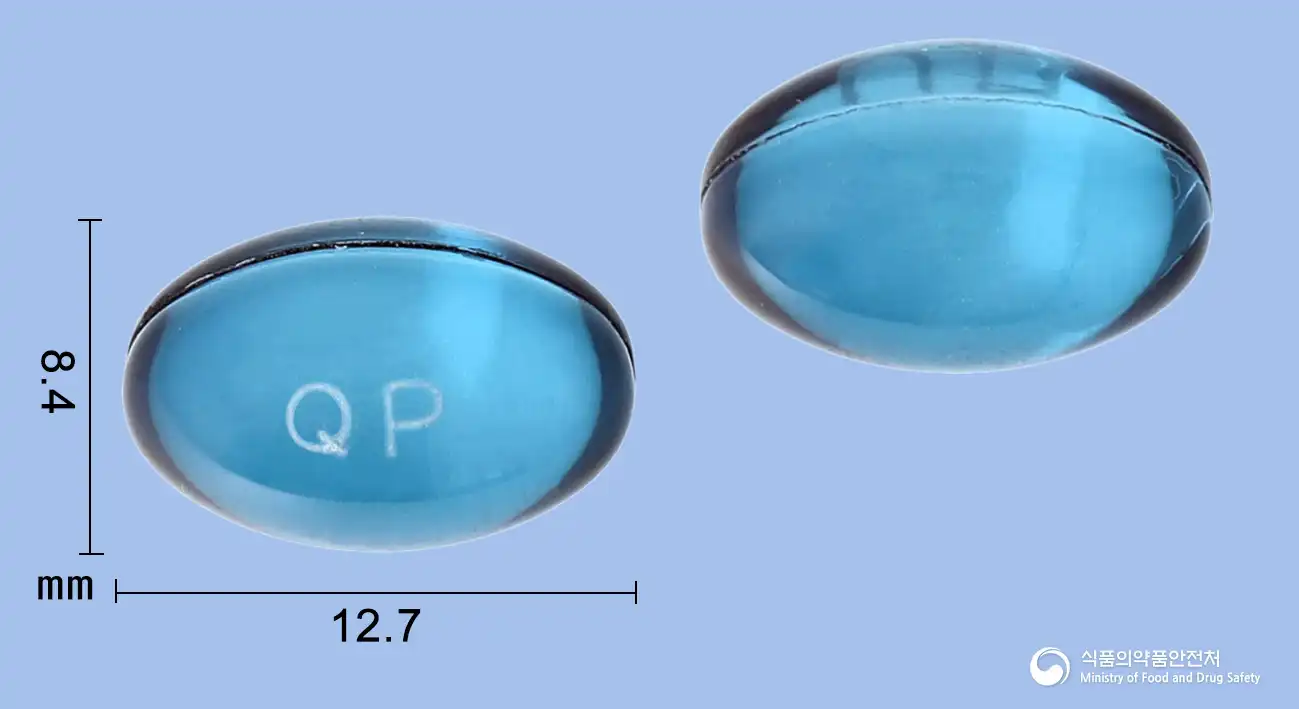
Transparent blue oval soft capsule containing a colorless to light blue liquid.
10 capsules (10 capsules/PTP*1)
Even with the same ingredient, strength, dosage form and how it is taken can differ.
Viewing nowIbuprofen 200mg
Soft capsule · OTC medication
(RPI Bio Co., Ltd.)

Ibuprofen 200mg
Tablet · OTC medication
Samil Pharmaceutical Co., Ltd.

Ibuprofen 400mg
Tablet · OTC medication
Samil Pharmaceutical Co., Ltd.

Ibuprofen 400mg
Tablet · OTC medication
(Company) AProgen Biologics
Ibuprofen 200mg
Tablet · OTC medication
Taeguk Pharmaceutical Co., Ltd.
Ibuprofen 400mg
OTC medication
Youngpoong Pharmaceutical Co., Ltd.
Ibuprofen 2g
Suspension · OTC medication
Samil Pharmaceutical Co., Ltd.
Ibuprofen 2g
Suspension · OTC medication
Il Dong Pharmaceutical Co., Ltd.
Even with the same ingredient, the dose and directions can differ by strength and dosage form. Talk to a doctor or pharmacist before switching from a medication you are already taking.
No questions yet.
For anything that needs medical judgment, consult a doctor or pharmacist.
This drug information is based on data provided by the Korea Ministry of Food and Drug Safety.
Consult a doctor or pharmacist for accurate dosage, administration, and usage instructions.