
 한국어
한국어 English
 日本語
日本語 中文(简体)
 Viewing nowCombination
Innozen Abeltan Plus Tablet 300/12.5 mg
Irbesartan 300mg · Hydrochlorothiazide 12.5mg
Tablet · Prescription medication · Combination
HK Inno.N Co., Ltd.
MFDS item code 201005771 · Notified 2010.09.30 · Insurance code 640005860
Control and treatment effect of essential hypertension
This medication is used for patients with essential hypertension. It is administered to those who have insufficient blood pressure control with monotherapy and is also used for initial treatment in moderate or severe hypertensive patients requiring combination therapy. This helps effectively control blood pressure and reduce cardiovascular risks.
This medication is to be taken once daily, regardless of meals. 1. For patients whose blood pressure is not sufficiently controlled with monotherapy, it can be administered as follows: - Irbesartan 150 mg/Hydrochlorothiazide 12.5 mg once daily, 1 tablet - Irbesartan 300 mg/Hydrochlorothiazide 12.5 mg once daily, 1 tablet - Irbesartan 300 mg/Hydrochlorothiazide 25 mg once daily, 1 tablet Doses exceeding Irbesartan 300 mg/Hydrochlorothiazide 25 mg are not recommended. If needed, this medication can be combined with other antihypertensive agents. 2. When treating moderate or severe hypertension (stage 2) with this medication as initial therapy, it should be individualized based on baseline blood pressure, treatment goals, and the expected increase in the likelihood of achieving treatment goals compared to monotherapy. Typically, this is started as Irbesartan 150 mg/Hydrochlorothiazide 12.5 mg once daily, and if blood pressure control is needed, the dose may be increased to a maximum of Irbesartan 300 mg/Hydrochlorothiazide 25 mg after 1 to 2 weeks. This medication is not recommended as initial therapy in patients with intravascular volume depletion. ○ Patients with kidney impairment Due to the hydrochlorothiazide component, this medication is not recommended for patients with severe renal impairment (creatinine clearance < 30 mL/min). Loop diuretics are preferred in these patient populations. No dose adjustment is needed for patients with creatinine clearance above 30 mL/min. ○ Patients with volume depletion In cases of sodium and/or fluid loss, equilibrium must be restored before administering this medication. ○ Patients with liver impairment This medication is not used in patients with severe liver impairment. Thiazide medications should be used with caution in patients with liver impairment. No dose adjustment is needed for patients with mild to moderate liver impairment. ○ Elderly patients No dose adjustment is needed for elderly patients. ○ Pediatric patients The safety and efficacy of this medication have not been established in pediatric patients and adolescents under 18 years of age.
The safety and efficacy of this medication have not been established in pediatric patients and adolescents under 18 years of age.
This medication can cause serious harm to the fetus and newborn, especially during the second and third trimesters of pregnancy, so it should be discontinued immediately upon confirmation of pregnancy. Women who are pregnant, potentially pregnant, or nursing should not take this medication. Additionally, patients with a known allergy to this drug or its components, severe renal impairment, anuria, or certain liver diseases should avoid using this medication. Caution is advised in patients with specific conditions such as hypotension, kidney issues, liver disorders, heart valve disease, or angle-closure glaucoma. The hydrochlorothiazide component may increase the risk of skin cancer due to sensitivity to sunlight, so exposure to ultraviolet light should be limited, and skin changes should be closely monitored during use. Various side effects such as dizziness, fatigue, nausea, and abnormal urination may occur; if symptoms are severe or persistent, consult a physician. Hypotensive symptoms may arise during hypertension treatment, so it is important to prevent and manage dehydration or sodium deficiency. Regularly check kidney function and electrolyte levels via blood tests, particularly potassium levels, as they can pose health risks if too high or too low. Be sure to inform a doctor or pharmacist of any other medications being taken as there may be interactions. Diabetic patients may be affected by blood sugar control, so blood sugar levels and treatment plans should be regularly monitored. This medication is not recommended for children or adolescents as safety and efficacy have not been established. Older patients may be more sensitive to this medication and should be monitored more closely during use. In case of overdose, symptoms such as hypotension, electrolyte imbalance, and dehydration may occur, so contact a healthcare facility immediately for appropriate treatment. Store this medication out of reach of children and keep it in its original container to maintain quality.
Not everyone experiences these, and they can vary from person to person.
This medication should be stored in a tightly closed container to protect it from air and moisture, and the storage temperature should be kept between 1°C and 30°C. Proper storage can help maintain the medication's effectiveness for a longer period.
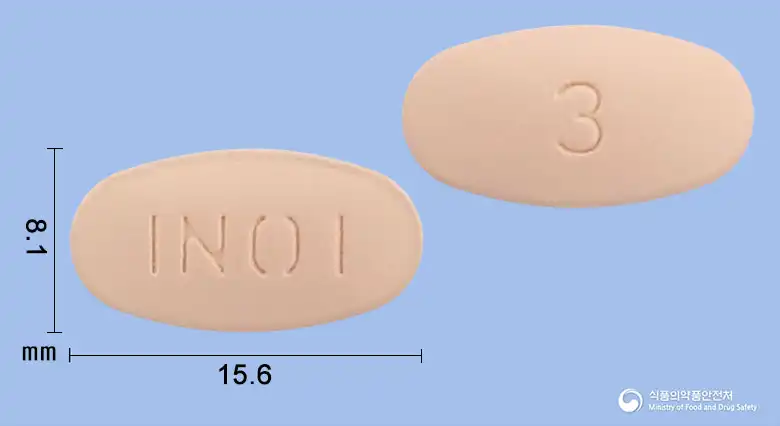
Pink, biconvex, oval film-coated tablets
30 tablets/bottle
Even with the same ingredient, strength, dosage form and how it is taken can differ.
Viewing nowCombinationIrbesartan 300mg · Hydrochlorothiazide 12.5mg
Tablet · Prescription medication · Combination
HK Inno.N Co., Ltd.
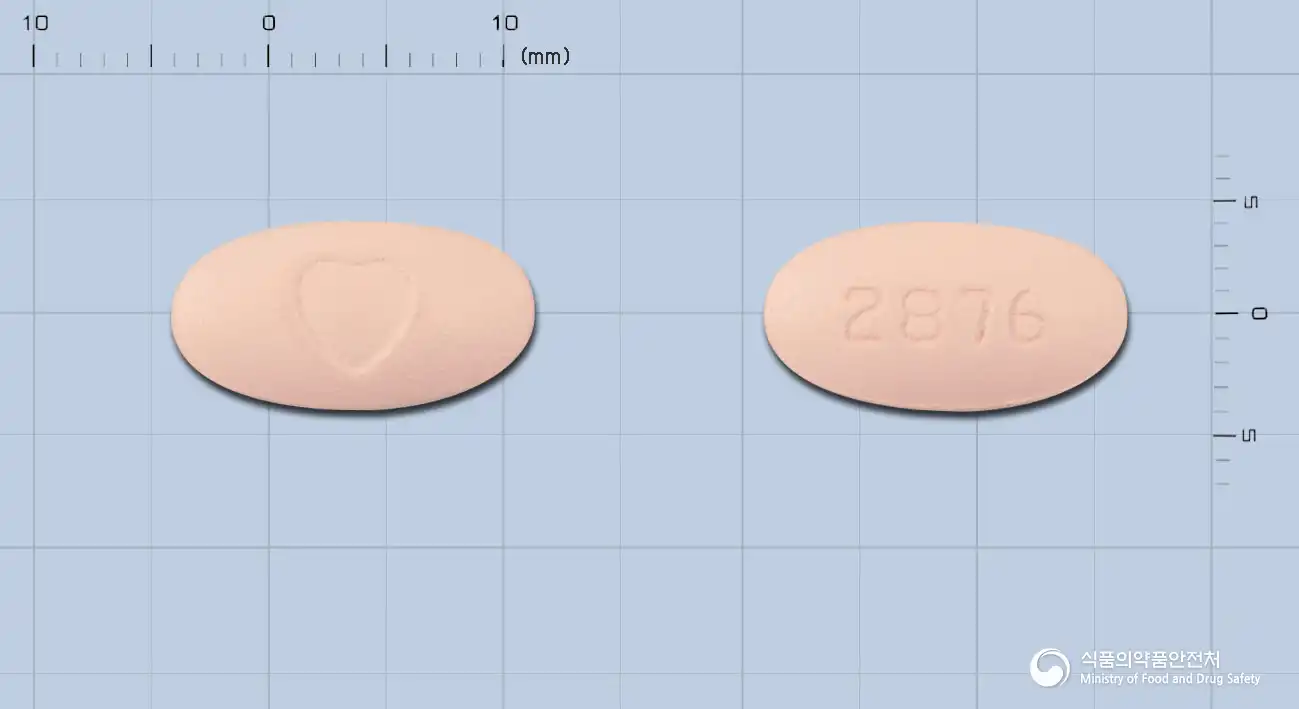 Combination
Irbesartan 300mg · Hydrochlorothiazide 12.5mg
Tablet · Prescription medication · Combination
Handok Co., Ltd.
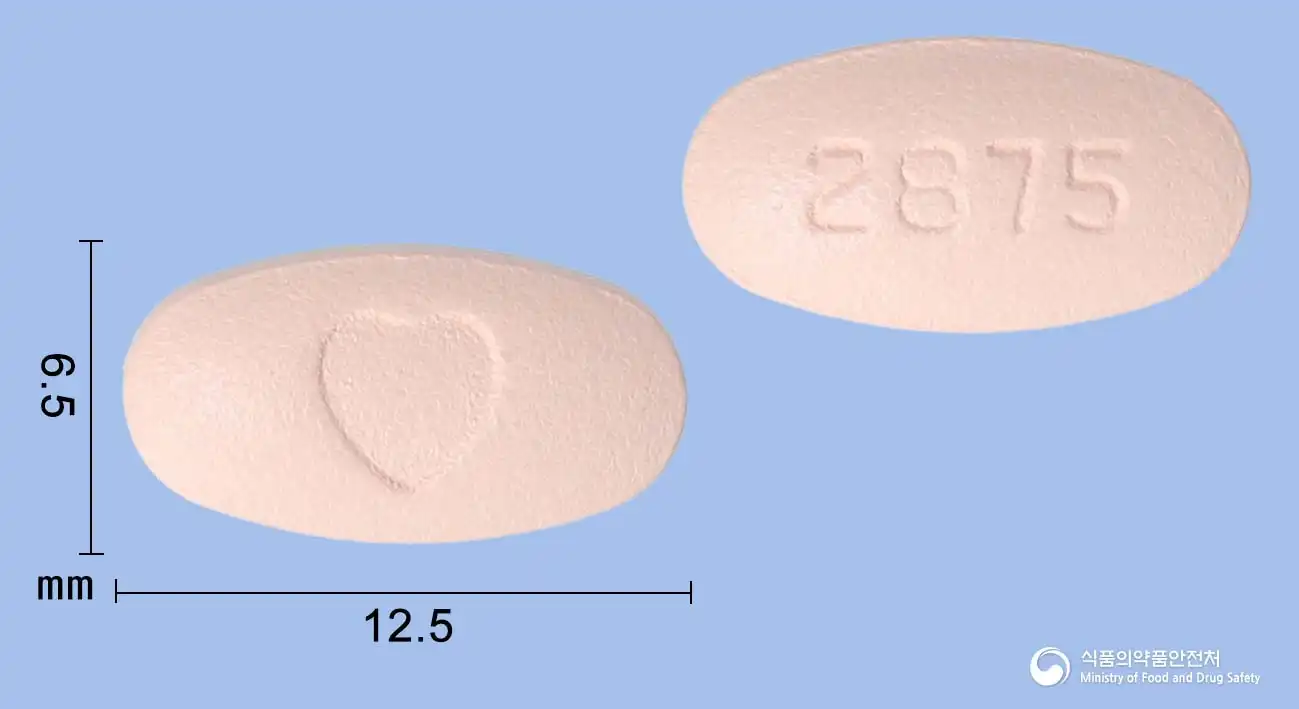 Combination
Irbesartan 150mg · Hydrochlorothiazide 12.5mg
Tablet · Prescription medication · Combination
Handok Co., Ltd.
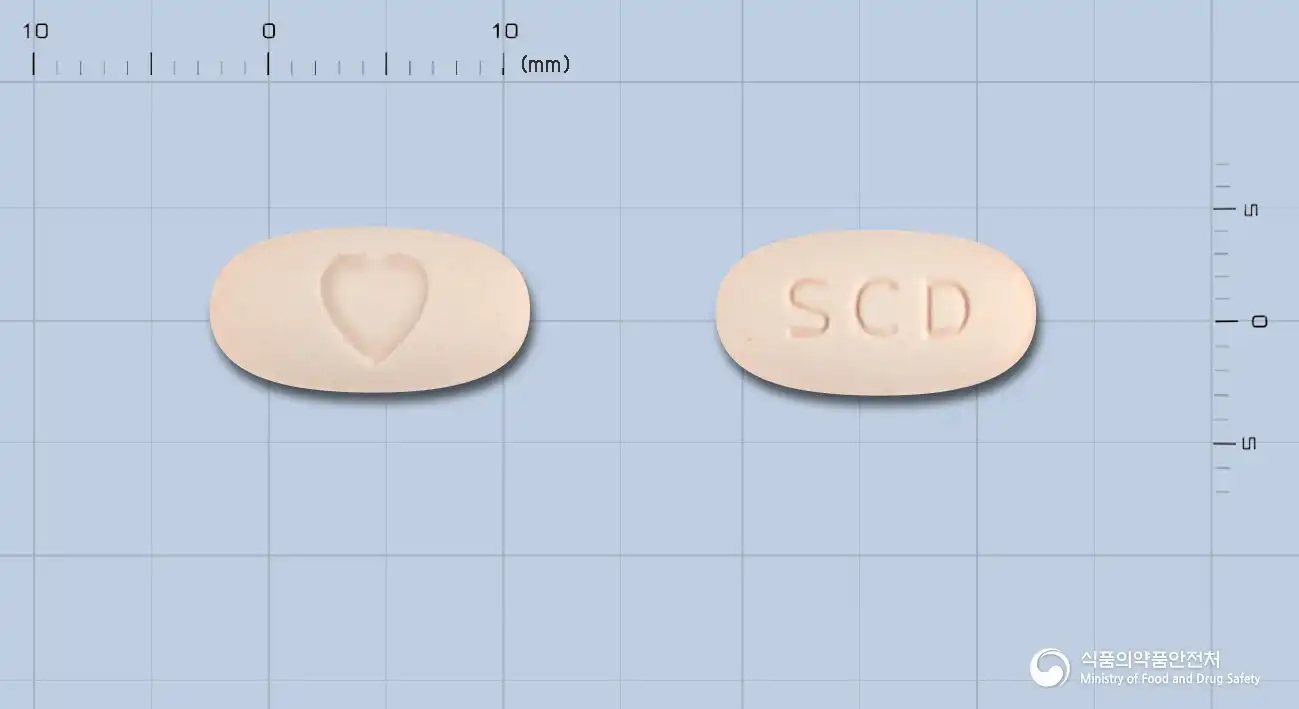 Combination
Irbesartan 150mg · Hydrochlorothiazide 12.5mg
Tablet · Prescription medication · Combination
Samchundang Pharmaceutical Co., Ltd.
Irbesartan 150mg · Hydrochlorothiazide 12.5mg
Tablet · Prescription medication · Combination
Shinil Pharmaceutical Co., Ltd.
Irbesartan 150mg · Hydrochlorothiazide 12.5mg
Tablet · Prescription medication · Combination
Dongwha Pharmaceutical Co., Ltd.
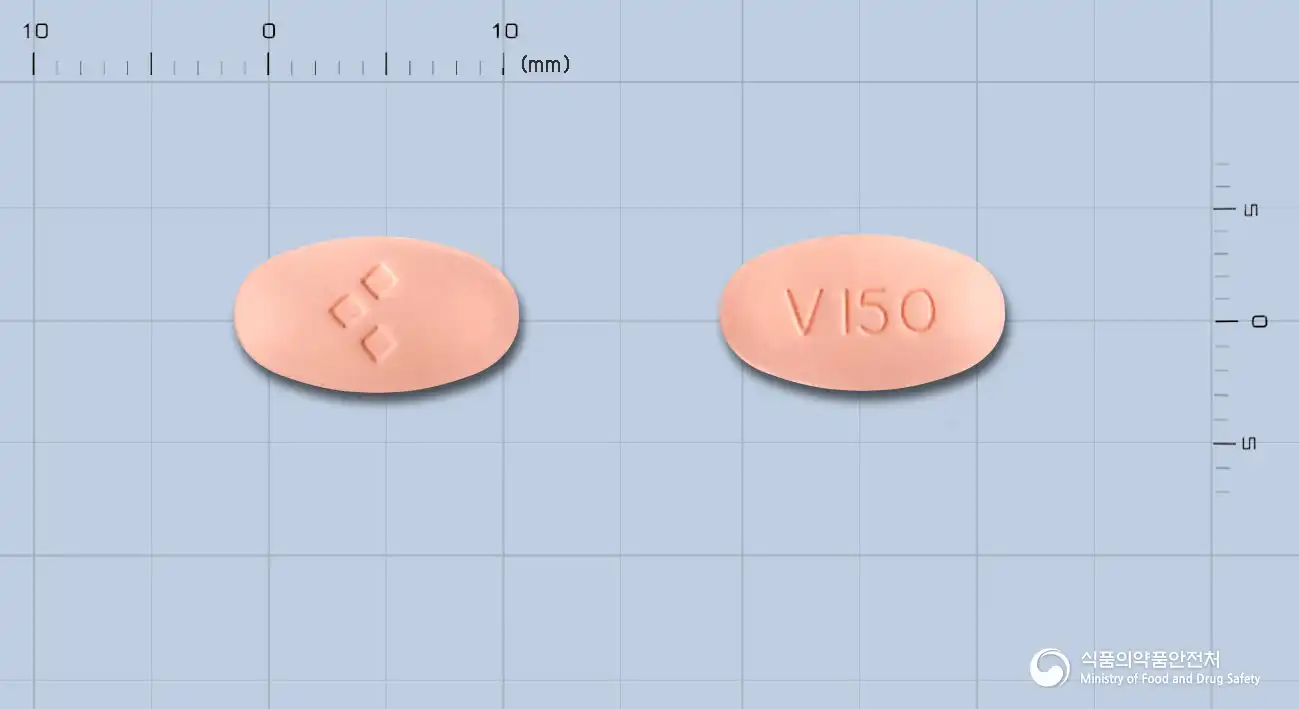 Combination
Irbesartan 150mg · Hydrochlorothiazide 12.5mg
Tablet · Prescription medication · Combination
Myungin Pharmaceutical Co., Ltd.
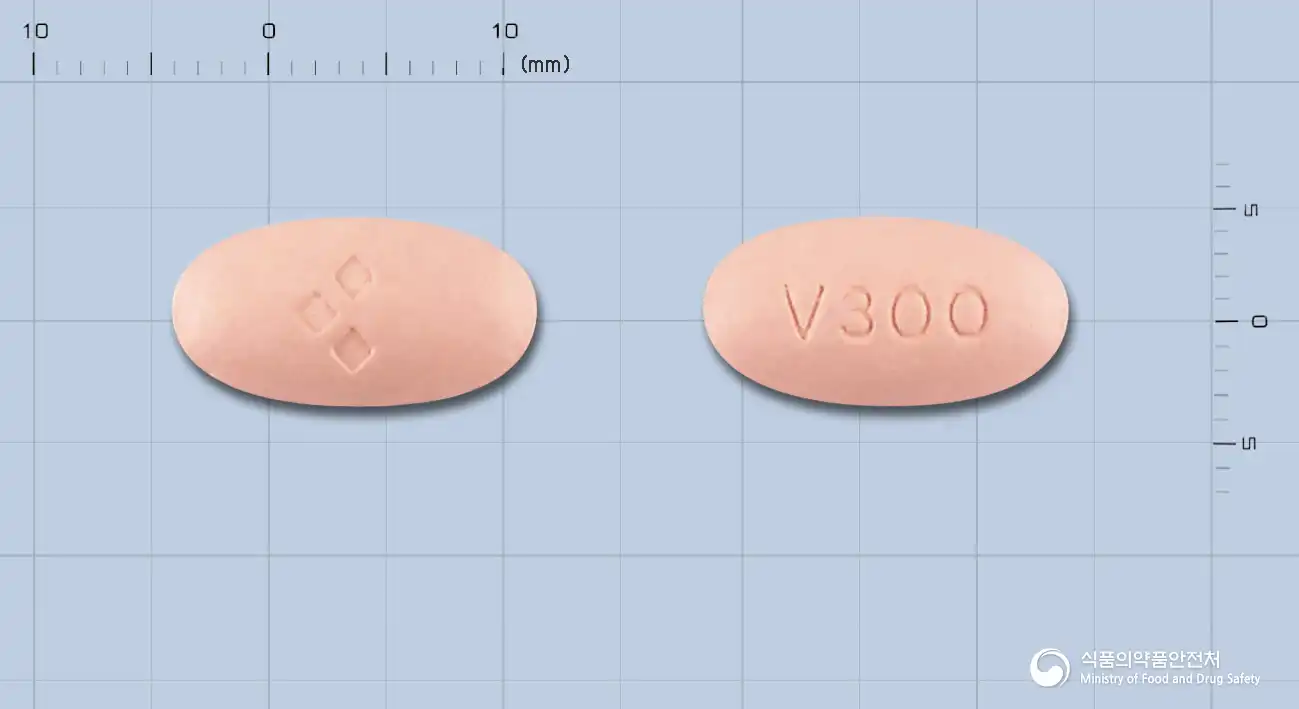 Combination
Irbesartan 300mg · Hydrochlorothiazide 12.5mg
Tablet · Prescription medication · Combination
Myungin Pharmaceutical Co., Ltd.
Even with the same ingredient, the dose and directions can differ by strength and dosage form. Talk to a doctor or pharmacist before switching from a medication you are already taking.
No questions yet.
For anything that needs medical judgment, consult a doctor or pharmacist.
This drug information is based on data provided by the Korea Ministry of Food and Drug Safety.
Consult a doctor or pharmacist for accurate dosage, administration, and usage instructions.