
 한국어
한국어 English
 日本語
日本語 中文(简体)
Dosage form image
Viewing nowMaxipen Syrup (Dexibuprofen)
Dexibuprofen 1.2g
Syrup · OTC medication
Jinyang Pharmaceutical Co., Ltd.
MFDS item code 201005753 · Notified 2010.09.29 · Insurance code 650302721
Antipyretic effect for fever due to acute upper respiratory tract infection.
This medicine is used to lower fever caused by acute upper respiratory tract infections and relieve symptoms.
The dosage for this medicine can be administered based on body weight or age. The single dose varies between 3–25 mL (40–300 mg) depending on age and weight, with a maximum daily dosage of 12–100 mL (160–1200 mg).
For children aged 6 months and older, administer 0.4–0.6 mL/kg (5–7 mg/kg of dexibuprofen) at intervals of 4–6 hours as needed, and do not exceed a maximum of 4 doses per day (28 mg/kg).
This medication can cause gastrointestinal bleeding in individuals who regularly consume more than three alcoholic beverages daily, so consultation with a doctor or pharmacist is mandatory. This medication may increase the risk of cardiovascular disease, and caution is particularly important for patients with cardiovascular issues or risk factors. Severe gastrointestinal problems such as gastrointestinal bleeding, ulcers, and perforation may occur, so elderly patients or those with a history of gastrointestinal diseases should use this medicine with caution. Patients with certain diseases such as peptic ulcers, severe liver or kidney dysfunction, severe heart failure, hypertension, and asthma should not take this medication. Patients with blood abnormalities, liver or kidney function decline, elderly patients, and those with autoimmune diseases need to be more cautious when using this medication, and should consult a doctor immediately if unusual symptoms arise. If allergic reactions, skin rashes, difficulty breathing, severe headaches, nausea, or vomiting occur while taking this medicine, immediately discontinue use and consult with medical staff. The risk of side effects may increase when taken with other non-steroidal anti-inflammatory drugs or specific medications, so consult a specialist before co-administration. Pregnant women, especially in the third trimester, should avoid using this medication as it may affect the fetus. Caution is also needed in nursing mothers. Children and elderly patients should have the dosage adjusted and be closely monitored for adverse reactions when using this medication. Regular blood tests and liver or kidney function tests are necessary during long-term use of this medication, and usage should be discontinued if any abnormal findings are observed. This medication should be taken at the minimum effective dose for the shortest period, and usage should be discontinued immediately when symptoms improve. In case of overdose, rapid emergency treatment such as gastric lavage or inducing vomiting should be performed, and the medication must be kept in a safe place out of reach of children.
Loss of appetite, nausea, vomiting, abdominal pain, indigestion, diarrhea, gastric discomfort, thirst, stomatitis, abdominal bloating, constipation, eosinophilia, drug rash with systemic symptoms, acute generalized exanthematous pustulosis, blindness, visual impairment, hearing loss, tinnitus, taste disturbances, insomnia, neck stiffness, fever, consciousness disorder, hypotension, hypertension, palpitations, periorbital edema, fatigue, fever, epistaxis, restlessness, facial swelling, indigestion,
Not everyone experiences these, and they can vary from person to person.
Do not use this medication with other non-steroidal anti-inflammatory drugs, aspirin, or high doses of methotrexate. Consult a doctor or pharmacist when using it alongside glucocorticoids, digoxin, phenytoin, probenecid, sulfinpyrazone, sulfonylureas, diuretics, antihypertensive drugs, ACE inhibitors, furosemide, lithium, low-dose methotrexate, or coumarin anticoagulants (such as warfarin).
Caution is advised when using this medication with alcohol.
This medication is sensitive to light and should be stored in a container that blocks light. Additionally, it should be kept in a place maintaining room temperature between 15 and 25 degrees Celsius for safe storage.
This medicine is a white to slightly yellow opaque suspension syrup with a unique aroma contained in an opaque white bottle.
500 mL/bottle
Even with the same ingredient, strength, dosage form and how it is taken can differ.
Dexibuprofen 1.2g
Syrup · OTC medication
Jinyang Pharmaceutical Co., Ltd.
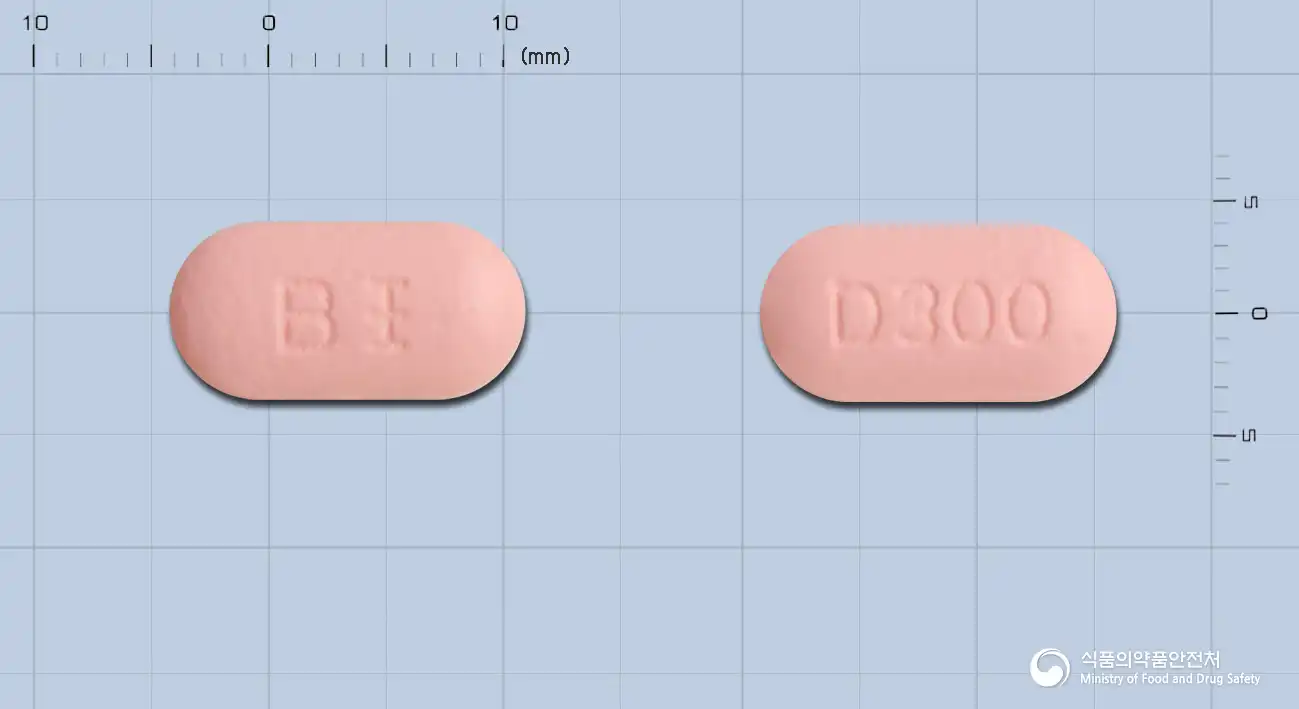
Dexibuprofen 300mg
Tablet · OTC medication
Bionex Co., Ltd.

Dexibuprofen 300mg
Tablet · OTC medication
Anguk Pharmaceutical Co., Ltd.
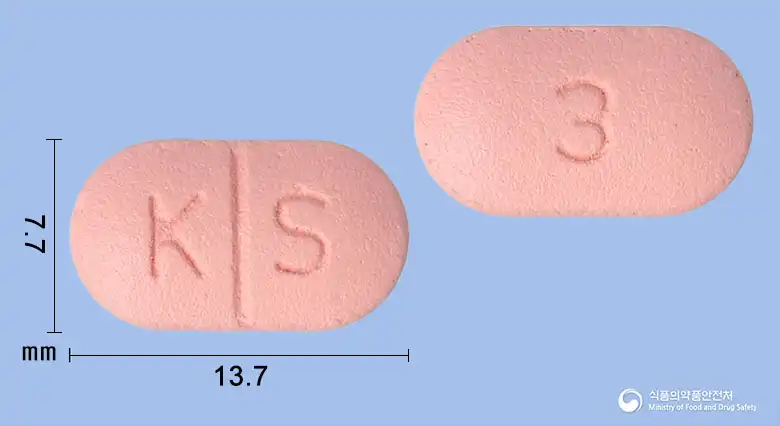
Dexibuprofen 300mg
Tablet · OTC medication
Aprogen Pharmaceuticals, Co., Ltd.
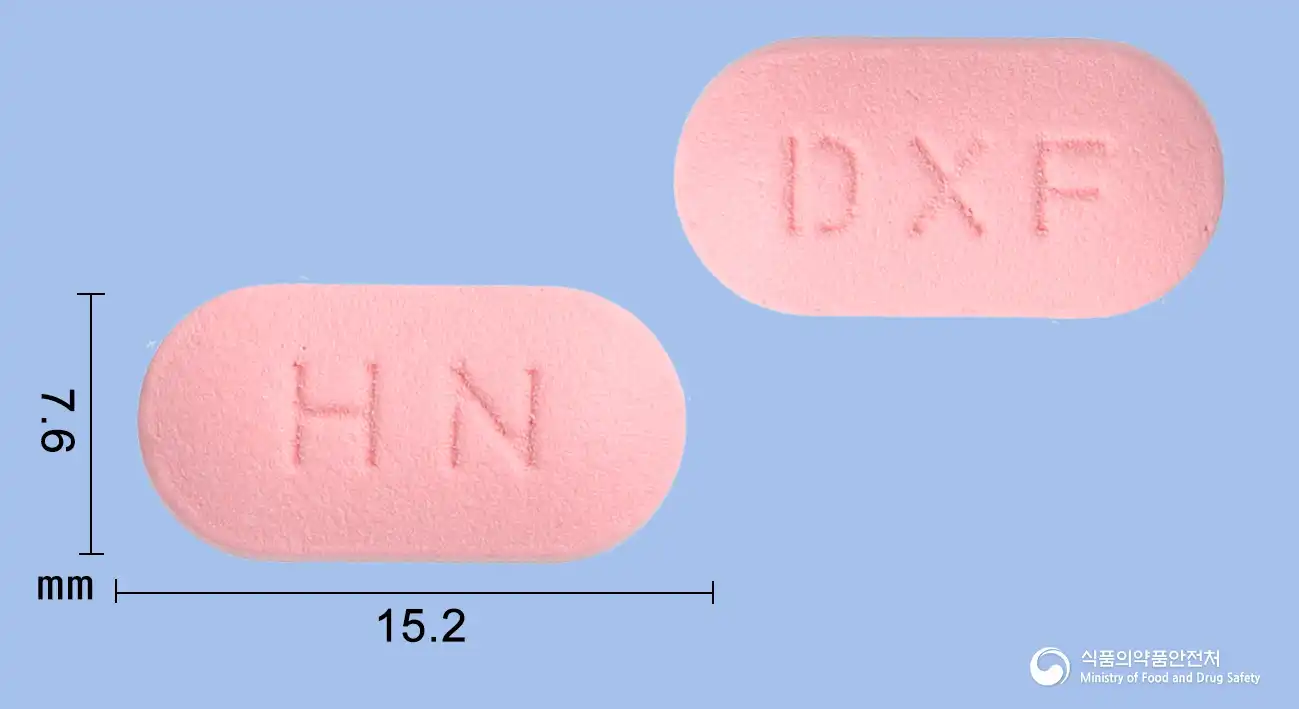
Dexibuprofen 300mg
Tablet · OTC medication
Hana Pharmaceutical Co., Ltd.
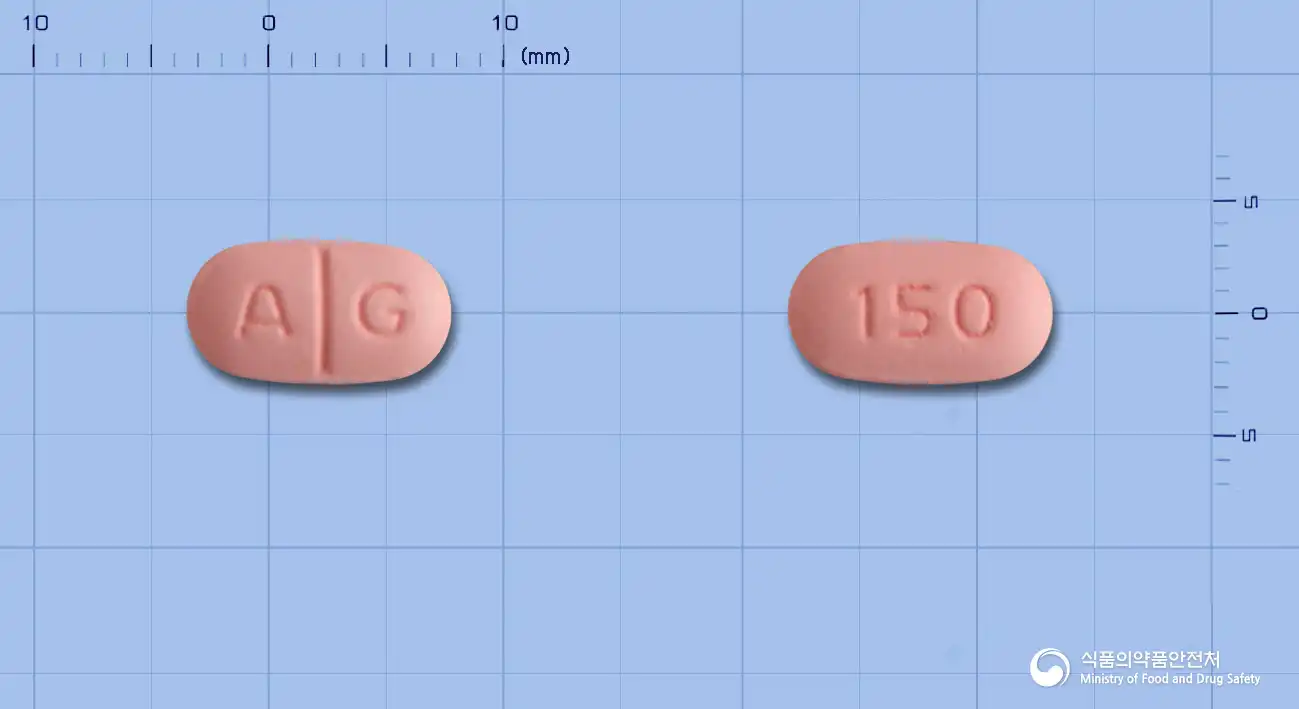
Dexibuprofen 150mg
Tablet · OTC medication
Anguk Pharm Co., Ltd.
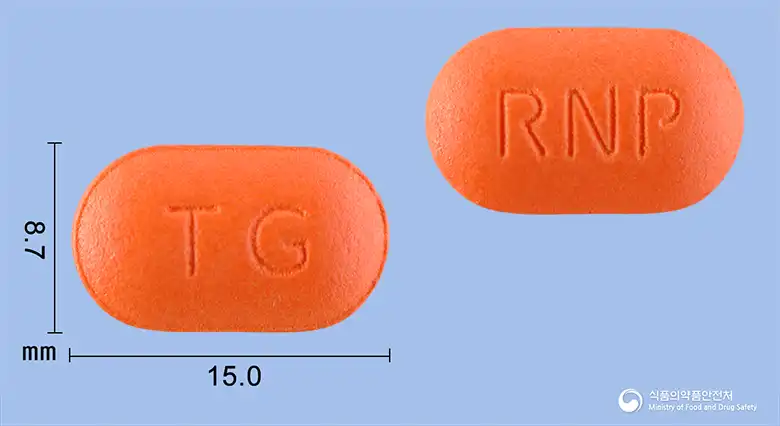
Dexibuprofen 300mg
Tablet · OTC medication
Taeguk Pharmaceutical Co., Ltd.
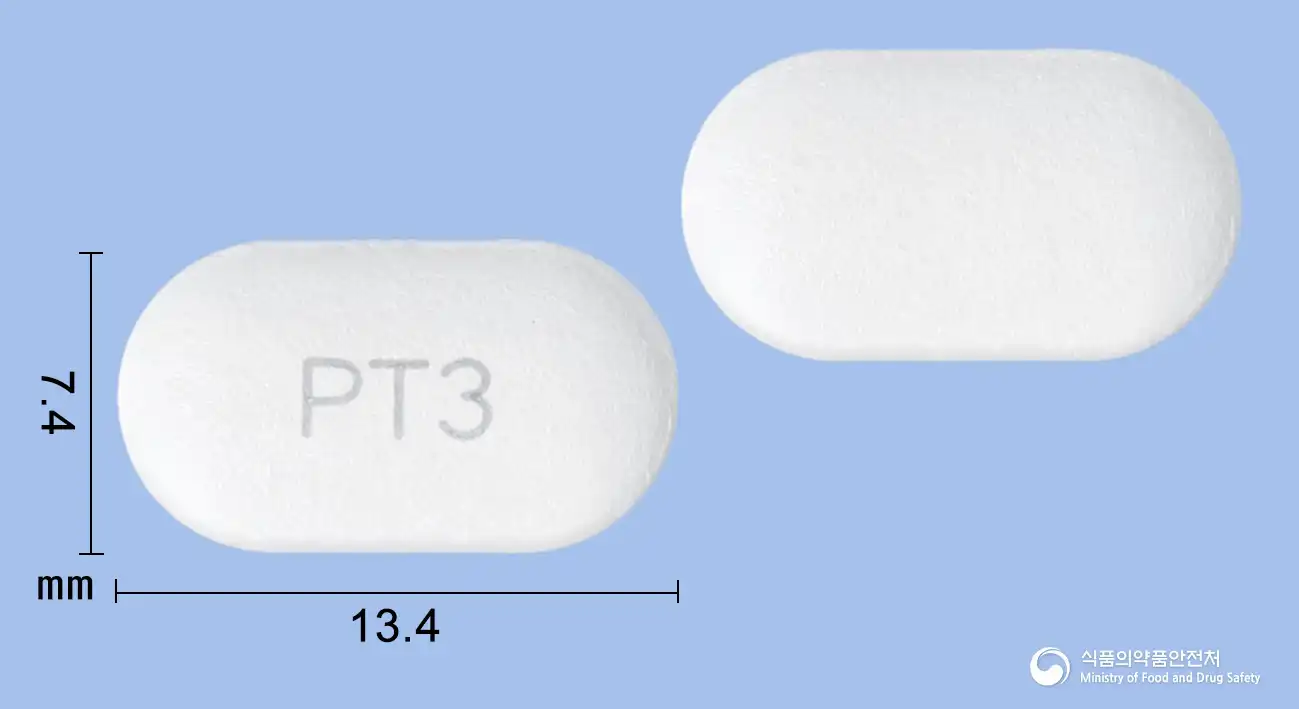
Dexibuprofen 300mg
Tablet · OTC medication
Genupharm Co., Ltd.
Even with the same ingredient, the dose and directions can differ by strength and dosage form. Talk to a doctor or pharmacist before switching from a medication you are already taking.
No questions yet.
For anything that needs medical judgment, consult a doctor or pharmacist.
This drug information is based on data provided by the Korea Ministry of Food and Drug Safety.
Consult a doctor or pharmacist for accurate dosage, administration, and usage instructions.