
 한국어
 English
 日本語
 中文(简体)
Dosage form image
Viewing nowCurefen Syrup (Dexibuprofen)
Dexibuprofen 1.2g
Syrup · OTC medication
Daewon Pharmaceutical Co., Ltd.
MFDS item code 201005696 · Notified 2010.09.28
This product's status changed to Approval withdrawn on 2024.07.25. It may no longer be sold, so consult a doctor or pharmacist before taking it.
Relief of fever due to acute upper respiratory tract infection
This medication is used to reduce fever caused by acute upper respiratory tract infection.
No dosage specified for adults.
Children aged 6 months and older: Take a dose of 0.4~0.6mL/kg (5~7mg/kg as dexibuprofen) as needed at intervals of 4~6 hours, not exceeding a maximum of 4 doses per day (28mg/kg). Children weighing 30kg or less: Do not exceed a maximum of 25mL per day (300mg as dexibuprofen). Age 12 years, 43 kg or more: 18~25 mL per dose (215~300 mg per dose as dexibuprofen) Age 11 years, 38.0-42.9 kg: 16~25 mL per dose (190~300 mg per dose as dexibuprofen) Age 9-10 years, 30.0-37.9 kg: 12.5~22 mL per dose (150~265 mg per dose as dexibuprofen) Age 6-8 years, 21.0-29.9 kg: 9~17 mL per dose (105~210 mg per dose as dexibuprofen) Age 4-5 years, 16.0-20.9 kg: 7~12 mL per dose (80~145 mg per dose as dexibuprofen) Age 2-3 years, 12.0-15.9 kg: 5~9 mL per dose (60~110 mg per dose as dexibuprofen) 12-23 months, 10.0-11.9 kg: 4~7 mL per dose (50~80 mg per dose as dexibuprofen) 6-11 months, 7.9-9.9 kg: 3~6 mL per dose (40~70 mg per dose as dexibuprofen) Pediatric patients with fever due to acute upper respiratory tract infection (axillary temperature of 38℃ or higher): In a clinical trial (n=252) in which this medicine was administered at 5mg/kg or 7mg/kg, the 7mg/kg group tended to show a greater reduction in body temperature than the 5mg/kg group; however, the difference was not statistically significant. Shake the suspension syrup well before use.
This medicine may cause gastrointestinal bleeding in individuals who regularly consume more than 3 drinks of alcohol daily, so it is essential to consult with a doctor or pharmacist. Non-steroidal anti-inflammatory drugs, including this medication, may increase the risk of cardiovascular diseases, and serious issues like myocardial infarction or stroke may arise. Individuals with cardiovascular diseases or risk factors should exercise particular caution and consult a medical professional if symptoms occur. Moreover, this medication can cause serious adverse reactions such as gastrointestinal bleeding, ulcers, and perforations, so the elderly or those with a history of gastrointestinal diseases should be especially careful. Patients with peptic ulcer, severe liver or kidney dysfunction, severe hypertension, or a history of asthma should not take this medication, and it should also not be administered to individuals with hypersensitivity. Various side effects such as blood abnormalities, skin rash, liver dysfunction, and kidney problems can occur while taking this medication; if any symptoms appear, immediate consultation with a doctor is required. Regular blood tests and liver and kidney function tests should be conducted during long-term use, and the medication should be stopped or adjusted if any abnormalities are found. Taking this medication with other non-steroidal anti-inflammatory drugs may increase the risk of gastrointestinal bleeding, so it is advisable not to take them together. Pregnant women, especially in the late stages of pregnancy, should avoid this medication as it may harm the fetus, and breastfeeding mothers should also exercise caution since the drug may be transmitted to breast milk. Children and the elderly may experience adverse reactions more easily, so it should be administered carefully at the minimum effective dosage. This medicine should be stored out of reach of children, and it is advisable not to transfer it to another container.
Not everyone experiences these, and they can vary from person to person.
This medication is sensitive to light and should be stored in a container that blocks light. Additionally, it is important to store it at room temperature between 15 degrees and 25 degrees Celsius to maintain its effectiveness.
A white to light yellow syrup with a strawberry flavor packed in aluminum foil pouches.
For domestic use: 6mL/pack X 20, 40, 12mL/pack X 20, 40; For export: 6mL/pack X 20, 40.
Even with the same ingredient, strength, dosage form and how it is taken can differ.
Dexibuprofen 1.2g
Syrup · OTC medication
Daewon Pharmaceutical Co., Ltd.
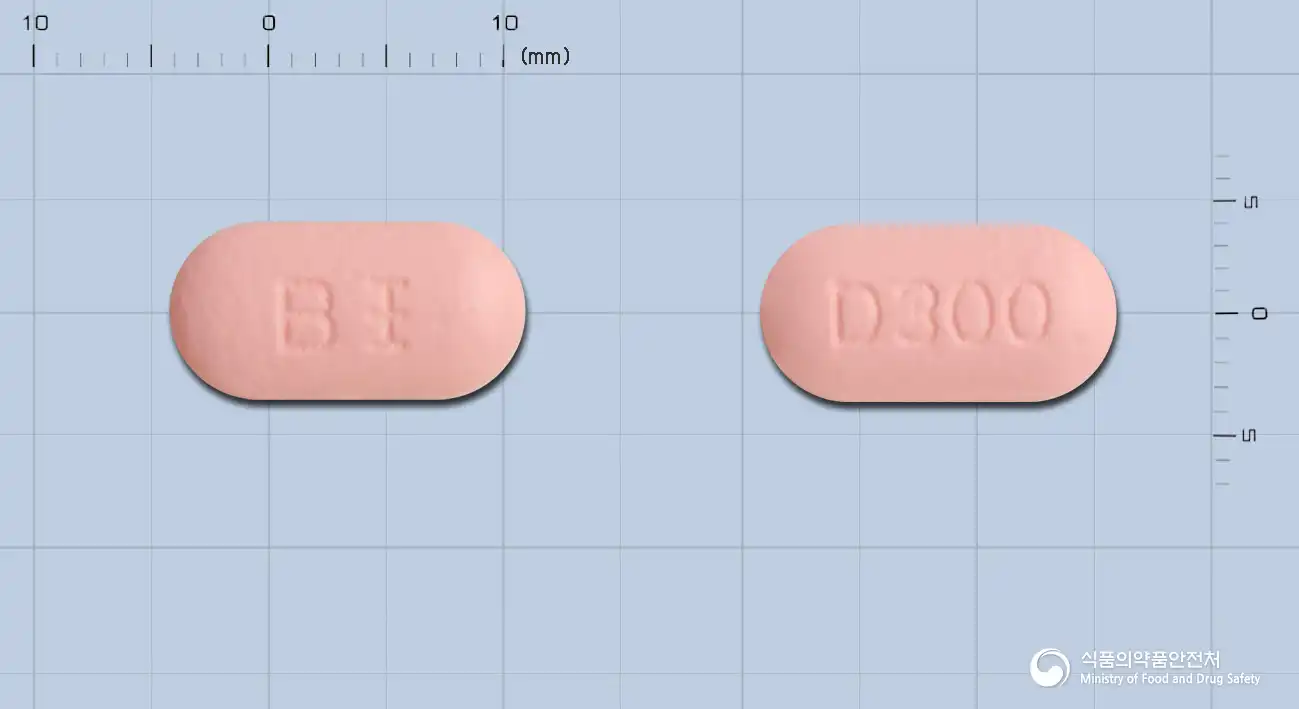
Dexibuprofen 300mg
Tablet · OTC medication
Bionex Co., Ltd.
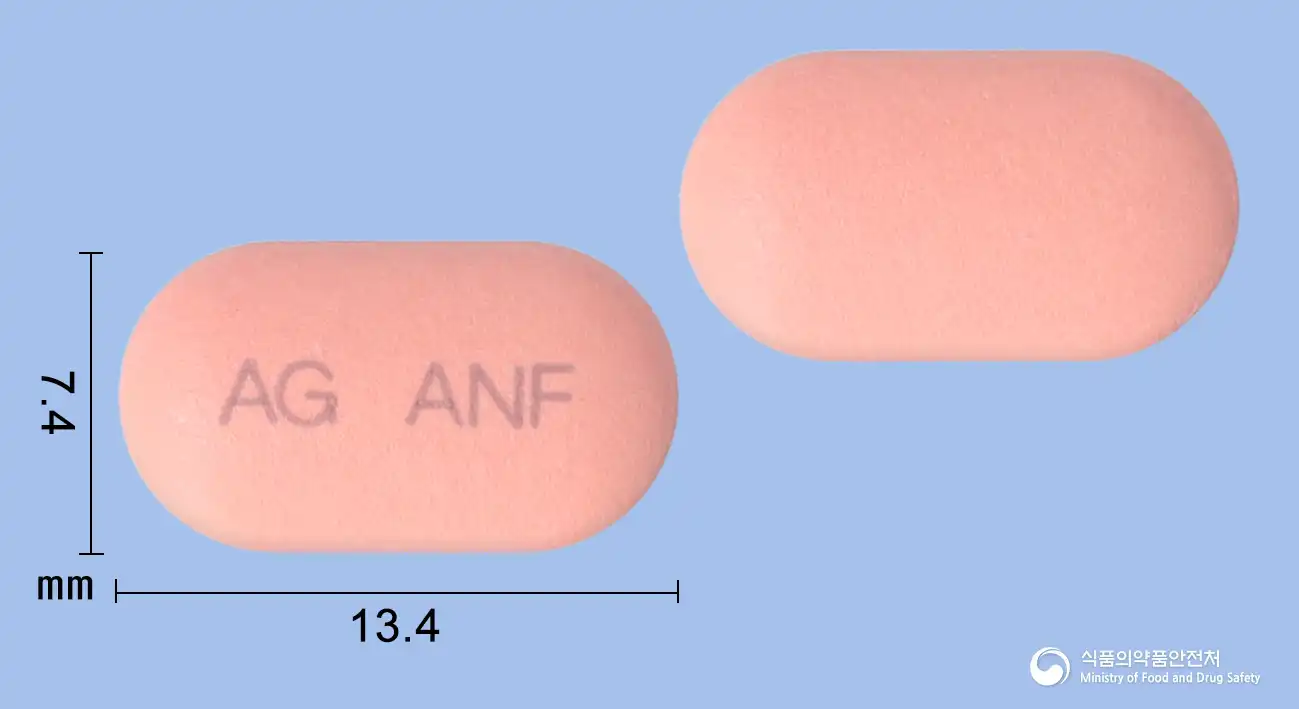
Dexibuprofen 300mg
Tablet · OTC medication
Anguk Pharmaceutical Co., Ltd.
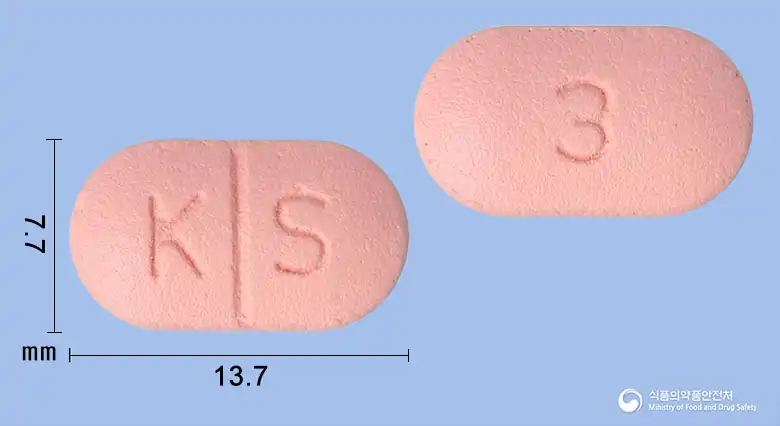
Dexibuprofen 300mg
Tablet · OTC medication
Aprogen Pharmaceuticals, Co., Ltd.
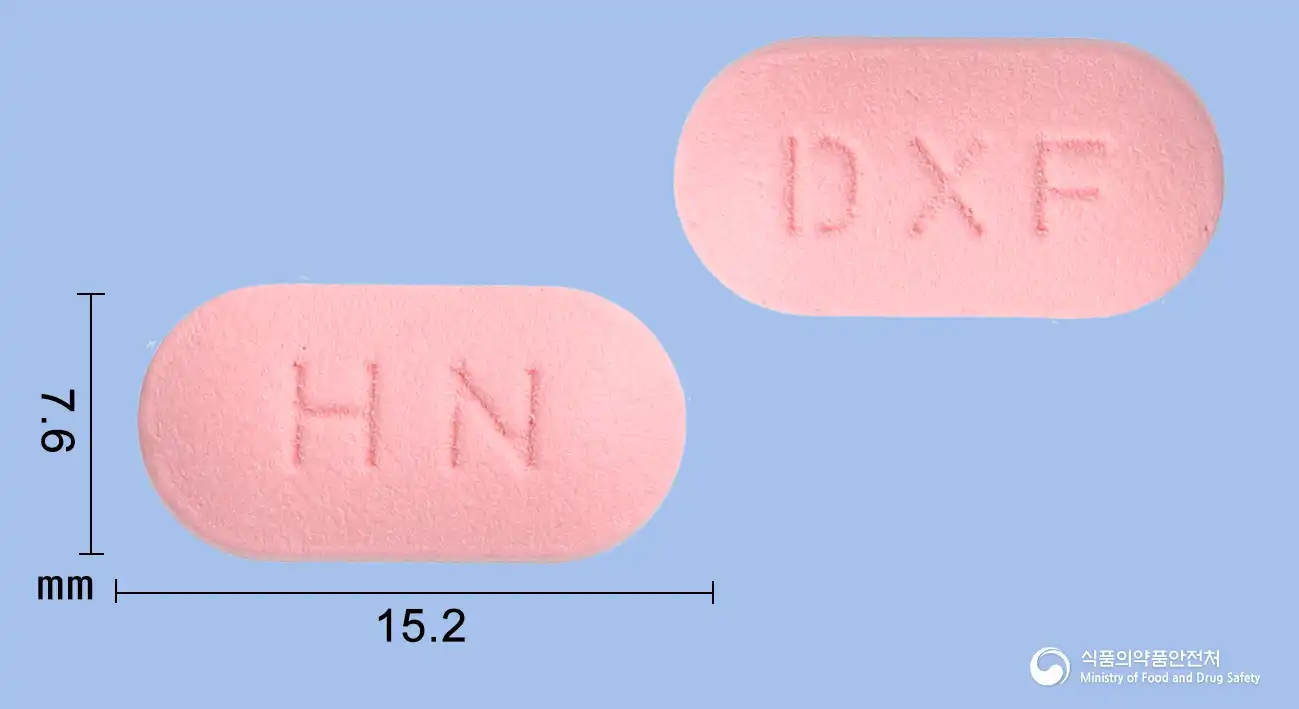
Dexibuprofen 300mg
Tablet · OTC medication
Hana Pharmaceutical Co., Ltd.
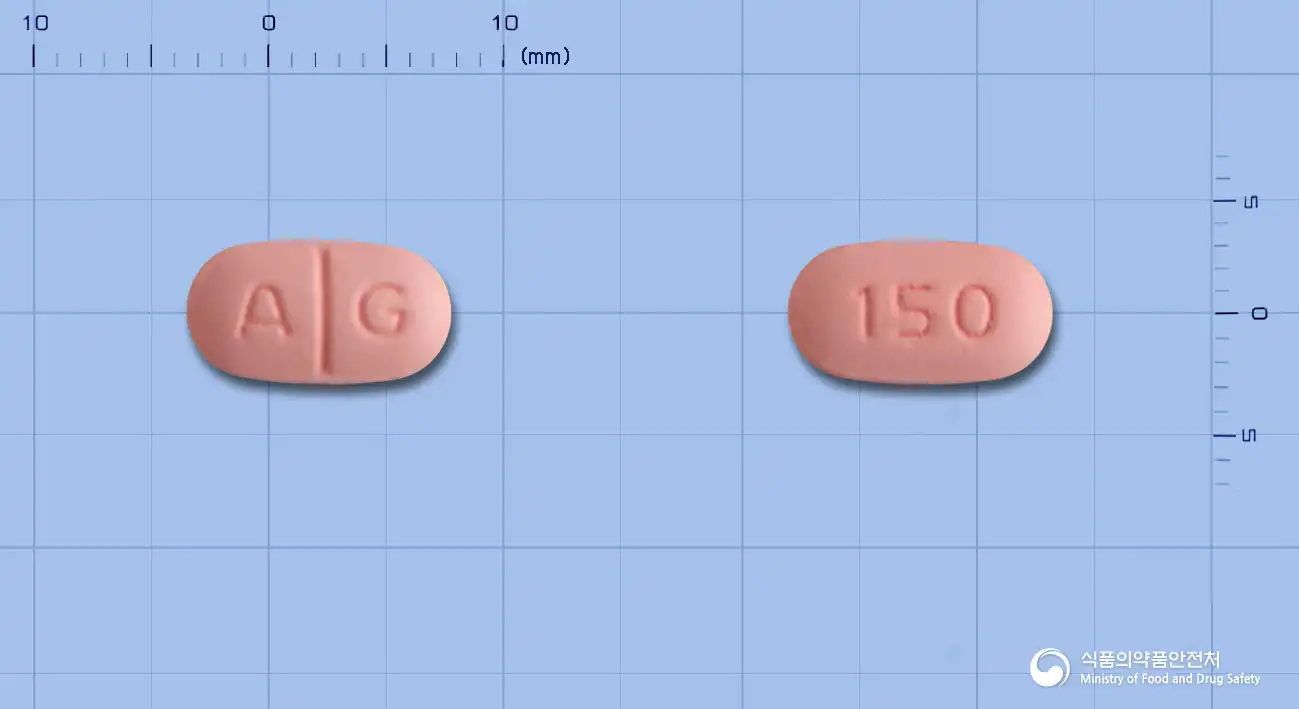
Dexibuprofen 150mg
Tablet · OTC medication
Anguk Pharm Co., Ltd.
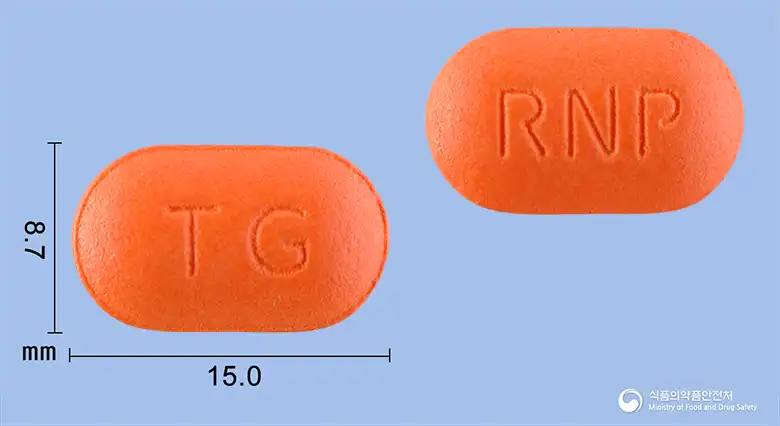
Dexibuprofen 300mg
Tablet · OTC medication
Taeguk Pharmaceutical Co., Ltd.
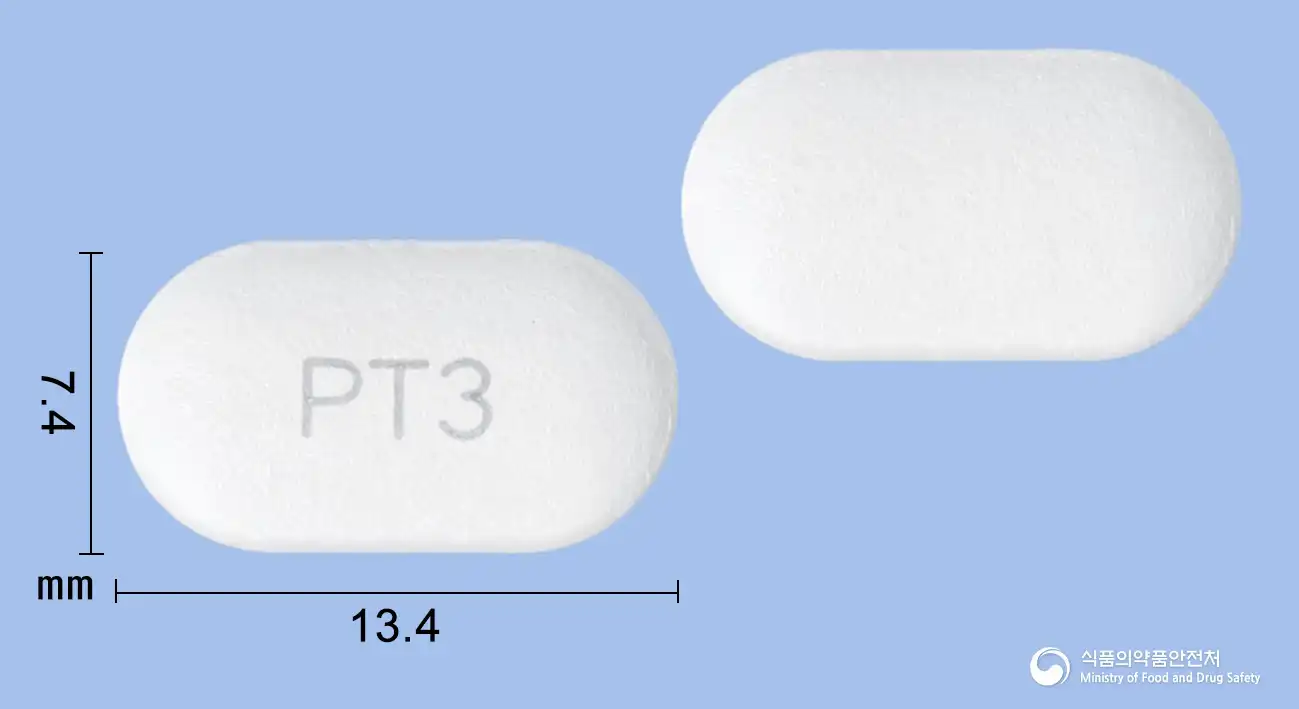
Dexibuprofen 300mg
Tablet · OTC medication
Genupharm Co., Ltd.
Even with the same ingredient, the dose and directions can differ by strength and dosage form. Talk to a doctor or pharmacist before switching from a medication you are already taking.
No questions yet.
For anything that needs medical judgment, consult a doctor or pharmacist.
This drug information is based on data provided by the Korea Ministry of Food and Drug Safety.
Consult a doctor or pharmacist for accurate dosage, administration, and usage instructions.