
 한국어
한국어 English
 日本語
日本語 中文(简体)
 Viewing now
Canarb 120 mg (Pimasartan Potassium Trihydrate)
Fimasartan Potassium Trihydrate 132.02mg
Tablet · Prescription medication
Boryung Co., Ltd.
MFDS item code 201005500 · Approved 2010.09.09 · Insurance code 641905460
Improvement of essential hypertension and diabetic chronic kidney disease (proteinuria)
This medication helps effectively lower blood pressure in patients with essential hypertension. It is also used to reduce proteinuria in patients with essential hypertension and chronic kidney disease associated with type 2 diabetes. This contributes to preventing deterioration of kidney function and improving overall health status. Therefore, this medication is effective in improving complications related to hypertension and protecting the kidneys.
For essential hypertension in adults: 30 – 60 mg once a day, irrespective of meals. If blood pressure control is inadequate, the dose may be increased to 120 mg once daily. In elderly patients (above 70 years), an initial dose of 30 mg once daily is recommended. For patients with severe renal impairment, treatment should start at 30 mg once daily and not exceed 60 mg. For patients with decreased effective blood volume, initial dosing should be carefully considered.
This medication can cause serious harm or death to the fetus or newborn if taken during pregnancy, especially in the second and third trimesters, so it should be stopped immediately upon confirmation of pregnancy. Patients who are allergic to any ingredients in this medication or are pregnant or breastfeeding, patients undergoing renal dialysis, those with severe liver impairment, patients with bile duct obstruction, and diabetic patients with certain kidney diseases should not take this medication. Patients with low blood volume or sodium, impaired kidney function, renal artery hypertension, problems with the aorta or heart valves, primary aldosteronism, and patients allergic to any dye contained in this drug should use it with caution. This medication may cause various side effects, including headaches, dizziness, dyspepsia, muscle stiffness, itching, erectile dysfunction, and rarely serious kidney problems, blood pressure abnormalities, liver function issues, etc. There may be symptoms of hypotension at the beginning of treatment or when the dosage is increased, so blood pressure and electrolyte levels should be monitored regularly, especially in patients on high-dose diuretics. There is a risk of elevated potassium levels, so patients with heart failure or kidney disease should have their serum potassium levels checked regularly. Drug interactions may occur when used with other antihypertensives, potassium-sparing diuretics, lithium, non-steroidal anti-inflammatory drugs, etc., so it is essential to consult a doctor or pharmacist if taking other medications. This medication is not recommended for breastfeeding women, and its safety for children and adolescents under 18 has not been established. Generally, elderly patients do not need dosage adjustments; however, some elderly patients may be more sensitive to the medication, requiring caution. Patients with severe liver impairment should not take this medication, and in case of overdose, symptoms such as hypotension or cardiac abnormalities may occur, requiring immediate medical assistance. This medication should be kept out of reach of children, and transferring it to other containers should be avoided due to the risk of quality degradation or accidents.
Not everyone experiences these, and they can vary from person to person.
This medication is sensitive to light and should be stored in special containers that block light. Additionally, it is advisable to store the medication at room temperature, between 1 and 30 degrees Celsius. Storing it this way helps to safely maintain the drug's effectiveness.
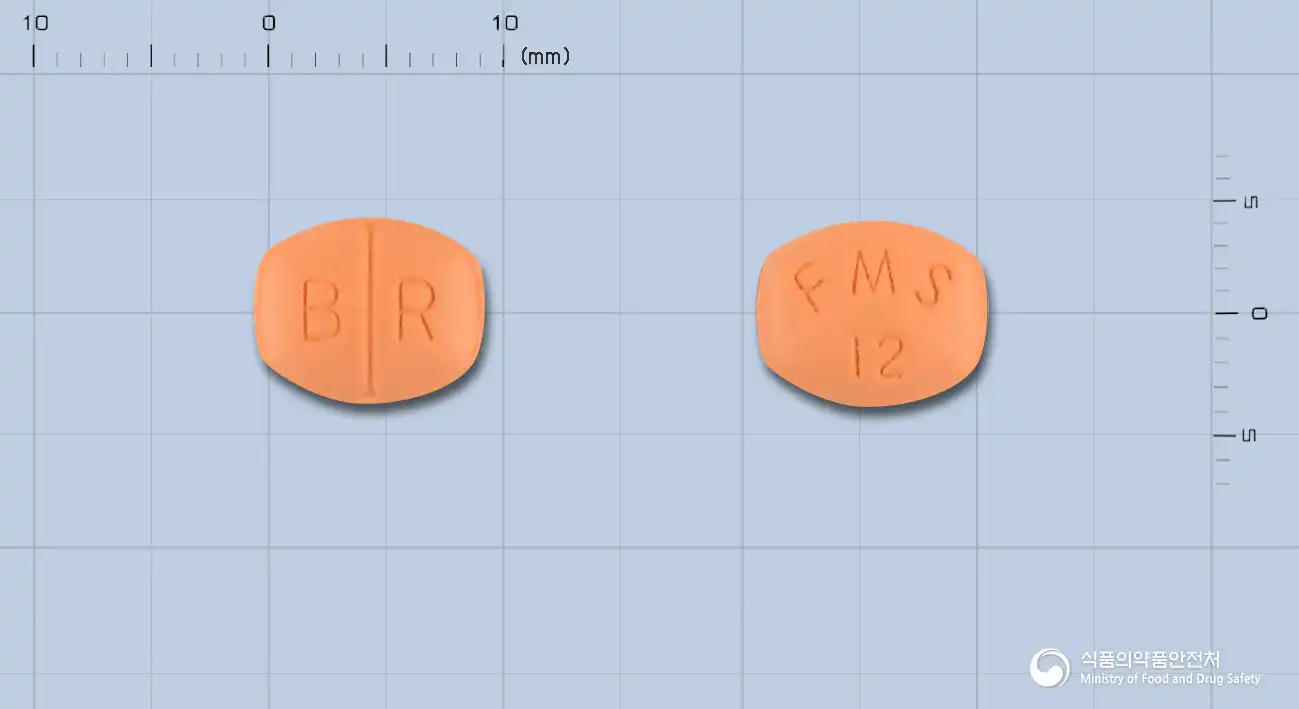
A pale orange, convex film-coated tablet in a hexagonal shape with a dividing line on one side and rounded corners.
30 tablets/bottle, 300 tablets/bottle
Even with the same ingredient, strength, dosage form and how it is taken can differ.
Viewing nowFimasartan Potassium Trihydrate 132.02mg
Tablet · Prescription medication
Boryung Co., Ltd.
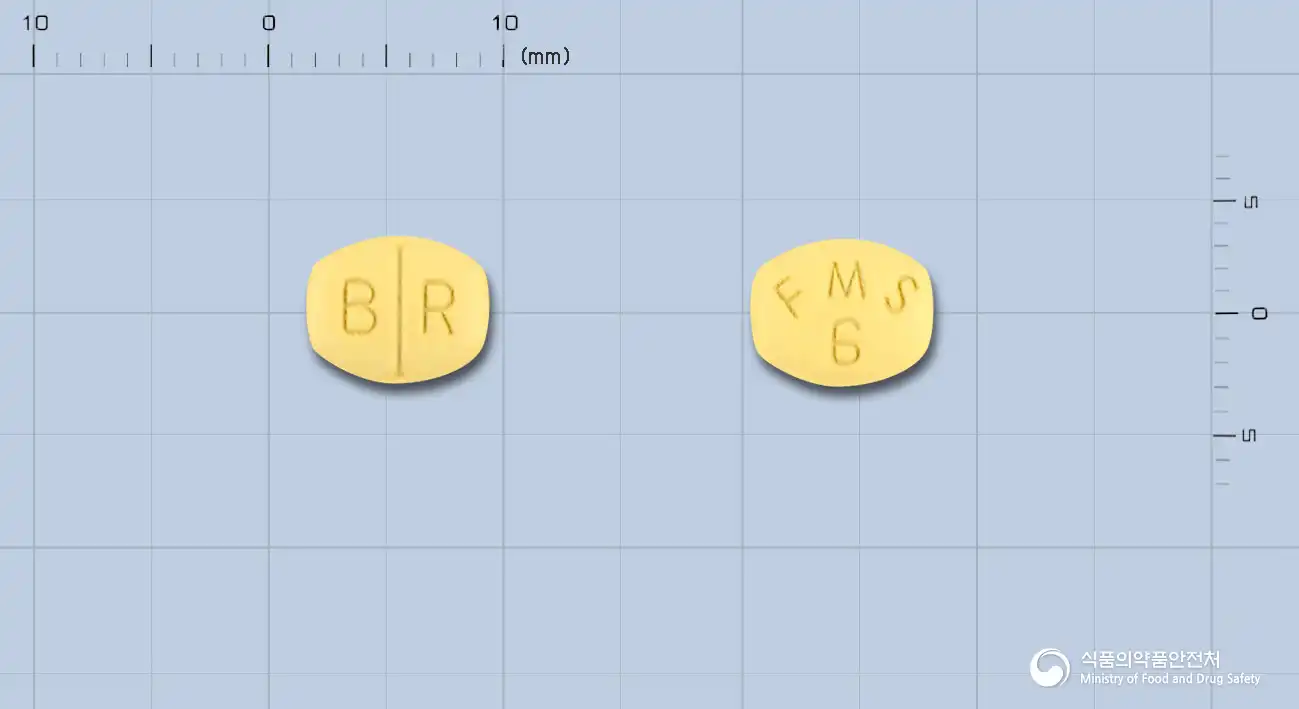
Fimasartan Potassium Trihydrate 66.01mg
Tablet · Prescription medication
Boryung Pharmaceuticals Co., Ltd.
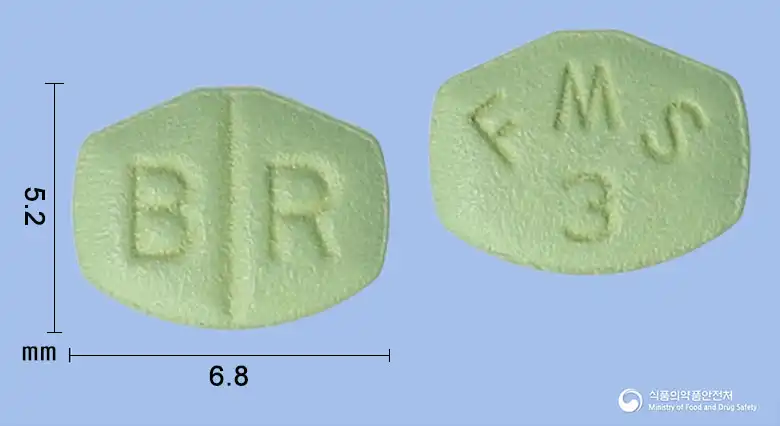
Fimasartan Potassium Trihydrate 33.005mg
Tablet · Prescription medication
Boryung Pharmaceutical Co., Ltd.
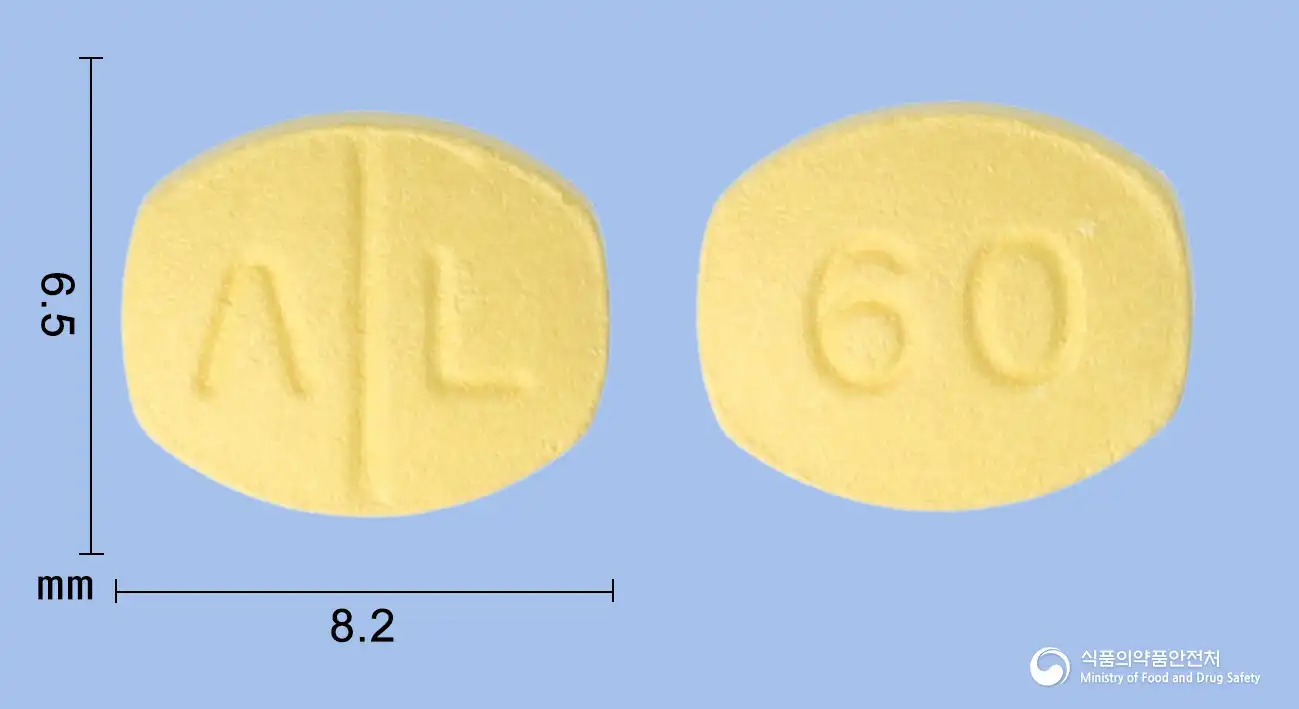
Fimasartan Potassium Trihydrate 66.01mg
Tablet · Prescription medication
Aliko Pharmaceutical Co., Ltd.
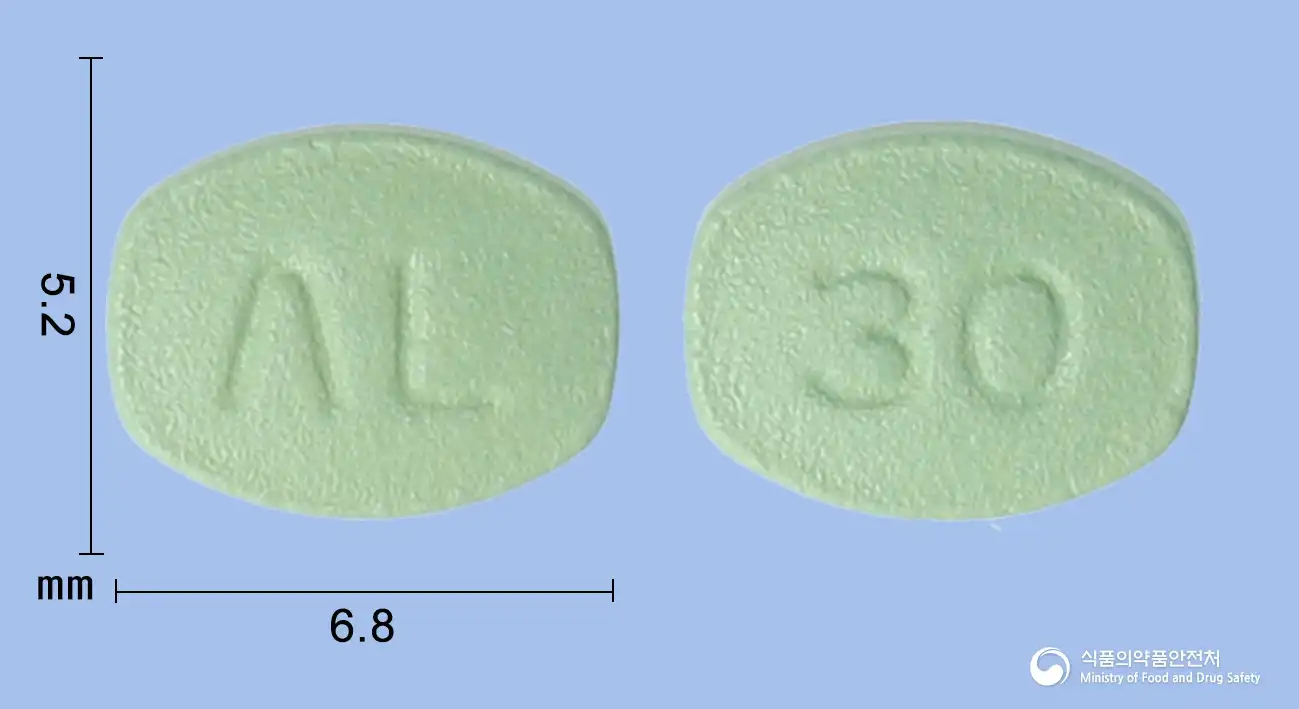
Fimasartan Potassium Trihydrate 33.005mg
Tablet · Prescription medication
Aliko Pharmaceutical Co., Ltd.
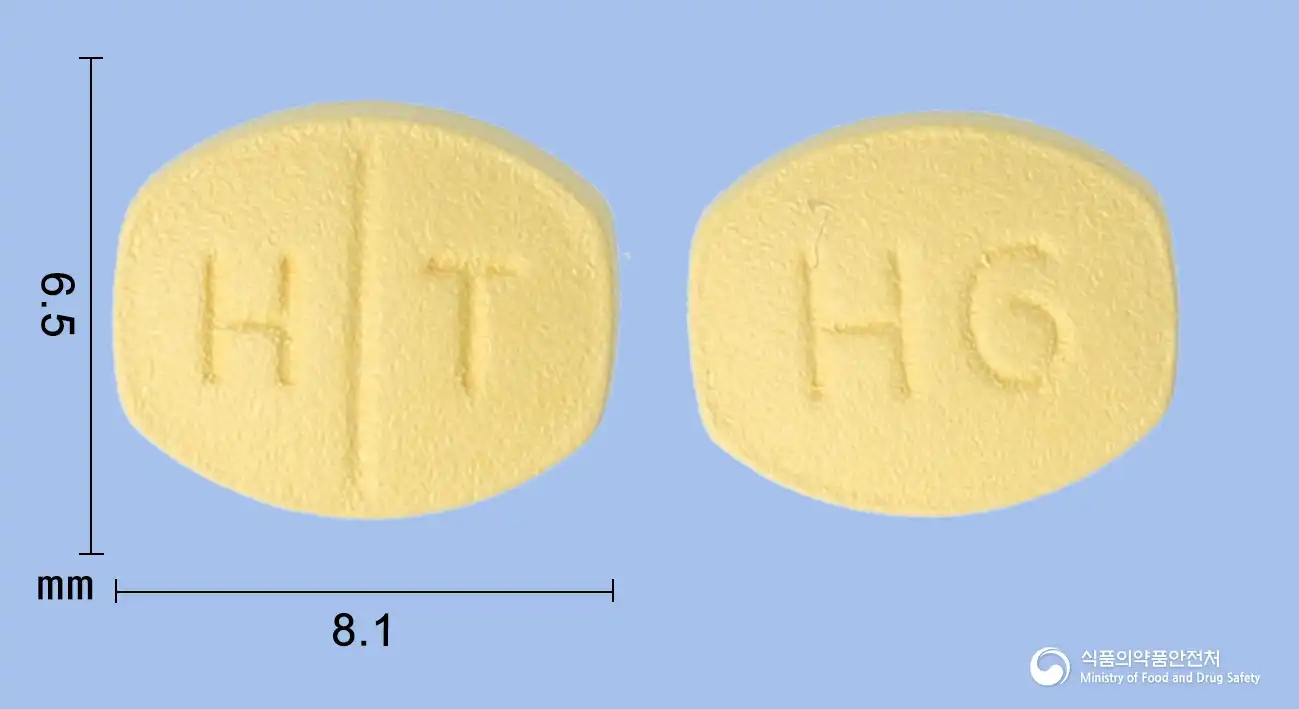
Fimasartan Potassium Trihydrate 66.01mg
Tablet · Prescription medication
Korea Hyutex Pharmaceuticals Co., Ltd.
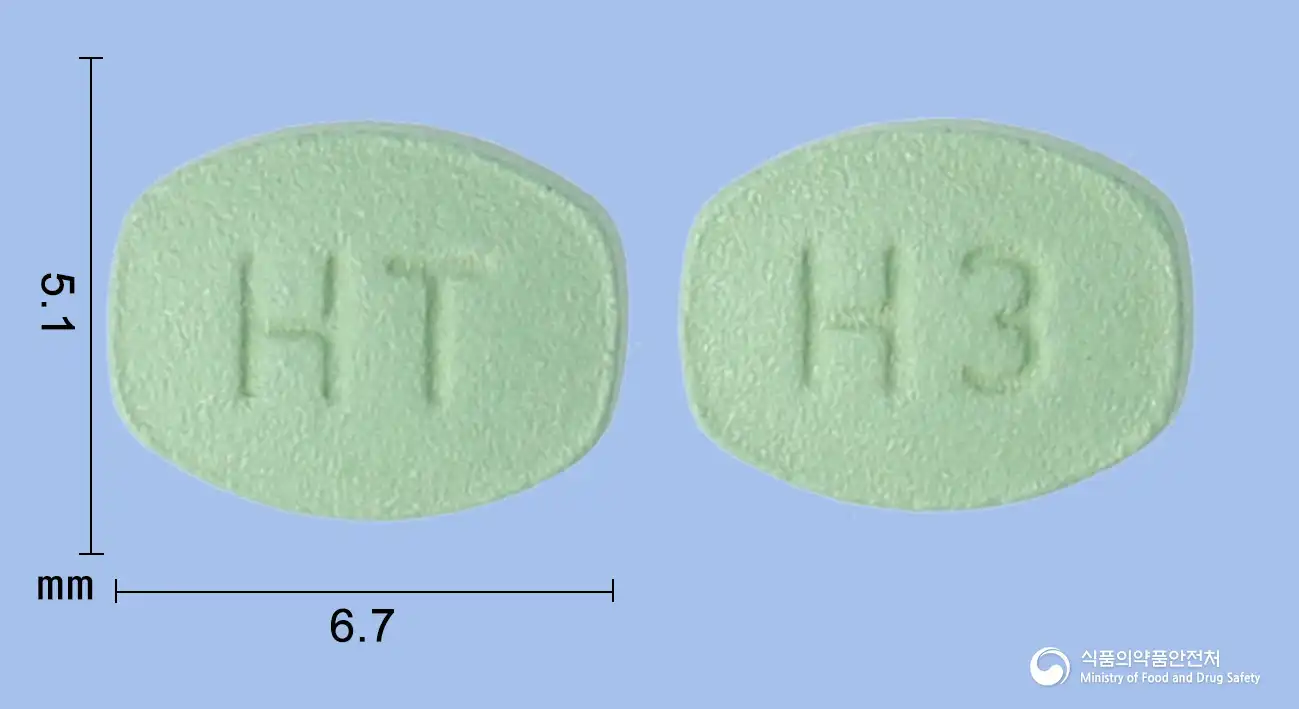
Fimasartan Potassium Trihydrate 33.005mg
Tablet · Prescription medication
HanKook Hytex Pharmaceutical Co., Ltd.
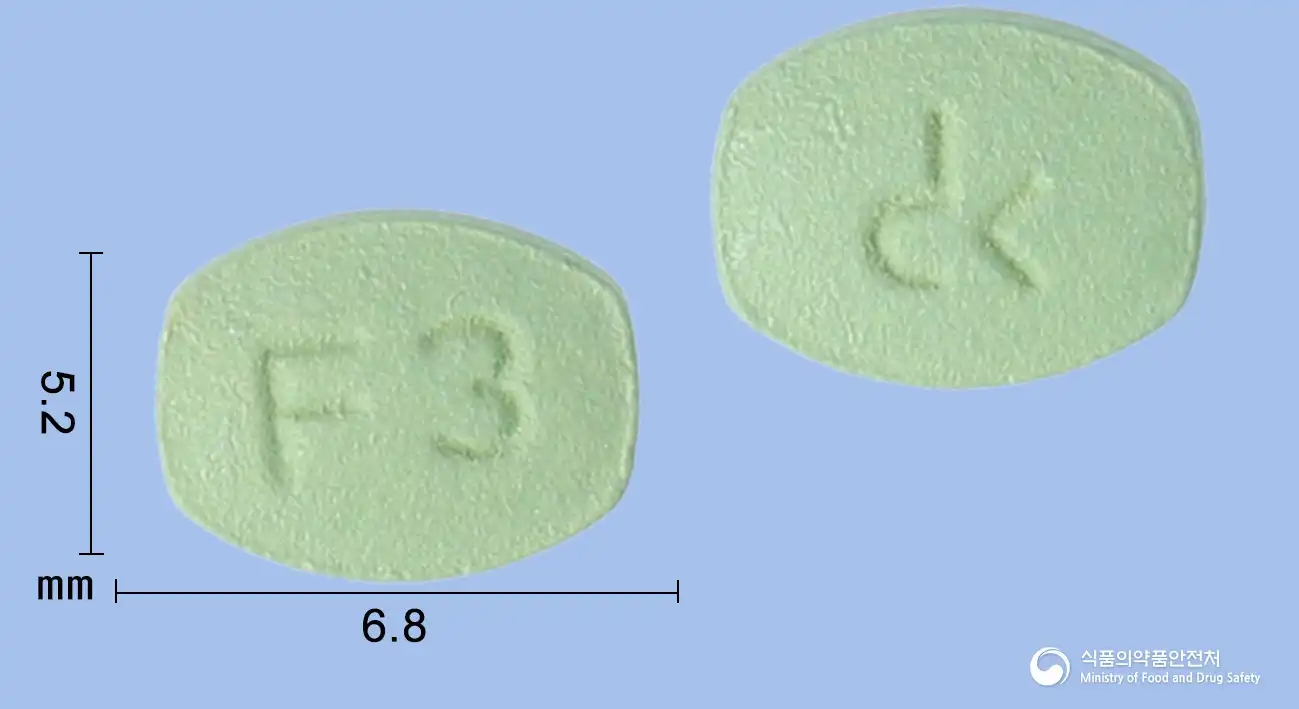
Fimasartan Potassium Trihydrate 33.005mg
Tablet · Prescription medication
Dongkuk Pharm Co., Ltd.
Even with the same ingredient, the dose and directions can differ by strength and dosage form. Talk to a doctor or pharmacist before switching from a medication you are already taking.
No questions yet.
For anything that needs medical judgment, consult a doctor or pharmacist.
This drug information is based on data provided by the Korea Ministry of Food and Drug Safety.
Consult a doctor or pharmacist for accurate dosage, administration, and usage instructions.