
 한국어
 English
 日本語
 中文(简体)
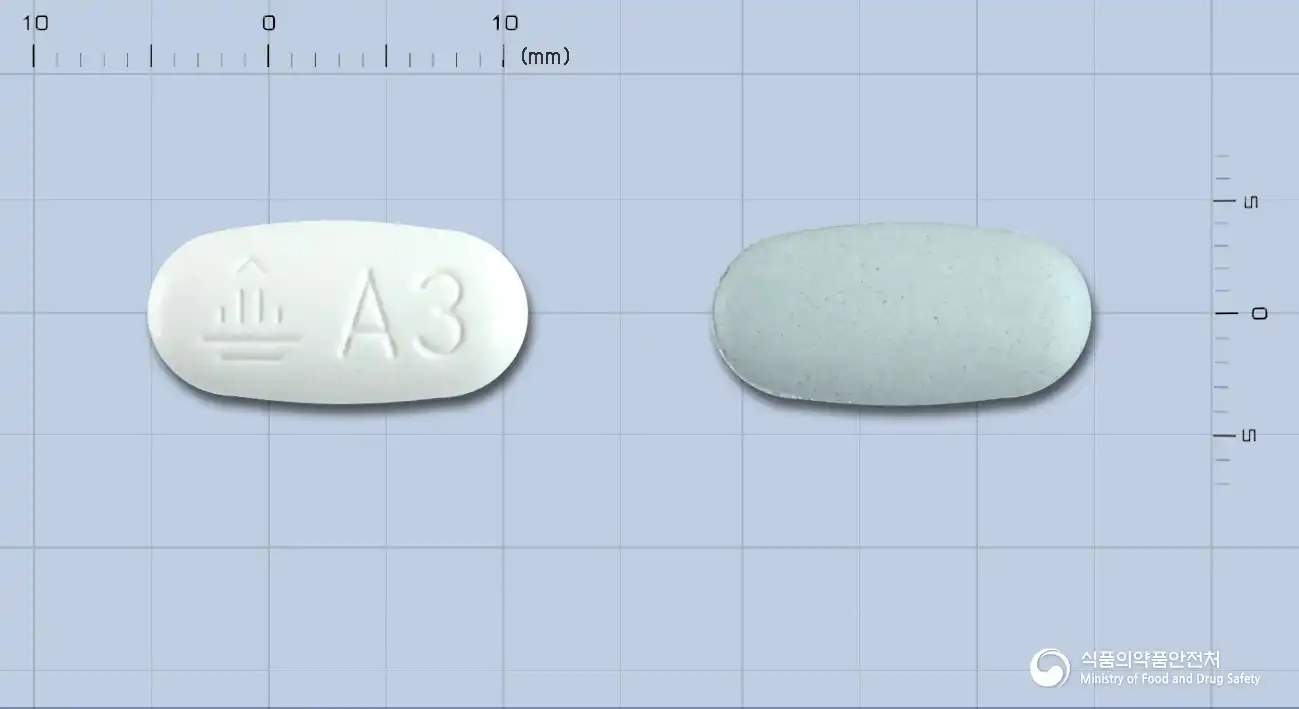 Viewing nowCombination
TwinStar Tablet 80/5 mg
Telmisartan 80mg · Amlodipine Besylate 6.935mg
Prescription medication · Combination
Boehringer Ingelheim Korea Co., Ltd.
MFDS item code 201005083 · Approved 2010.08.19 · Insurance code 653501280
Treatment of essential hypertension not controlled with amlodipine or telmisartan monotherapy
This medication effectively controls blood pressure in patients with essential hypertension who have difficulty controlling their blood pressure with monotherapy using amlodipine or telmisartan alone. Essential hypertension is a condition that requires continuous management to prevent cardiovascular diseases, and this medication stabilizes blood pressure through the actions of both drugs. Therefore, it helps improve blood pressure control and reduces the risk of complications.
The recommended dose of this medicine is 1 tablet once daily, taken with water regardless of meals. If possible, it is recommended to take it at the same time every day (e.g., in the morning). Before administering this medicine, it is recommended that the doses of the individual components (amlodipine or telmisartan) be adjusted. However, if blood pressure is not controlled with the individual components as follows, switching directly to this medicine may be considered. - 40/5 mg: For patients whose blood pressure is not adequately controlled with amlodipine 5 mg or telmisartan 40 mg. - 80/5 mg: For patients whose blood pressure is not adequately controlled with amlodipine 5 mg or this medicine 40/5 mg. - 40/10 mg: For patients whose blood pressure is not adequately controlled with amlodipine 10 mg. ◦ Patients with renal impairment: No dose adjustment is necessary in patients with mild to moderate renal impairment. For patients with severe renal impairment, however, it is recommended to start treatment at a low dose and increase the dose gradually. Periodic monitoring of serum potassium and creatinine levels is also recommended. Telmisartan is not removed by hemodialysis. ◦ Patients with hepatic impairment: The daily dose of telmisartan should not exceed 40 mg in patients with mild or moderate hepatic impairment. ◦ Elderly patients: The usual amlodipine dosage is recommended for elderly patients, but caution should be exercised when increasing the dose (see section '3. Patients requiring careful administration'). For elderly patients 75 years of age or older, amlodipine clearance is reduced; therefore, start treatment at a low dose and increase the dose gradually.
◦ Pediatric patients: Use of this medicine is not recommended in pediatric patients 18 years of age or younger because its safety and efficacy have not been established.
This medication should not be taken during pregnancy, especially during the second and third trimesters, as it can cause serious side effects to the fetus. If pregnancy is confirmed, this medication should be discontinued as soon as possible and replaced with a safer alternative if necessary. This medication is contraindicated in patients with certain diseases, such as severe liver dysfunction, biliary obstruction, severe hypotension, and those experiencing shock related to heart conditions. Women who are pregnant or may become pregnant, as well as nursing mothers, should not take this medication. Caution is advised when administering this medication to certain patients, such as those with primary aldosteronism, certain heart valve diseases, liver dysfunction, gastrointestinal diseases, renovascular hypertension, renal failure, and the elderly; these patients should use this medication carefully under medical supervision. Common side effects during the use of this medication may include dizziness and peripheral edema, while serious side effects such as fainting can occur rarely. If any unusual symptoms appear, immediate consultation with a healthcare professional is required. This medication can interact with other drugs, so it is essential to inform healthcare professionals if taking other medications. In particular, when taken with medications that can affect potassium levels, regular monitoring of serum potassium concentrations is necessary. This medication contains sorbitol and is not suitable for patients with fructose intolerance. Caution is also needed while driving or operating machinery due to possible dizziness or drowsiness. In case of overdose, hypotension, cardiac arrhythmias, and in severe cases, shock may occur, requiring immediate medical treatment. This medication has not been established for safety and efficacy in children, hence it is not recommended for them.
Not everyone experiences these, and they can vary from person to person.
This medication is sensitive to light and should be stored in an opaque container. Additionally, it is essential to maintain a room temperature between 1°C and 30°C while storing the medication. Avoid storing in excessively hot or cold places.
A white and light blue, oval-shaped biconvex double tablet.
30 tablets (10 tablets/PTP x 3)
Even with the same ingredient, strength, dosage form and how it is taken can differ.
Viewing nowCombinationTelmisartan 80mg · Amlodipine Besylate 6.935mg
Prescription medication · Combination
Boehringer Ingelheim Korea Co., Ltd.
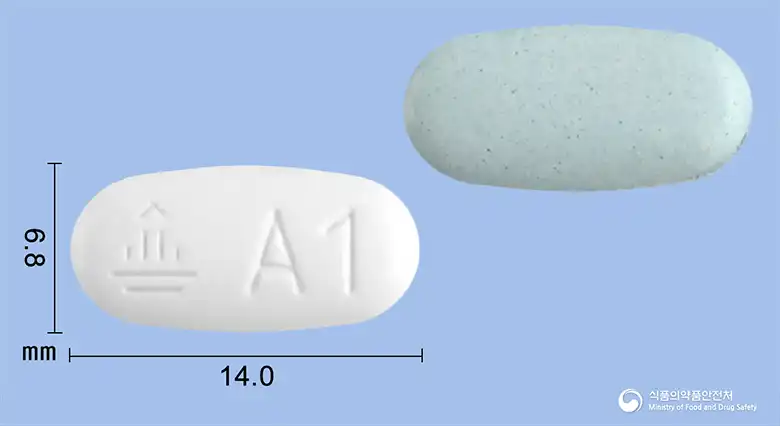 Combination
Telmisartan 40mg · Amlodipine Besylate 6.935mg
Prescription medication · Combination
Boehringer Ingelheim Korea Co., Ltd.
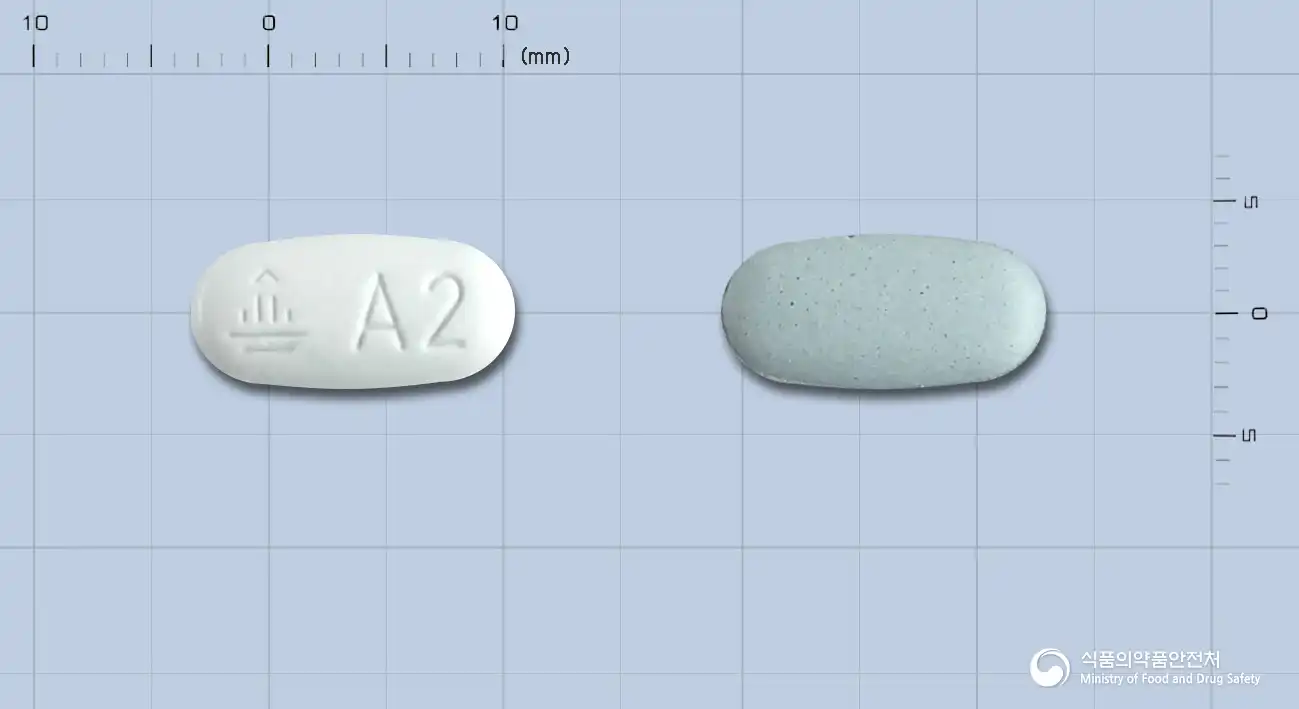 Combination
Telmisartan 40mg · Amlodipine Besylate 13.87mg
Prescription medication · Combination
Boehringer Ingelheim Korea Co., Ltd.
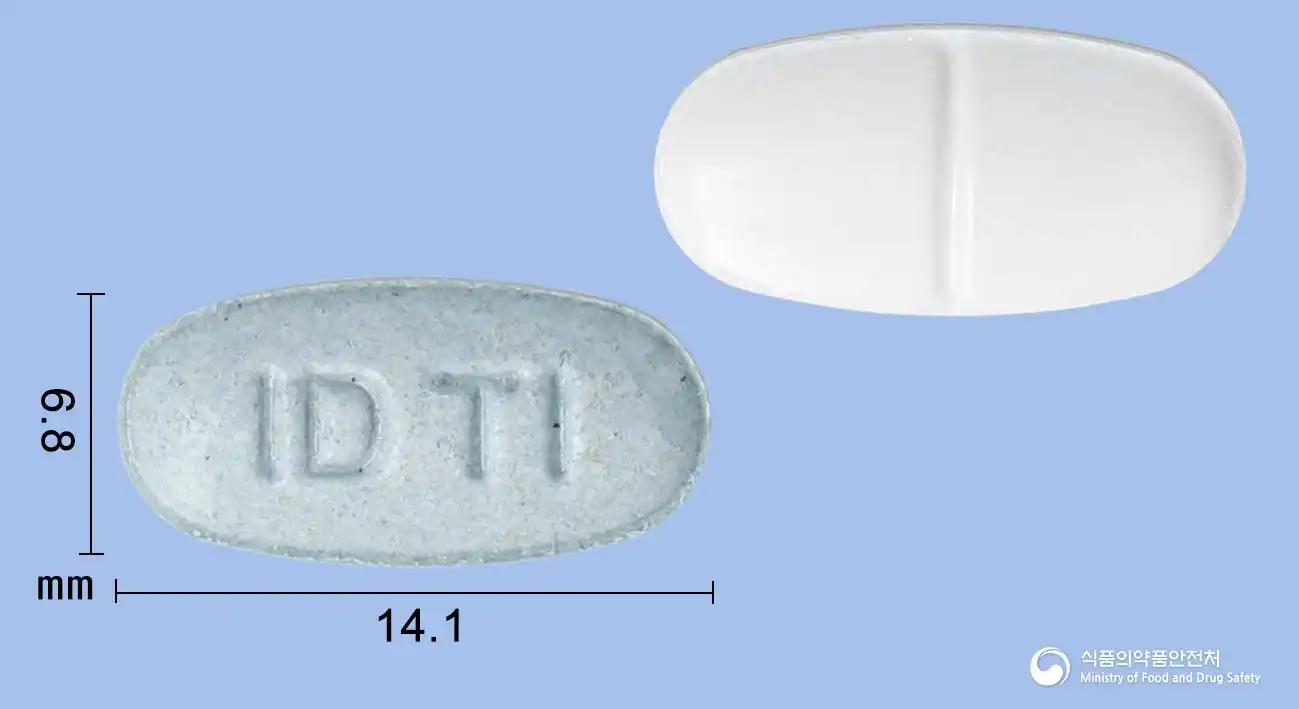 Combination
Telmisartan 40mg · Amlodipine Besylate 6.935mg
Prescription medication · Combination
Ildong Pharmaceutical Co., Ltd.
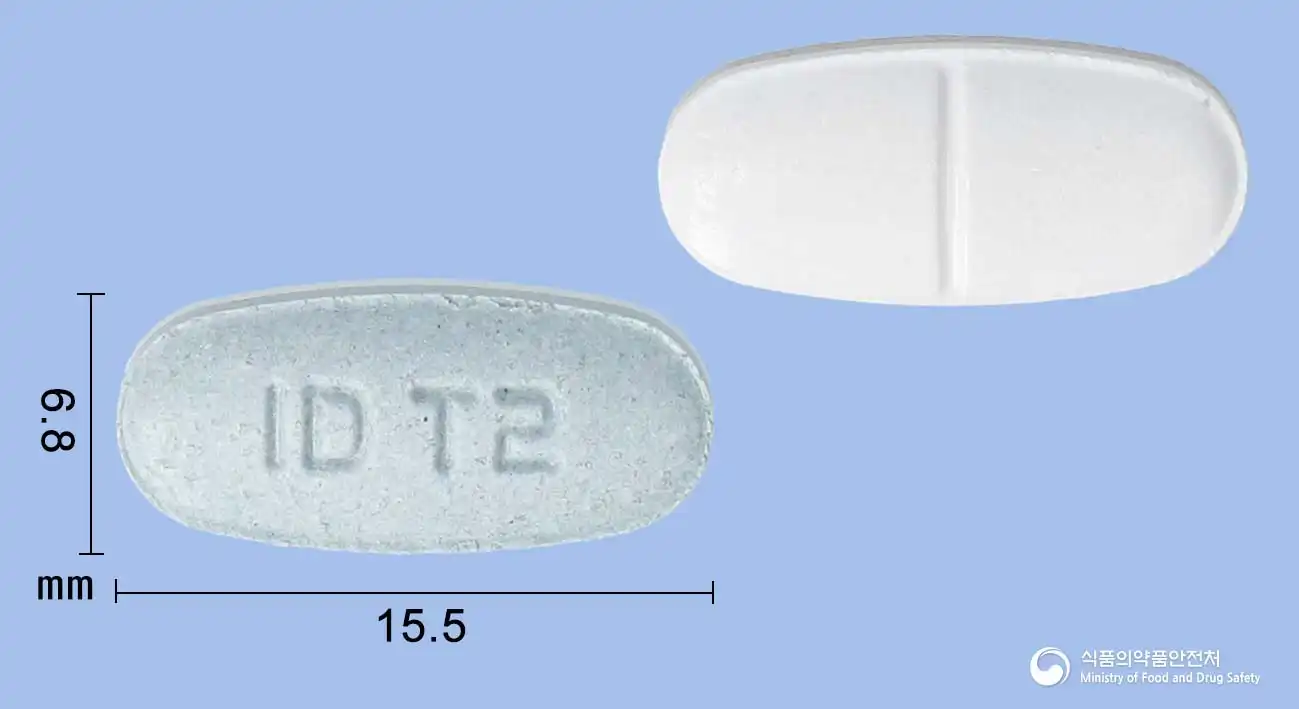 Combination
Telmisartan 40mg · Amlodipine Besylate 13.87mg
Prescription medication · Combination
ILDONG Pharmaceutical Co., Ltd.
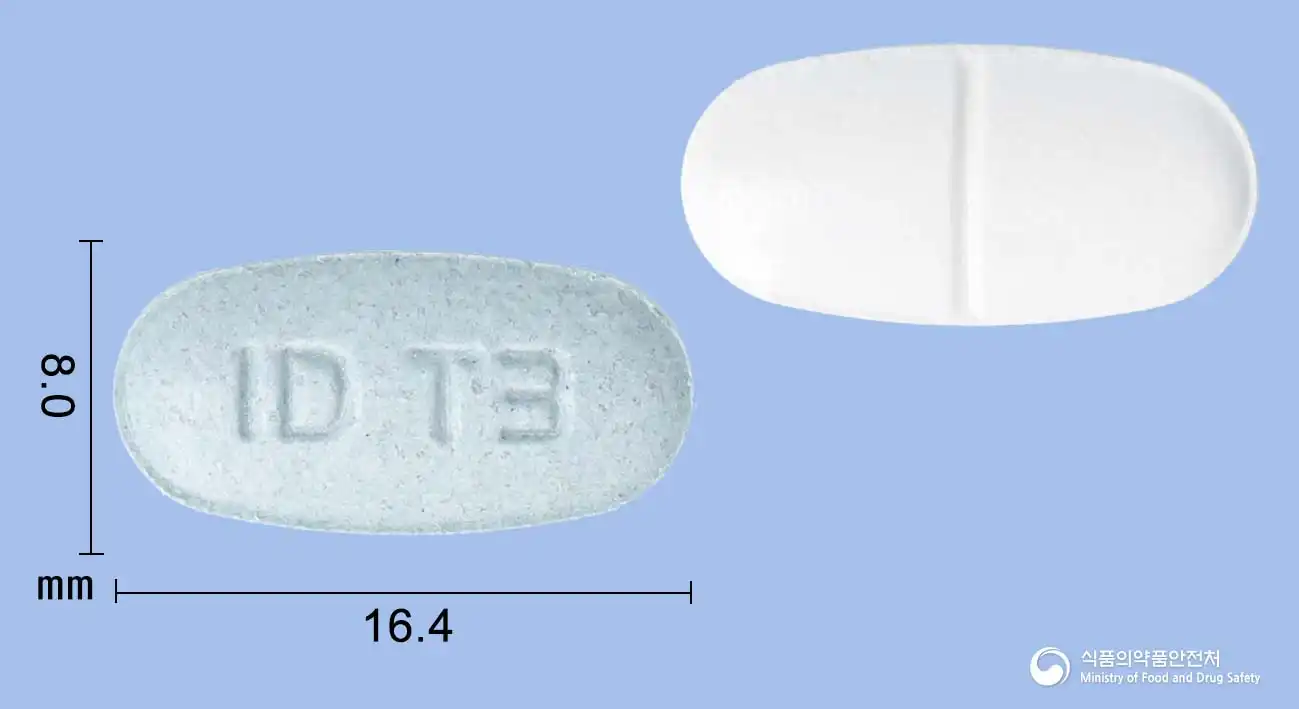 Combination
Telmisartan 80mg · Amlodipine Besylate 6.935mg
Prescription medication · Combination
Ildong Pharmaceutical Co., Ltd.
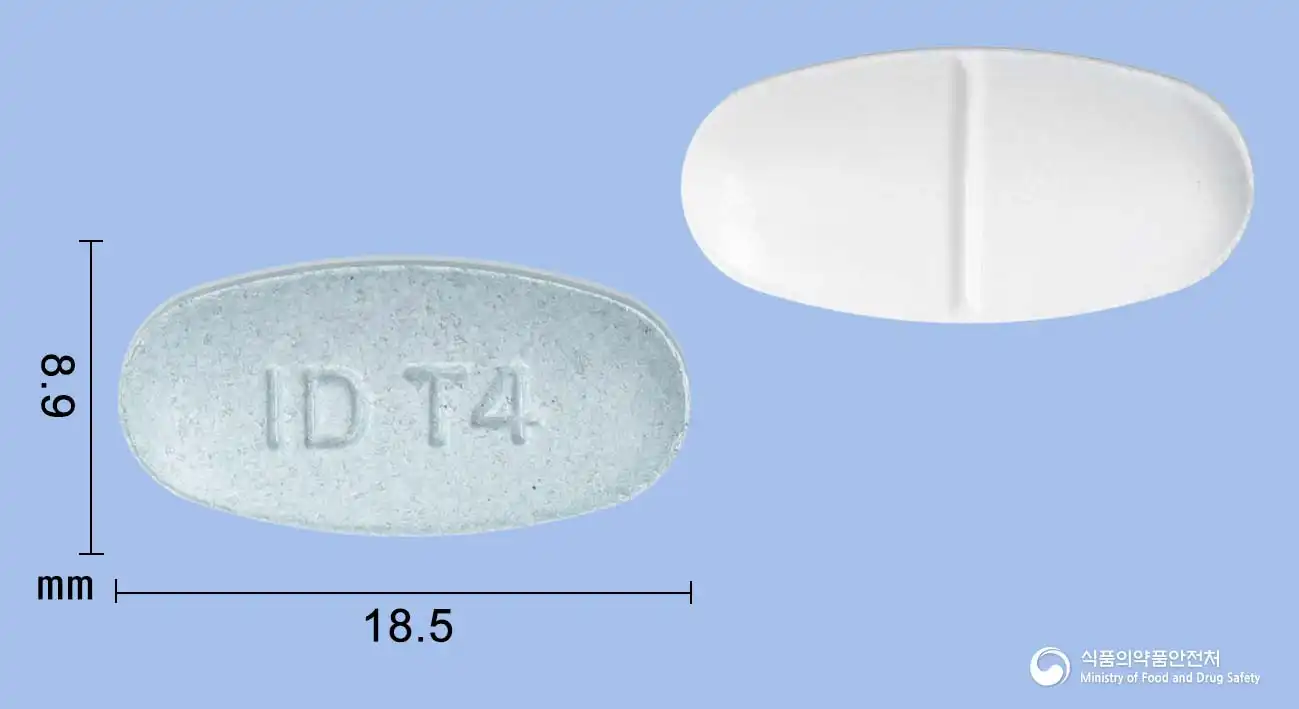 Combination
Telmisartan 80mg · Amlodipine Besylate 13.87mg
Prescription medication · Combination
Ildong Pharmaceutical Co., Ltd.
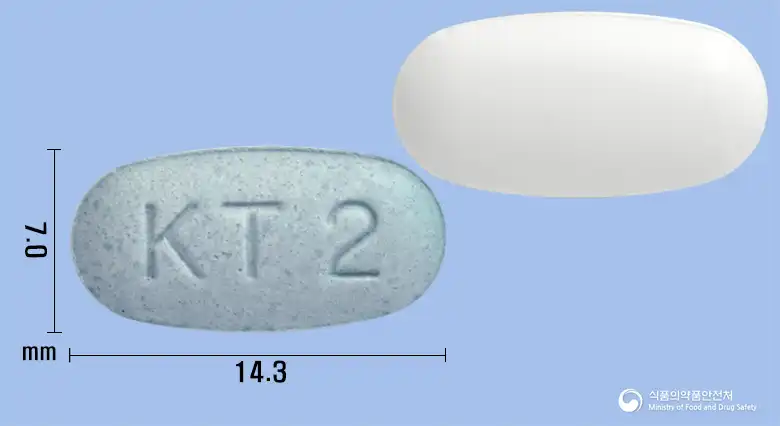 Combination
Telmisartan 40mg · Amlodipine Besylate 13.87mg
Prescription medication · Combination
Genewon Science Co., Ltd.
Even with the same ingredient, the dose and directions can differ by strength and dosage form. Talk to a doctor or pharmacist before switching from a medication you are already taking.
No questions yet.
For anything that needs medical judgment, consult a doctor or pharmacist.
This drug information is based on data provided by the Korea Ministry of Food and Drug Safety.
Consult a doctor or pharmacist for accurate dosage, administration, and usage instructions.