
 한국어
한국어 English
 日本語
日本語 中文(简体)
Dosage form image
Viewing nowTelcadin Tablets 80 mg (Telmisartan)
Telmisartan 80mg
Tablet · Prescription medication
KYUNG DONG PHARM. Co., Ltd.
MFDS item code 201005031 · Approved 2010.08.16
This product's status changed to Expired on 2024.07.01. It may no longer be sold, so consult a doctor or pharmacist before taking it.
Treatment for essential hypertension and reduction of cardiovascular disease risk
This medication is used to treat essential hypertension. It also helps lower the risk of cardiovascular disease in high-risk patients aged 55 and older who cannot use ACE inhibitors, reducing the risk of myocardial infarction, stroke, and mortality due to cardiovascular disease. Therefore, it is used as a treatment that can improve both blood pressure control and cardiovascular health.
For essential hypertension, it is recommended to take 40 mg of telmisartan orally once daily, and it may be effective at 20 mg once daily depending on the patient. If necessary, the dosage can be increased up to 80 mg once daily. For the reduction of cardiovascular disease risk, it is recommended to take 80 mg of telmisartan orally once daily. Patients with liver impairment should not exceed 40 mg once daily.
This medication can pose serious risks to the fetus during pregnancy, so it should be discontinued immediately if pregnancy is confirmed. Women who are pregnant or may become pregnant and those who are breastfeeding should not take this medication. Patients with severely impaired liver function or those with biliary obstruction should also avoid this medication. Patients with hypersensitivity, hereditary angioedema, and diabetes with specific renal dysfunction should not use this medication. Caution should be exercised when prescribing this medication to the elderly, patients with hyperkalemia, and those with slightly reduced liver function, as dosage adjustments may be necessary. Patients with heart or vascular diseases, gastrointestinal diseases, and renal artery hypertension should also take care. This medication lowers blood pressure, which can lead to symptoms such as hypotension, dizziness, and fainting, so precautions are needed. Patients with diminished renal function should have their potassium and creatinine levels monitored frequently, and experience with this medication in kidney transplant patients is lacking. When used with other antihypertensive medications or certain diuretics or potassium supplements, the risk of side effects may increase due to interactions, so it is important to follow professional advice. This medication may cause drowsiness or dizziness, so caution is required when driving or operating hazardous machinery. Safety and efficacy have not been established in children, so use is not recommended. In case of overdose, symptoms such as hypotension, bradycardia, dizziness, and acute renal failure may occur, and since it is not removed by blood dialysis, immediate medical treatment is necessary. This medication should be kept out of reach of children and transferring it to other containers is not advisable for maintaining quality.
Urticaria, severe swelling (angioedema), chest tightness, difficulty breathing, cold sweats, pallor, severe allergic reactions, severe rash with fever, blistering, exfoliative skin reactions, oral/ocular mucosal pain, severe skin reactions, difficulty breathing, asthma attacks, respiratory difficulties with cough and fever, jaundice (yellowing of the skin or eyes), liver dysfunction, systemic weakness, sudden and severe headache, thunderclap headache, seizures, loss of consciousness
Not everyone experiences these, and they can vary from person to person.
This medication should be stored in a tightly sealed container to prevent air and moisture exposure. Additionally, it is important to store it at a temperature between 1 degree and 30 degrees Celsius to maintain its effectiveness.
White or off-white oval tablet
30 tablets (10 tablets/Alu-Alu X 3)
Even with the same ingredient, strength, dosage form and how it is taken can differ.
Telmisartan 80mg
Tablet · Prescription medication
KYUNG DONG PHARM. Co., Ltd.
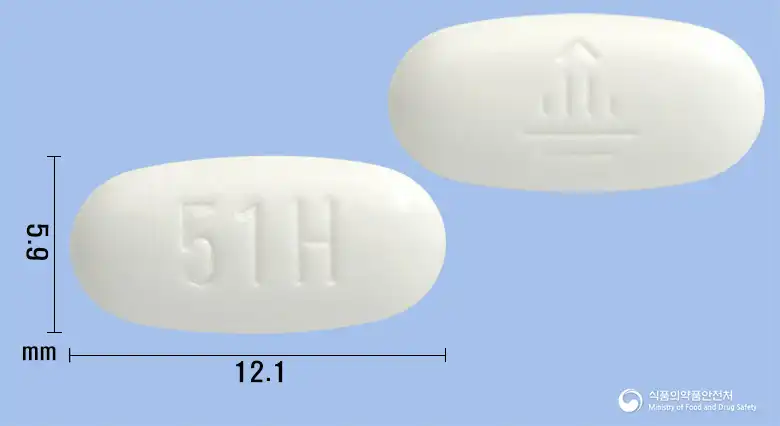
Telmisartan 40mg
Tablet · Prescription medication
Boehringer Ingelheim Korea Co., Ltd.
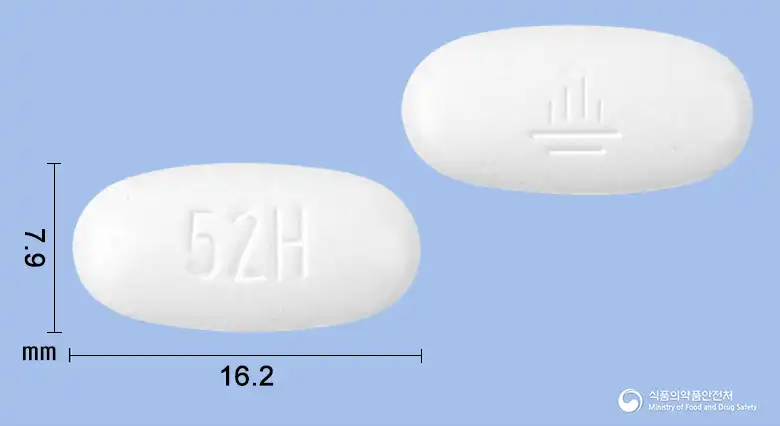
Telmisartan 80mg
Tablet · Prescription medication
Boehringer Ingelheim Korea Co., Ltd.
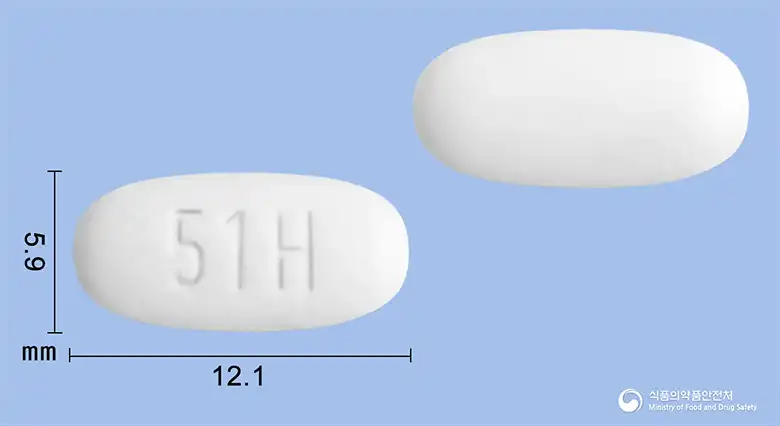
Telmisartan 40mg
Tablet · Prescription medication
Kwangdong Pharmaceutical Co., Ltd.
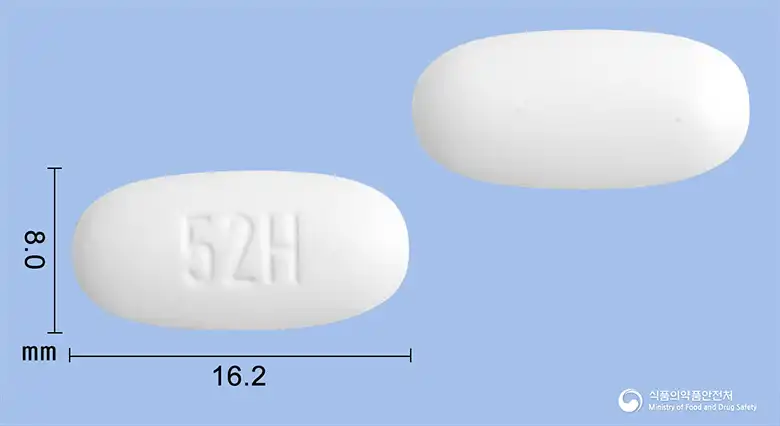
Telmisartan 80mg
Tablet · Prescription medication
Kwangdong Pharmaceutical Co., Ltd.
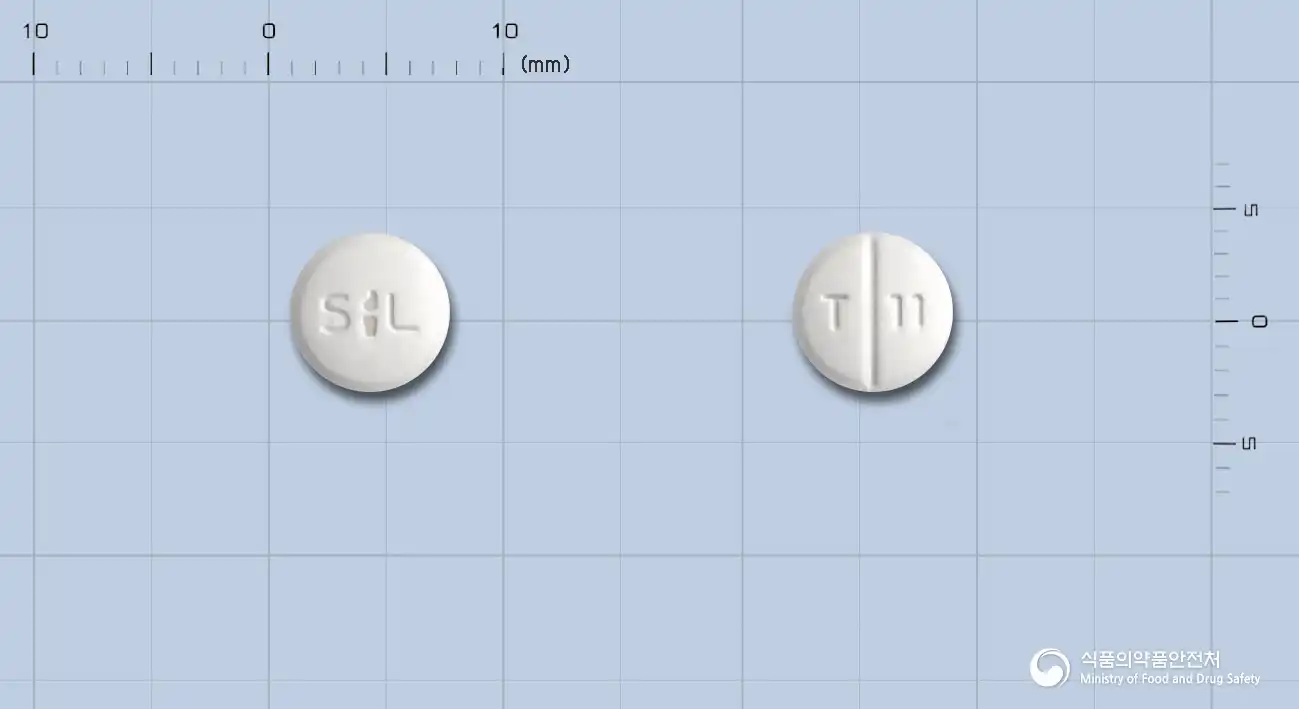
Telmisartan 40mg
Tablet · Prescription medication
Sam-il Pharmaceutical Co., Ltd.
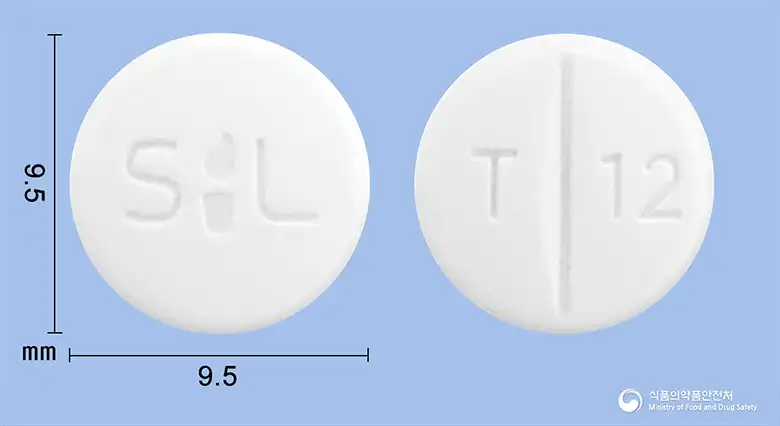
Telmisartan 80mg
Tablet · Prescription medication
Samil Pharmaceutical Co., Ltd.
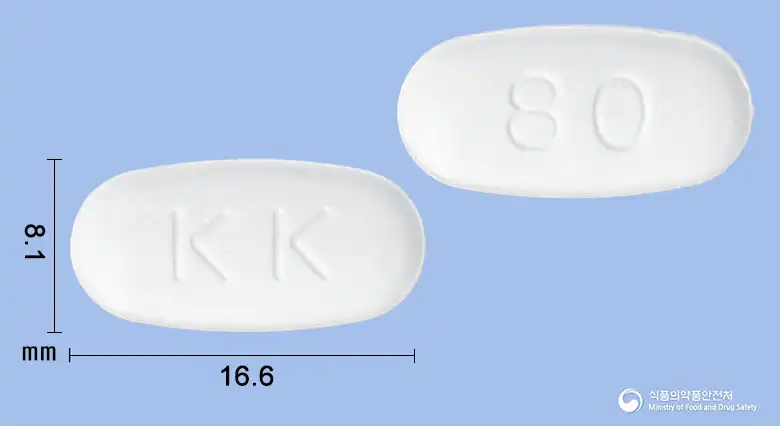
Telmisartan 80mg
Tablet · Prescription medication
Genewon Science Co., Ltd.
Even with the same ingredient, the dose and directions can differ by strength and dosage form. Talk to a doctor or pharmacist before switching from a medication you are already taking.
No questions yet.
For anything that needs medical judgment, consult a doctor or pharmacist.
This drug information is based on data provided by the Korea Ministry of Food and Drug Safety.
Consult a doctor or pharmacist for accurate dosage, administration, and usage instructions.