
 한국어
한국어 English
 日本語
日本語 中文(简体)
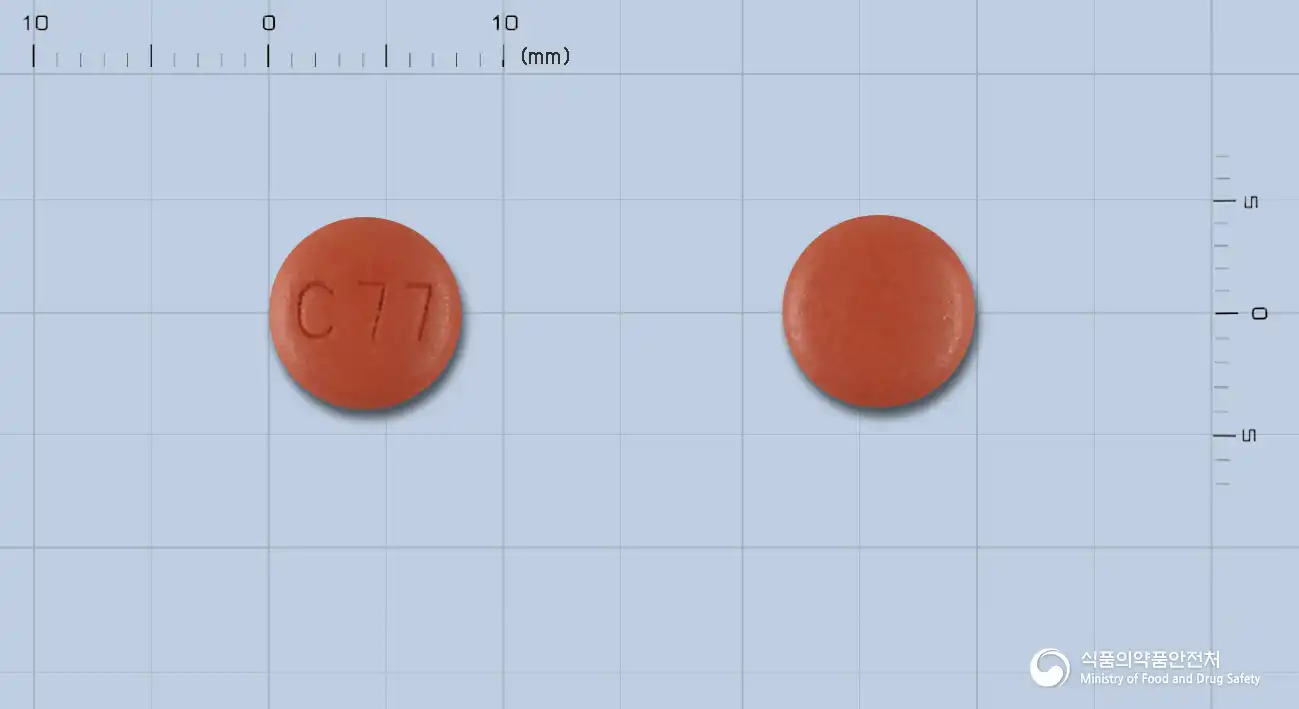 Viewing nowCombination
Sebika Tablet 10/40 milligrams
Olmesartan Medoxomil 40mg · Amlodipine Besylate 13.888mg
Tablet · Prescription medication · Combination
Hanmi Daiichi Sankyo Co., Ltd.
MFDS item code 201004570 · Approved 2010.07.19 · Insurance code 680900060
Improvement of blood pressure control in essential hypertension
Amlodipine and Olmesartan Medoxomil are medications used for the treatment of essential hypertension, prescribed when blood pressure is not sufficiently lowered with monotherapy. These medications help dilate blood vessels or assist in blood pressure regulation, effectively managing hypertension. Proper control of hypertension can reduce the risk of cardiovascular diseases; hence, it is important to take them consistently. Patients can manage their blood pressure stably with these medications. In conclusion, these medications are effectively used for the treatment of essential hypertension.
This medication is administered once daily, with one tablet taken with water regardless of meals. It is recommended to take it at the same time daily (e.g., in the morning). The recommended dosages are as follows: - 5/20 milligrams: Administered to patients whose blood pressure is not adequately controlled with amlodipine 5 milligrams or olmesartan medoxomil 20 milligrams monotherapy. - 10/20 milligrams: Administered to patients whose blood pressure is not adequately controlled with olmesartan medoxomil 20 milligrams.
The safety and efficacy of this medication in pediatric patients under 18 years of age have not been established.
This medication can cause serious harm to the fetus and newborn when used during the second and third trimesters of pregnancy. If pregnancy is confirmed, use must be discontinued immediately. This medication should not be used by individuals who are allergic to the main ingredient or similar components, who are pregnant or nursing, who have severe liver disease or severe aortic stenosis, who have biliary obstruction, who are undergoing kidney dialysis, who are in shock, who are certain diabetic patients, or those with severely impaired kidney function. For patients with hypotension due to a deficiency of fluids or salt, blood pressure may drop too low at the initial dosage, so careful monitoring of the patient's condition is necessary. As blood vessels can dilate rapidly leading to hypotension, it should be used cautiously in patients with aortic stenosis, severe obstructive coronary artery disease, congestive heart failure, and similar conditions. Those with impaired kidney function should use caution as this medication can affect kidney function. For patients with reduced liver function, caution is warranted as this medication can remain in the liver for an extended period. This medication can cause various side effects, including dizziness, headache, low blood pressure, edema, digestive disorders, skin rash, and rarely serious adverse reactions. During pregnancy, this medication can seriously affect the fetus; thus, if planning for pregnancy or during pregnancy, it is crucial to consult a doctor. For those who are nursing, this medication can be transmitted through breast milk and may affect infants; therefore, nursing should be discontinued or the medication stopped. Safety and efficacy in children under 18 years old have not been established, so use is not recommended. Elderly patients may have decreased liver and kidney function, so starting with a low dose and careful monitoring is necessary. In case of overdose, severe hypotension and vascular dilation can lead to cardiac and respiratory issues, requiring immediate medical attention. This medication should be stored away from direct sunlight and moisture, and kept out of reach of children; transferring it to another container should be avoided.
Hives, severe swelling (edema), chest tightness, difficulty breathing, cold sweat, paleness, severe rash with fever, blisters, peeling skin, pain in oral/effective mucosa, shortness of breath or breathing difficulties, asthma attacks, respiratory issues accompanied by cough and fever, yellowing of skin or eyes (jaundice), extreme lethargy, sudden severe headache, lightning headache, seizures, confusion, visual disturbances, paralysis, and urinary issues.
Not everyone experiences these, and they can vary from person to person.
This medication may be sensitive to air and moisture, so it should be stored in a sealed container. Additionally, avoid storing it in excessively hot or cold places, and it is recommended to store it at room temperature between 1 degree and 30 degrees Celsius.
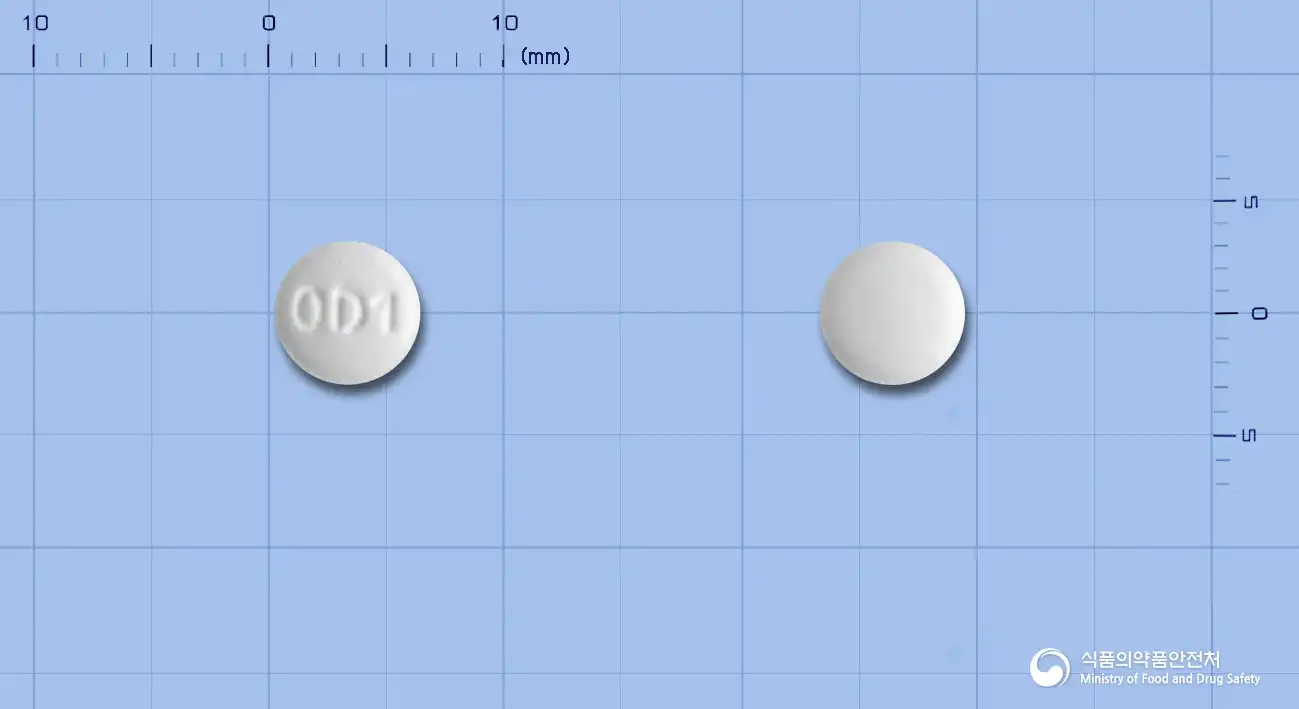
Red-brown round film-coated tablets
28 tablets (14 tablets/PTPX2)/carton
Even with the same ingredient, strength, dosage form and how it is taken can differ.
Viewing nowCombinationOlmesartan Medoxomil 40mg · Amlodipine Besylate 13.888mg
Tablet · Prescription medication · Combination
Hanmi Daiichi Sankyo Co., Ltd.
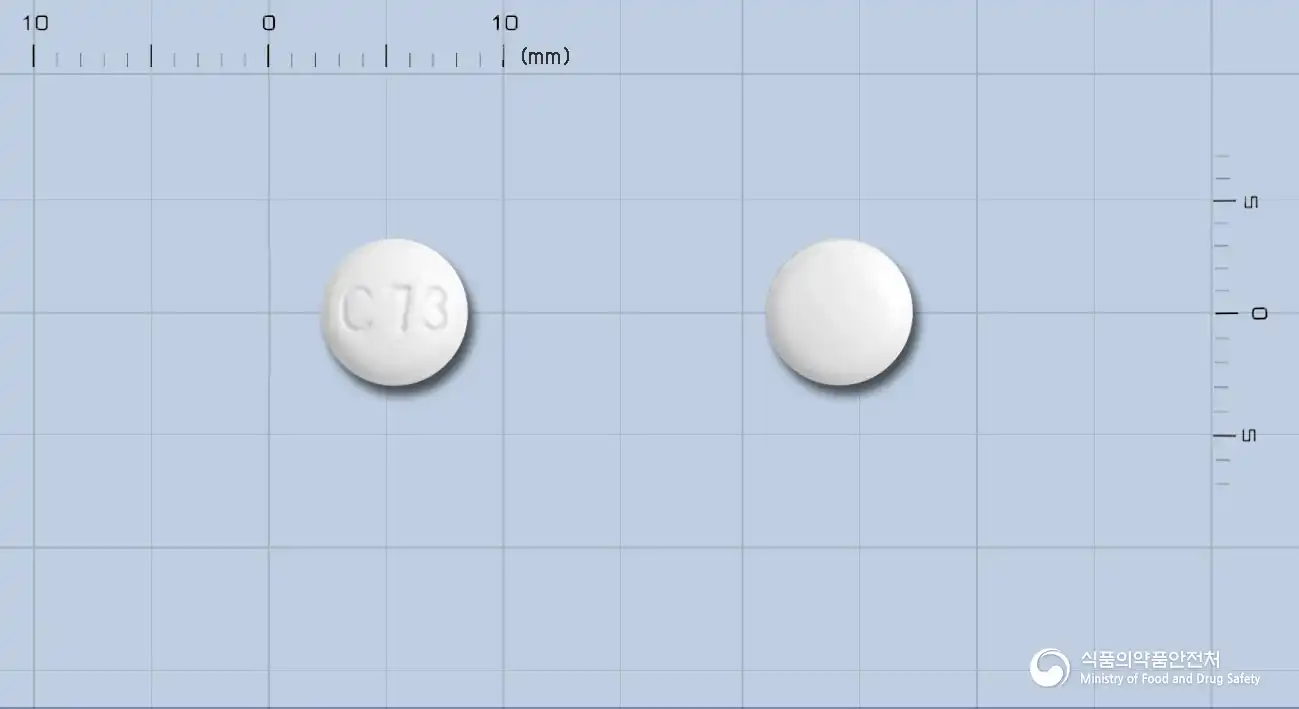 Combination
Olmesartan Medoxomil 20mg · Amlodipine Besylate 6.944mg
Tablet · Prescription medication · Combination
Korea Daiichi Sankyo Co., Ltd.
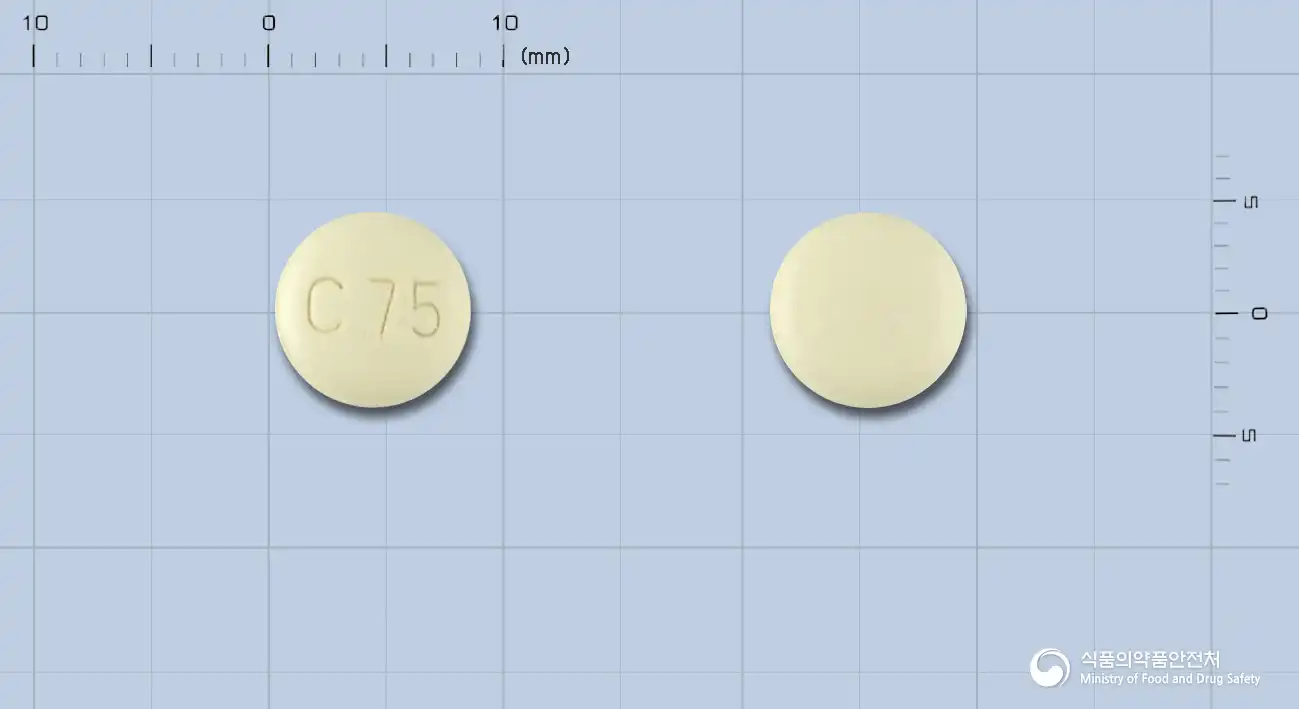 Combination
Olmesartan Medoxomil 40mg · Amlodipine Besylate 6.944mg
Tablet · Prescription medication · Combination
Korea Daiichi Sankyo Co., Ltd.
Olmesartan Medoxomil · Amlodipine Besylate
Prescription medication · Combination
SYNEX Co., Ltd.
Olmesartan Medoxomil · Amlodipine Besylate
Prescription medication · Combination
Co., Ltd. Sainex
Olmesartan Medoxomil · Amlodipine Besylate
Prescription medication · Combination
SYNEX Co., Ltd.
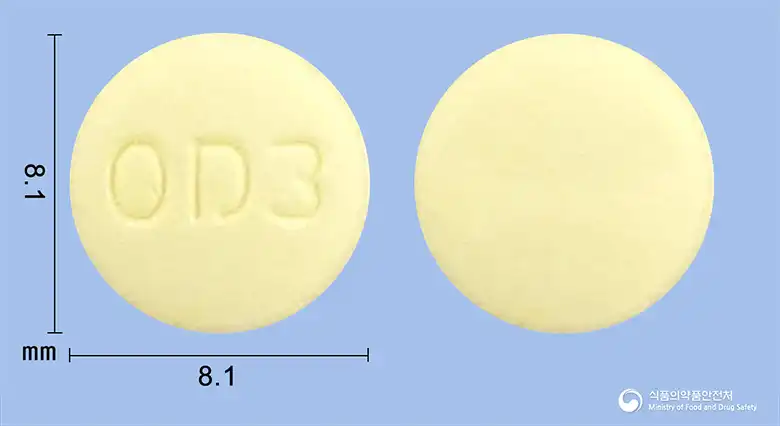 Combination
Amlodipine Besylate 6.944mg · Olmesartan Medoxomil 40mg
Tablet · Prescription medication · Combination
Huons Co., Ltd.
 Combination
Amlodipine Besylate 6.944mg · Olmesartan Medoxomil 20mg
Tablet · Prescription medication · Combination
Huons Co., Ltd.
Even with the same ingredient, the dose and directions can differ by strength and dosage form. Talk to a doctor or pharmacist before switching from a medication you are already taking.
No questions yet.
For anything that needs medical judgment, consult a doctor or pharmacist.
This drug information is based on data provided by the Korea Ministry of Food and Drug Safety.
Consult a doctor or pharmacist for accurate dosage, administration, and usage instructions.