
 한국어
 English
 日本語
 中文(简体)
 Viewing now
Modim Tablet 350 mg (Moniflumate)
Morniflumate 350mg
Tablet · Prescription medication
JW Pharmaceutical Co., Ltd.
MFDS item code 201004257 · Approved 2010.06.30 · Insurance code 644101480
Relief of osteoarticular diseases, otolaryngologic conditions (e.g., otitis), and respiratory diseases (e.g., bronchitis)
This medication has analgesic and anti-inflammatory effects and is used for respiratory diseases such as laryngitis, tracheitis, and bronchitis. It is also effective for ENT diseases such as sinusitis, otitis media, tonsillitis, and pharyngitis. Furthermore, it helps relieve pain and reduce inflammation associated with osteoarthritis. It is used to improve pain and inflammation across various conditions.
Adults: The initial dose is 350 milligrams of morniflumate per dose, 2 times daily. Depending on the patient, the dose may be increased to a maximum of 700 milligrams per dose, 2 times daily. It is preferable to start this product at a low dose and increase it to the effective dose. Adjust the dose appropriately according to age and symptoms.
This medication may cause gastrointestinal bleeding if taken by individuals who regularly consume more than three glasses of alcohol daily; therefore, it is essential to consult with a doctor or pharmacist. Individuals with heart or vascular issues or risk factors should take care as the risk of cardiovascular complications such as myocardial infarction or stroke may increase with this medication. This medication can cause serious issues such as gastrointestinal bleeding, ulcers, or perforation, and it should be used cautiously by the elderly or those with a history of gastrointestinal disorders. Allergic reactions can occur suddenly, so caution is warranted even for those with no prior allergy to non-steroidal anti-inflammatory drugs. It may mask the symptoms of inflammation or pain, delaying the diagnosis of infectious complications; hence, it should be used cautiously with appropriate antibiotics if infection is suspected. Individuals with peptic ulcers, gastrointestinal bleeding, severe liver or kidney impairment, severe hypertension or heart failure, pregnant or breastfeeding women, and children should not use this medication. Those with blood disorders or tendencies to bleed, weakened liver or kidney function, the elderly, and asthma patients need special caution when taking this medication. During treatment, gastrointestinal symptoms such as nausea, vomiting, stomach pain, diarrhea, skin rash, or respiratory difficulties may occur; if symptoms worsen, consult a doctor immediately. This medication should be taken at the lowest effective dose for the shortest period necessary, and regular blood tests along with liver and kidney function tests are recommended for long-term use. Interactions may occur when used with other anti-inflammatory medications, anticoagulants, diuretics, lithium, and methotrexate; therefore, it is crucial to inform healthcare professionals and observe closely. During pregnancy, especially in the late stages, this medication may affect the fetus, so women who are pregnant or may become pregnant must consult a doctor before taking it. Elderly individuals have a higher risk of adverse reactions; starting with a lower dose and monitoring the condition is recommended. Take this medication with plenty of water to prevent it from lingering in the esophagus, and it is advisable not to take it on an empty stomach or just before sleeping. In case of overdose, inducing vomiting, gastric lavage, or symptomatic treatment may be required, so follow the physician's instructions. Keep this medication out of reach of children, and do not transfer it to other containers.
Not everyone experiences these, and they can vary from person to person.
This medication must be stored in a tightly closed container to prevent exposure to air or moisture. The storage temperature should be maintained between 1 and 30 degrees Celsius. This ensures optimal effectiveness and safety of the medication.
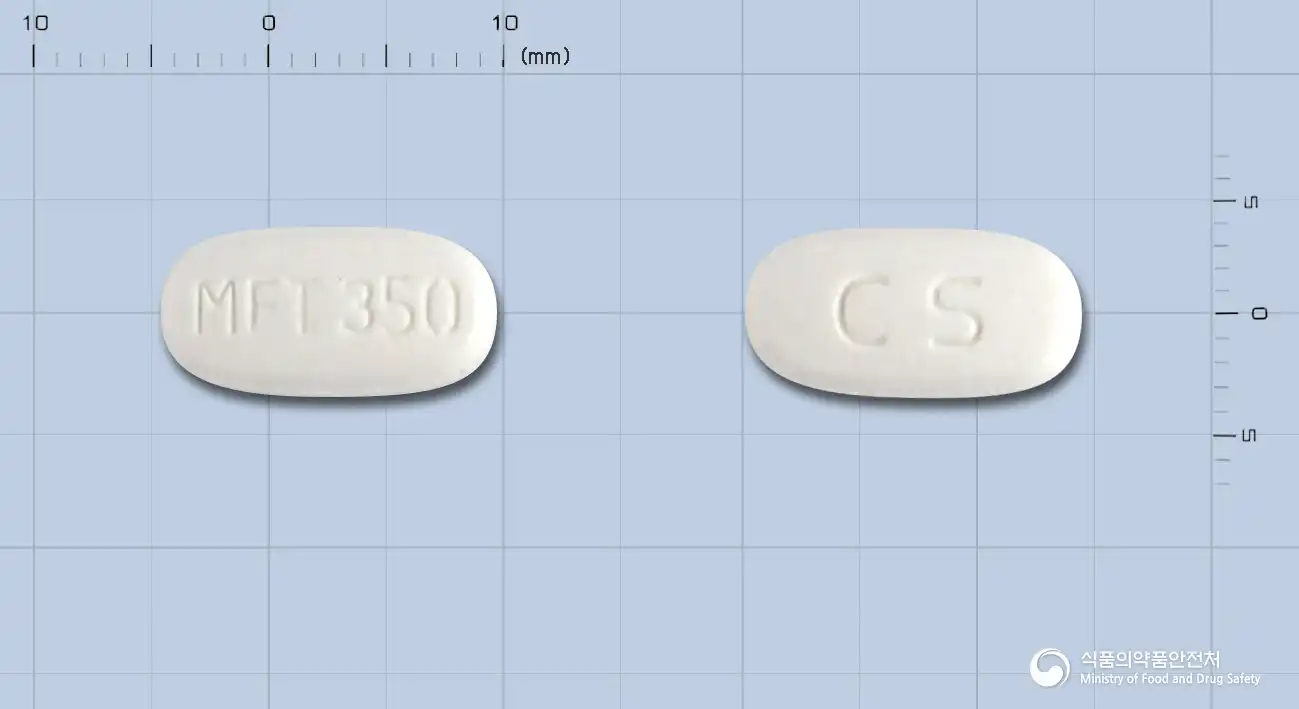
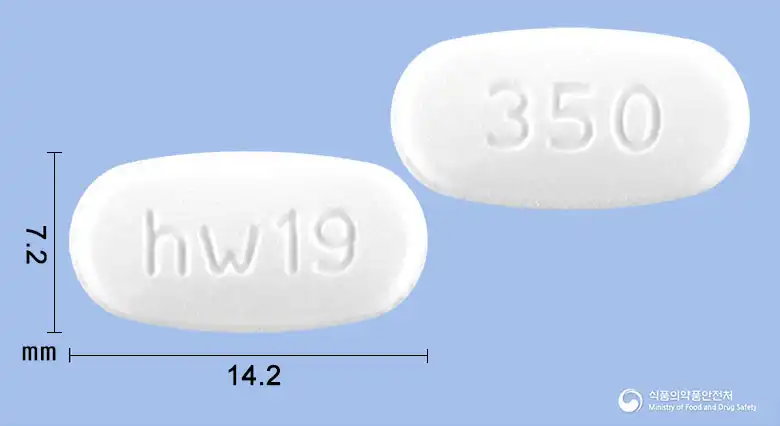
White to off-white, oblong tablets
30 tablets, 100 tablets/bottle
Even with the same ingredient, strength, dosage form and how it is taken can differ.
Viewing nowMorniflumate 350mg
Tablet · Prescription medication
JW Pharmaceutical Co., Ltd.

Morniflumate 350mg
Prescription medication
Kolon Pharmaceutical Co., Ltd.
Morniflumate 350mg
Cream · Prescription medication
Dongkwang Pharmaceutical Co., Ltd.
Morniflumate 350mg
Cream · Prescription medication
Anguk Pharmaceutical Co., Ltd.

Morniflumate 350mg
Prescription medication
McNealty Pharmaceuticals Co., Ltd.

Morniflumate 350mg
Prescription medication
TerraGen Exotech Co., Ltd.

Morniflumate 350mg
Prescription medication
Allico Pharmaceutical Co., Ltd.
Morniflumate 350mg
Prescription medication
Hawon Pharmaceutical Co., Ltd.
Even with the same ingredient, the dose and directions can differ by strength and dosage form. Talk to a doctor or pharmacist before switching from a medication you are already taking.
No questions yet.
For anything that needs medical judgment, consult a doctor or pharmacist.
This drug information is based on data provided by the Korea Ministry of Food and Drug Safety.
Consult a doctor or pharmacist for accurate dosage, administration, and usage instructions.