Treatment and prevention of osteoporosis in postmenopausal women; treatment of osteoporosis in men
Who takes it
Adults · Children
Adult dose
1. Adults:
Take 1 tablet orally once weekly
2. Elderly patients
: No dosage adjustment is necessary in elderly patients (aged 60 years and older), since the bioavailability and pharmacokinetics of this medicine are similar to those in younger people.
4. Patients with renal impairment
: No dosage adjustment is necessary in patients with creatinine clearance of 30ml/min or higher. This medicine is contraindicated in patients with severe renal impairment and creatinine clearance below
30ml/min.
Food interferes with absorption of this medicine. To ensure adequate absorption, take it as follows.
Take at least 30 minutes before breakfast, or at any time of day, at least 2 hours before or after eating or drinking.
To facilitate passage of this medicine into the stomach and reduce the possibility of esophageal irritation, take it in an upright position with a sufficient amount of
plain water (170 ~ 230ml). Taking it with other beverages, including mineral water, may reduce absorption. Do not chew or suck this medicine because of the possibility of oropharyngeal ulceration.
Patients should not lie down for at least 30 minutes after taking the medicine.
Patients with inadequate dietary intake of calcium and vitamin D should take supplements. Patients at increased risk of vitamin D deficiency (e.g., patients over 70 years of age,
residents of nursing homes, and patients with chronic diseases) may need additional vitamin D supplements. Patients with gastrointestinal malabsorption syndromes may require higher doses of
vitamin D supplements, and measurement of 25-hydroxyvitamin D concentrations should be considered.
The recommended daily intake of vitamin D is 400 IU to 800 IU. This medicine provides one week's supply of 800 IU of vitamin D per day when taken once weekly.
If a patient forgets to take the medicine on the scheduled day, take it on the day it is remembered. Take the next dose on the originally scheduled day.
Do not take 2 tablets on the same day.
Child dose
3. Children
: Safety and efficacy have not been established in children and growing adolescents.
Treatment and prevention of osteoporosis in postmenopausal women; treatment of osteoporosis in men
Osteoporosis
View approved original textHide original text
This medication is used for the treatment and prevention of osteoporosis in postmenopausal women and for the treatment of osteoporosis in men.
How to take
Adult dose
1. Adults:
Take 1 tablet orally once weekly
2. Elderly patients
: No dosage adjustment is necessary in elderly patients (aged 60 years and older), since the bioavailability and pharmacokinetics of this medicine are similar to those in younger people.
4. Patients with renal impairment
: No dosage adjustment is necessary in patients with creatinine clearance of 30ml/min or higher. This medicine is contraindicated in patients with severe renal impairment and creatinine clearance below
30ml/min.
Food interferes with absorption of this medicine. To ensure adequate absorption, take it as follows.
Take at least 30 minutes before breakfast, or at any time of day, at least 2 hours before or after eating or drinking.
To facilitate passage of this medicine into the stomach and reduce the possibility of esophageal irritation, take it in an upright position with a sufficient amount of
plain water (170 ~ 230ml). Taking it with other beverages, including mineral water, may reduce absorption. Do not chew or suck this medicine because of the possibility of oropharyngeal ulceration.
Patients should not lie down for at least 30 minutes after taking the medicine.
Patients with inadequate dietary intake of calcium and vitamin D should take supplements. Patients at increased risk of vitamin D deficiency (e.g., patients over 70 years of age,
residents of nursing homes, and patients with chronic diseases) may need additional vitamin D supplements. Patients with gastrointestinal malabsorption syndromes may require higher doses of
vitamin D supplements, and measurement of 25-hydroxyvitamin D concentrations should be considered.
The recommended daily intake of vitamin D is 400 IU to 800 IU. This medicine provides one week's supply of 800 IU of vitamin D per day when taken once weekly.
If a patient forgets to take the medicine on the scheduled day, take it on the day it is remembered. Take the next dose on the originally scheduled day.
Do not take 2 tablets on the same day.
Child dose
3. Children
: Safety and efficacy have not been established in children and growing adolescents.
Precautions
This drug can irritate the stomach and esophagus, and may cause issues like esophagitis or esophageal ulcers if taken incorrectly.
Do not lie down for at least 30 minutes after taking, and take with a sufficient amount of water.
If you have esophageal problems or have difficulty swallowing, discontinue use and consult a doctor.
Since a balance of calcium and vitamin D is important, patients with hypocalcemia must receive treatment before using this medication.
Moreover, this drug should not be used in patients with certain genetic disorders or severe renal impairment.
Rarely, there may be skin rashes, allergic reactions, muscle pain, joint pain, gastrointestinal disturbances, and if strange symptoms occur, you should notify your doctor.
If dental treatment is necessary, notify your doctor in advance due to the risk of jaw necrosis.
Women who are pregnant or breastfeeding must consult a doctor before taking this medication, and safety in pediatric patients has not been established.
Be cautious as taking this medication with other medications or food that contain calcium, magnesium, or iron may hinder absorption.
In cases of overdose, hypocalcemia symptoms may occur, requiring immediate medical attention.
Finally, keep this medication out of the reach of children and strictly adhere to the prescribed dosage and administration methods.
Side effects
esophagitis
esophageal ulcer
esophageal erosion
esophageal obstruction
perforation
bleeding
gastric ulcer
duodenitis
glossitis
decreased blood calcium
Show 77 moreCollapse
decreased blood phosphate
bone pain
joint pain
muscle pain
depression
dizziness
insomnia
anxiety
neuralgia
vertigo
tension increase
sensory abnormalities
pharyngitis
rhinitis
dyspnea
pneumonia
rash
itching
skin cancer
cataract
conjunctivitis
otitis media
urinary tract infection
cystitis
injury due to accident
epidemic cold syndrome
headache
overdose
allergic reaction
fainting
vasodilation
constipation
dyspepsia
nausea
diarrhea
gastroenteritis
colitis
vomiting
thirst
peripheral edema
traumatic fracture
muscle strain
arthritis
bursitis
bronchitis
sinusitis
increased cough
fever
falling
dizziness
bronchitis
sinusitis
increased cough
facial edema
hair loss
dysosmia
Stevens-Johnson syndrome
toxic epidermal necrolysis
angioedema
blister
jaw necrosis
liver dysfunction
jaundice
external auditory canal necrosis
loss of appetite
asthenia
heartburn
epigastric pain
discomfort in the chest
palpitations
increased sweating
facial flushing
burning sensation
kidney stones
belching
hematuria
fever
Not everyone experiences these, and they can vary from person to person.
Storage
Store this medication in a tightly sealed container to protect it from air and moisture. It is recommended to maintain a storage temperature between 1 and 30 degrees Celsius to preserve the medication's effectiveness and safety.
Appearance and packaging
Appearance
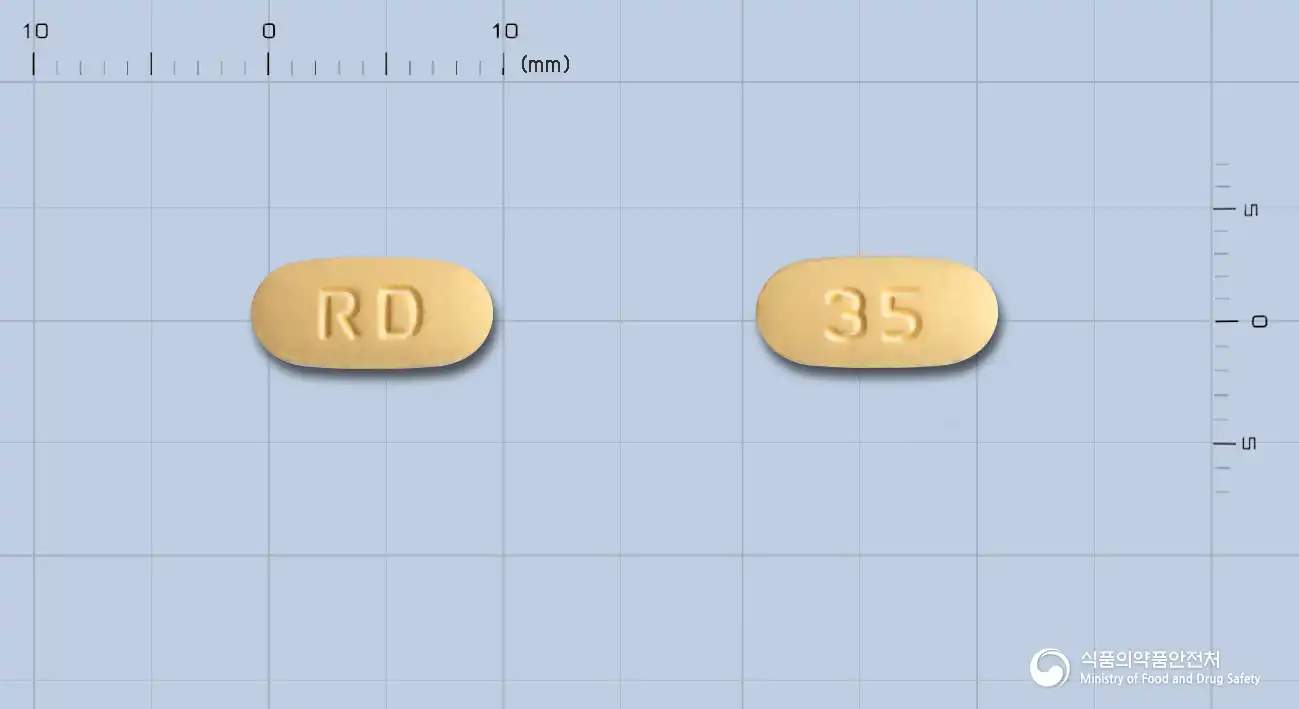
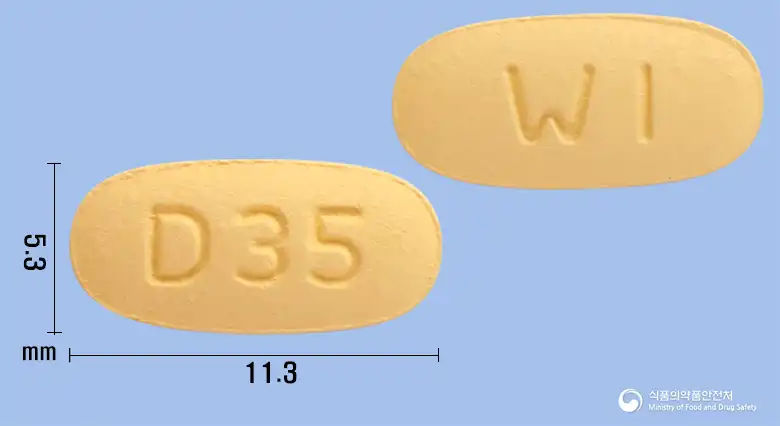
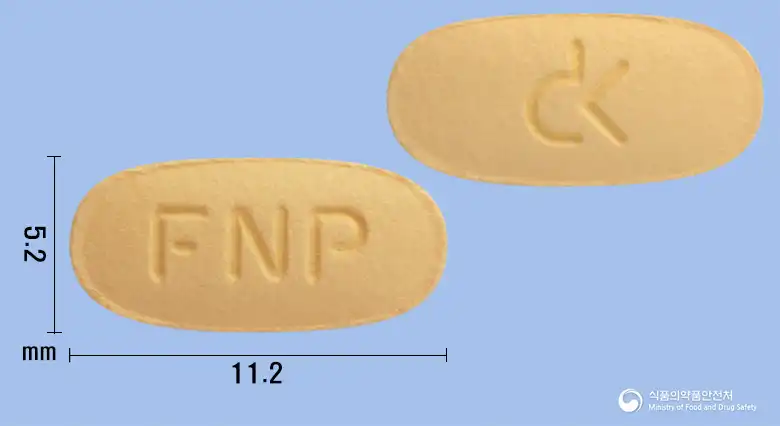
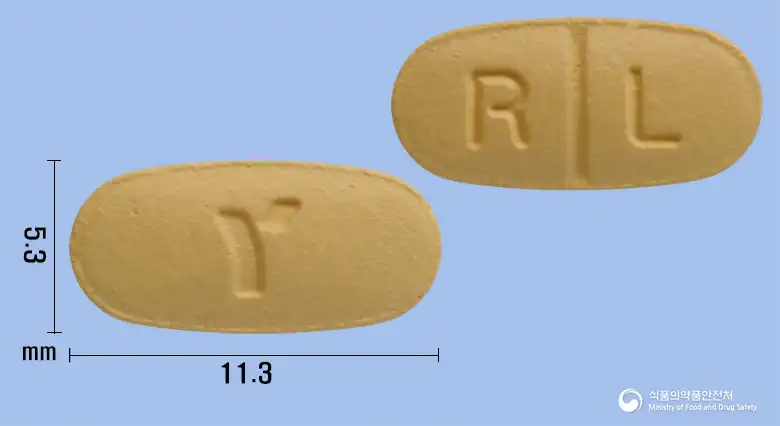
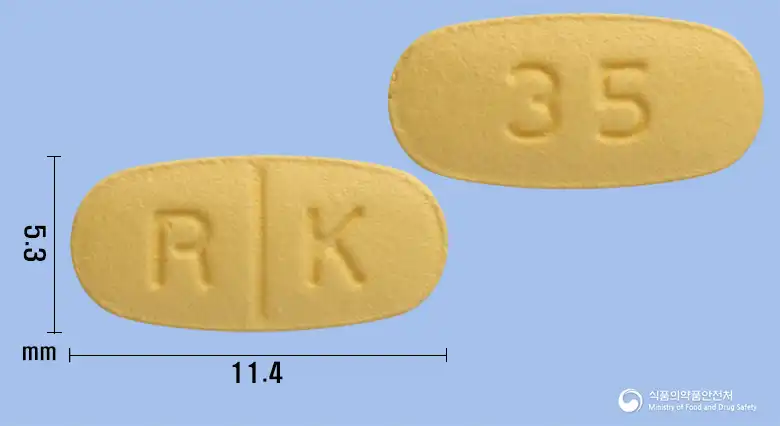
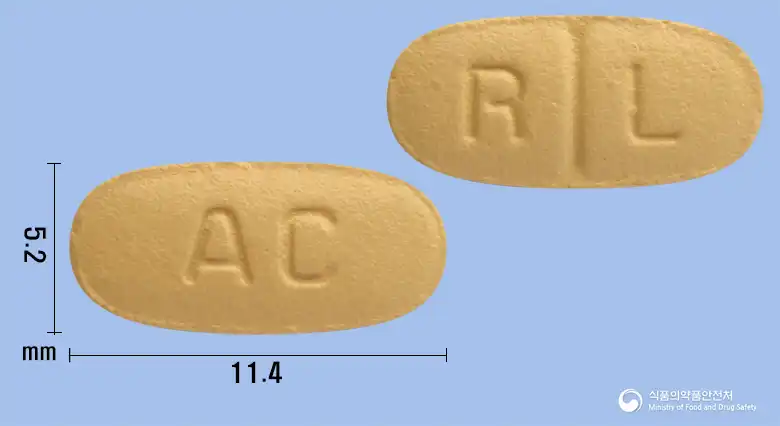
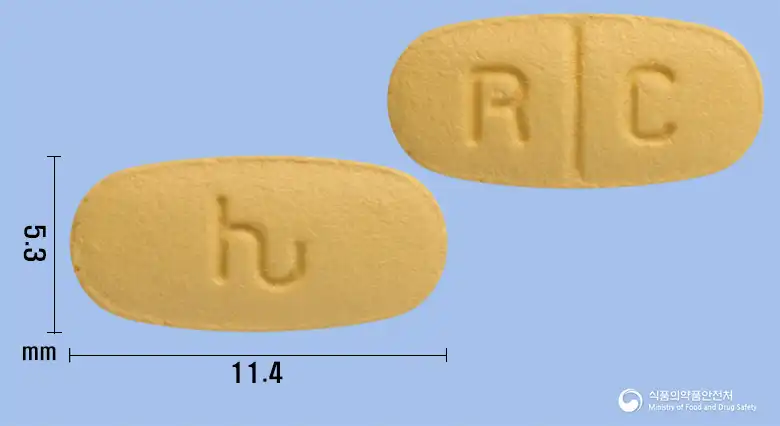
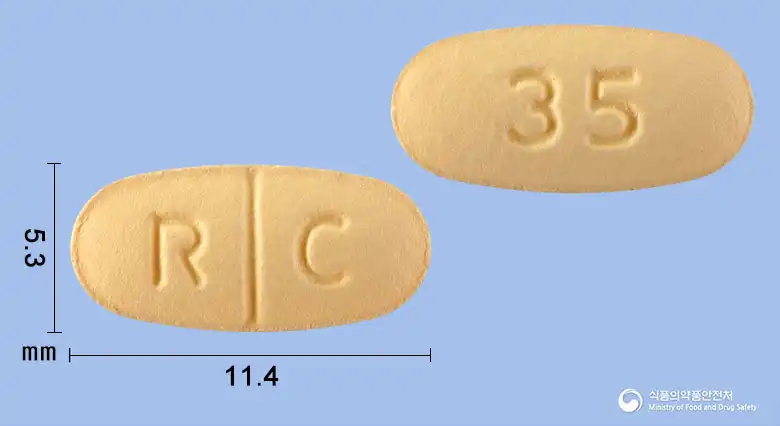
Light orange oval film-coated tablet
Package unit
4 tablets (4 tablets/PTP packaging X 1)
Same-ingredient medicines
Even with the same ingredient, strength, dosage form and how it is taken can differ.
Even with the same ingredient, the dose and directions can differ by strength and dosage form. Talk to a doctor or pharmacist before switching from a medication you are already taking.
Questions about this medicine
No questions yet.
For anything that needs medical judgment, consult a doctor or pharmacist.
This drug information is based on data provided by the Korea Ministry of Food and Drug Safety. Consult a doctor or pharmacist for accurate dosage, administration, and usage instructions.

 한국어
 English
 日本語
 中文(简体)
 Viewing nowCombination