
 한국어
한국어 English
 日本語
日本語 中文(简体)
 Viewing now
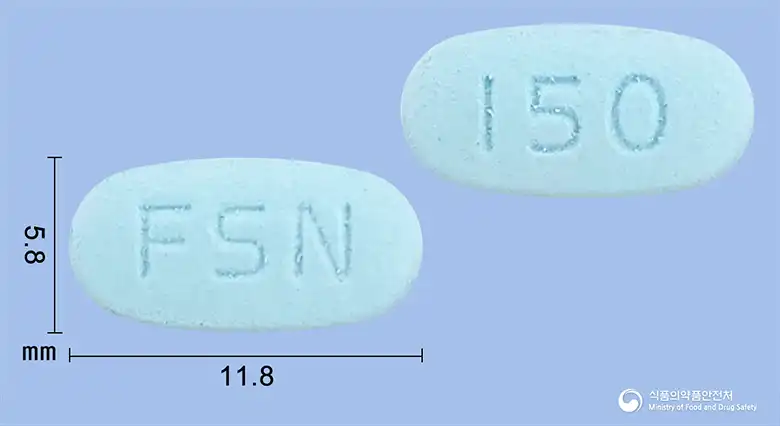
Fosnel Tablet 150 mg (Risedronate Sodium 2.5 Hydrate)
Risedronate Sodium 2.5 Hydrate 172.1mg
Tablet · Prescription medication
Dongkook Pharmaceutical Co., Ltd.
MFDS item code 201003397 · Notified 2010.05.07 · Insurance code 653401980
Treatment and prevention of osteoporosis in postmenopausal women
This medication is used for the treatment and prevention of osteoporosis in postmenopausal women. It helps improve the condition of decreased bone density after menopause and aids in maintaining strong bones. It is effective in reducing the risk of fractures due to osteoporosis and in maintaining healthy bones.
As Risedronate Sodium, take 150 mg once a month orally. Since food can interfere with the absorption of this medication, take it at least 30 minutes before consuming food or beverages other than water during the day. Take it with a sufficient amount of pure water (170 to 230 mL) in an upright position, and do not chew or suck on it. Do not lie down for at least 30 minutes after taking it.
The safety and efficacy in pediatric patients under 18 years of age have not been established.
This medication may irritate the gastric mucosa; thus, patients with esophageal disorders, gastritis, duodenitis, or ulcers should exercise caution when taking it. If symptoms such as difficulty swallowing, chest pain, or heartburn occur after taking the medication, discontinue use immediately and consult a doctor. Always take this medication with a sufficient amount of water, and do not lie down for at least 30 minutes after taking it. To reduce the risk of esophageal irritation, do not chew or suck on this medication, and avoid taking it just before bedtime or immediately after waking up. This medication should not be administered to patients with specific esophageal disorders, hypocalcemia, severe renal disease, pregnant or breastfeeding women, and patients with lactose intolerance. Patients with upper gastrointestinal disorders such as Barrett's esophagus or dysphagia, and those allergic to any of the ingredients should take this medication with caution. It is essential to ensure adequate intake of calcium and vitamin D while taking this medication, as the absorption of this medication may be hindered when taken with other medications or foods containing divalent cations. Rarely, prolonged use may result in serious side effects such as osteonecrosis of the jaw or atypical femoral fractures, so if any abnormal symptoms arise, inform your doctor immediately. This medication can be safely taken by the elderly, but the safety and efficacy have not been established for children and adolescents under 18 years of age. In cases of overdose, serum calcium and phosphorus levels may decrease, so appropriate treatment should be sought immediately.
Esophagitis, esophageal ulcers, esophageal erosion, esophageal obstruction, esophageal perforation, skin mucosal syndrome (Stevens-Johnson syndrome), toxic epidermal necrolysis (Lyell's syndrome), angioedema, rash, blisters, skin reactions, jaundice, liver dysfunction, sudden and severe headache, seizures, altered consciousness, visual disturbances, paralysis, markedly reduced urine output, generalized severe swelling, elevated blood pressure, severe bone, joint, and muscle pain, osteonecrosis of the jaw, outer ear bone necrosis
Not everyone experiences these, and they can vary from person to person.
This medication should be stored in a tightly sealed container to prevent air or moisture from entering. Additionally, it is best to store the medication at room temperature between 1°C and 30°C. Storing it in this manner helps maintain the medication's effectiveness over time.
Light blue oblong film-coated tablet
1 tablet/(1 tablet/PTPX 1)
Even with the same ingredient, strength, dosage form and how it is taken can differ.
Viewing nowRisedronate Sodium 2.5 Hydrate 172.1mg
Tablet · Prescription medication
Dongkook Pharmaceutical Co., Ltd.
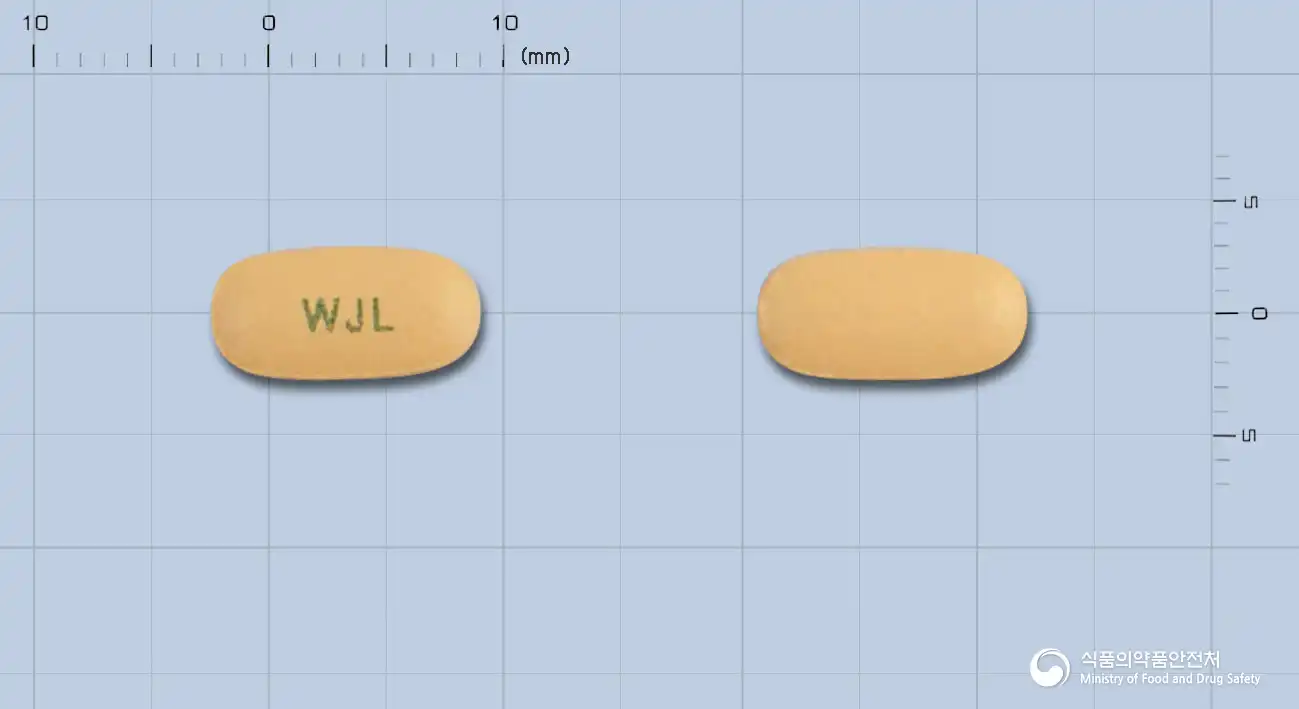
Risedronate Sodium 2.5 Hydrate 40.17mg
Tablet · Prescription medication
Austin Pharmaceutical Co., Ltd.
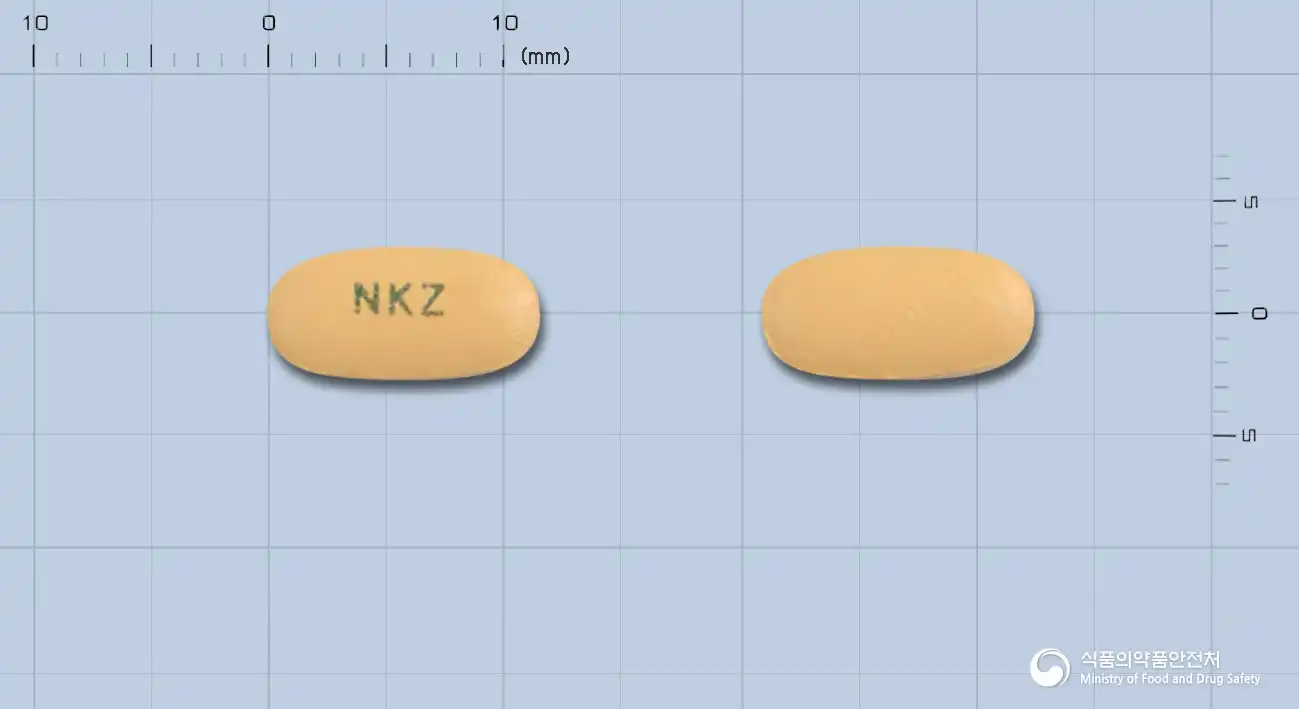
Risedronate Sodium 2.5 Hydrate 40.17mg
Tablet · Prescription medication
Nexpam Korea Co., Ltd.
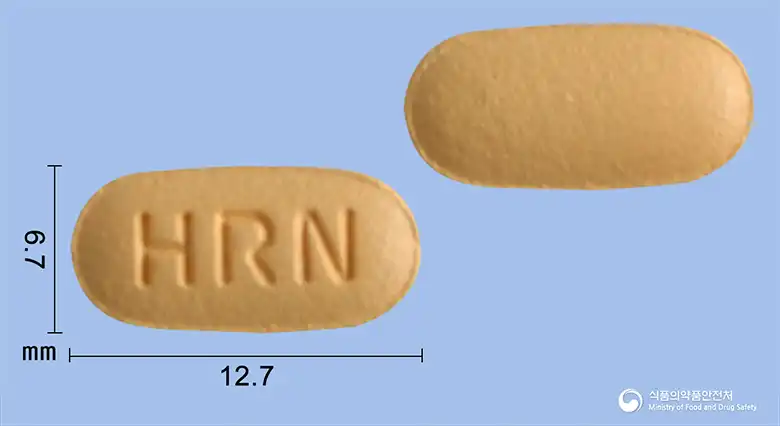
Risedronate Sodium 2.5 Hydrate 35mg
Tablet · Prescription medication
Hyutecs Pharmaceutical Co., Ltd.
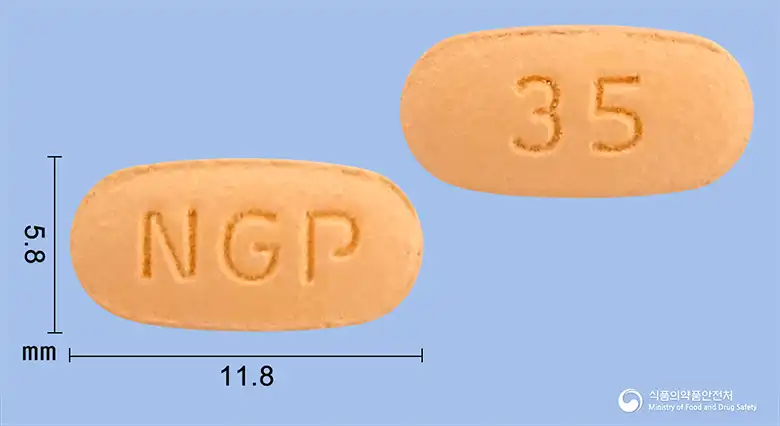
Risedronate Sodium 2.5 Hydrate 40.2mg
Tablet · Prescription medication
Celix Co., Ltd.
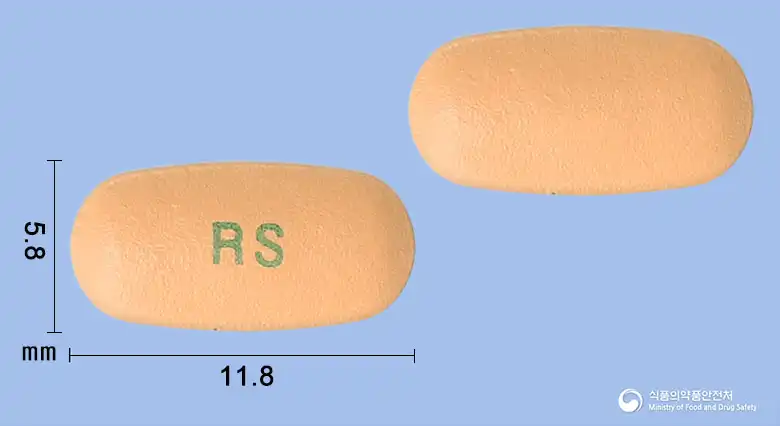
Risedronate Sodium 2.5 Hydrate 40.17mg
Tablet · Prescription medication
Myeongmun Pharmaceutical Co., Ltd.
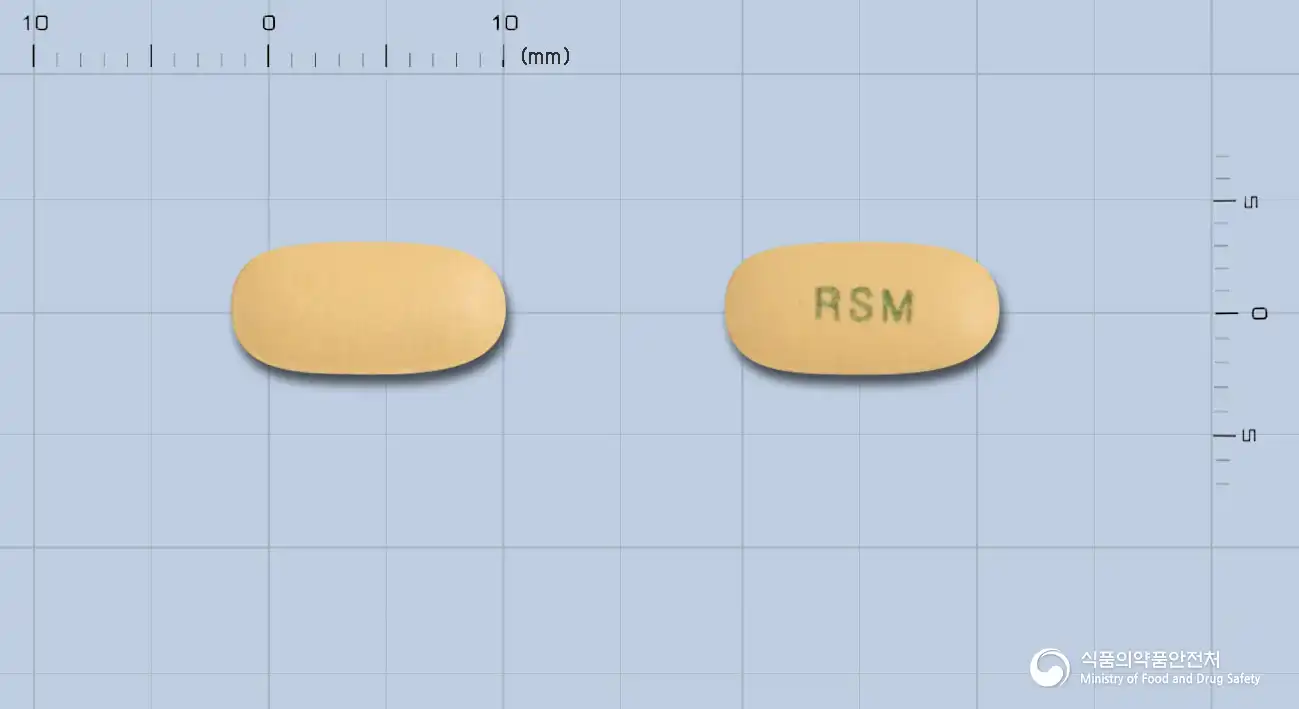
Risedronate Sodium 2.5 Hydrate 40.17mg
Tablet · Prescription medication
Korea United Pharmaceutical Co., Ltd.
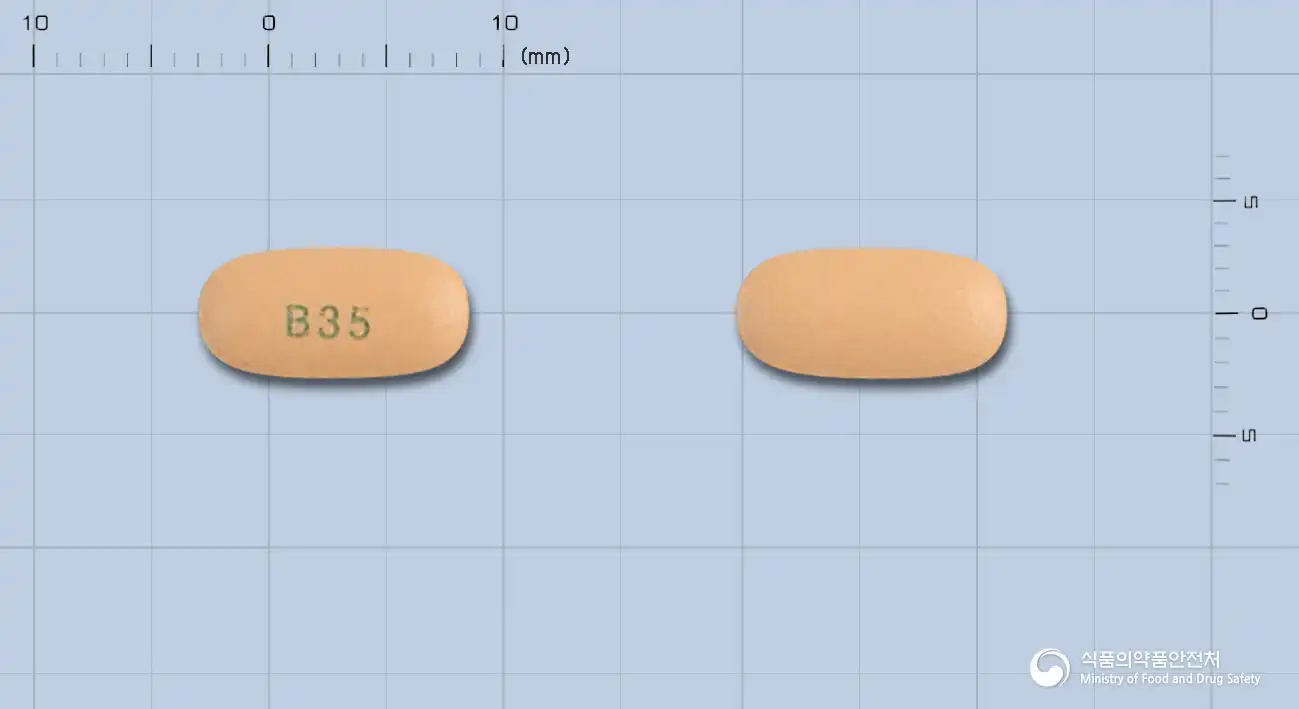
Risedronate Sodium 2.5 Hydrate 40.17mg
Tablet · Prescription medication
Shinpoong Pharmaceutical Co., Ltd.
Even with the same ingredient, the dose and directions can differ by strength and dosage form. Talk to a doctor or pharmacist before switching from a medication you are already taking.
No questions yet.
For anything that needs medical judgment, consult a doctor or pharmacist.
This drug information is based on data provided by the Korea Ministry of Food and Drug Safety.
Consult a doctor or pharmacist for accurate dosage, administration, and usage instructions.