
 한국어
한국어 English
 日本語
日本語 中文(简体)
 Viewing now
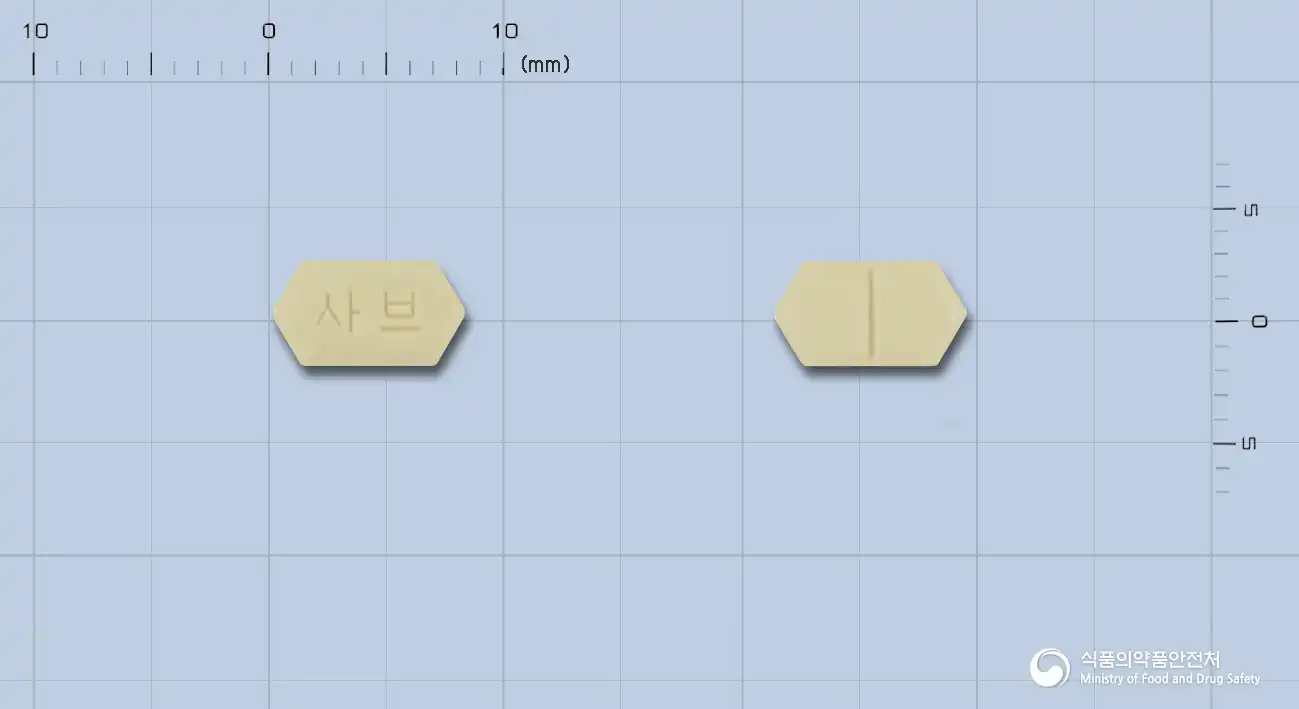
SAB Tablet 2.5 mg (Esamlodipine Besylate 2.5 Hydrate)
S-Amlodipine Besylate 2.5 Hydrate 3.74mg
Tablet · Prescription medication
Ilsung IS Co., Ltd.
MFDS item code 201003156 · Approved 2010.04.29 · Insurance code 655402740
Improvement of myocardial ischemia due to hypertension and coronary artery disease (stable angina, variant angina)
This medication is used for the treatment of hypertension and helps improve myocardial ischemia due to stable angina and variant angina. It alleviates symptoms by dilating blood vessels to provide adequate blood flow to the heart. Therefore, it is effectively used for cardiovascular diseases.
This medication should be taken with an adequate amount of water. As esamlodipine, the usual dosage is 2.5 mg orally once a day, and it may be increased to a maximum of 5 mg daily depending on the patient's response. Dosage may be appropriately adjusted based on symptoms.
This medication should not be used in certain patients. For example, it should not be taken by individuals allergic to this medication or its components, or to similar types of drugs. Pregnant women, women who may become pregnant, and nursing mothers should not take this medication. Patients in shock due to severely decreased heart function, those with severe problems with the aortic valve of the heart, patients with unstable angina, and those who have had a myocardial infarction within the past month should also not use this medication. Patients with severely impaired liver function, severely low blood pressure, and those with genetic issues such as lactose intolerance should also not take this medication. This medication should be used with caution in patients with severely impaired kidney function, the elderly, patients with acute heart failure, patients with rapidly increased blood pressure, and patients with moderately decreased liver function. Taking this medication can result in various side effects. The most common side effects include flushing with a feeling of warmth, fatigue, swelling of the body, a sensation of rapid heartbeat, dizziness, headache, nausea, drowsiness, and ankle swelling. Rarely, symptoms such as dry mouth or excessive sweating, hypotension, fainting, muscle pain, insomnia, mood changes, skin rash, visual disturbances, urinary problems, and signs of liver dysfunction may occur, so if any unusual symptoms occur, consult a doctor immediately. This medication should not be stopped suddenly as it may worsen symptoms, and should not be discontinued without the guidance of a doctor. This medication may remain in the body longer in patients with poor liver function, so these patients should be especially cautious while taking it. Take this medication with sufficient water, and avoid driving or operating hazardous machinery if experiencing dizziness or fatigue. There may be interactions if this medication is taken alongside other blood pressure medications or various drugs, so if you are taking other medications, be sure to inform your doctor or pharmacist. It is safe for pregnant women or nursing mothers to avoid taking this medication, and if taking it, they should stop breastfeeding. For children over 6 years old, effectiveness has only been verified, and safety and efficacy in children under 6 years have not been established. Elderly patients may experience increased drug concentration in the body, so they should start at a low dose and carefully observe their condition while taking it. In case of overdose, severe hypotension, abnormal heart rate, and shock may occur, necessitating immediate emergency treatment; this medication is not removed through dialysis, so professional treatment is necessary. Lastly, this medication should be kept out of reach of children, and transferring it to another container may degrade its quality.
Not everyone experiences these, and they can vary from person to person.
This medication may be sensitive to air or moisture, so it should be stored in a tightly sealed container. The recommended storage temperature is between 1°C and 30°C at room temperature. Storing it this way will help maintain its efficacy and safety for a long time.
Light yellow hexagonal tablet with a score line
30 tablets/bottle, 200 tablets/bottle
Even with the same ingredient, strength, dosage form and how it is taken can differ.
Viewing nowS-Amlodipine Besylate 2.5 Hydrate 3.74mg
Tablet · Prescription medication
Ilsung IS Co., Ltd.
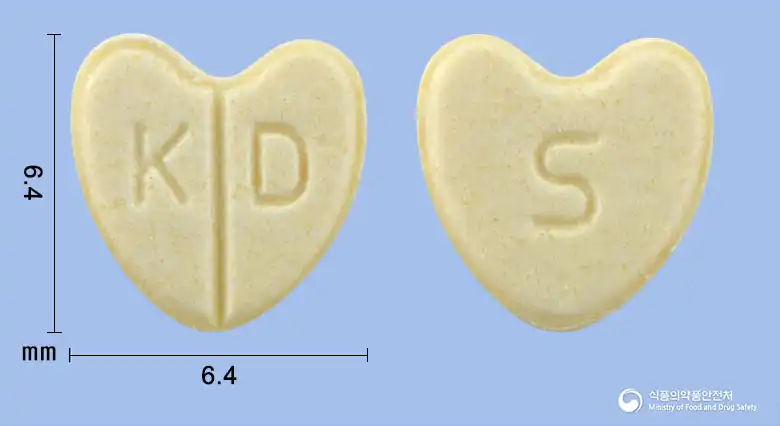
S-Amlodipine Besylate 2.5 Hydrate 3.74mg
Tablet · Prescription medication
Kwangdong Pharmaceutical Co., Ltd.
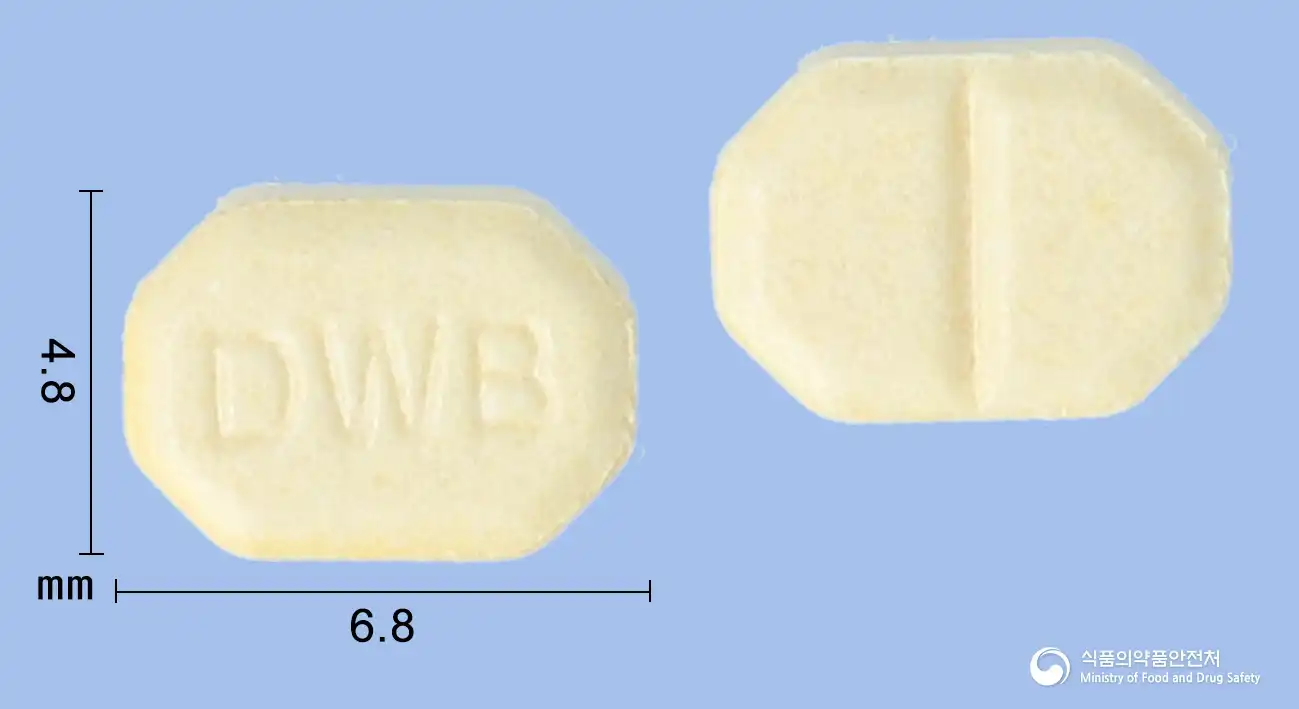
S-Amlodipine Besylate 2.5 Hydrate 3.69mg
Tablet · Prescription medication
Daewoong Bio Co., Ltd.
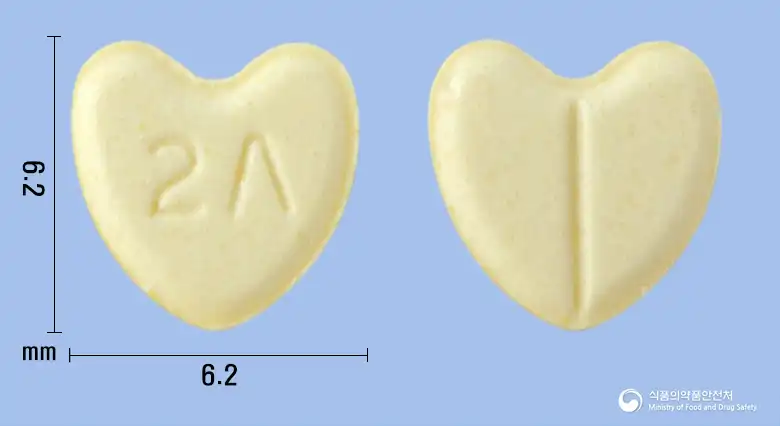
S-Amlodipine Besylate 2.5 Hydrate 3.74mg
Tablet · Prescription medication
Daiwon Pharmaceutical Co., Ltd.
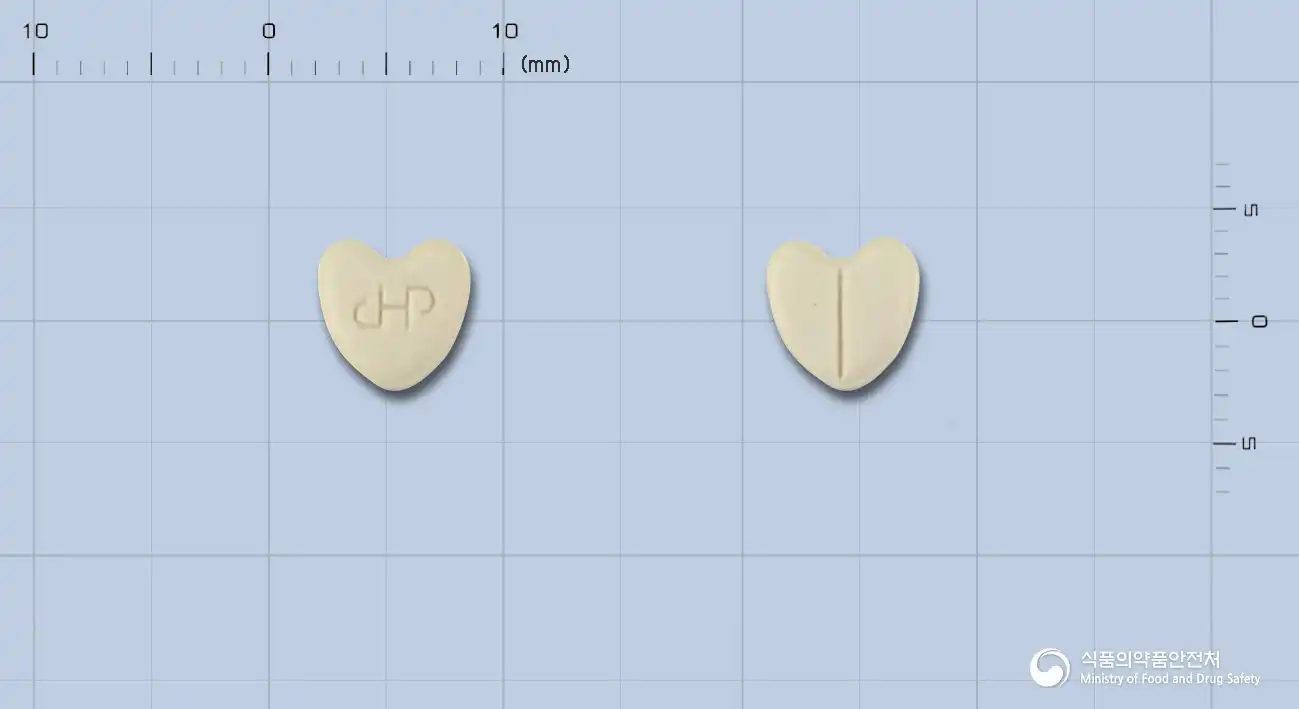
S-Amlodipine Besylate 2.5 Hydrate 3.74mg
Tablet · Prescription medication
Daehwa Pharmaceutical Co., Ltd.
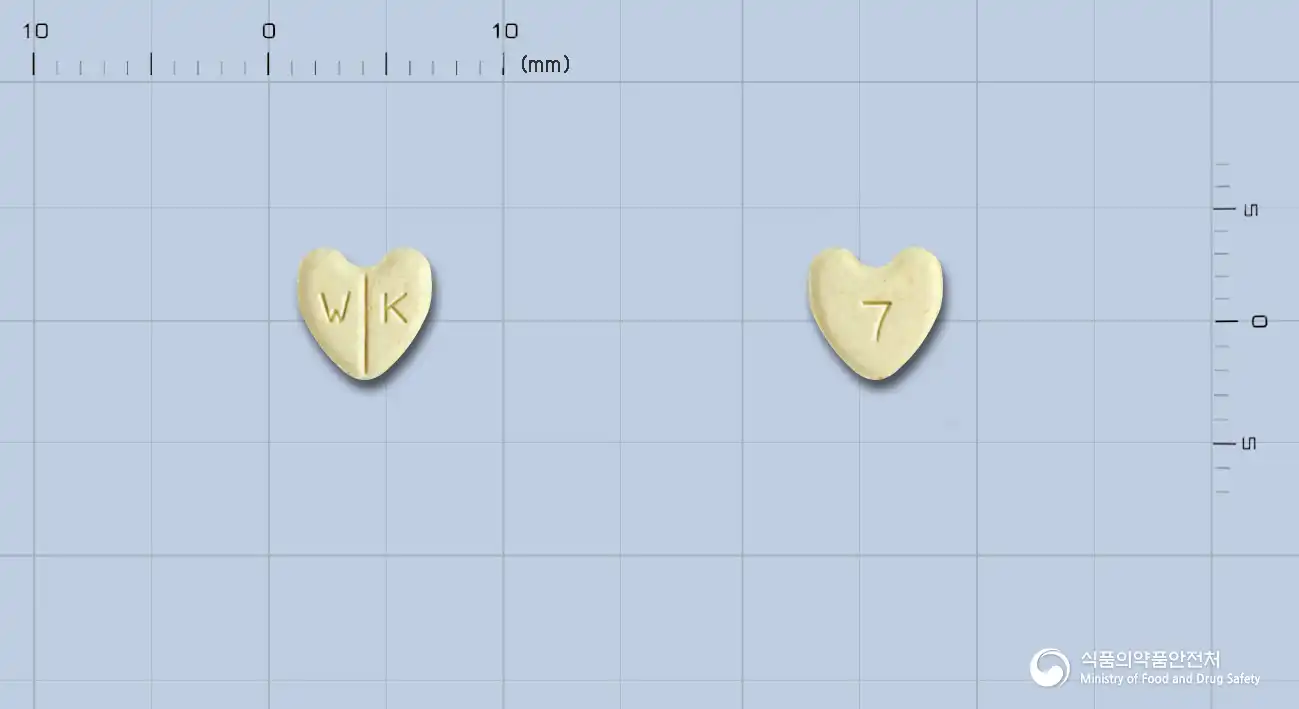
S-Amlodipine Besylate 2.5 Hydrate 3.74mg
Tablet · Prescription medication
Austin Pharmaceutical Co., Ltd.
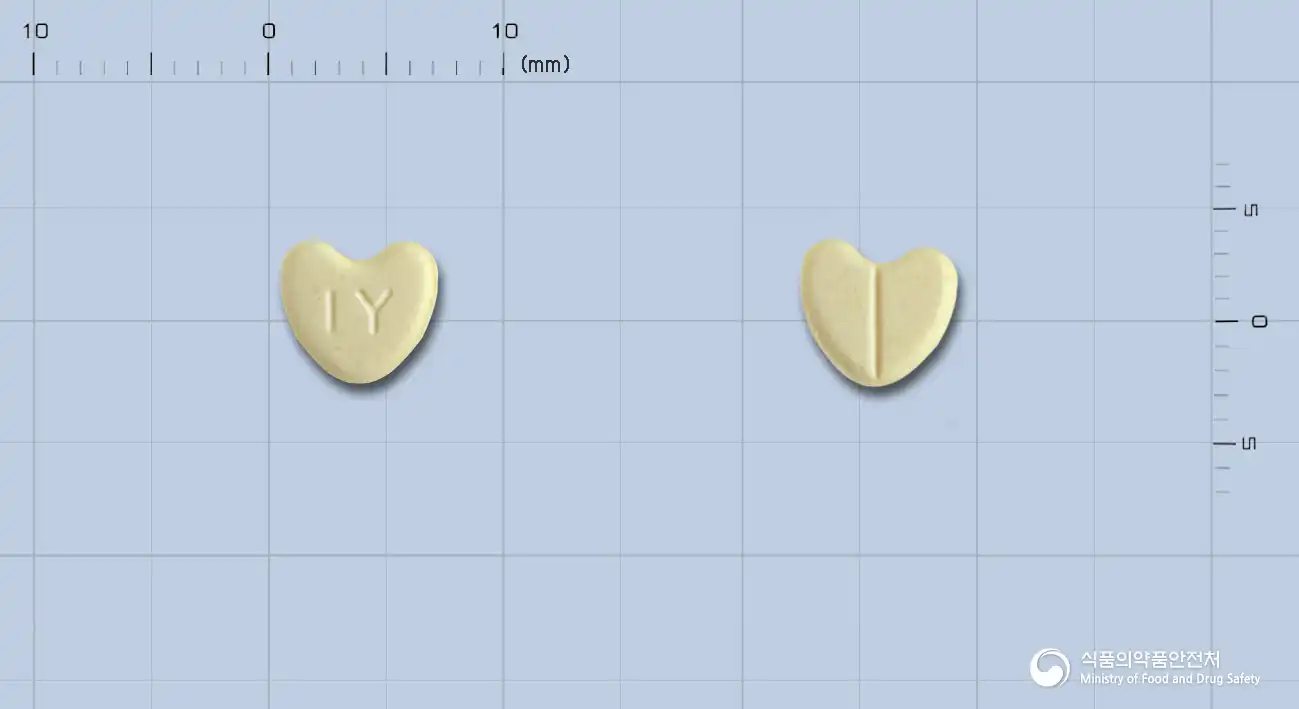
S-Amlodipine Besylate 2.5 Hydrate 3.74mg
Tablet · Prescription medication
Il Yang Pharmaceutical Co., Ltd.
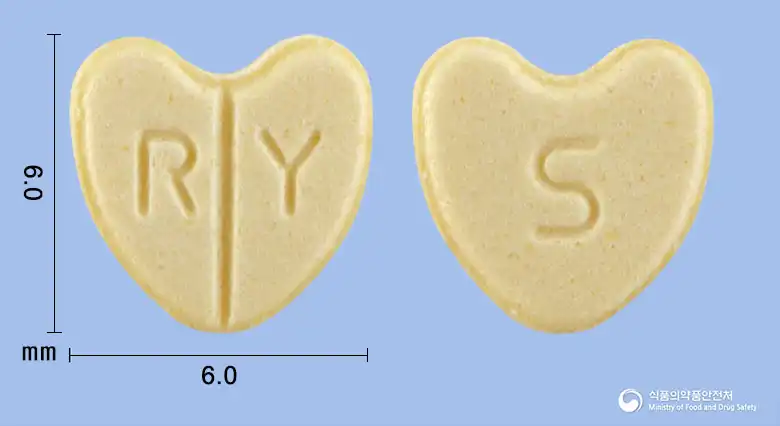
S-Amlodipine Besylate 2.5 Hydrate 3.74mg
Tablet · Prescription medication
IYON Pharmaceutical Co., Ltd.
Even with the same ingredient, the dose and directions can differ by strength and dosage form. Talk to a doctor or pharmacist before switching from a medication you are already taking.
No questions yet.
For anything that needs medical judgment, consult a doctor or pharmacist.
This drug information is based on data provided by the Korea Ministry of Food and Drug Safety.
Consult a doctor or pharmacist for accurate dosage, administration, and usage instructions.