
 한국어
한국어 English
 日本語
日本語 中文(简体)
 Viewing now
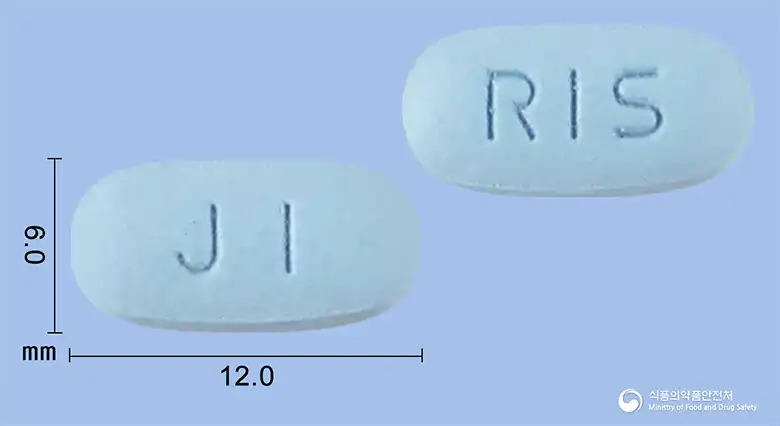
Actogenic 150 mg (Sodium Risedronate 2.5 Hydrate)
Risedronate Sodium 2.5 Hydrate 172.1mg
Tablet · Prescription medication
Jeil Pharmaceutical Co., Ltd.
MFDS item code 201003151 · Notified 2010.04.29 · Insurance code 645403390
Treatment and prevention of osteoporosis in postmenopausal women
This medication is primarily used to treat and prevent osteoporosis in postmenopausal women. It improves bone density and reduces the risk of bones becoming weak and fracturing. Regular use of this medication helps maintain strong bones, making it effective for fracture prevention and inhibition of osteoporosis progression.
As sodium risedronate, administer 150 mg orally once a month. Since food can interfere with absorption, take this medication at least 30 minutes before consuming food or beverages other than water. It should be taken with a sufficient amount of pure water (170–230 mL) in an upright position; do not chew or suck the tablet. Do not lie down for at least 30 minutes after taking the medication.
Safety and efficacy for children under 18 years have not been established.
This medication can irritate the stomach and esophageal mucosa, so patients with gastritis or esophageal diseases should take special precautions. When taking this medication, it should be taken with a sufficient amount of water, and you should not lie down for at least 30 minutes after taking it. If symptoms such as pain in the esophagus, difficulty swallowing, or chest pain occur, you should immediately stop taking the medication and consult a doctor. This medication should not be used in patients with certain esophageal diseases, severe renal impairment, those who are pregnant or breastfeeding, and patients with lactose intolerance. Before taking this medication, conditions such as hypocalcemia or vitamin D deficiency should be treated, and sufficient calcium and vitamin D intake is necessary. Caution should be taken when this medication is used with other medicines or foods containing calcium, magnesium, iron, etc., as it may impede absorption. In rare cases, long-term use can lead to serious side effects such as femoral fractures or osteonecrosis of the jaw, so any unusual symptoms should be reported to healthcare providers. Safety and efficacy have not been established for children, and elderly patients can use it without special precautions. In case of overdose, blood calcium and phosphate levels may decrease, and appropriate treatment may be needed based on symptoms. This medication should be kept out of the reach of children, and it is recommended not to transfer it to other containers.
Hives, severe swelling (edema), chest tightness, difficulty breathing, cold sweat, pallor, severe rash with high fever, blisters, skin peeling, pain in oral/ocular mucosa, difficulty breathing or shortness of breath, asthma attacks, respiratory abnormalities accompanied by cough + fever, jaundice (turning of skin or eyes yellow), severe lethargy, sudden and severe headache, thunderclap headache, seizures, confusion, visual disturbances, paralysis, urination issues
Not everyone experiences these, and they can vary from person to person.
This medication should be stored in a tightly sealed container to prevent air intrusion, and it is best to keep it at room temperature between 1°C and 30°C. Proper storage preserves the drug's effectiveness and prevents degradation.
Bright blue oval film-coated tablet
1 tablet (1 tablet/PTP x 1)
Even with the same ingredient, strength, dosage form and how it is taken can differ.
Viewing nowRisedronate Sodium 2.5 Hydrate 172.1mg
Tablet · Prescription medication
Jeil Pharmaceutical Co., Ltd.
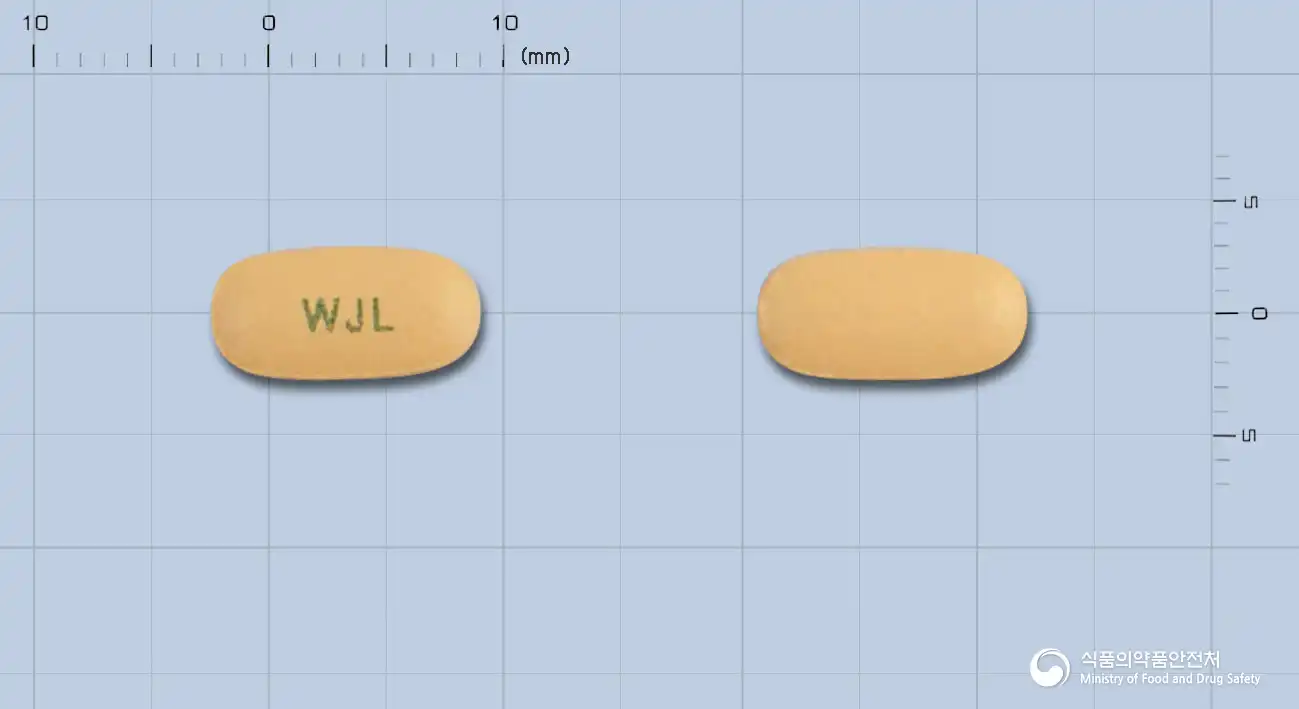
Risedronate Sodium 2.5 Hydrate 40.17mg
Tablet · Prescription medication
Austin Pharmaceutical Co., Ltd.
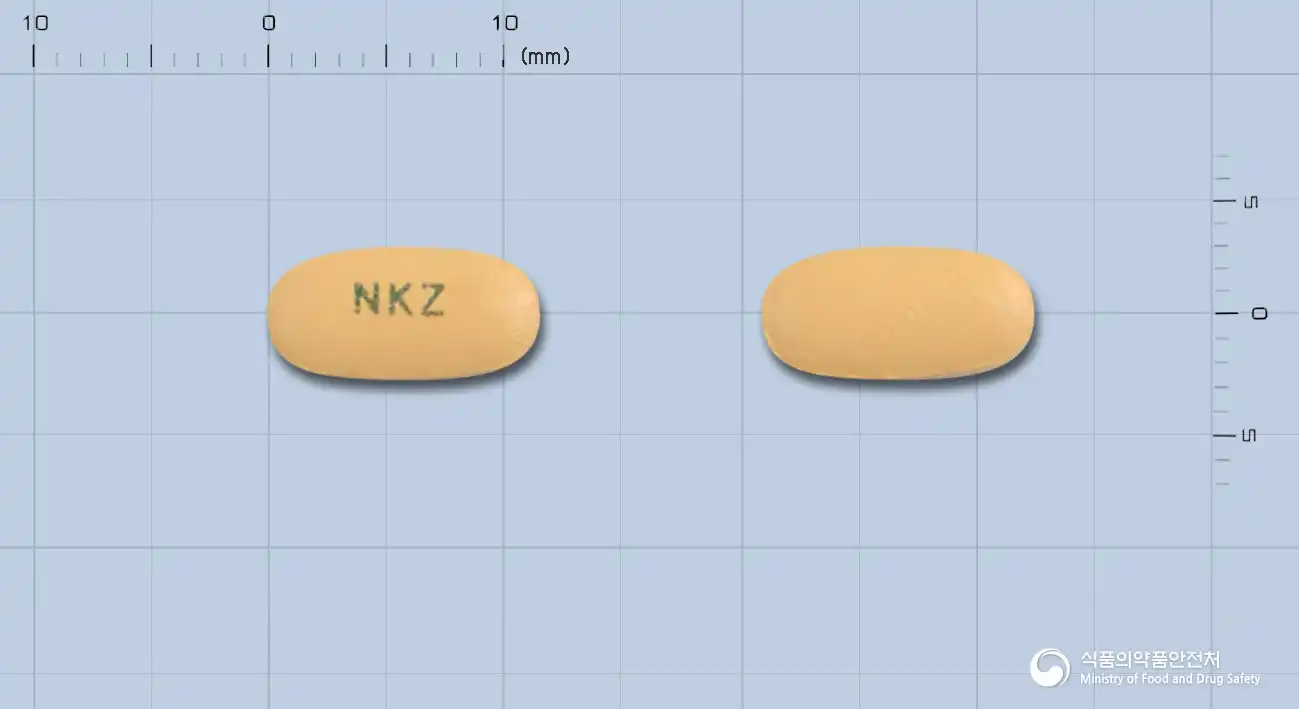
Risedronate Sodium 2.5 Hydrate 40.17mg
Tablet · Prescription medication
Nexpam Korea Co., Ltd.
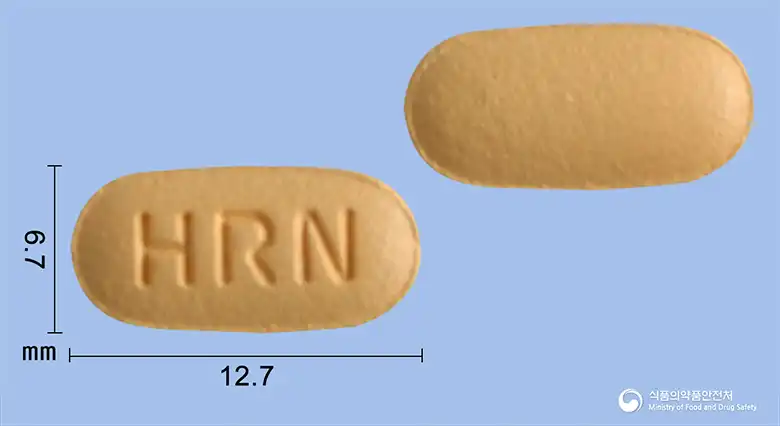
Risedronate Sodium 2.5 Hydrate 35mg
Tablet · Prescription medication
Hyutecs Pharmaceutical Co., Ltd.
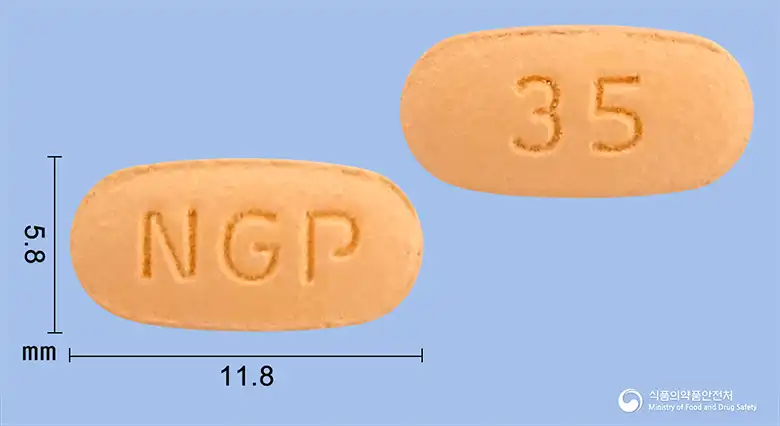
Risedronate Sodium 2.5 Hydrate 40.2mg
Tablet · Prescription medication
Celix Co., Ltd.
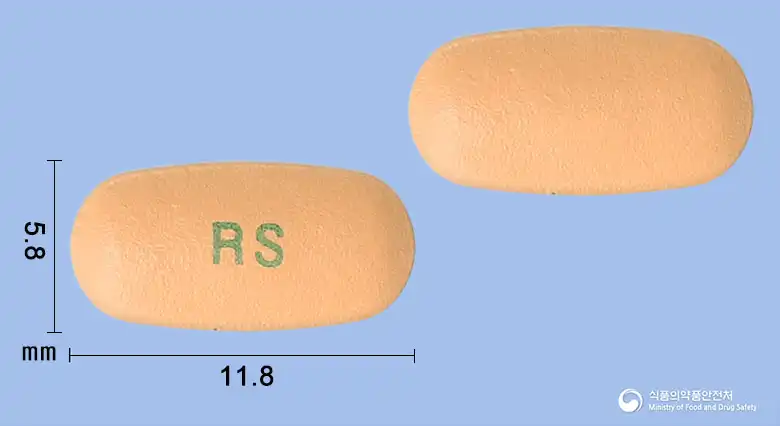
Risedronate Sodium 2.5 Hydrate 40.17mg
Tablet · Prescription medication
Myeongmun Pharmaceutical Co., Ltd.
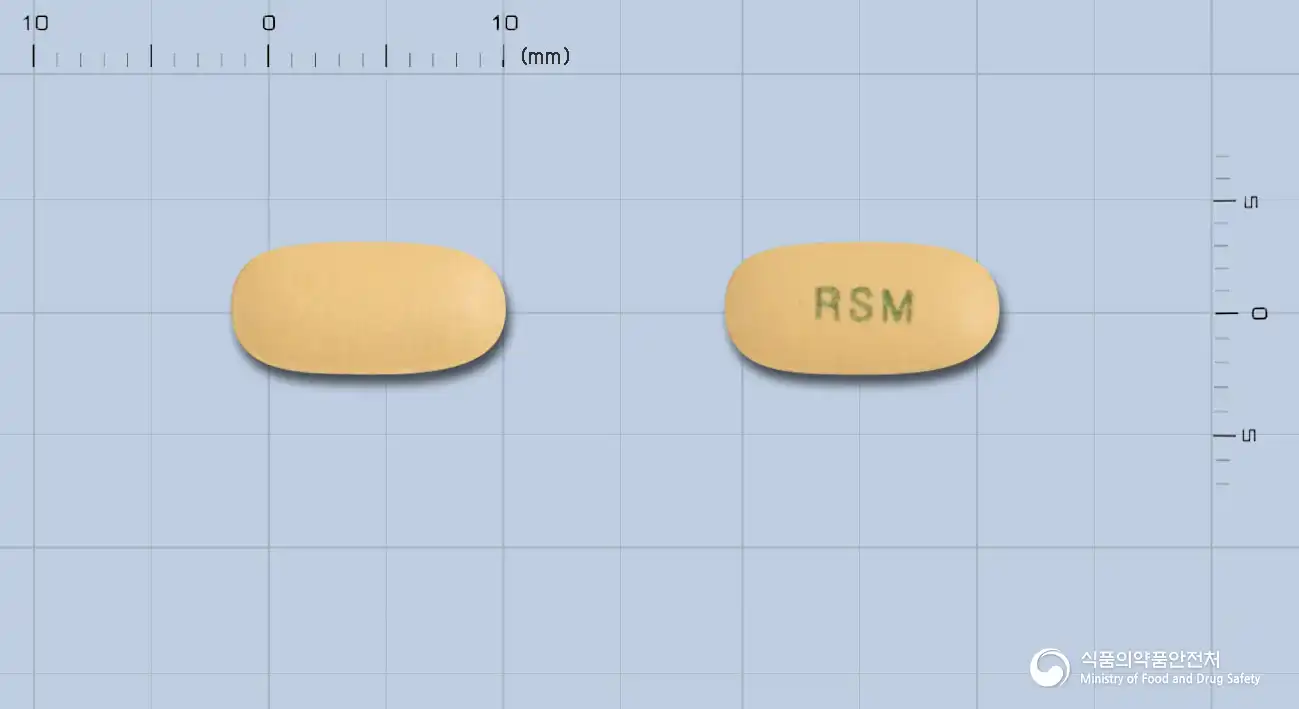
Risedronate Sodium 2.5 Hydrate 40.17mg
Tablet · Prescription medication
Korea United Pharmaceutical Co., Ltd.
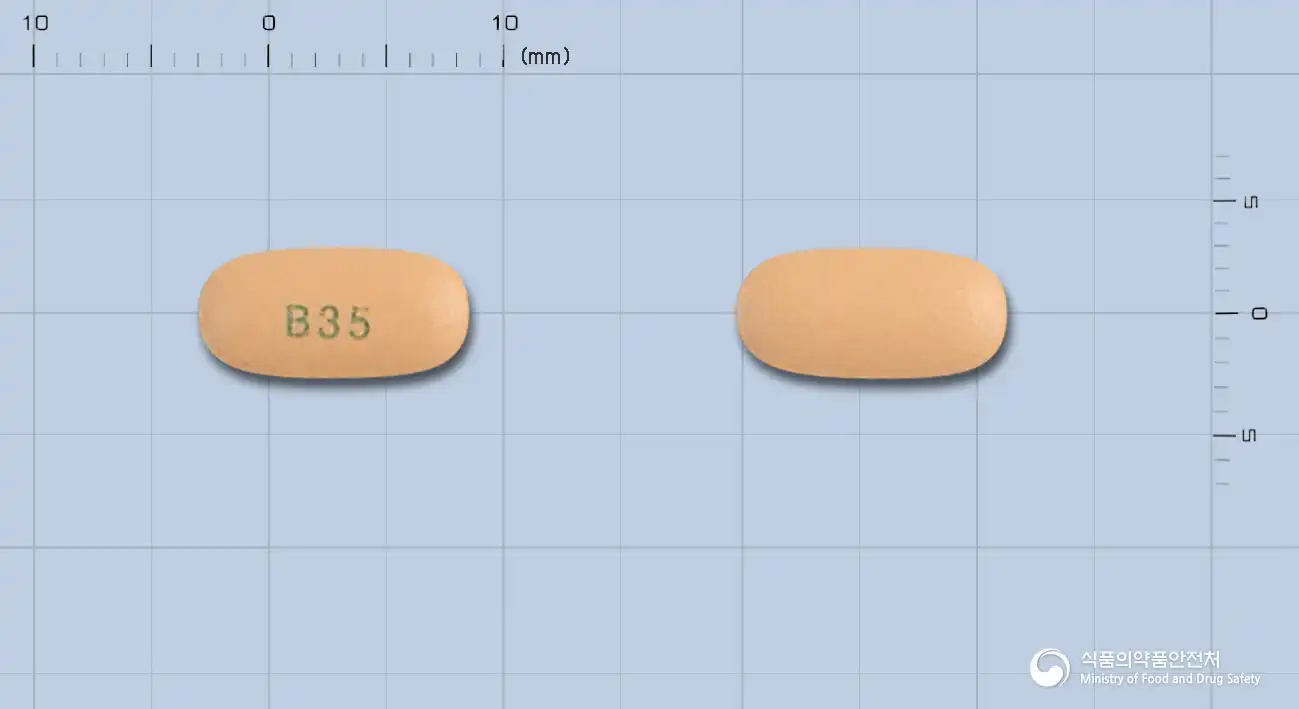
Risedronate Sodium 2.5 Hydrate 40.17mg
Tablet · Prescription medication
Shinpoong Pharmaceutical Co., Ltd.
Even with the same ingredient, the dose and directions can differ by strength and dosage form. Talk to a doctor or pharmacist before switching from a medication you are already taking.
No questions yet.
For anything that needs medical judgment, consult a doctor or pharmacist.
This drug information is based on data provided by the Korea Ministry of Food and Drug Safety.
Consult a doctor or pharmacist for accurate dosage, administration, and usage instructions.