
 한국어
 English
 日本語
 中文(简体)
 Viewing now
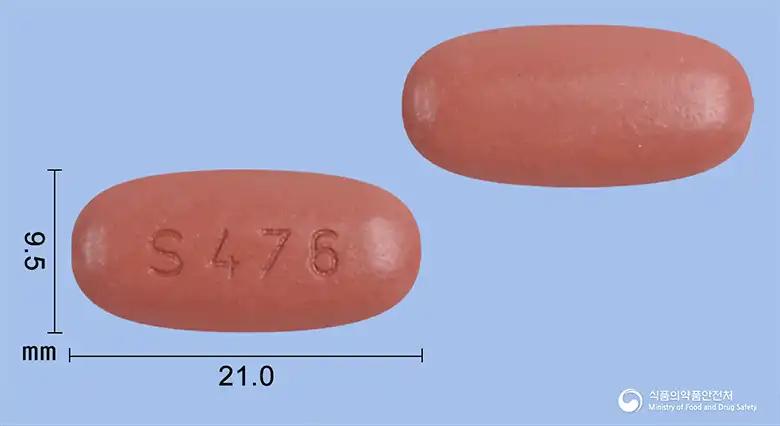
Mesavant XL Coated Tablets 1200 mg (Mesalazine)
Mesalazine 1200mg
Tablet · Prescription medication
Takeda Pharmaceuticals Korea Co., Ltd.
MFDS item code 201001891 · Approved 2010.03.05 · Insurance code 696300660
Treatment and maintenance therapy of mild to moderate active ulcerative colitis
This medication is used for the treatment and maintenance of mild to moderate active ulcerative colitis. Ulcerative colitis is a condition characterized by inflammation and ulcers of the colon, helping alleviate symptoms and prevent recurrence. Through this medication, patients can reduce inflammation and improve intestinal health. Consistent treatment allows for symptom relief and long-term management. This medication is effectively used for the treatment and maintenance of ulcerative colitis.
Adults 1. Treatment of symptoms: Take 2~4 tablets (2.4g~4.8g) once daily with food. The maximum daily dose of 4.8g should be taken by patients who do not respond to the lower dose. 2. Maintenance treatment: Take 2 tablets (2.4g) once daily with food. This medicine must not be chewed or crushed and should be taken with food.
Children (10 years of age or older weighing more than 50kg) 1. Treatment of symptoms: Take 2~4 tablets (2.4g~4.8g) once daily with food for 8 weeks. 2. Maintenance treatment: Take 2 tablets (2.4g) once daily with food. Children (under 10 years of age weighing 50kg or less) 3. This medicine must not be used in pediatric patients under 10 years of age weighing 50kg or less because safety and efficacy data have not been established.
This medication should not be used in certain patients. For example, patients who are allergic to this medication or its components, salicylic acid, or salicylates, those with severely impaired liver or kidney function, individuals with peptic ulcers, individuals with problems related to blood clotting, and infants under 24 months of age should not receive this medication. Additionally, it should be used with caution in patients with chronic respiratory impairment, especially asthmatics or those with allergies to other medications, those with weakened liver or kidney function, patients with heart conditions or suspected acute intolerance syndrome, those with blood disorders, pregnant women, nursing mothers, and the elderly. While taking this medication, side effects such as abdominal pain, headache, diarrhea, nausea, and liver function abnormalities can frequently occur. Rarely, serious side effects such as myocarditis, skin rashes, severe allergic reactions, blood disorders, and kidney dysfunction may occur. If any unusual symptoms arise, consult a doctor immediately. Regular blood tests and kidney function tests must be conducted as directed by a physician while taking this medication, especially during the first year of treatment, every three months, and subsequently every six months or once a year. Moreover, asthmatics or patients with chronic respiratory diseases need special attention while on this medication. Care must be taken when using this medication in conjunction with other drugs. For example, using medications that can cause kidney toxicity, anticoagulants, corticosteroids, methotrexate, etc., may increase the risk of side effects, so consulting a physician is imperative. This medication can cross the placenta during pregnancy; therefore, pregnant individuals should carefully consider the benefits and risks of using this medication. Nursing mothers should also exercise caution while taking this medication, as it might cause side effects such as diarrhea in nursing infants. Elderly patients need to be cautious as renal function decline may increase the concentration of this medication in the body, necessitating frequent blood tests and kidney function evaluations, and being aware of the possibility of side effects. This medication should be taken whole and not chewed or crushed. It is best taken with food and should be stored safely out of reach of children. In case of overdose, general symptoms of salicylate toxicity such as dizziness, headache, vomiting, diarrhea, etc., may occur, and appropriate treatment should be received at a hospital if needed.
Colitis, abdominal pain, headache, abnormal liver function tests, diarrhea, nausea, thrombocytopenia, agranulocytosis, aplastic anemia, leukopenia, neutropenia, pancytopenia, facial swelling, hypersensitivity, anaphylactic shock, angioedema, dizziness, drowsiness, tremor, idiopathic intracranial hypertension, neuropathy, ear pain, tachycardia, myocarditis, pericarditis, hypertension, hypotension, sore throat, hypersensitivity pneumonitis, bronchospasm, pleuritis, abdominal distention, indigestion, vomiting, bloating, pancreatitis, rectal polyp, hepatitis, cholelithiasis, hepatotoxicity, pruritus, rash, acne, hair loss, urticaria, photosensitivity, Stevens-Johnson syndrome, toxic epidermal necrolysis, drug reactions with eosinophilia and systemic symptoms, arthralgia, back pain, myalgia, systemic lupus erythematosus-like syndrome, lupus-like syndrome, renal failure, interstitial nephritis, nephrotic syndrome, nephrogenic diabetes insipidus, nephrolithiasis, oligospermia, asthenia, fatigue, fever, atypical hyperthermia, hair loss, urticaria, allergic skin rash, allergic pulmonary reaction, belching, intestinal pneumatosis, elevated amylase, cirrhosis, liver dysfunction, elevated methemoglobin levels, anemia, aplastic anemia, leukopenia, thrombocytopenia, myocarditis, pericarditis, nephritis, peripheral neuropathy, lupus erythematosus-like reaction, angioedema, acute intolerable syndrome, convulsions, bleeding, fever, skin rash, acute diarrhea, optic disc edema, visual impairment, tinnitus
Not everyone experiences these, and they can vary from person to person.
Store this medication in a sealed container to protect it from air and moisture, and keep it in a cool place at room temperature, preferably below 25 degrees Celsius.
Brownish-red oval-shaped prolonged release film-coated tablets
Blister - 60 tablets/blister
Even with the same ingredient, strength, dosage form and how it is taken can differ.
Viewing nowMesalazine 1200mg
Tablet · Prescription medication
Takeda Pharmaceuticals Korea Co., Ltd.
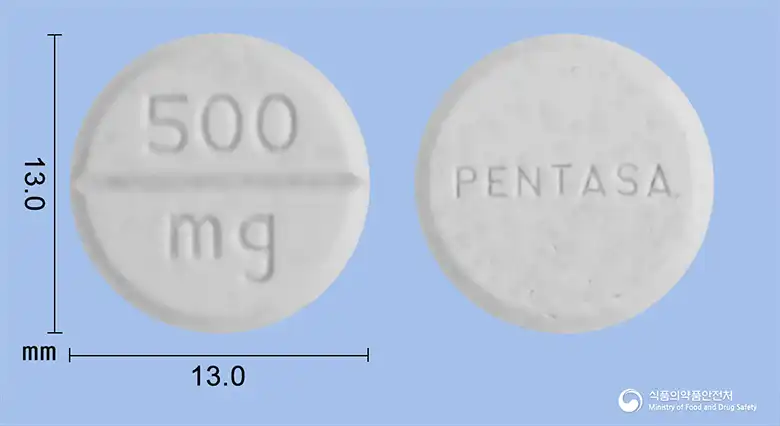
Mesalazine 500mg
Tablet · Prescription medication
Korea Ferring Pharmaceutical Co., Ltd.
Mesalazine 1000mg
Prescription medication
Korea PhaRing Pharmaceutical Co., Ltd.
Mesalazine 4g
Suspension · Prescription medication
Daewoong Pharmaceutical Co., Ltd.
Mesalazine 500mg
Prescription medication
Daiwoong Pharmaceutical Co., Ltd.
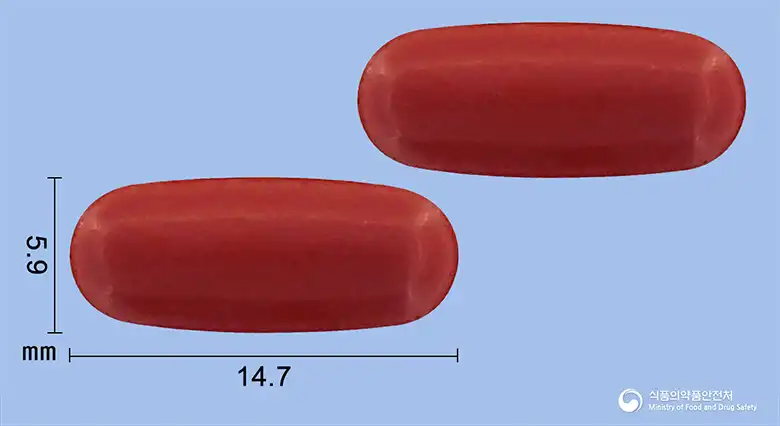
Mesalazine 400mg
Tablet · Prescription medication
Daewoong Pharmaceutical Co., Ltd.
Mesalazine 1g
Prescription medication
Korea Ferring Pharmaceuticals Co., Ltd.
Mesalazine 2g
Prescription medication
Korea Ferring Pharmaceuticals Co., Ltd.
Even with the same ingredient, the dose and directions can differ by strength and dosage form. Talk to a doctor or pharmacist before switching from a medication you are already taking.
No questions yet.
For anything that needs medical judgment, consult a doctor or pharmacist.
This drug information is based on data provided by the Korea Ministry of Food and Drug Safety.
Consult a doctor or pharmacist for accurate dosage, administration, and usage instructions.