
 한국어
한국어 English
 日本語
日本語 中文(简体)
 Viewing now
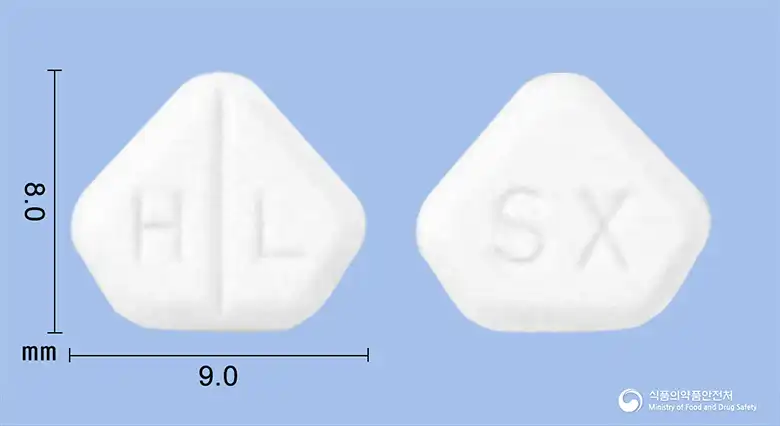
Rodien Tablet 5 mg (Esamlodipine Nicotinate)
S-Amlodipine Nicotinate 6.506mg
Tablet · Prescription medication
Hanlim Pharmaceutical Co., Ltd.
MFDS item code 201001745 · Notified 2010.02.26 · Insurance code 645304050
Improvement of myocardial ischemia due to hypertension and coronary artery disease (angina) and reduction of hospitalization risk due to angina
This medication is used to treat stable angina caused by hypertension and fixed obstruction of coronary arteries, as well as myocardial ischemia due to variant angina resulting from coronary vascular spasm. It is also helpful in reducing the risk of hospitalization due to angina and in decreasing the risks associated with coronary artery revascularization in patients recently diagnosed with coronary artery disease during angiography, provided there is no heart failure and the cardiac output is above 40%. This medication contributes to improving heart health and alleviating angina symptoms.
This medication should be taken with plenty of water. The oral dosage of esamlodipine is 2.5 mg once daily, which may be increased up to a maximum of 5 mg per day depending on the patient's response. Adjustments can be made according to symptoms.
The recommended oral dosage of esamlodipine for effective blood pressure control is 1.25 mg to 2.5 mg once daily for pediatric patients. Doses exceeding 2.5 mg per day have not been studied in children.
This medication should not be used in certain patients. For instance, it should not be administered to individuals allergic to this drug or similar compounds, nursing women, patients in shock, patients with severe aortic stenosis, unstable angina patients, those who have recently experienced a myocardial infarction, patients with severe liver dysfunction, and patients with severe hypotension. Furthermore, it should be used with caution in patients with severely impaired kidney function or those undergoing dialysis, elderly patients, patients with acute heart failure, hypertensive crisis patients, those with mild to moderate liver dysfunction, and women who are pregnant or may become pregnant. Various adverse reactions may occur while taking this medication. Common symptoms include flushing with a feeling of warmth, fatigue, edema, palpitations, dizziness, headache, abdominal pain, nausea, and drowsiness. Rarely, more serious symptoms such as skin rash, allergic reactions, liver dysfunction, reduced blood cell counts, insomnia, depression, respiratory distress, and hair loss may occur, necessitating immediate consultation with healthcare providers if any abnormal symptoms arise. This medication should not be abruptly discontinued, as it can worsen symptoms; patients should not stop taking it without a doctor's instruction. In particular, patients with heart failure should be cautious as they may experience pulmonary edema during treatment. It should be taken with plenty of water, and since low blood pressure may cause symptoms such as dizziness, headache, fatigue, and nausea, caution is advised when driving or operating hazardous machinery. This medication may interact with other drugs, so it is essential to inform healthcare providers, especially if taking certain antibiotics, antihypertensives, antidepressants, nitrates, antiarrhythmics, and grapefruit juice, as dosage adjustments or precautions may be necessary. In pregnant or nursing women, the safety of this medication has not been established, so it is recommended to use alternative medications when possible, and nursing should be discontinued if applicable. For pediatric patients, its use is recommended only for those aged 6 years and older, as safety and efficacy have not been established for children under 6 years of age. Elderly patients should start with lower doses since the drug may remain in their system longer and should be administered with caution. In cases of overdose, severe hypotension, cardiac abnormalities, and shock may occur necessitating immediate emergency treatment and appropriate care as directed by healthcare providers. Finally, this medication should be kept out of reach of children and not transferred to other containers.
Hives, angioedema, toxic epidermal necrolysis, Stevens-Johnson syndrome, angioedema, symptoms of liver dysfunction (jaundice, weakness, anorexia, prolonged nausea), jaundice, pulmonary edema, severe hypotension, shock, loss of consciousness, coma, exacerbation of heart failure, pulmonary edema, severe hypotension and cardiovascular abnormalities due to overdose
Not everyone experiences these, and they can vary from person to person.
This medication may be sensitive to air and moisture; therefore, it should be stored in a tightly sealed container. Also, to maintain the drug's efficacy, it is recommended to store it at room temperature between 1 degree and 30 degrees Celsius.
White pentagonal tablets
300 tablets/bottle, 30 tablets (10 tablets/PTP packaging x 3)
Even with the same ingredient, strength, dosage form and how it is taken can differ.
Viewing nowS-Amlodipine Nicotinate 6.506mg
Tablet · Prescription medication
Hanlim Pharmaceutical Co., Ltd.
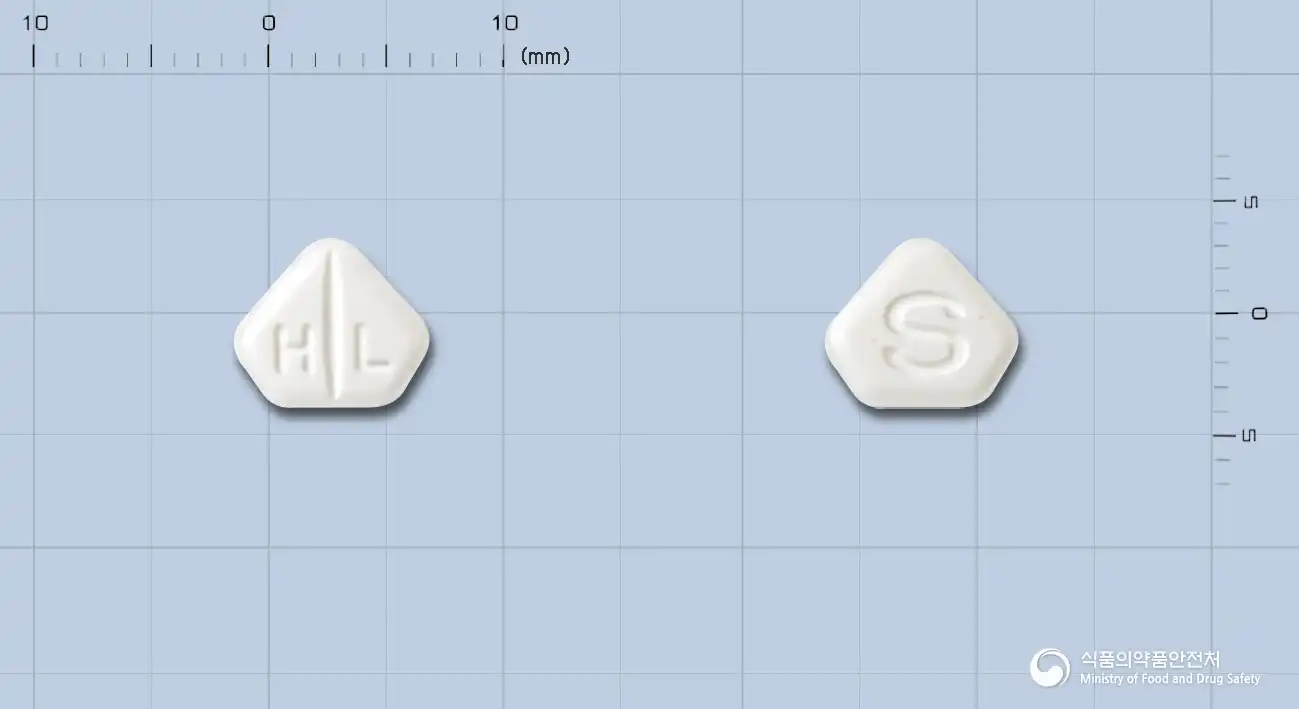
S-Amlodipine Nicotinate 3.253mg
Tablet · Prescription medication
Hallym Pharmaceutical Co., Ltd.
S-Amlodipine Nicotinate 3.253mg
Tablet · Prescription medication
Shinpoong Pharmaceutical Co., Ltd.
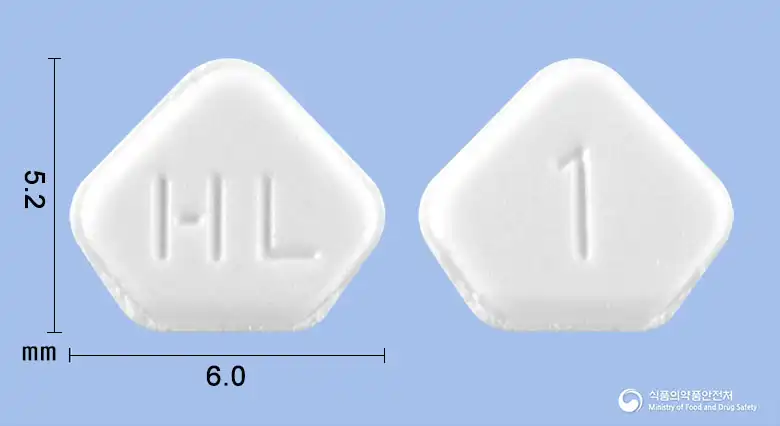
S-Amlodipine Nicotinate 1.627mg
Tablet · Prescription medication
Hallym Pharmaceutical Co., Ltd.
Even with the same ingredient, the dose and directions can differ by strength and dosage form. Talk to a doctor or pharmacist before switching from a medication you are already taking.
No questions yet.
For anything that needs medical judgment, consult a doctor or pharmacist.
This drug information is based on data provided by the Korea Ministry of Food and Drug Safety.
Consult a doctor or pharmacist for accurate dosage, administration, and usage instructions.