
 한국어
한국어 English
 日本語
日本語 中文(简体)
Dosage form image
Viewing nowAscorbic Injection (Ascorbic Acid)
Ascorbic Acid 500mg
Injections · Prescription medication
BC World Pharmaceutical Co., Ltd.
MFDS item code 200909290 · Notified 2009.12.28
Prevention of vitamin C deficiency, treatment of scurvy, and promotion of capillary bleeding and bone healing
This medicine can be used in acute situations or when oral administration is difficult. It is effective in the prevention and treatment of vitamin C deficiency and helps with conditions such as scurvy. It meets the increased vitamin C requirements of pregnant or breastfeeding women, and those engaged in heavy physical labor. It can also be used for capillary bleeding, enhancing bone matrix formation and healing during fractures, improving pigmentation such as freckles and melasma, and for photosensitive dermatitis. It aids in instances where vitamin C metabolism is affected by drug administration. Overall, this medication is used to prevent and treat various symptoms and diseases related to vitamin C deficiency.
As ascorbic acid, administer 50-1,000 mg once daily, or divided into several doses, by subcutaneous, intramuscular, or intravenous injection. Adjust dose as appropriate based on age and symptoms.
Take great care when opening the injection vial as glass shards may enter. Special caution is needed when administering to children or the elderly. This medicine should not be used by those allergic to it or any of its components. It should not be administered to patients with hyperoxaluria who excrete excessive oxalates, patients with thalassemia, gout patients, or patients with cystinuria. Additionally, patients with G6PD deficiency should be cautious as excessive use may lead to hemolysis. Patients with oxalate kidney stones should not exceed 1 gram per day. Side effects may include nausea, vomiting, diarrhea, heartburn, abdominal cramps, fatigue, flushing, headache, insomnia, and may occur with overdosing. Administering more than 1 gram per day may acidify urine and increase the risk of diarrhea and kidney stones. Doses exceeding 600 milligrams may lead to diuresis. Overdose may result in the deposition of urates or oxalates in the urinary tract, causing stones. This medicine is usually taken orally but should be administered by injection if gastrointestinal absorption is difficult or in emergencies, switching to oral administration as soon as possible is recommended. The effectiveness may change when used with certain medications, so avoid concurrent use with aspirin, smoking, alcohol, iron supplements, and certain antibiotics. The safety of this medication during pregnancy is not well established, thus should only be used when absolutely necessary, and high doses above 1 gram per day should be avoided. This drug passes into breast milk, but the standard dosage is not harmful to infants. Notify the doctor before any laboratory tests as this medication may influence some urine or blood test results. Overdosing may lead to diarrhea or kidney stones, and if symptoms arise, stop taking it immediately and seek treatment. Injection may cause temporary pain at the injection site, and special caution should be taken with newborns and children. If there is pain or blood reflux during injection, the injection should be stopped immediately. Rapid intravenous injection may cause fainting or dizziness, so slow infusion is necessary. Keep this medication out of reach of children, store in a dry place away from direct sunlight.
Risk of hemolysis in G6PD deficient patients, increased risk of kidney stones
Nausea, vomiting, diarrhea, heartburn, abdominal cramps, fatigue, flushing, headache, insomnia, diuretic effect, temporary mild pain at the injection site, transient faintness, dizziness, vascular pain
Not everyone experiences these, and they can vary from person to person.
This medication is sensitive to light, so it should be stored in a dark container that does not allow light exposure. Moreover, to maintain freshness and effectiveness, it is essential to store it at a refrigerated temperature between 2 to 8 degrees Celsius.
A clear, pale yellow solution in a brown vial injection
10 vials/box [(20 milliliters/1 vial)]
Even with the same ingredient, strength, dosage form and how it is taken can differ.
Ascorbic Acid 500mg
Injections · Prescription medication
BC World Pharmaceutical Co., Ltd.
Ascorbic Acid 50mg
Prescription medication
Daehan Pharmaceutical Industry Co., Ltd.
Ascorbic Acid 50mg
Injections · Prescription medication
Jeil Pharmaceutical Co., Ltd.
Ascorbic Acid 250mg
Injections · Prescription medication
Daewon Pharmaceutical Co., Ltd.
Ascorbic Acid 250mg
Injections · Prescription medication
(Company) Jeil Pharmaceutical
Ascorbic Acid 250mg
Injections · Prescription medication
Huons Co., Ltd.
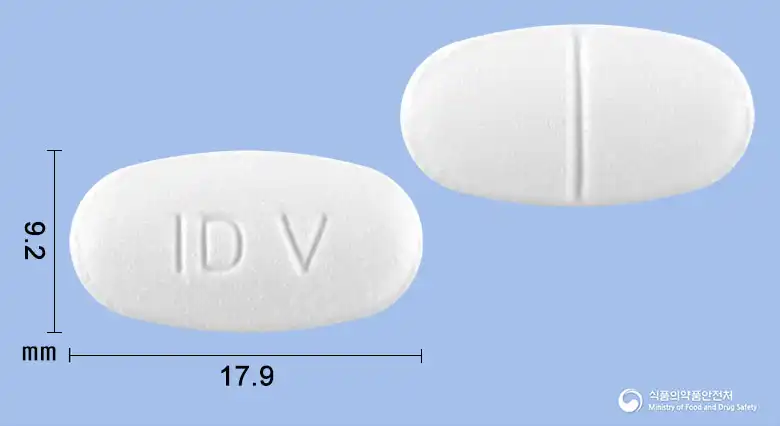
Ascorbic Acid 1031.01mg
Tablet · OTC medication
Ildong Pharmaceutical Co., Ltd.
Ascorbic Acid 500mg
Injections · Prescription medication
Aprogen Biologics Co., Ltd.
Even with the same ingredient, the dose and directions can differ by strength and dosage form. Talk to a doctor or pharmacist before switching from a medication you are already taking.
No questions yet.
For anything that needs medical judgment, consult a doctor or pharmacist.
This drug information is based on data provided by the Korea Ministry of Food and Drug Safety.
Consult a doctor or pharmacist for accurate dosage, administration, and usage instructions.