
 한국어
한국어 English
 日本語
日本語 中文(简体)
Dosage form image
Viewing nowMoxistac Eye Drops (Moxifloxacin Hydrochloride) (Single Use), Moxistac Eye Drops (Moxifloxacin Hydrochloride)
Moxifloxacin Hydrochloride 5.45mg
Eye drops · Prescription medication
Samchundang Pharmaceutical Co., Ltd.
MFDS item code 200908567 · Notified 2009.12.08 · Insurance code 651203251,651204711
Treatment of bacterial conjunctivitis, blepharitis, keratitis (including corneal ulcers), and effective sterilization therapy before and after ophthalmic surgery.
This medication is used to treat various bacterial conjunctivitis, blepharitis, and keratitis (including corneal ulcers). It is also effective for sterilization therapy to prevent infection before and after ocular surgery. The targeted strains include Staphylococcus, Streptococcus, pneumococcus, enterococcus, Micrococcus, Moraxella, Corynebacterium, Citrobacter, Klebsiella, Enterobacter, Serratia, Proteus, Morganella morganii, Haemophilus influenzae, Pseudomonas, Burkholderia cepacia, Stenotrophomonas maltophilia, Acinetobacter, and Propionibacterium. This drug effectively improves bacterial infections related to the eyes.
1. For bacterial conjunctivitis, blepharitis, and keratitis (including corneal ulcers): Generally, 1 drop is instilled 3 times a day. The dosage may be adjusted depending on symptoms. 2. For sterilization therapy before and after ocular surgery: Generally, 1 drop is instilled 5 times a day before surgery and 1 drop 3 times a day after surgery.
This medication should not be injected directly into the eye or placed directly into the inside of the eye. Serious allergic reactions may occur among patients who have used systemic drugs in the same class; if symptoms such as rash, difficulty breathing, or facial swelling occur, usage should be stopped immediately and medical consultation should be sought. This drug should not be used by individuals allergic to it or by infants under 1 year old. Pregnant or breastfeeding women should use this medication with caution and consider the potential effects on the fetus or infant. Using this medication may cause dryness of the eyes or symptoms such as redness, pain, and itching, so if any abnormal symptoms persist, consulting a doctor is advised. Long-term use may lead to other types of infections, so it is advisable to use it for the minimum necessary duration and to stop usage once symptoms improve. If wearing contact lenses, they should not be worn when symptoms of bacterial conjunctivitis are present. This medication is for ophthalmic use only, and care should be taken to avoid contaminating the tip of the container. It should be used immediately after opening, and any remaining medication must be discarded; it is safer not to share it with others. When storing, keep it out of reach of children and store it in a cool place, away from direct sunlight. While clinical trials have shown a low risk of carcinogenicity or mutagenicity, the impact on the fetus when used during pregnancy should be discussed with a specialist before use.
Conjunctivitis, decreased vision, dry eyes, keratitis, discomfort in the eyes, eye redness, eye pain, itching, subconjunctival hemorrhage, tearing, fever, cough, infections, otitis media, pharyngitis, redness, rhinitis, ocular pain, dysgeusia, sensory disturbances at the application site, dizziness, endophthalmitis, ulcerative keratitis, corneal erosion, corneal abrasions, increased intraocular pressure, corneal opacity, corneal infiltrates, corneal deposits, allergies, keratitis, corneal edema, glare, corneal abnormalities, eyelid issues.
Not everyone experiences these, and they can vary from person to person.
This medication may be sensitive to air or moisture, so it should be stored in a sealed container. The storage temperature should ideally be kept between 2 and 25 degrees Celsius at room temperature. This will help maintain the effectiveness of the medication for a longer period.
A light yellow-green eye drop solution in a transparent plastic bottle
5mL/bottle, 0.4mL x 12 vials
Even with the same ingredient, strength, dosage form and how it is taken can differ.
Moxifloxacin Hydrochloride 5.45mg
Eye drops · Prescription medication
Samchundang Pharmaceutical Co., Ltd.
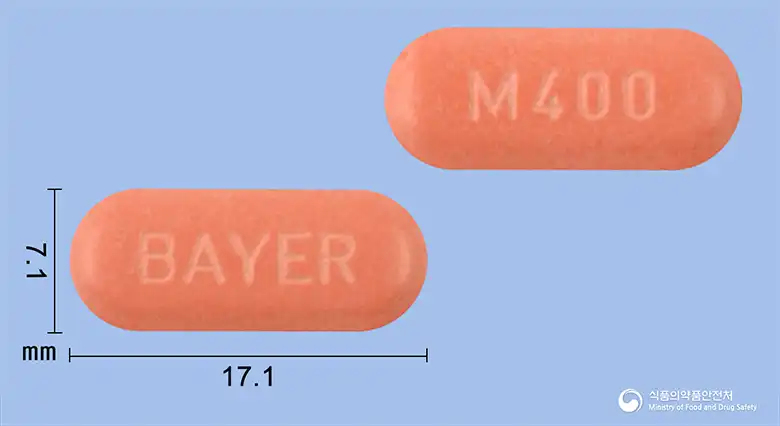
Moxifloxacin Hydrochloride 436.8mg
Tablet · Prescription medication
Bayer Korea Co., Ltd.
Moxifloxacin Hydrochloride 1.744mg
Injections · Prescription medication
Bayer Korea Co., Ltd.
Moxifloxacin Hydrochloride 5.45mg
Eye drops · Prescription medication
Novartis Korea Co., Ltd.
Moxifloxacin Hydrochloride 5.45mg
Eye drops · Prescription medication
Samil Pharmaceutical Co., Ltd.
Moxifloxacin Hydrochloride 5.45mg
Eye drops · Prescription medication
Optus Pharmaceutical Co., Ltd.
Moxifloxacin Hydrochloride 5.45mg
Eye drops · Prescription medication
Hankook Hyutecs Pharmaceutical Co., Ltd.
Moxifloxacin Hydrochloride 5.45mg
Eye drops · Prescription medication
Daehwa Pharmaceutical Co., Ltd.
Even with the same ingredient, the dose and directions can differ by strength and dosage form. Talk to a doctor or pharmacist before switching from a medication you are already taking.
No questions yet.
For anything that needs medical judgment, consult a doctor or pharmacist.
This drug information is based on data provided by the Korea Ministry of Food and Drug Safety.
Consult a doctor or pharmacist for accurate dosage, administration, and usage instructions.