
 한국어
한국어 English
 日本語
日本語 中文(简体)
 Viewing now
Candesartan 16 mg (Candesartan Cilexetil)
Candesartan Cilexetil 16mg
Tablet · Prescription medication
Myungmoon Pharmaceutical Co., Ltd.
MFDS item code 200907796 · Notified 2009.10.29 · Insurance code 649805020
Treatment of essential hypertension and heart failure (with impaired left ventricular function)
This medication is used to effectively manage blood pressure in patients with essential hypertension. It is also effective for heart failure patients with impaired left ventricular function who require additional treatment with ACE inhibitors or have poor tolerance. This helps to alleviate heart failure symptoms and improve cardiac function. Thus, it can be safely used for the management of hypertension and heart failure.
For essential hypertension, an initial and maintenance dose of 8 to 16 mg of Candesartan Cilexetil is recommended, taken orally once daily. If blood pressure is not sufficiently controlled after four weeks of treatment at 16 mg once daily, the dose may be increased up to a maximum of 32 mg once daily. For heart failure, an initial dose of 4 mg once daily is recommended, with an increase of the dose by twofold at intervals of at least two weeks, up to a maximum of 32 mg once daily.
Safety and efficacy for adolescents and children under 18 years have not been established.
This medication poses a serious risk of harm to the fetus or newborn during pregnancy, so it must be discontinued immediately upon confirmation of pregnancy. It should not be used by individuals allergic to this medication or its components, pregnant or breastfeeding women, patients with severe liver dysfunction, or patients with hereditary angioedema. Caution is advised for the elderly, patients with hyperkalemia, patients with mild liver function impairment, and patients with heart valve disease or obstructive cardiomyopathy. Mild side effects such as dizziness, back pain, and respiratory infections may occur during this medication's usage, and in rare cases, severe allergic reactions, renal function impairment, or hypotension may occur, necessitating immediate consultation with healthcare providers if symptoms arise. Especially, patients with heart failure or compromised renal function should regularly monitor potassium levels and renal function for any abnormalities. Caution is required during driving or operating machinery due to potential dizziness or fatigue resulting from blood pressure reduction. Combining this medication with other antihypertensives or potassium-sparing diuretics may increase the risk of side effects, so consultation with a healthcare provider is necessary before use. Women who are pregnant or planning to become pregnant should not use this medication, and it is advisable to avoid use while breastfeeding. Safety and efficacy for children and adolescents have not been established, so usage is not recommended in these groups. In the case of overdose, symptoms may include hypotension, dizziness, and tachycardia; appropriate treatment should be sought immediately at a medical institution. This medication should be stored out of reach of children and should not be transferred to another container.
Hives, severe swelling (edema), chest tightness, difficulty breathing, cold sweats, pallor, severe rash with fever, blisters, peeling skin, pain in oral/ocular mucous membranes, shortness of breath or difficulty breathing, asthma attacks, respiratory issues with cough + fever, jaundice (yellowing of skin or eyes), extreme lethargy, sudden and severe headache, thunderclap headache, seizures, altered consciousness, visual disturbances, paralysis, urination
Not everyone experiences these, and they can vary from person to person.
This medication should be stored in a tightly sealed container to protect it from air and moisture. It is advisable to keep the storage temperature between 1 and 30 degrees Celsius. Storing it this way ensures the medication's efficacy is safely maintained.
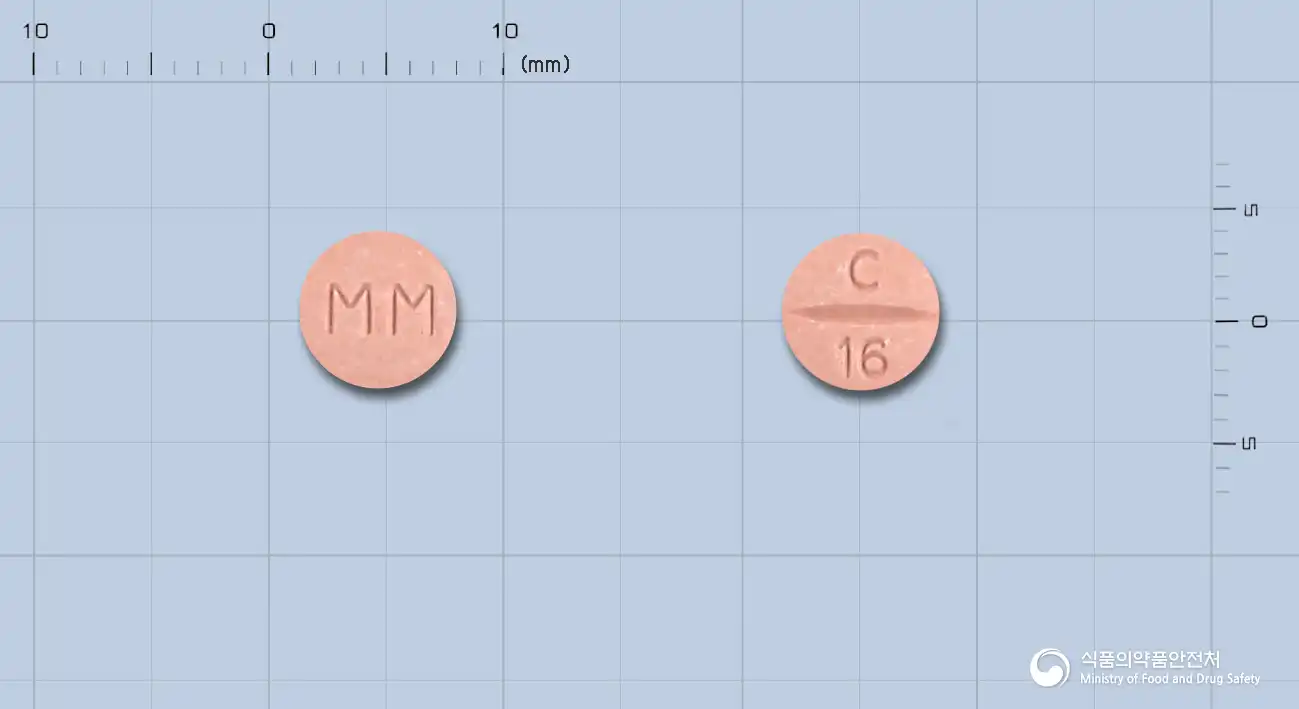
Round tablets with a convex face, light yellowish-pink in color.
30 tablets/bottle, 100 tablets/bottle, 30 tablets (10 tablets/PTP*3, for export)
Even with the same ingredient, strength, dosage form and how it is taken can differ.
Viewing nowCandesartan Cilexetil 16mg
Tablet · Prescription medication
Myungmoon Pharmaceutical Co., Ltd.
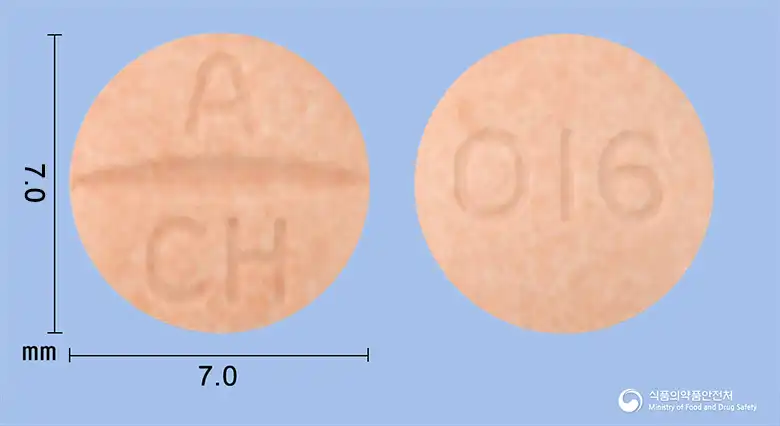
Candesartan Cilexetil 16mg
Tablet · Prescription medication
Yuhans Chemical Co., Ltd.
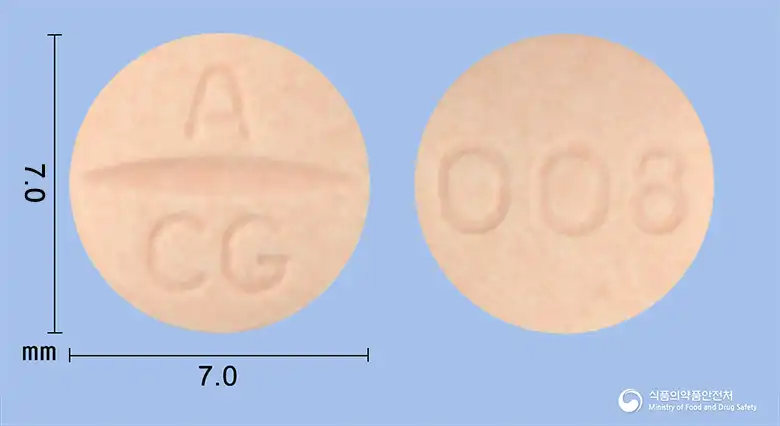
Candesartan Cilexetil 8mg
Tablet · Prescription medication
Yuhan Corporation
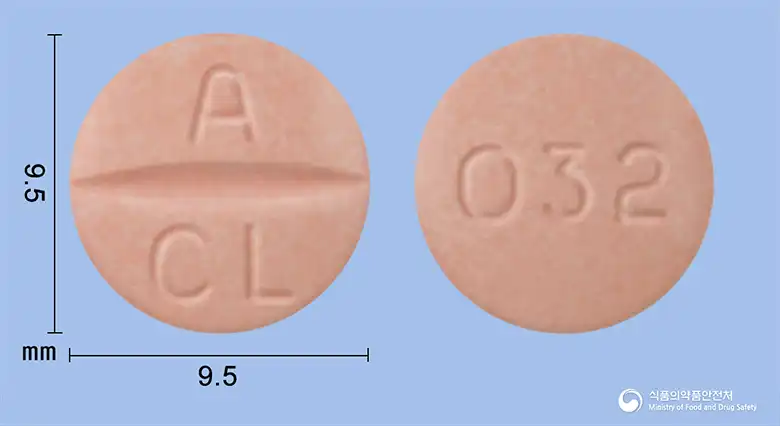
Candesartan Cilexetil 32mg
Tablet · Prescription medication
DKSH Korea Co., Ltd.
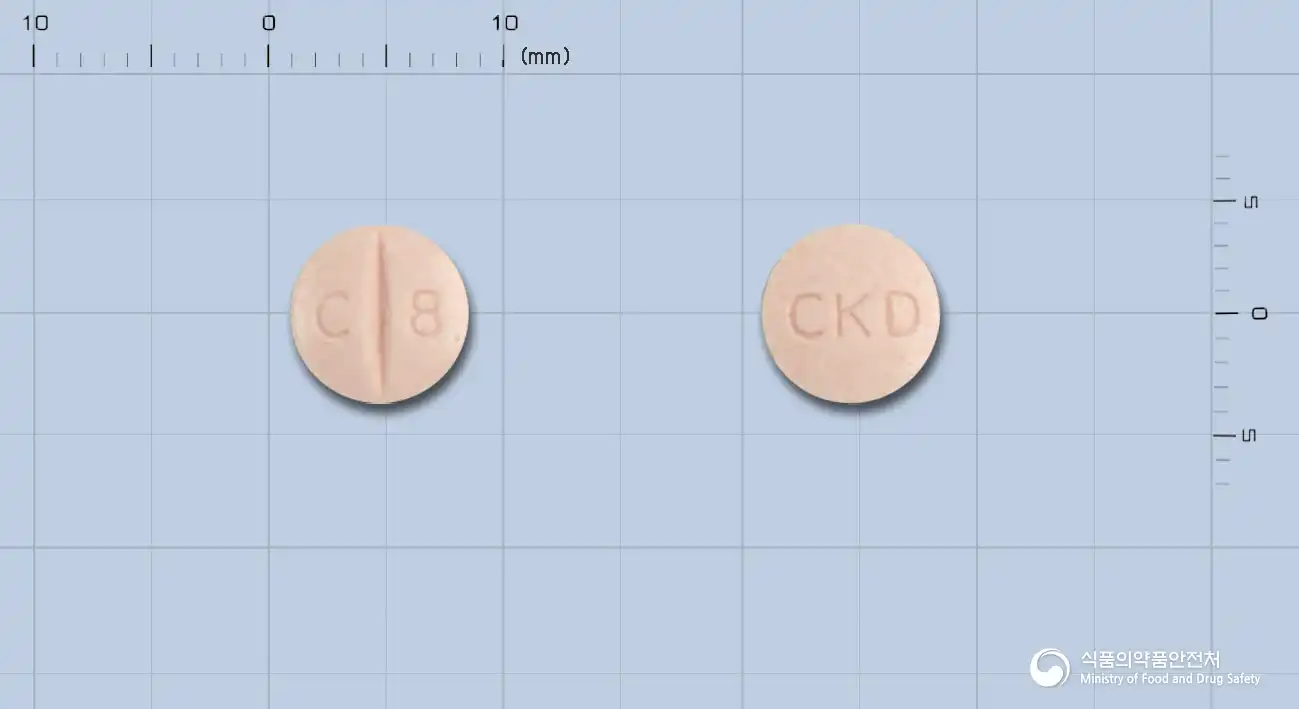
Candesartan Cilexetil 8mg
Tablet · Prescription medication
Jong Kun Dang Co., Ltd.
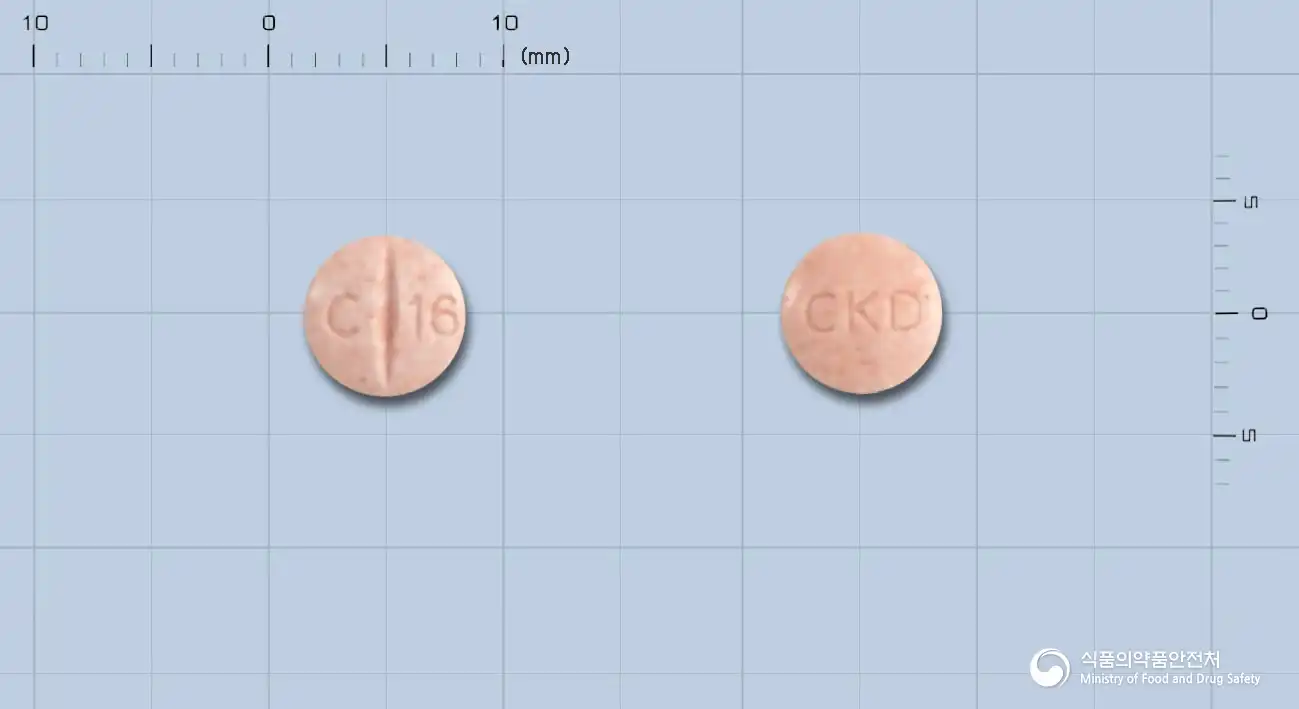
Candesartan Cilexetil 16mg
Tablet · Prescription medication
Jongkundang Co., Ltd.
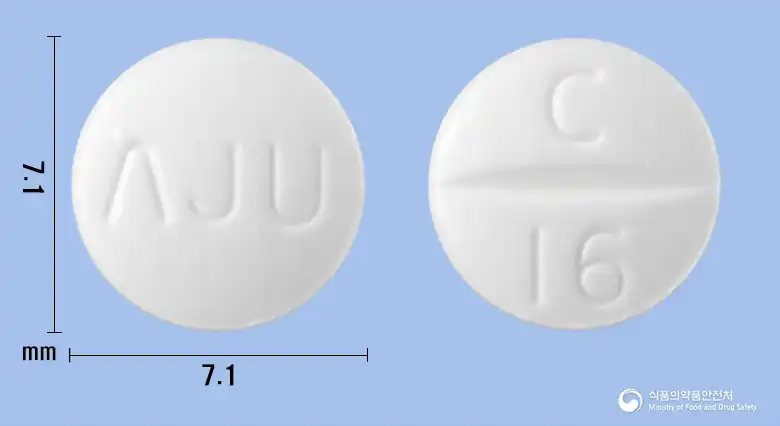
Candesartan Cilexetil 16mg
Tablet · Prescription medication
Ajou Pharmaceutical Co., Ltd.
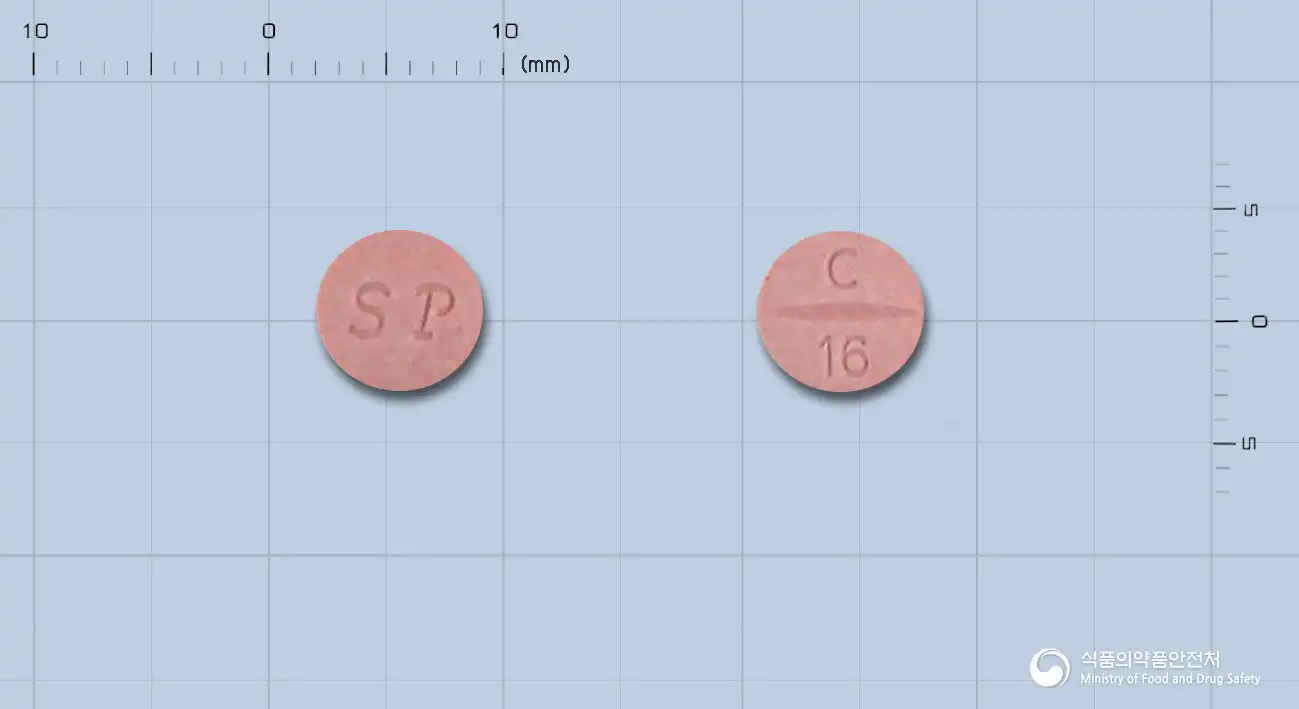
Candesartan Cilexetil 16mg
Tablet · Prescription medication
ShinPoong Pharmaceutical Co., Ltd.
Even with the same ingredient, the dose and directions can differ by strength and dosage form. Talk to a doctor or pharmacist before switching from a medication you are already taking.
No questions yet.
For anything that needs medical judgment, consult a doctor or pharmacist.
This drug information is based on data provided by the Korea Ministry of Food and Drug Safety.
Consult a doctor or pharmacist for accurate dosage, administration, and usage instructions.