
 한국어
한국어 English
 日本語
日本語 中文(简体)
Dosage form image
Viewing nowZero Tablets 150mg (Dexibuprofen)
Dexibuprofen 150mg
Tablet · OTC medication
Samil Pharmaceutical Co., Ltd.
MFDS item code 200906966 · Notified 2009.09.17
This product's status changed to Expired on 2024.01.01. It may no longer be sold, so consult a doctor or pharmacist before taking it.
Treatment of chronic multifocal arthritis and rheumatoid arthritis (arthrosis, ankylosing spondylitis) and relief of inflammation and pain.
This medication is effective for various joint diseases, such as chronic multifocal arthritis, rheumatoid arthritis, arthrosis, and ankylosing spondylitis. It also alleviates painful swelling and inflammation that occur after trauma or surgery, and assists in the treatment of infections accompanied by inflammation, pain, or fever. Overall, this medication is used to reduce inflammation and pain and improve discomfort.
As dexibuprofen, take 300 mg orally 2-4 times daily with meals. However, do not exceed 1,200 mg as dexibuprofen.
As dexibuprofen, administer approximately 15 mg per kg of body weight orally divided into 2-4 doses daily. Children weighing less than 30 kg should not exceed a total daily dose of 300 mg.
This medication may increase the risk of gastrointestinal bleeding if taken by individuals who regularly consume more than three alcoholic beverages daily, so consultation with a doctor or pharmacist is required. This medication may increase the risk of cardiovascular diseases, thus caution is necessary for patients with heart or vascular diseases or risk factors. If cardiovascular symptoms occur, immediate consultation with medical personnel is required. Serious gastrointestinal adverse reactions such as gastrointestinal bleeding, ulcers, or perforation may occur, so elderly patients or those taking it for an extended period should exercise caution. Patients with a history of gastrointestinal ulcers or bleeding should not take this medication, nor should those with severe liver, kidney, or heart diseases. Patients with a history of allergic reactions or asthma should also refrain from using this medication. Pregnant women over six months should avoid taking this medication, as it may harm the fetus. It is recommended not to take this medication in conjunction with other non-steroidal anti-inflammatory drugs, aspirin, or high doses of methotrexate. While taking this medication, one should be cautious about dizziness or fatigue when driving or operating machinery, and breastfeeding mothers should stop breastfeeding or discontinue the medication. Patients with abnormalities in blood, liver impairment, kidney impairment, hypertension, or heart failure should always consult with a doctor or pharmacist before use. While taking this medication, regular blood tests and liver and kidney function tests should be conducted, and if abnormal symptoms occur, immediate consultation with medical personnel is necessary. If severe allergic reactions, skin rashes, gastrointestinal symptoms, respiratory difficulties, liver dysfunction, or kidney issues occur, stop taking the medication immediately and consult medical personnel. It is recommended to take this medication at the minimum effective dose and for the shortest duration possible, with caution necessary for prolonged use. In the case of overdose, even in the absence of symptoms, it is necessary to visit a medical institution promptly for appropriate treatment. Store this medication out of reach of children, avoiding direct sunlight, in a cool and dry place.
Not everyone experiences these, and they can vary from person to person.
This medication must be stored in a tightly sealed container to protect it from air and moisture. Additionally, it is safest to keep the medication at room temperature, between 1 to 30 degrees Celsius, away from extreme heat or cold.
Light blue diamond-shaped film-coated tablets
20 tablets/bottle
Even with the same ingredient, strength, dosage form and how it is taken can differ.
Dexibuprofen 150mg
Tablet · OTC medication
Samil Pharmaceutical Co., Ltd.
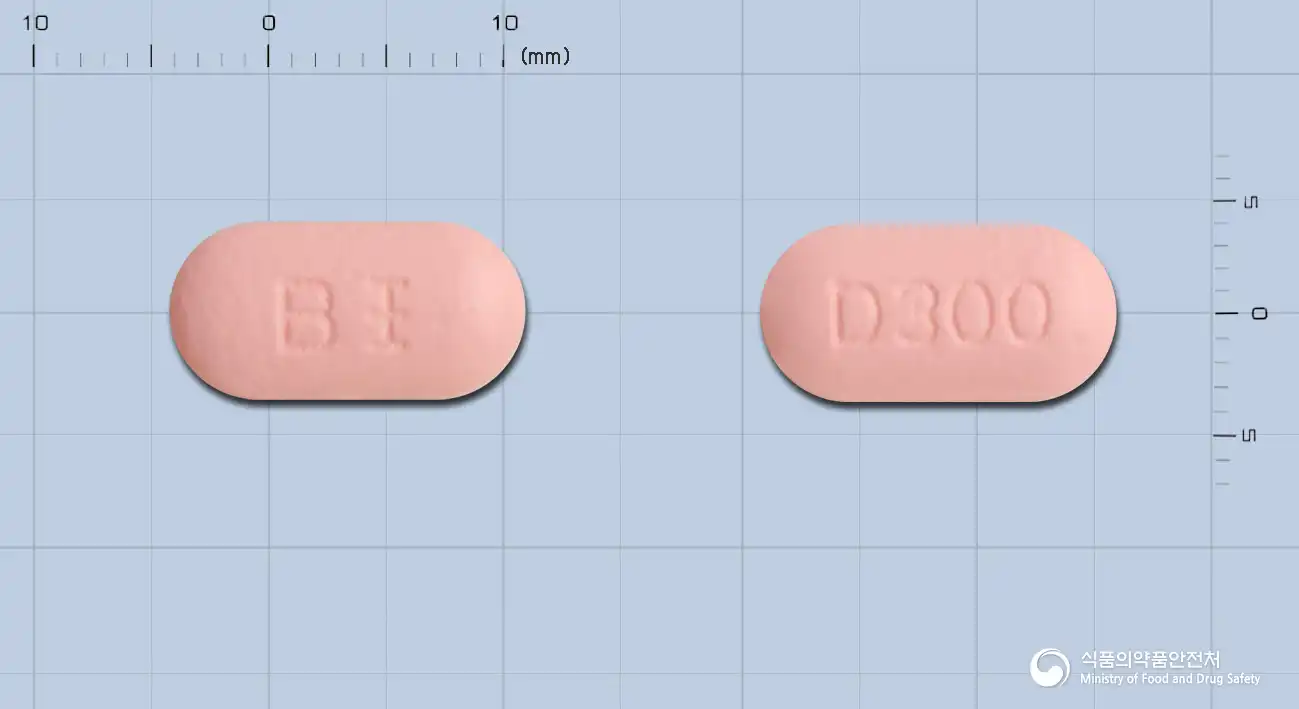
Dexibuprofen 300mg
Tablet · OTC medication
Bionex Co., Ltd.

Dexibuprofen 300mg
Tablet · OTC medication
Anguk Pharmaceutical Co., Ltd.
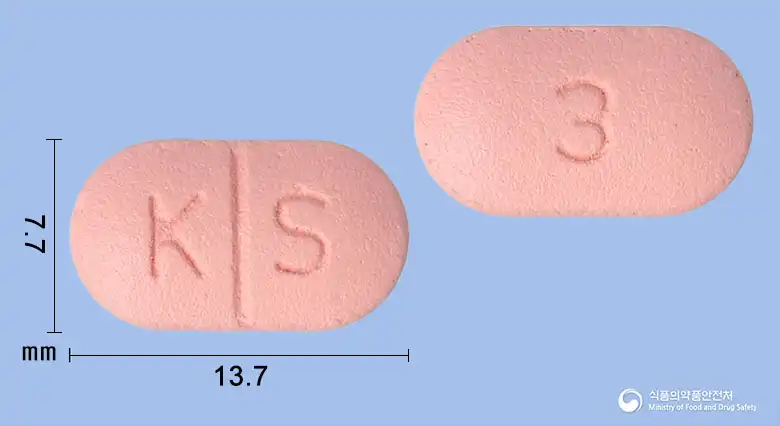
Dexibuprofen 300mg
Tablet · OTC medication
Aprogen Pharmaceuticals, Co., Ltd.
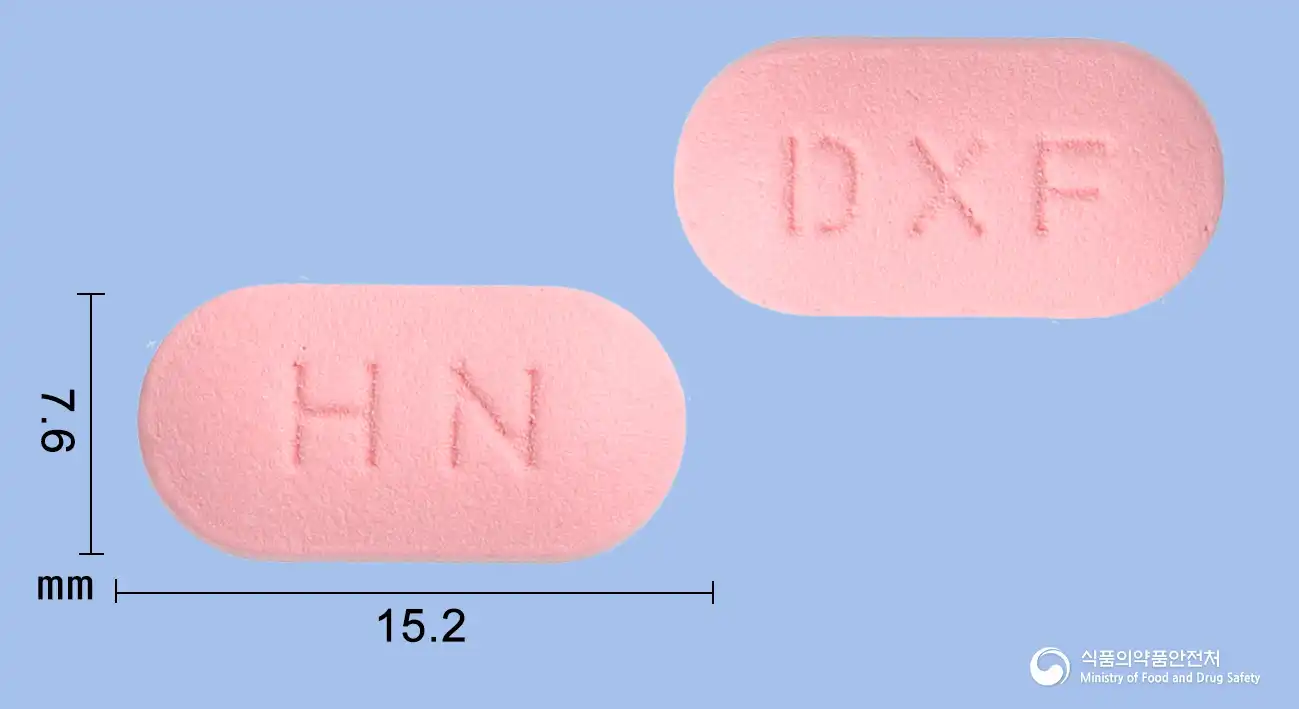
Dexibuprofen 300mg
Tablet · OTC medication
Hana Pharmaceutical Co., Ltd.
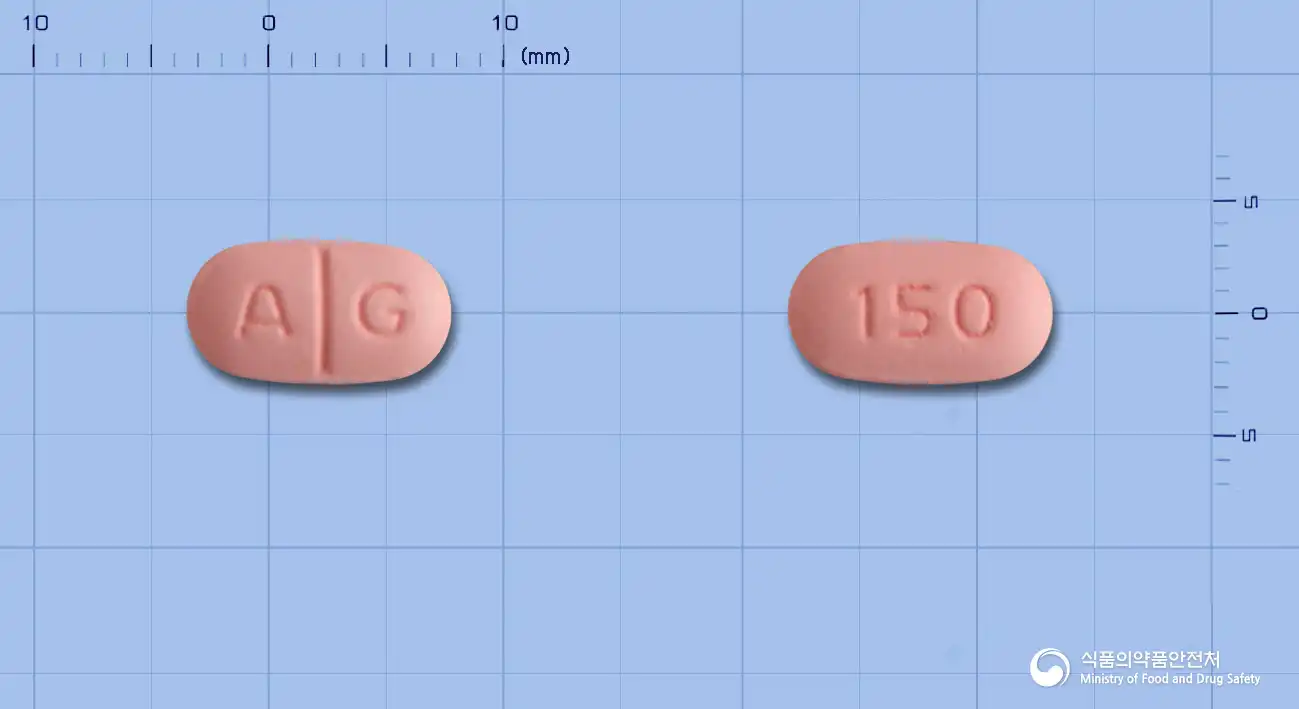
Dexibuprofen 150mg
Tablet · OTC medication
Anguk Pharm Co., Ltd.
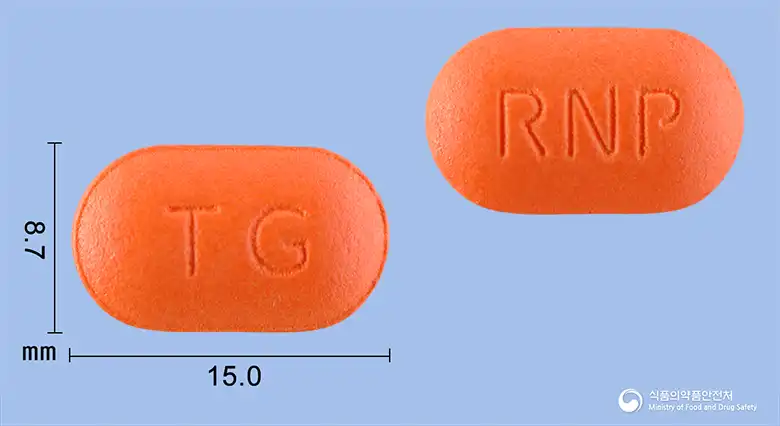
Dexibuprofen 300mg
Tablet · OTC medication
Taeguk Pharmaceutical Co., Ltd.
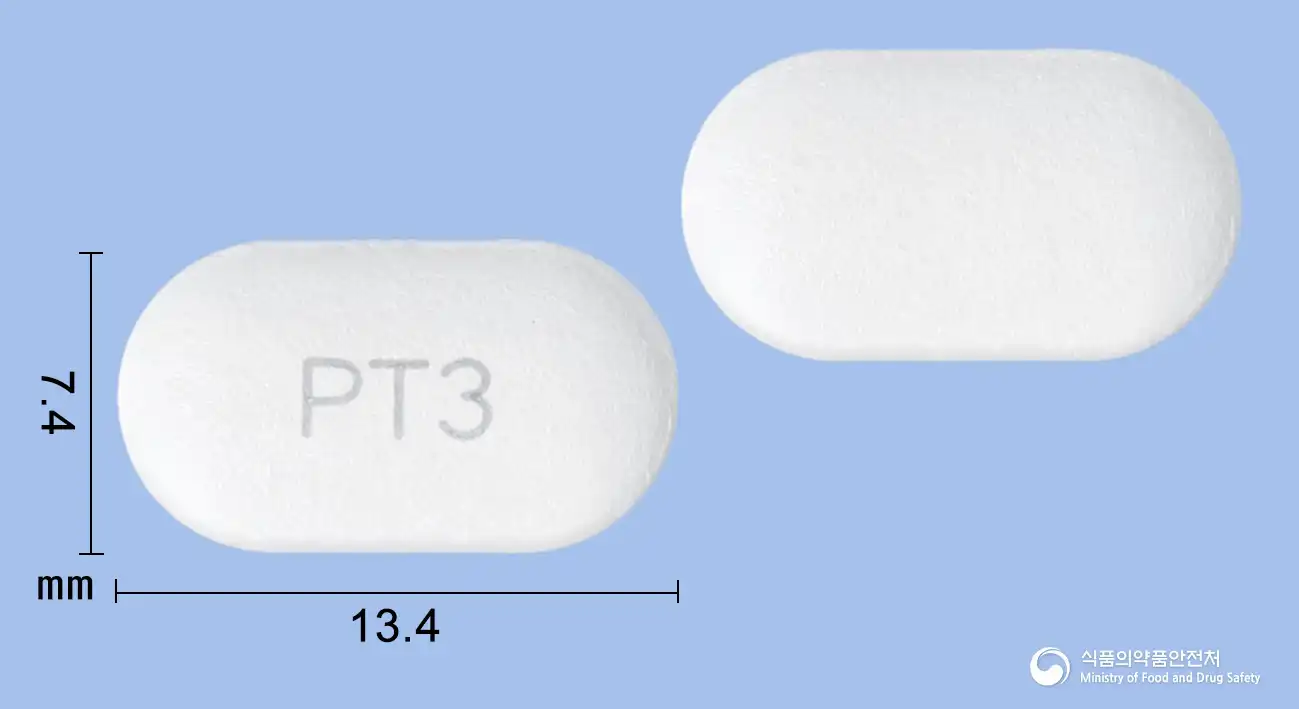
Dexibuprofen 300mg
Tablet · OTC medication
Genupharm Co., Ltd.
Even with the same ingredient, the dose and directions can differ by strength and dosage form. Talk to a doctor or pharmacist before switching from a medication you are already taking.
No questions yet.
For anything that needs medical judgment, consult a doctor or pharmacist.
This drug information is based on data provided by the Korea Ministry of Food and Drug Safety.
Consult a doctor or pharmacist for accurate dosage, administration, and usage instructions.