
 한국어
한국어 English
 日本語
日本語 中文(简体)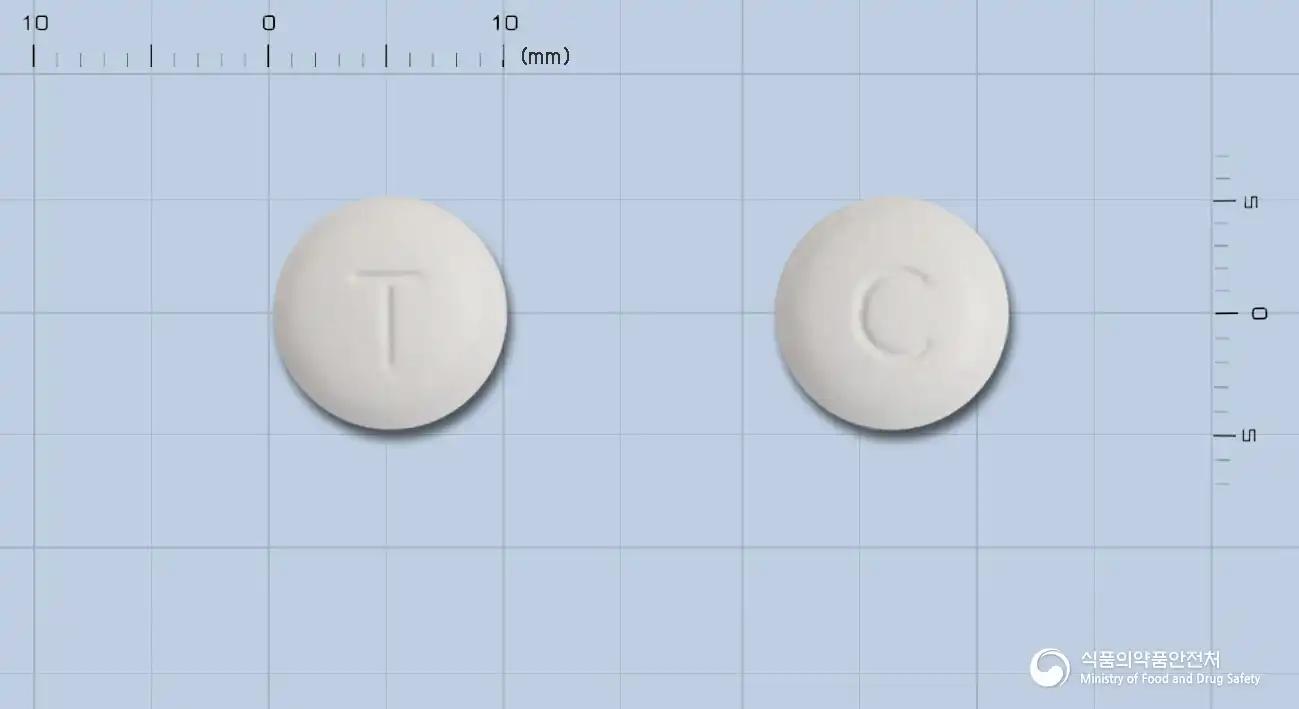
Summary
- Main use
- Improvement of melasma
- Who takes it
- Adults · Children
- Adult dose
- For individuals aged 15 and over, take 2 tablets at a time, 3 times a day after meals.
- Child dose
- Do not administer to children under 15 years.
Ingredients
- Tranexamic Acid125mg / 1 tablet
- Ascorbic Acid Coated53mg / 1 tablet
- L-Cysteine40mg / 1 tablet
- Calcium Pantothenate4mg / 1 tablet
- Pyridoxine Hydrochloride1mg / 1 tablet
- Manufacturer
- 현대약품(주)
Efficacy & effects
Improvement of melasma
- Melasma
View approved original textHide original text
Melasma is a brown spot that occurs on the skin, primarily on the face, and can cause cosmetic concerns. This medication is used to relieve melasma and to improve skin health by evening out skin tone.
How to take
Adult dose
For individuals aged 15 and over, take 2 tablets at a time, 3 times a day after meals.
Child dose
Do not administer to children under 15 years.
Precautions
This medication should not be taken by individuals who are currently taking other medications containing tranexamic acid. Additionally, those receiving thrombin injections should not use this medication. Patients with severely impaired kidney function or hepatic coma should refrain from using this medication. Those with allergies to this medication or its ingredients should not take it. It may pose risks to those with thrombosis, such as cerebral thrombosis, myocardial infarction, phlebitis, or pulmonary embolism. It may be necessary to consult with a doctor, dentist, or pharmacist before taking this medication in certain situations. Individuals currently undergoing treatment, those who are pregnant or may become pregnant, and those over 55 should consult a professional. Those with allergic tendencies, or those who have experienced allergic reactions to medications should exercise caution. People at risk of thrombosis, such as those with a personal or familial history of thrombosis or specific blood clotting disorders, and those currently taking oral contraceptives or hormone replacement therapy should also seek advice. Care should be taken by individuals with kidney impairments or cystinuria. If there is difficulty distinguishing whether one's skin spots are the type of melasma this medication is intended to treat, it is advised to consult a dermatologist. If rash or itching appears on the skin after taking this medication, or if gastrointestinal symptoms such as diarrhea, nausea, vomiting, abdominal pain, loss of appetite, or heartburn occur, stop taking the medication immediately and consult a doctor or pharmacist. Throughout use, initial symptoms of thrombosis should be monitored. If severe headaches, a sensation of the tongue twisting, chest pain lasting more than 10 minutes, sudden shortness of breath, pain or swelling in one leg, unexplained shortness of breath, or transient loss of consciousness occurs with chest pain, consult medical personnel immediately. It is important not to take this medication continuously for more than 2 months. If discontinued and then resumed, at least a 2-month interval should be observed, and one should not take it for more than 2 months. The effectiveness for improvement of melasma varies individually and may not completely disappear. This medication can affect the results of urine or stool tests; therefore, inform your physician if you are taking a preparation containing vitamin C during medical examinations. In cases of overdose, symptoms such as nausea, vomiting, and orthostatic hypotension may xảy ra, necessitating treatment including inducing vomiting, gastric lavage, or administration of activated charcoal. Adequate fluid intake should be ensured to promote renal excretion, and those at risk of thrombosis may consider anticoagulant therapy. For storage, this medication should be kept in a light-blocking, tightly sealed container and stored at room temperature between 1 degree and 30 degrees Celsius. This will help maintain the medication's effectiveness and prevent deterioration. Finally, caution should be exercised due to reports of retinal changes in dogs after long-term administration of high doses in animal studies.
Side effects and when to seek care immediately
Serious side effects
- Severe headache
- Chest tightness
- Sudden shortness of breath, difficulty breathing
- Pain and swelling in one calf
- Sudden unexplained shortness of breath
- Transient loss of consciousness accompanied by chest pain
Mild side effects
- Skin rash, itching
- Diarrhea, nausea, vomiting, abdominal pain, loss of appetite, heartburn
- Nausea, vomiting, orthostatic hypotension
Not everyone experiences these, and they can vary from person to person.
Interactions
Drug interactions
Do not take this medication with tranexamic acid or thrombin. Consult a doctor or pharmacist if using oral contraceptives or hormone replacement therapy.
Storage
This medication should be stored in a light-blocking airtight container and kept at room temperature between 1 degree and 30 degrees Celsius. This way of storage ensures the maintenance of the medication’s effectiveness and prevents deterioration.
Appearance and packaging
Appearance
White round film-coated tablet
Package unit
Bottle - 180 tablets/bottle
Questions about this medicine
No questions yet.
For anything that needs medical judgment, consult a doctor or pharmacist.