
 한국어
한국어 English
 日本語
日本語 中文(简体)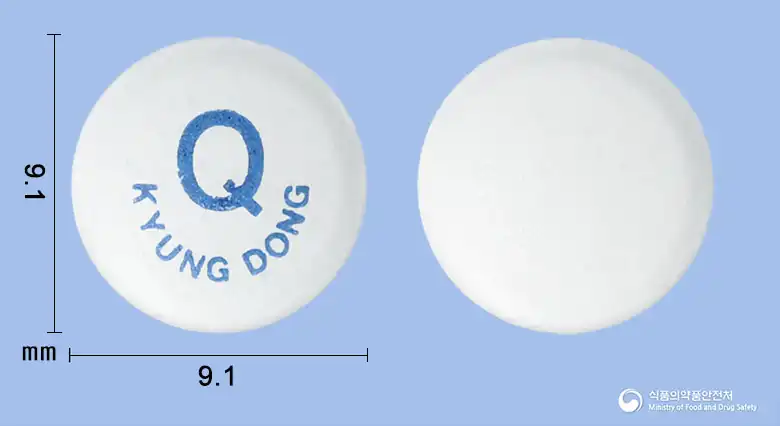
Summary
- Main use
- Relief from pain such as headaches, toothaches, and antipyretic effects for chills and fever.
- Who takes it
- Adults
- Adult dose
- Adults (15 years and older): Take 2 tablets per dose, 3 times a day. Take with food to avoid an empty stomach, and ensure a dosing interval of at least 4 hours.
Ingredients
- Ibuprofen75mg / 1 tablet
- Allylisopropylacetylurea30mg / 1 tablet
- Anhydrous Caffeine40mg / 1 tablet
- Magnesium Oxide50mg / 1 tablet
- Manufacturer
- 경동제약(주)
Efficacy & effects
Relief from pain such as headaches, toothaches, and antipyretic effects for chills and fever.
- Headaches
- toothaches
- post-extraction pain
- sore throat
- ear pain
- joint pain
- neuralgia
- low back pain
- muscle pain
- shoulder pain
- contusion pain
- fracture pain
View approved original textHide original text
This medication helps relieve various types of pain, including headaches, toothaches, and pain after tooth extraction. It is also effective for sore throat, ear pain, joint pain, neuralgia, low back pain, muscle pain, shoulder pain, contusion, fracture pain, sprains, menstrual pain, and trauma pain. Moreover, it is used to improve symptoms such as chills and fever. In summary, this medication is used to relieve various pains and fever symptoms.
How to take
Adult dose
Adults (15 years and older): Take 2 tablets per dose, 3 times a day. Take with food to avoid an empty stomach, and ensure a dosing interval of at least 4 hours.
Precautions
Individuals who regularly consume more than three alcoholic drinks per day must consult with a doctor or pharmacist before taking this medication. Heavy alcohol consumption while taking this drug may cause gastrointestinal bleeding. The non-steroidal anti-inflammatory drug (NSAID) component in this medication may pose a risk of cardiovascular issues. It can especially increase the possibility of serious thrombotic reactions such as myocardial infarction or stroke, so individuals with cardiovascular diseases or risk factors should exercise caution. This drug may also raise the risk of serious issues such as gastrointestinal bleeding, ulcers, or perforation. Older adults are at a higher risk of these gastrointestinal problems and should be especially careful when taking this medication. Individuals with peptic ulcers or serious blood disorders, those allergic to this medication's components, or those with a history of asthma should not use this medication. Women who are pregnant or may become pregnant, as well as those who are breastfeeding, should not take this medication as a precaution. While taking this drug, specific medications should not be used simultaneously. For example, concurrent use of certain diuretics, antihypertensives, anticoagulants, aspirin, lithium, and methotrexate may increase the risk of side effects. Avoid alcohol while using this medication, and refrain from driving or operating machinery due to possible drowsiness. Long-term use is not recommended, and if symptoms do not improve, stop taking the medication and consult with a doctor. Before taking this drug, individuals with peptic ulcers, liver dysfunction, kidney disorders, heart failure, systemic lupus erythematosus, older adults, and those on specific medications must consult with a specialist. If symptoms such as nausea, abdominal pain, heartburn, headache, dizziness, skin rash, jaundice, hematuria, or swelling occur during treatment, discontinue use immediately and consult a doctor. It is advisable to take this medication for the shortest duration possible at the lowest effective dose, and regular blood tests and liver and kidney function tests may be necessary. Finally, keep this medication out of reach of children, avoid direct sunlight, and store it in a cool, dry place.
Side effects and when to seek care immediately
Serious side effects
Hives, severe swelling (edema), anaphylactic reactions (severe allergic reactions), severe cardiovascular thrombosis, myocardial infarction, stroke, gastrointestinal bleeding, gastrointestinal ulcers, gastrointestinal perforation, severe skin reactions (Stevens-Johnson syndrome, toxic epidermal necrolysis, erythema multiforme, DRESS syndrome, acute generalized exanthematous pustulosis (AGEP)), asthma attacks, difficulty breathing, jaundice, severe liver reactions, thyroid disorders
Mild side effects
Nausea, abdominal bloating, stomach pain, heartburn, loss of appetite, diarrhea, constipation, vomiting, gastritis, stomatitis, headache, depression, dizziness, insomnia, anxiety, consciousness disturbances, tinnitus, hearing loss, amblyopia, purpura, itching, rashes, unspecified peripheral eosinophilia and systemic syndrome, unspecified photosensitivity reactions, unspecified Churg-Strauss syndrome, symptoms of anemia, prolonged bleeding time, metabolic acidosis
Not everyone experiences these, and they can vary from person to person.
Interactions
Drug interactions
Do not take this medication with other analgesics, cold medications, sedatives, anti-motion sickness drugs, probenecid, sulfinpyrazone, digoxin, phenytoin, baclofen, diuretics, antihypertensives, ACE inhibitors, furosemide, aspirin, lithium, methotrexate, and oral anticoagulants (such as warfarin).
Storage
Store this medication in a tightly sealed container to prevent exposure to air and at a temperature between 1 to 30 degrees Celsius. This storage condition helps maintain the drug's effectiveness.
Appearance and packaging
Appearance
White round film-coated tablet
Package unit
10 tablets/PTP X 1
Questions about this medicine
No questions yet.
For anything that needs medical judgment, consult a doctor or pharmacist.