
 한국어
한국어 English
 日本語
日本語 中文(简体)
 Viewing now
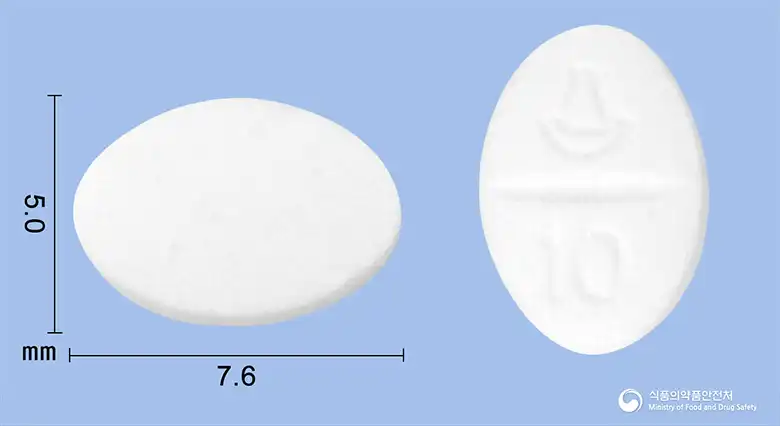
Claritin Tablet (Loratadine)
Loratadine 10mg
Tablet · OTC medication
Bayer Korea Co., Ltd.
MFDS item code 200905692 · Notified 2009.07.20
Relief of symptoms of allergic rhinitis (sneezing, nasal congestion) and chronic idiopathic urticaria
This medication is used to alleviate symptoms such as sneezing, nasal congestion, itching, and burning sensation in the eyes caused by allergic rhinitis. It is also effective in treating chronic idiopathic urticaria. It helps reduce the discomfort of key symptoms and improves the quality of life.
Adults and children over 6 years old weighing more than 30 kg should take loratadine 10 mg orally once a day.
Children under 6 years of age and/or those weighing less than 30 kg should consult a doctor or pharmacist.
This medication should not be taken by individuals who are allergic to the active ingredient or its metabolites, or any of its components. Children under 6 years of age and women who are pregnant or breastfeeding should also not use this medication. This medication contains lactose, so individuals with lactose intolerance or specific genetic metabolic disorders should avoid taking it. It is advisable not to take this medication concurrently with other medications such as cimetidine, erythromycin, ketoconazole, quinidine, fluconazole, or fluoxetine. Taking these medications together may inhibit the breakdown of this medication and can increase its concentration in the body, so caution is advised. Particularly, when taking other medications that affect liver function, consult with a physician. This medication can be passed through breast milk, so it is safer for breastfeeding women not to take it. Patients with liver or kidney function issues should always consult with a healthcare professional before taking this medication. Side effects such as drowsiness, headache, dry mouth, gastrointestinal disturbances, and skin rashes may occur after taking this medication; if these symptoms arise, consult a professional immediately. In case of overdose, symptoms such as drowsiness, rapid heartbeat, and headache may appear; in such cases, seek appropriate treatment from a hospital immediately. This medication may require emergency measures such as inducing vomiting or gastric lavage, and it is not removed by dialysis, so professional management is important. The safety in children has not been sufficiently studied compared to adults, so caution is needed. Women who are pregnant are advised to avoid taking this medication whenever possible, and those who are planning to become pregnant or are pregnant should consult with healthcare providers. This medication does not significantly affect the driving or operation of machinery, but drowsiness may occur rarely, so caution is needed. Finally, this medication should be stored out of the reach of children and sealed in its original container. Transferring it to another container may pose a risk of misuse or quality degradation, so utmost care should be taken.
Sedation, anticholinergic effects, headache, fainting, drowsiness, dry mouth, gastrointestinal disturbances (nausea, gastritis), increased appetite, tachycardia, fatigue, rash, alopecia, palpitations, dizziness, seizures
Not everyone experiences these, and they can vary from person to person.
Do not take this medication with cimetidine, erythromycin, ketoconazole, quinidine, fluconazole, fluoxetine, or drugs that inhibit liver metabolism.
This medication should be stored in a tightly sealed container to prevent exposure to air or moisture. A storage temperature between 1 degree and 30 degrees Celsius at room temperature is recommended.
White oval tablets
10 tablets/PTP, 30 tablets (15 tablets/PTP x 2)
Even with the same ingredient, strength, dosage form and how it is taken can differ.
Viewing nowLoratadine 10mg
Tablet · OTC medication
Bayer Korea Co., Ltd.
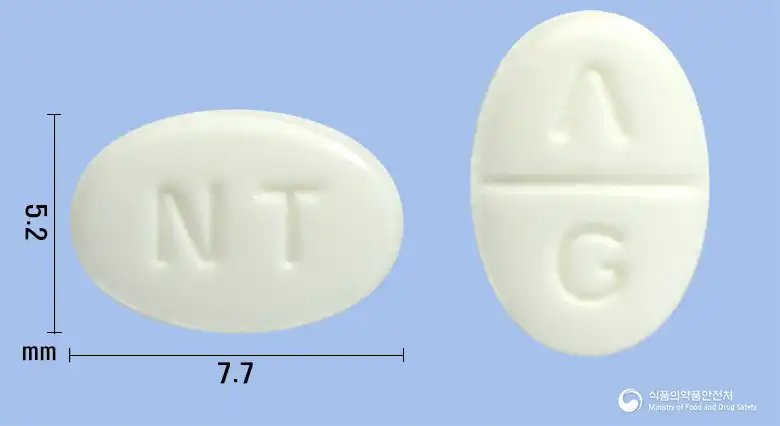
Loratadine 10mg
Tablet · OTC medication
Anguk Pharmaceutical Co., Ltd.
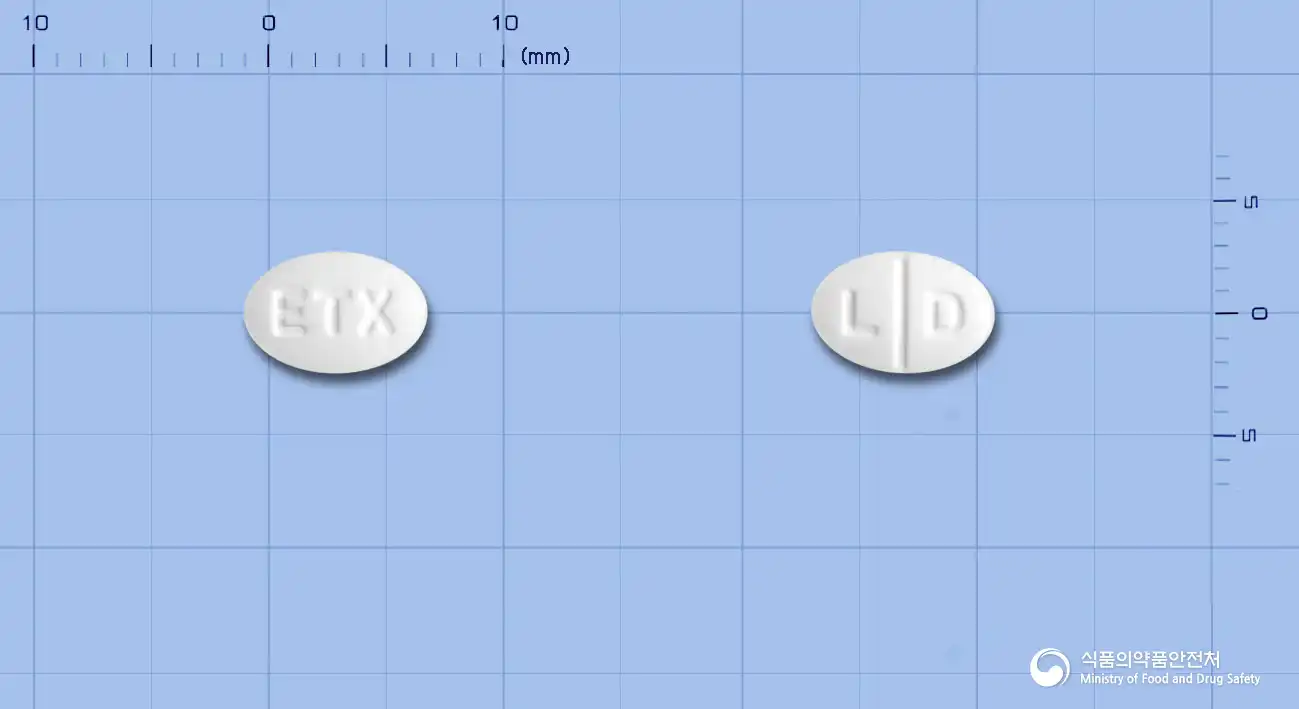
Loratadine 10mg
Tablet · OTC medication
Theragen Etex Co., Ltd.
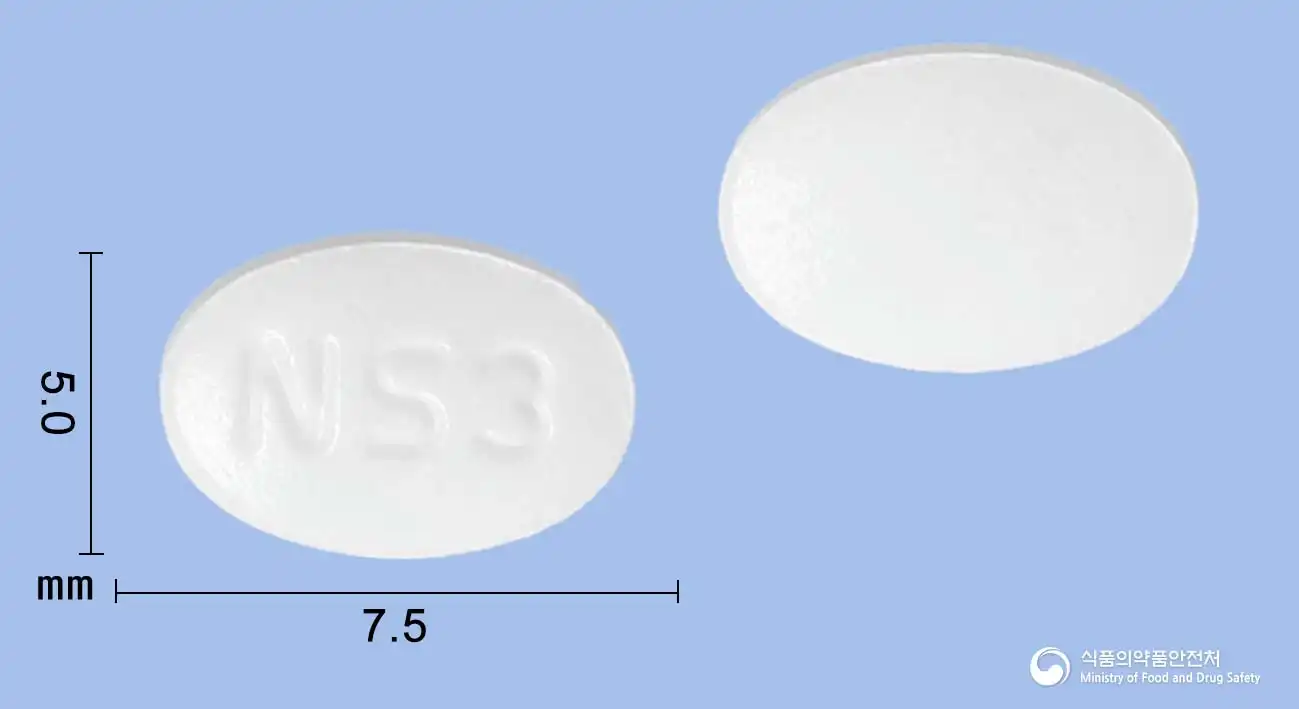
Loratadine 10mg
Tablet · OTC medication
Korea Nelson Pharmaceutical Co., Ltd.
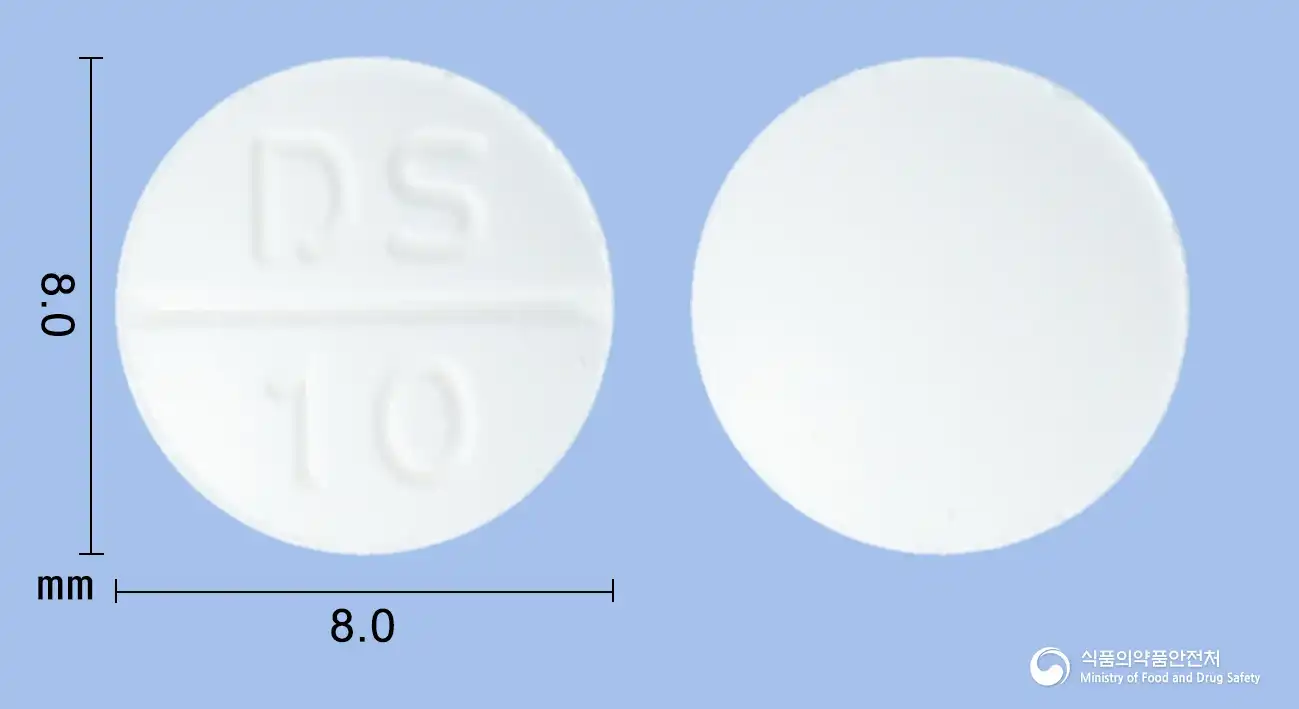
Loratadine 10mg
Tablet · OTC medication
Dongsung Pharmaceutical Co., Ltd.
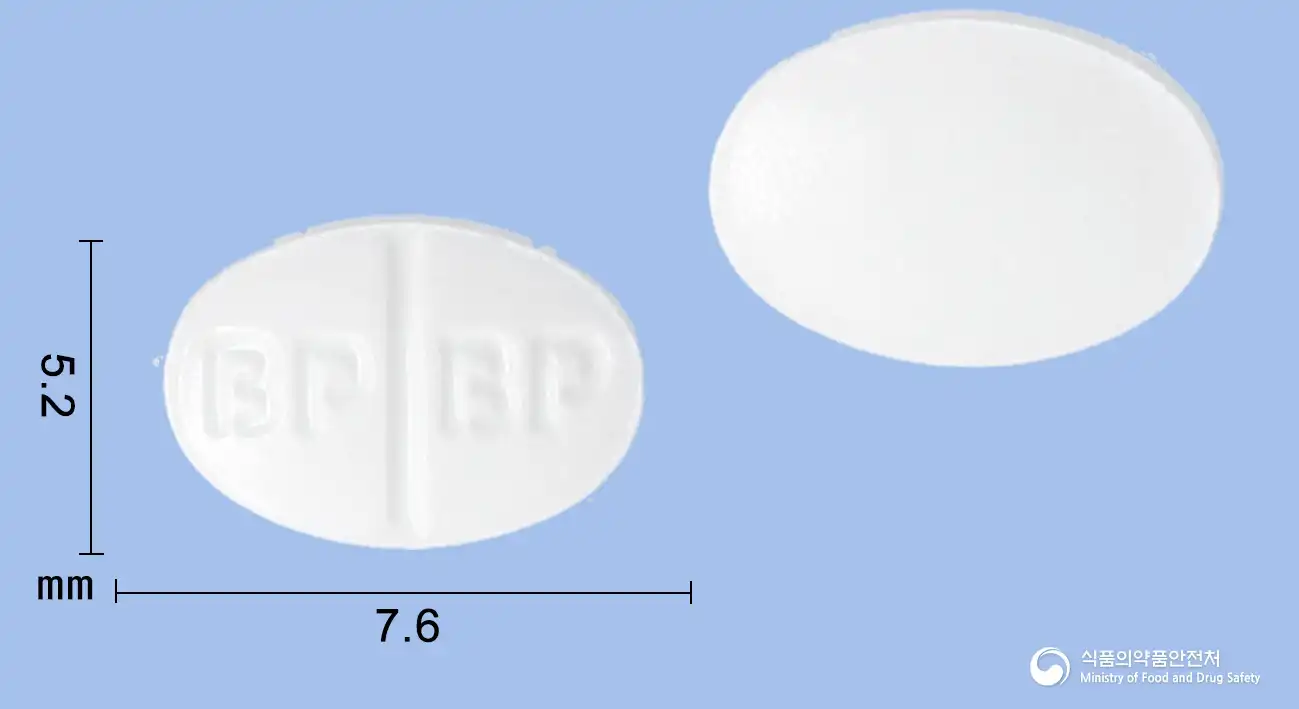
Loratadine 10mg
Tablet · OTC medication
(Co., Ltd.) Genupharm
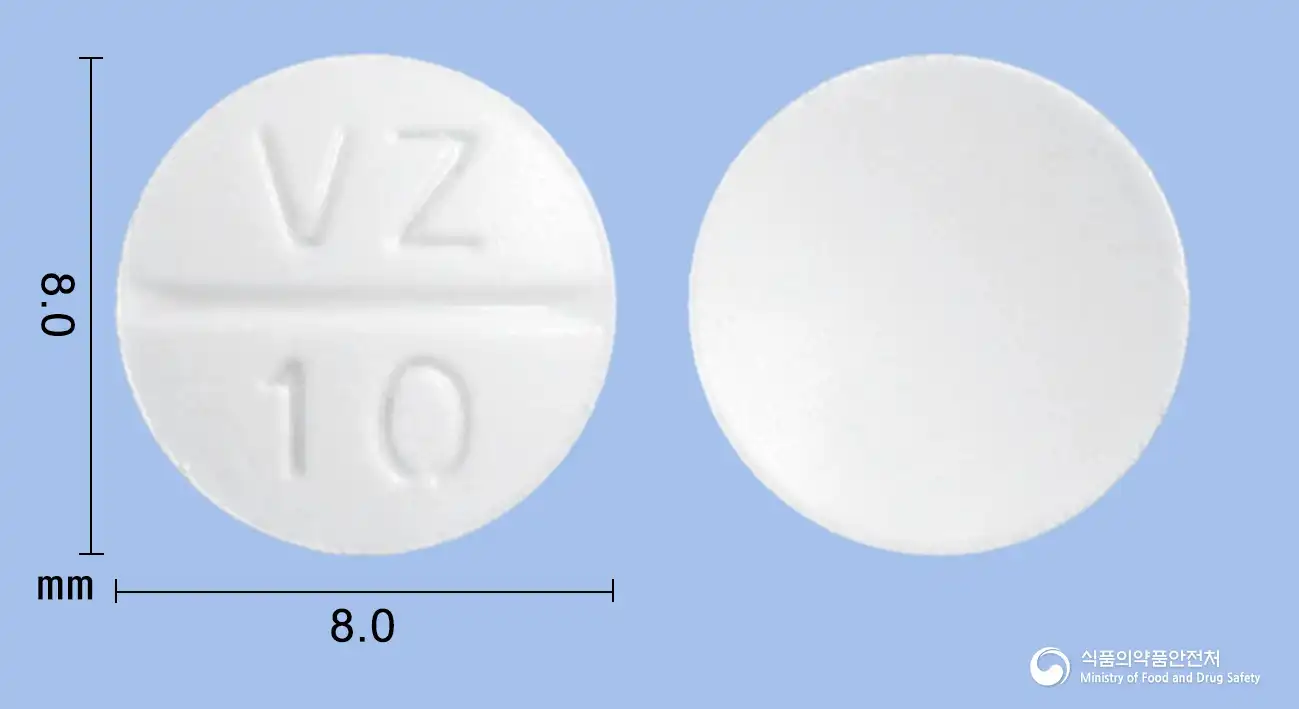
Loratadine 10mg
Tablet · OTC medication
Vivozon Pharmaceutical Co., Ltd.
Loratadine 0.1g
Syrup · OTC medication
Samik Pharmaceutical Co., Ltd.
Even with the same ingredient, the dose and directions can differ by strength and dosage form. Talk to a doctor or pharmacist before switching from a medication you are already taking.
No questions yet.
For anything that needs medical judgment, consult a doctor or pharmacist.
This drug information is based on data provided by the Korea Ministry of Food and Drug Safety.
Consult a doctor or pharmacist for accurate dosage, administration, and usage instructions.