
 한국어
한국어 English
 日本語
日本語 中文(简体)
Dosage form image
Viewing nowLevoquin Infusion Injection (Levofloxacin Hydrate)
Levofloxacin Hydrate 5.1246mg
Injections · Prescription medication
Daehan Pharmaceutical Industrial Co., Ltd.
MFDS item code 200903888 · Notified 2009.06.02 · Insurance code 645103762
Treatment of bacterial infections such as community-acquired pneumonia, complicated urinary tract infections.
This drug is effective against a variety of bacteria including Enterobacteriaceae, Staphylococcus aureus, and Streptococcus pneumoniae, and is used for community-acquired pneumonia, complicated urinary tract infections including acute pyelonephritis, complicated skin and soft tissue infections, acute sinusitis, and acute bacterial exacerbations of chronic bronchitis. In particular, as a fluoroquinolone, there is a potential for severe adverse reactions, so it is recommended to use this drug only when there are no other treatment options for acute bacterial sinusitis, acute bacterial exacerbations of chronic bronchitis, and complicated skin and soft tissue infections. Overall, this drug is effective in treating various types of infections, and caution is necessary for safe use.
Administered by slow intravenous infusion, 1 to 2 times a day. Infusion time must take at least 60 minutes. Dosage varies depending on indication, for example, community-acquired pneumonia is administered 1 to 2 times a day at 500mg per dose, acute pyelonephritis is administered once a day at 250mg. For patients with impaired kidney function, dosage adjustment is required according to creatinine clearance. The treatment duration should be at least 48 to 72 hours or longer depending on the condition.
This drug may cause tendon-related side effects such as tendinitis and tendon rupture, so caution is necessary, especially for elderly patients or those with impaired kidney function, or when taken with corticosteroids. Additionally, peripheral neuropathy and central nervous system side effects may occur; if these symptoms develop, treatment should be discontinued immediately. It is recommended to avoid use in patients with myasthenia gravis as it may worsen symptoms. During administration, the intravenous infusion time should be adequately observed, and if blood pressure drops sharply during infusion, treatment should be stopped immediately. This drug should not be administered to specific patient groups, such as patients with epilepsy, pregnant women, or children in a growth period. Prior to administering, a history of hypersensitivity should be checked, and during administration, if any allergic reactions such as rash or difficulty in breathing occur, it is important to stop the administration immediately and consult healthcare professionals. This drug may cause dizziness and drowsiness, so caution is required when driving or operating machinery. Diabetic patients should closely monitor blood glucose levels due to possible changes in blood sugar. This drug may interact with other medications, so it’s essential to inform healthcare professionals of any medications being taken. Although photosensitivity reactions are rare, it is advisable to avoid exposure to strong sunlight or ultraviolet light during administration. In case of overdose, central nervous system symptoms and cardiac rhythm abnormalities may occur, requiring immediate treatment and continuous ECG monitoring. This drug should be stored in a light-protective container and the external packaging should be kept intact; it should be used promptly after opening.
Hives, severe swelling (edema), chest tightness, difficulty breathing, cold sweat, pallor, severe allergic reactions, severe rash with high fever, blisters, skin peeling, pain in oral/ocular mucosa, severe skin reactions, shortness of breath or difficulty breathing, asthma attacks, respiratory abnormalities accompanied by cough and fever, jaundice (yellowing of skin or eyes), extreme lethargy, liver abnormalities (jaundice), sudden and severe symptoms.
Not everyone experiences these, and they can vary from person to person.
This drug is sensitive to light, so it should be stored in a container that prevents light exposure, and it is best to keep it at room temperature between 1 to 30 degrees Celsius. Storing it this way will help maintain the effectiveness of the drug.
[Domestic Use] A clear liquid with a pale yellow color and faint green tint in a plastic container injection. [For Export] A clear liquid with a pale yellow color and faint green tint in a glass injection.
Domestic use - 100 milliliters/bottle, For export - 50 milliliters/bottle, For export - 100 milliliters/bottle
Even with the same ingredient, strength, dosage form and how it is taken can differ.
Levofloxacin Hydrate 5.1246mg
Injections · Prescription medication
Daehan Pharmaceutical Industrial Co., Ltd.
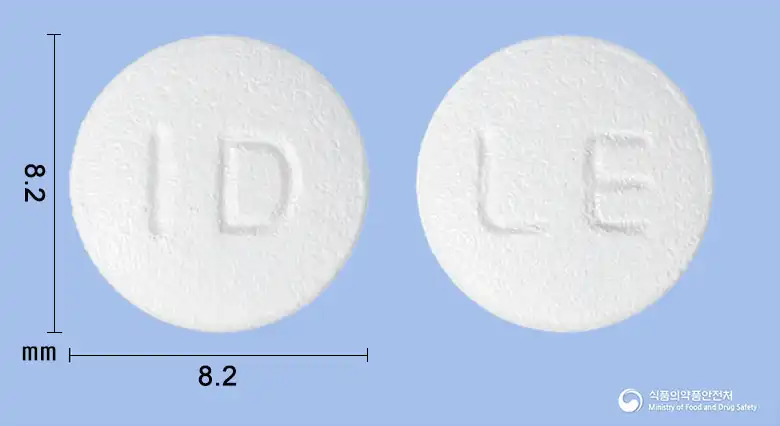
Levofloxacin Hydrate 100mg
Tablet · Prescription medication
Ildong Pharmaceutical Co., Ltd.
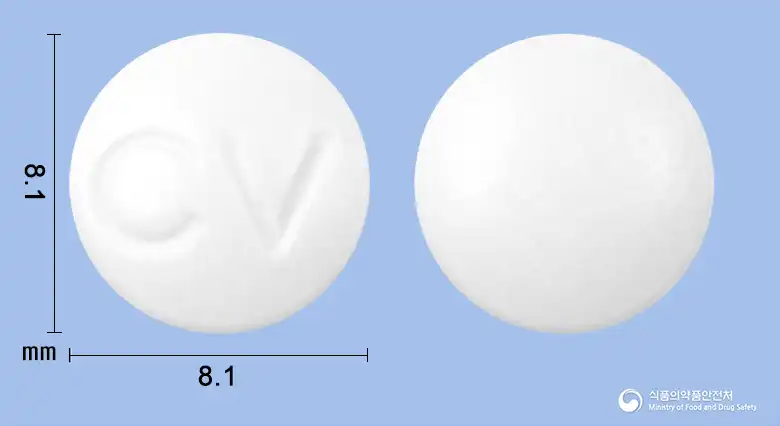
Levofloxacin 100mg
Tablet · Prescription medication
Jeil Pharmaceutical Co., Ltd.
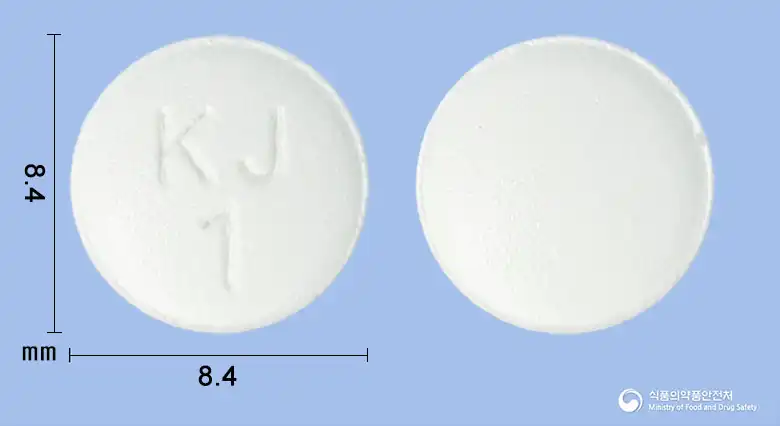
Levofloxacin Hydrate 100mg
Tablet · Prescription medication
International Pharmaceuticals Co., Ltd.
Levofloxacin 5.1246mg
Prescription medication
Jeil Pharmaceutical Co., Ltd.
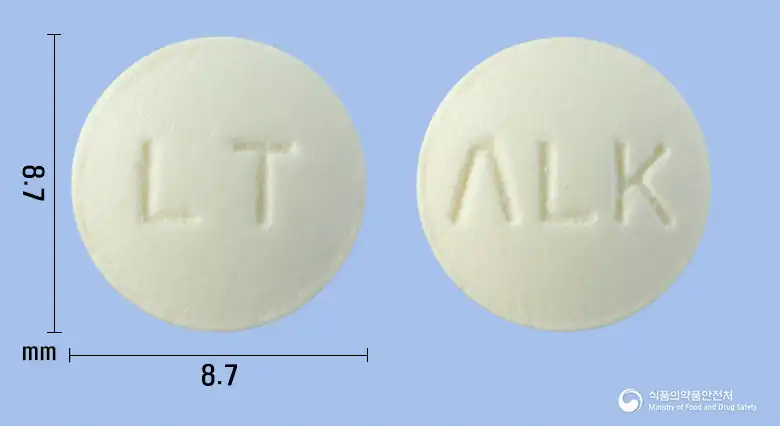
Levofloxacin Hydrate 100mg
Tablet · Prescription medication
SS Pharm Co., Ltd.
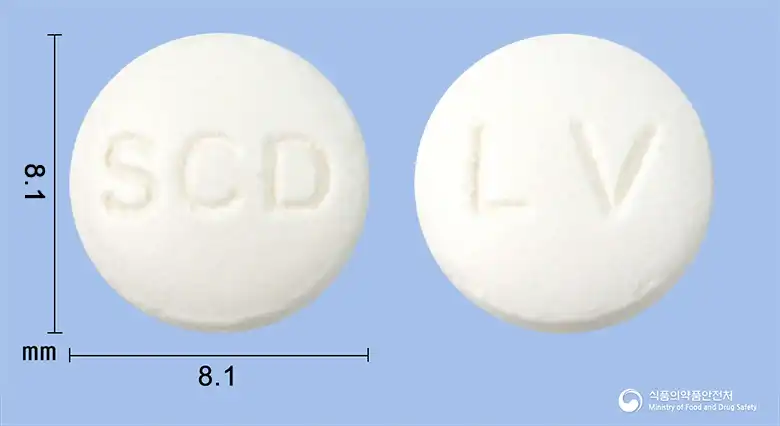
Levofloxacin Hydrate 102.49mg
Tablet · Prescription medication
Samchundang Pharmaceutical Co., Ltd.
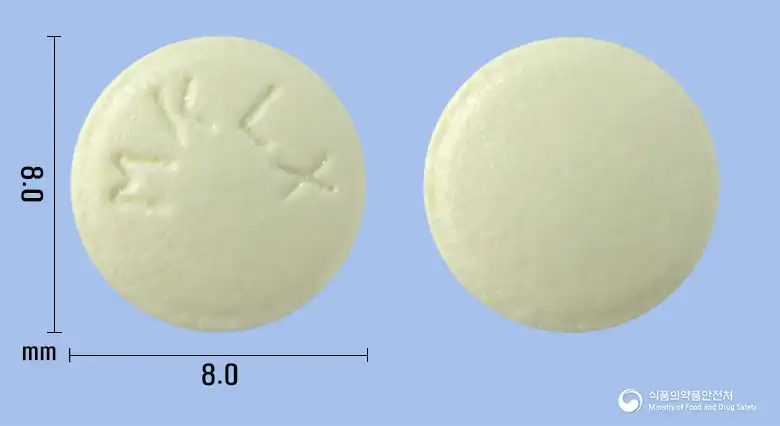
Levofloxacin Hydrate 100mg
Tablet · Prescription medication
Medica Korea Co., Ltd.
Even with the same ingredient, the dose and directions can differ by strength and dosage form. Talk to a doctor or pharmacist before switching from a medication you are already taking.
No questions yet.
For anything that needs medical judgment, consult a doctor or pharmacist.
This drug information is based on data provided by the Korea Ministry of Food and Drug Safety.
Consult a doctor or pharmacist for accurate dosage, administration, and usage instructions.