
 한국어
 English
 日本語
 中文(简体)
 Viewing now
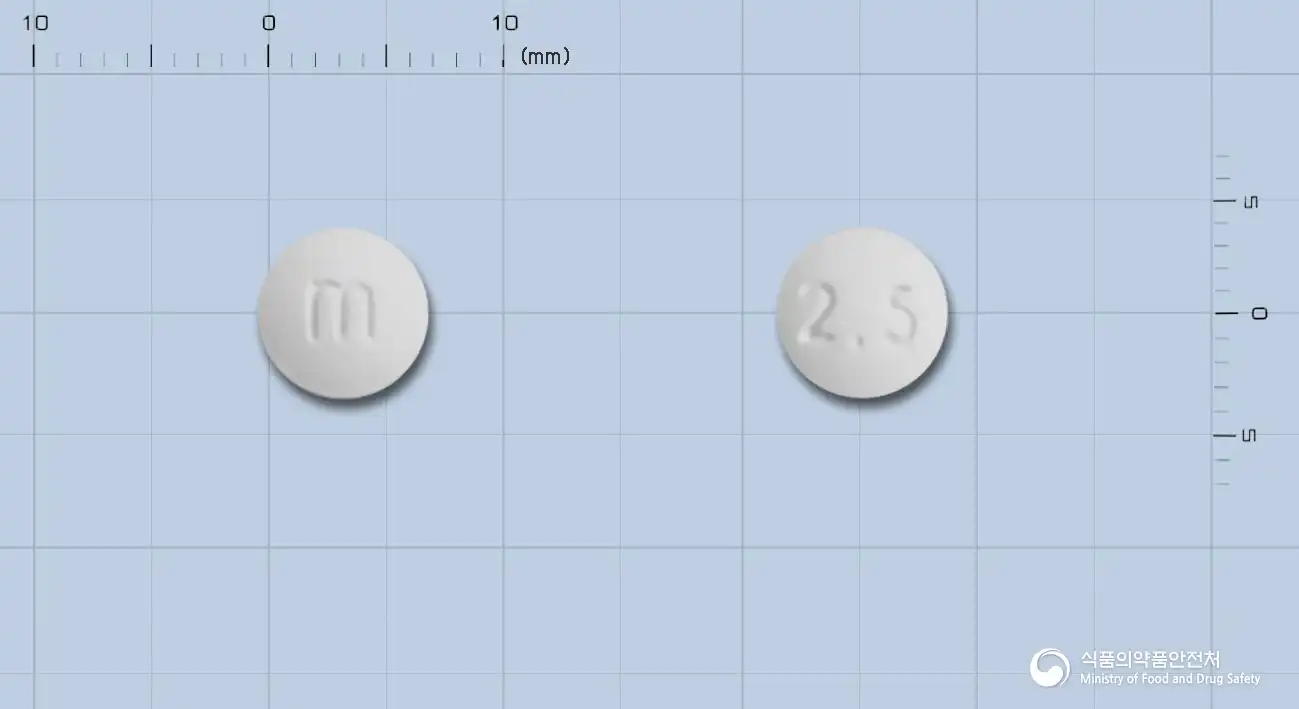
Migard Tablets 2.5 mg (Propranadiptriptan Succinate Dihydrate)
Frovatriptan Succinate Monohydrate 3.91mg
Tablet · Prescription medication
SK Chemical Co., Ltd.
MFDS item code 200903830 · Approved 2009.05.29 · Insurance code 644703310
Acute treatment of migraine with or without aura
This medication is used to treat migraines acutely, whether or not there are warning symptoms. It quickly alleviates headaches caused by migraines, reducing discomfort for the patient. It assists in rapid symptom relief to support a quicker return to daily activities. Therefore, it is used effectively to improve symptoms when a migraine occurs.
This medicine should not be taken for the prevention of migraine. If there is no response to treatment after the initial dose of frovatriptan, this medicine should not be taken again for the same attack. ○ Adults (18~65 years) The recommended dose of this medicine is 2.5 milligrams (1 tablet) of frovatriptan. If the migraine recurs after initial relief, another dose may be taken at an interval of at least 2 hours. The total daily dose should not exceed 5 milligrams (2 tablets). ○ Patients with renal impairment No dose adjustment is necessary in patients with renal impairment. ○ Patients with hepatic impairment No dose adjustment is necessary in patients with mild or moderate hepatic impairment. Do not administer to patients with severe hepatic impairment (see section 1. Do not administer to the following patients under Precautions for Use).
This medication contains the ingredient propranadiptriptan and is used for the treatment of migraine. This medication should not be used in certain patients. For example, it should not be taken by individuals who are allergic to this medication or its components, those with a history of heart disease or vascular issues, patients with severe hypertension, those who have experienced a stroke, and individuals with severe liver dysfunction. Additionally, caution is necessary when used with medications that contain ergotamine or certain migraine treatments as this may pose risks. Side effects such as dizziness, fatigue, headache, paresthesia, and flushing may occur when taking this medication, which are mostly transient and mild, but occasionally severe heart-related issues may arise. Patients, especially those at risk for cardiovascular disease or elderly individuals, should consult a physician before taking this medication, and if chest pain or tightness occurs while taking it, they should immediately discontinue use and seek medical evaluation. This medication is not recommended for pregnant or breastfeeding women, children and adolescents under 18 years of age, or elderly patients over 65 years of age. Dosage must be strictly followed, and in case of overdose, as there is no specific antidote, one should quickly visit a medical institution for appropriate treatment. This medication should be kept out of reach of children and stored in a cool, dry place below 30 degrees Celsius. Finally, this medication may cause drowsiness, so caution is advised when engaging in activities that require alertness, such as driving or operating machinery after taking it.
Not everyone experiences these, and they can vary from person to person.
This medication must be stored in a tightly sealed container to protect it from exposure to air and light. It is important to maintain a storage temperature between 1 degree and 30 degrees Celsius to preserve its efficacy for a longer duration.
Biconvex white round film-coated tablets
6 tablets (6 tablets/PTP packaging x 1), 12 tablets (6 tablets/PTP packaging x 2)
Even with the same ingredient, strength, dosage form and how it is taken can differ.
Viewing nowFrovatriptan Succinate Monohydrate 3.91mg
Tablet · Prescription medication
SK Chemical Co., Ltd.
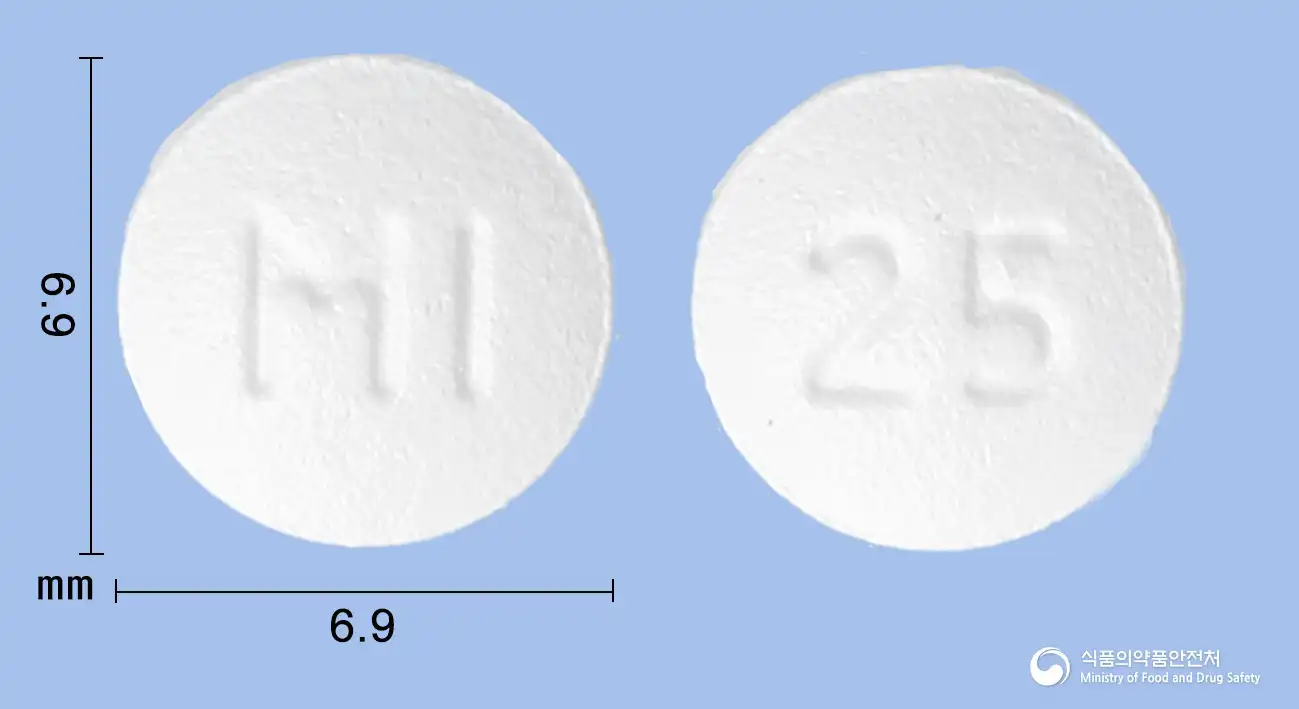
Frovatriptan Succinate Monohydrate 3.91mg
Tablet · Prescription medication
Myeongin Pharmaceutical Co., Ltd.
Even with the same ingredient, the dose and directions can differ by strength and dosage form. Talk to a doctor or pharmacist before switching from a medication you are already taking.
No questions yet.
For anything that needs medical judgment, consult a doctor or pharmacist.
This drug information is based on data provided by the Korea Ministry of Food and Drug Safety.
Consult a doctor or pharmacist for accurate dosage, administration, and usage instructions.