
 한국어
 English
 日本語
 中文(简体)
 Viewing now
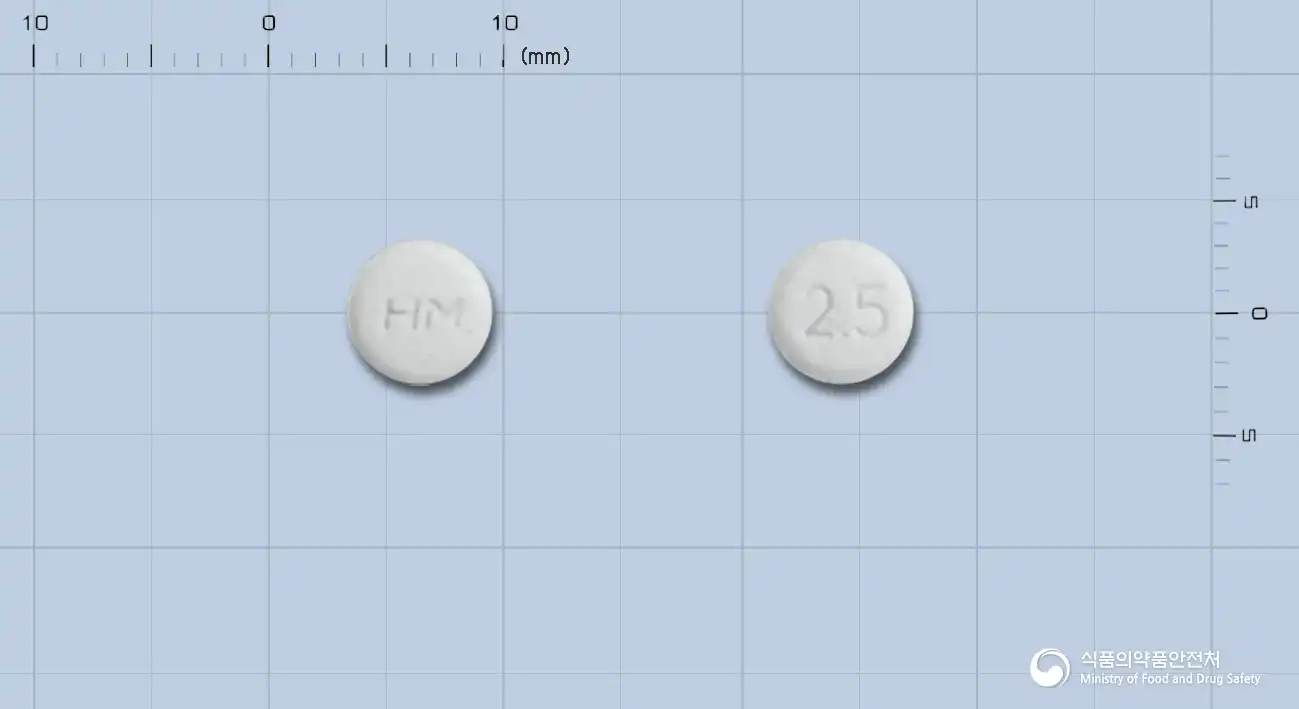
Torsem Tablet 2.5 mg (Torsemide)
Torsemide 2.5mg
Tablet · Prescription medication
Hanmi Pharmaceutical Co., Ltd.
MFDS item code 200811428 · Notified 2008.12.04 · Insurance code 643504620
Treatment of mild to moderate essential hypertension
This medication is used for mild to moderate stages of essential hypertension. It effectively lowers blood pressure, helping to prevent complications due to hypertension and maintain health.
Take with a little water at breakfast or with another meal. ○ Adults Mild to moderate essential hypertension The initial and average maintenance dose of torsemide is 2.5 mg orally once daily. If an adequate antihypertensive effect is not achieved with this dose, the daily dose may be increased to 5 mg. Increasing the dose further generally does not increase the effect. ○ Patients with hepatic impairment Do not administer this medicine to patients with severe hepatic impairment. ○ Older adults No special dose adjustment is necessary for older adults.
This medication should be administered with caution to patients with edema or ascites due to liver cirrhosis, as it can cause a rapid change in fluid and electrolyte balance, leading to a risk of hepatic coma. It is particularly recommended to be treated in a hospital to prevent dangerous electrolyte imbalances and hepatic coma. It is advisable to use an aldosterone antagonist or potassium-sparing diuretics to prevent hypokalemia and metabolic acidosis. This medication should not be used in certain patients, including those under 12 years of age, patients with hypotension, those with anuria from renal failure, patients with severe liver dysfunction, pregnant or breastfeeding women, and patients with arrhythmias. Patients with lactose intolerance or specific genetic metabolic disorders should also not receive this medication. Patients with gout or diabetes, or with a family history of these conditions, as well as those with kidney or liver function issues, severe diarrhea or vomiting, pre-surgical patients, and elderly individuals should use this medication with caution. Various side effects such as headaches, dizziness, fatigue, muscle numbness, hypokalemia, hypotension, cardiac abnormalities, gastrointestinal disturbances, changes in kidney function, and skin rashes may occur while taking this medication, so symptoms should be closely monitored. Moreover, this medication may interact with other antihypertensive agents, cardiac medications, diabetes medications, and anti-inflammatory painkillers, so caution is required when taken together. While taking this medication, it is essential to maintain adequate potassium intake and regularly check electrolytes, blood sugar, and kidney function through blood tests, and to be cautious when driving or operating machinery. Pregnant or breastfeeding women should not use this medication, and elderly individuals should start with a low dose due to a higher risk of hyponatremia or hypokalemia and monitor their conditions closely. In case of overdose, symptoms may include drowsiness, confusion, hypotension, gastrointestinal symptoms, and there is no specific antidote, so treatment should focus on replenishing fluids and electrolytes. This medication should be kept out of the reach of children and should not be transferred to another container for safety.
Not everyone experiences these, and they can vary from person to person.
This medication should be stored in a tightly sealed container to protect it from air and moisture. It is best to maintain the storage temperature between 1 and 30 degrees Celsius at room temperature. This helps maintain the medication's efficacy and safety for a long period.
White to pale yellow round tablets
30 tablets/box [10 tablets/PTP x 3]
Even with the same ingredient, strength, dosage form and how it is taken can differ.
Viewing nowTorsemide 2.5mg
Tablet · Prescription medication
Hanmi Pharmaceutical Co., Ltd.
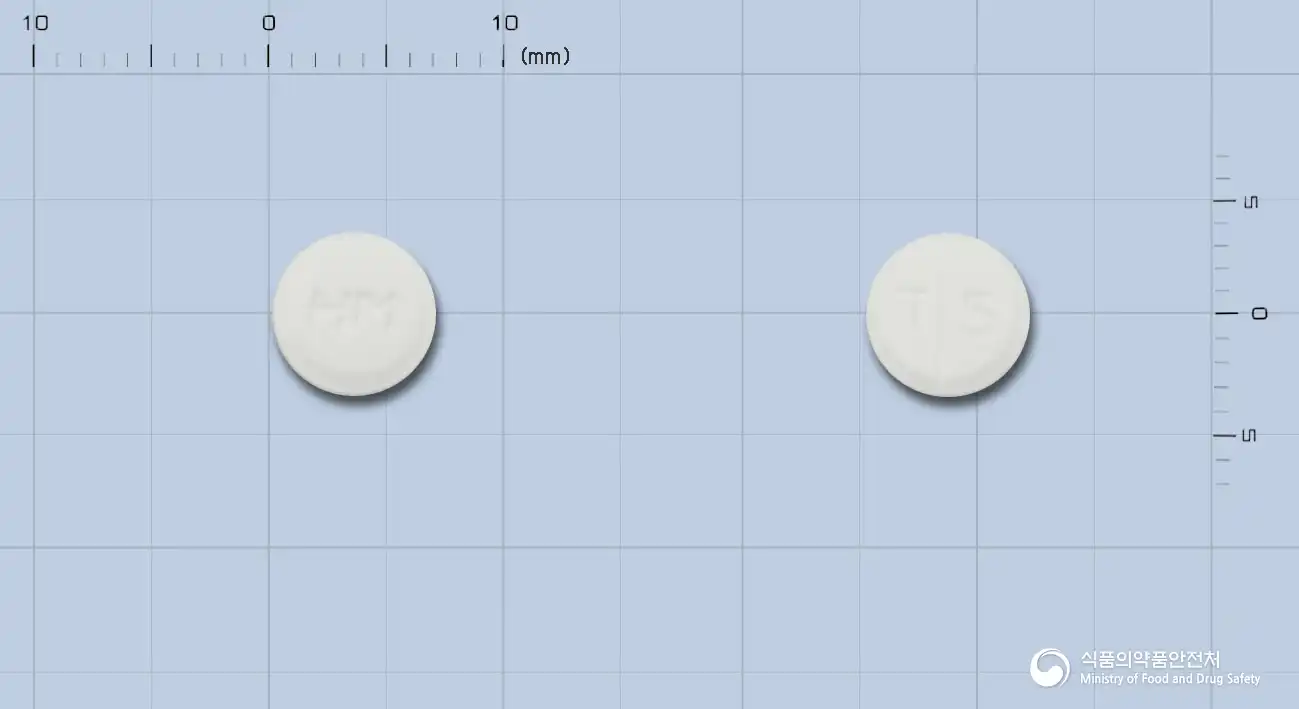
Torsemide 5mg
Tablet · Prescription medication
Hanmi Pharmaceutical Co., Ltd.
Torsemide 10mg
Tablet · Prescription medication
Korea Prime Pharmaceutical Co., Ltd.
Torsemide 2.5mg
Tablet · Prescription medication
Korea Prime Pharmaceutical Co., Ltd.
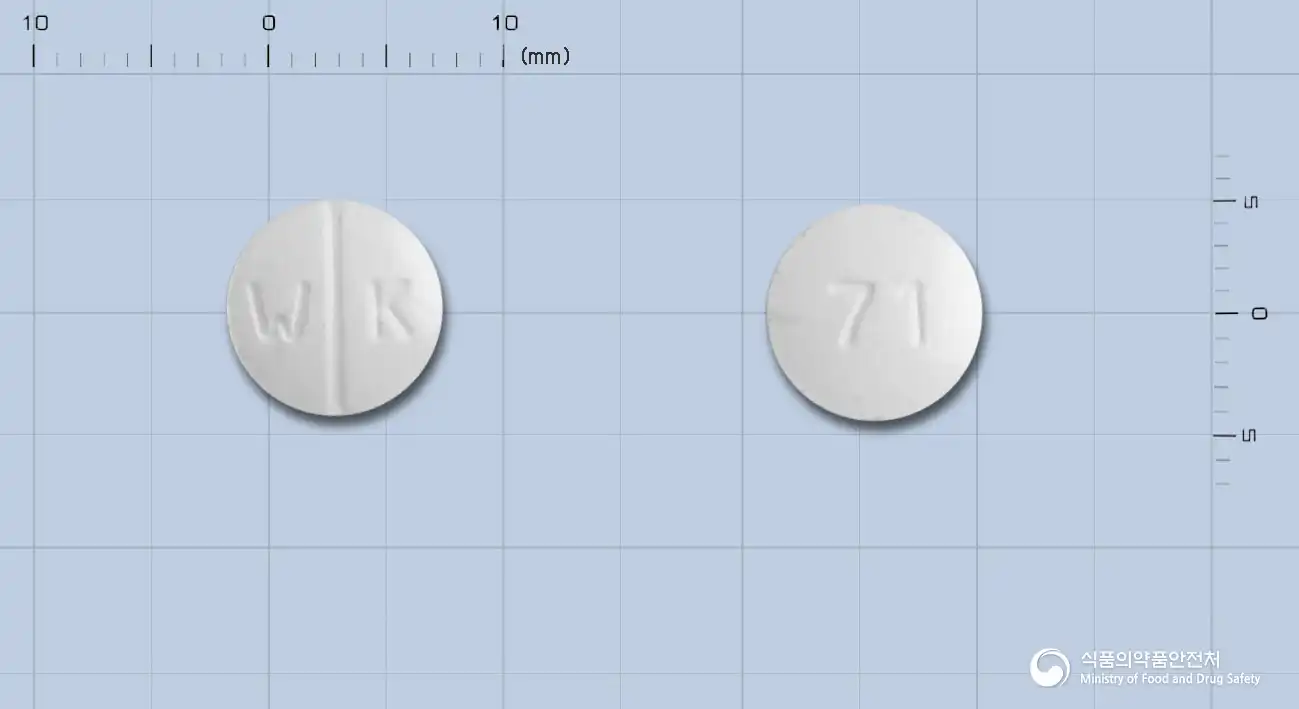
Torsemide 10mg
Tablet · Prescription medication
Austin Pharmaceutical Co., Ltd.
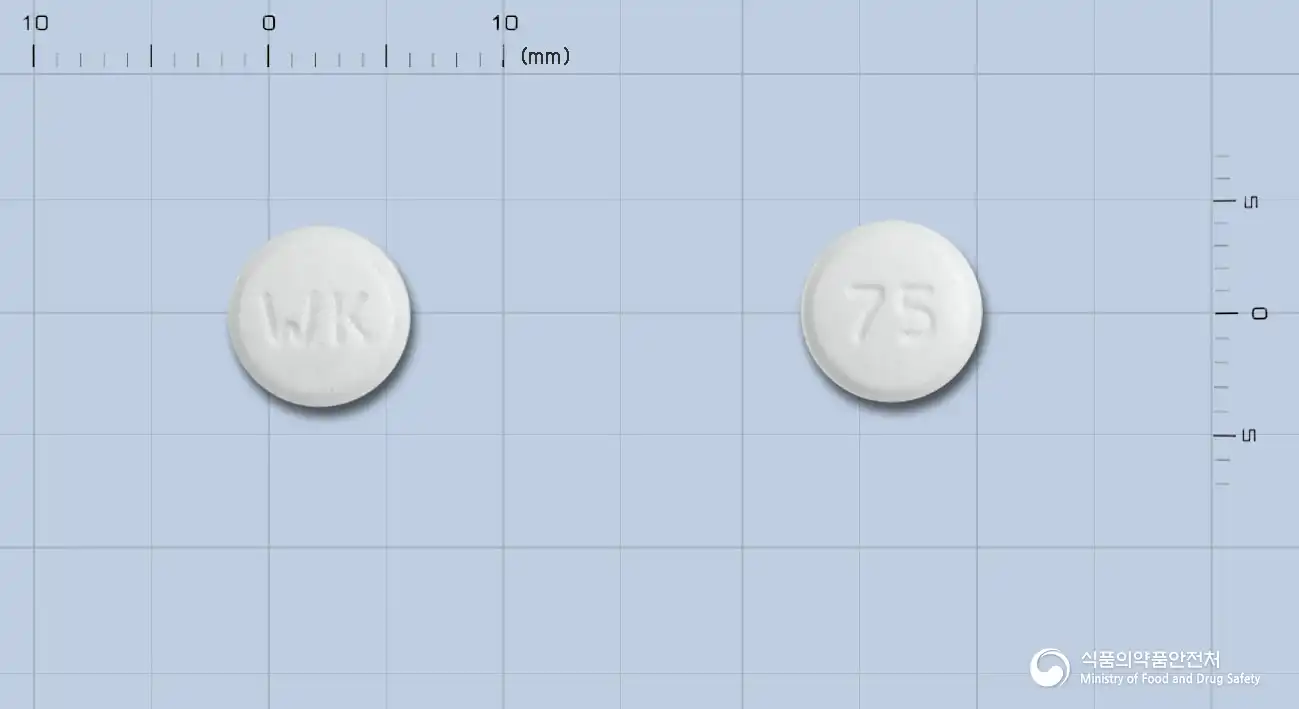
Torsemide 5mg
Tablet · Prescription medication
Austin Pharmaceutical Co., Ltd.
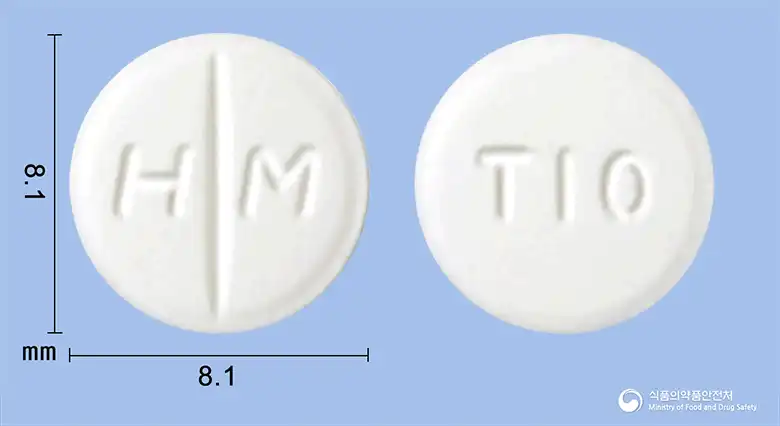
Torsemide 10mg
Tablet · Prescription medication
Hanmi Pharmaceutical Co., Ltd.
Even with the same ingredient, the dose and directions can differ by strength and dosage form. Talk to a doctor or pharmacist before switching from a medication you are already taking.
No questions yet.
For anything that needs medical judgment, consult a doctor or pharmacist.
This drug information is based on data provided by the Korea Ministry of Food and Drug Safety.
Consult a doctor or pharmacist for accurate dosage, administration, and usage instructions.