
 한국어
한국어 English
 日本語
日本語 中文(简体)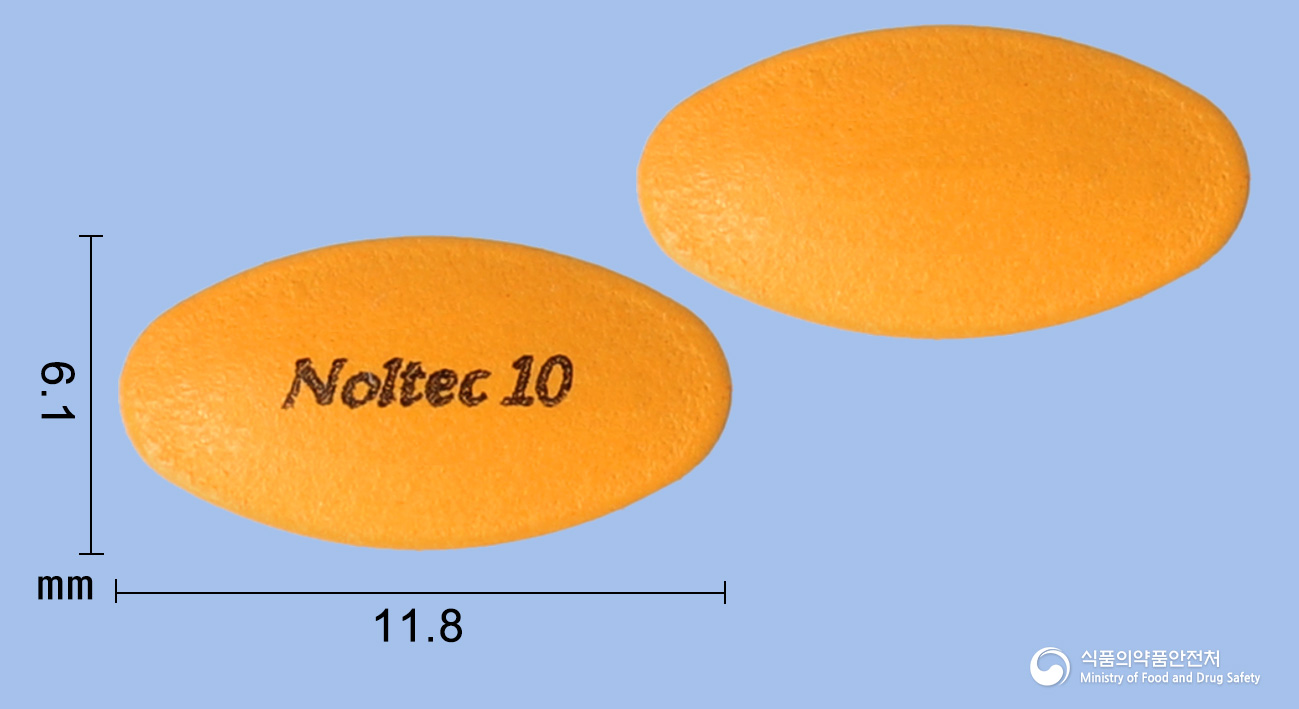
Summary
- Main use
- Short-term treatment of duodenal ulcers, gastric ulcers, short-term treatment of erosive esophagitis, and prevention of recurrence of Helicobacter pylori-related gastric and duodenal ulcers
- Who takes it
- Adults
- Adult dose
- 1. Short-term treatment of duodenal ulcers: Adults take 10 mg orally once a day, usually for up to 4 weeks. 2. Short-term treatment of gastric ulcers: Adults take 10 mg orally once a day, usually for 4 to 6 weeks. 3. Short-term treatment of erosive esophagitis: Adults take 20 mg orally once a day, usually for 8 weeks. 4. Prevention of recurrence of Helicobacter pylori-infected gastric and duodenal ulcers: Adults take 10 mg
Ingredients
- Manufacturer
- 일양약품(주)
Efficacy & effects
Short-term treatment of duodenal ulcers, gastric ulcers, short-term treatment of erosive esophagitis, and prevention of recurrence of Helicobacter pylori-related gastric and duodenal ulcers
- Duodenal ulcers
- gastric ulcers
- erosive esophagitis
- Helicobacter pylori-infected gastric and duodenal ulcers
View approved original textHide original text
This drug is used for the short-term treatment of duodenal ulcers and gastric ulcers. It is also effective for the short-term treatment of erosive esophagitis. In particular, it is used in combination with antibiotics to prevent the recurrence of gastric and duodenal ulcers caused by Helicobacter pylori infection. It is a drug that helps improve various gastrointestinal diseases.
How to take
Adult dose
1. Short-term treatment of duodenal ulcers: Adults take 10 mg orally once a day, usually for up to 4 weeks. 2. Short-term treatment of gastric ulcers: Adults take 10 mg orally once a day, usually for 4 to 6 weeks. 3. Short-term treatment of erosive esophagitis: Adults take 20 mg orally once a day, usually for 8 weeks. 4. Prevention of recurrence of Helicobacter pylori-infected gastric and duodenal ulcers: Adults take 10 mg
Precautions
This drug should not be used by patients who are hypersensitive to specific components. Caution is especially necessary if there is a history of severe allergic reactions such as anaphylaxis or urticaria. Additionally, patients who are allergic to penicillin or macrolide antibiotics should not use this drug. Some medications can exacerbate side effects, so consulting a specialist is necessary. Patients with impaired liver or kidney function, adolescents under 19 years of age, and children are advised not to use this drug. Breastfeeding women should not take this medication, and its use during pregnancy should be cautious as it may affect the fetus, depending on the judgment of a physician. Elderly patients should be careful when administering this drug as it may slow down drug metabolism due to decreased liver function. This drug may increase the risk of fractures when used for a long time, and electrolyte imbalances such as hypomagnesemia may occur, so regular check-ups are necessary for long-term use. Additionally, this drug may interact with other medications, so it is essential to inform healthcare professionals if other medications are being taken. If allergic symptoms such as rash, urticaria, or difficulty breathing, or severe abdominal pain, diarrhea, or hematuria occur while taking this medication, consult a doctor immediately. Store out of reach of children, and be careful not to change the dosage arbitrarily or use it for an extended period.
Side effects and when to seek care immediately
Serious side effects
Urticaria, severe swelling (edema), chest tightness, difficulty breathing, bronchospasm, systemic lupus erythematosus, discoid lupus erythematosus, liver cirrhosis, fatty liver disease, jaundice, acute renal failure, severe edema with hypertension, severe allergic reactions, severe skin adverse reactions, serious neurological symptoms (seizures, confusion), deep venous thrombosis, ventricular fibrillation, palpitations, bronchospasm
Mild side effects
- Headache
- diarrhea
- fever
- abdominal pain
- dyspepsia
- nausea
- vomiting
- abdominal distension
- abdominal pain
- constipation
Show 30 moreCollapse
- decreased appetite
- taste disturbance
- dizziness
- insomnia
- drowsiness
- hematuria
- urinary tract infection
- urination disorder
- proteinuria
- azotemia
- arthralgia
- myalgia
- itching
- rash
- urticaria
- fever
- fatigue
- pain
- cough
- difficulty breathing
- rhinitis
- pharyngitis
- nasal congestion
- runny nose
- sinusitis
- facial swelling
- anxiety
- depression
- decreased hemoglobin
- increased blood pressure
Not everyone experiences these, and they can vary from person to person.
Storage
This drug must be stored in a tightly closed container to prevent exposure to air and moisture. It is important to maintain the storage temperature between 1 to 30 degrees Celsius. This will help retain the drug's efficacy and safety for a long time.
Appearance and packaging
Appearance
Orange oval enteric-coated tablet
Package unit
7 tablets/bottle, 28 tablets/bottle, 56 tablets/bottle, 7 tablets/box [7 tablets/PTP x 1], 14 tablets/box [7 tablets/PTP x 2], 28 tablets/box [7 tablets/PTP x 4]
Questions about this medicine
No questions yet.
For anything that needs medical judgment, consult a doctor or pharmacist.