
 한국어
 English
 日本語
 中文(简体)
Summary
- Main use
- Supplementation with vitamins and zinc; prevention and relief of deficiencies; relief of impaired circulation, menopausal symptoms, and pain
- Who takes it
- Adults · Children
- Adult dose
- Adults: Take 1 capsule once daily.
- Child dose
- Aged 8 years and older: Take 1 capsule once daily.
Ingredients
- Retinol Palmitate Oil4mg / 1 capsule
- Cholecalciferol Concentrate0.4mg / 1 capsule
- Tocopherol Acetate100mg / 1 capsule
- Thiamine Nitrate25mg / 1 capsule
- Riboflavin5mg / 1 capsule
- Nicotinamide20mg / 1 capsule
- Calcium Pantothenate30mg / 1 capsule
- Pyridoxine Hydrochloride5mg / 1 capsule
- Folic Acid0.2mg / 1 capsule
- Cyanocobalamin0.01mg / 1 capsule
- Ascorbic Acid100mg / 1 capsule
- D-Biotin0.1mg / 1 capsule
- Selenium In Dried Yeast92.6mg / 1 capsule
- Anhydrous Dibasic Calcium Phosphate50mg / 1 capsule
- Anhydrous Cupric Sulfate1.255mg / 1 capsule
- Manganese Sulfate Hydrate6.15mg / 1 capsule
- Magnesium Oxide20mg / 1 capsule
- Zinc Oxide18.7mg / 1 capsule
- Potassium Iodide0.196mg / 1 capsule
- Sodium Molybdate Hydrate0.063mg / 1 capsule
- Chromic Chloride Hydrate0.128mg / 1 capsule
- Manufacturer
- Shinil Pharmaceutical Co., Ltd.
Efficacy & effects
Supplementation with vitamins and zinc; prevention and relief of deficiencies; relief of impaired circulation, menopausal symptoms, and pain
- Physical fatigue
- decline in physical strength
- dry eyes
- night blindness
- poor bone development
- dental development issues
- shoulder stiffness
- neck stiffness
- numbness of hands and feet
- cold extremities
- neuralgia
- muscular pain
View approved original textHide original text
This medication contains Vitamins A, B1, B2, B6, C, D, E, and Zinc, providing assistance in various conditions. It is used for strengthening physical strength and maintaining health during fatigue, pregnancy, lactation, post-illness recovery, developmental phases, and old age. Vitamin A helps alleviate dry eyes and night blindness, while Vitamin D is effective in preventing poor bone and dental development and rickets. Additionally, Vitamin E alleviates peripheral circulation disorders and menopausal symptoms, reducing pain from neuralgia, myalgia, and arthralgia. It also contributes to the prevention of beriberi and alleviation of eye fatigue, thus improving overall health. Zinc is also provided to enhance immunity and help regulate body functions. This medication is used to improve the symptoms and conditions mentioned above.
How to take
Adult dose
Adults: Take 1 capsule once daily.
Child dose
Aged 8 years and older: Take 1 capsule once daily.
Precautions
This medication should be used with caution in women within the first three months of pregnancy or those who may become pregnant, as administering more than 5,000 IU of Vitamin A may increase the risk of congenital malformations in the fetus. Patients with hypercalcemia, a condition characterized by high calcium levels in the blood, patients with sarcoidosis, an unknown cause systemic inflammatory disease, and patients with kidney disease should not take this medication. Individuals who are allergic to any of the components of this medication, infants under 12 months of age, patients with hyperkalemia, Wilson's disease, kidney stones, severe renal failure, or allergies to soybean oil, beans, or peanuts should also avoid its use. This medication should not be taken with specific drugs such as phosphates, calcium salts, oral tetracycline preparations, antacids, and levodopa, and those currently undergoing treatment for any diseases or medications should consult with their physician or pharmacist before taking it. Particularly, children exposed to a lot of sunlight, patients with hyperoxaluria, women who are pregnant or breastfeeding, preterm infants, and infants should consult with a specialist before use, and it is safe to avoid taking Vitamin A in early pregnancy. If symptoms such as nausea, vomiting, skin rashes, allergic reactions, gastrointestinal disturbances, irregular heartbeat, hair loss appear during treatment, discontinue use immediately and consult healthcare professionals. Moreover, long-term high-dose use may lead to tolerance, and specific vitamin use can show neurological or hematological adverse reactions, so caution is necessary. This medication must be taken strictly according to the prescribed methods and dosages, and when administered to children, a guardian's supervision is required. Vitamin A can generally be sufficiently ingested through regular meals, hence during supplementary therapy, one should not exceed 5,000 IU per day. It is advisable to avoid beverages containing tannins, such as green tea or black tea, during use, as they may affect blood glucose tests or urine tests. Patients at risk of fat overload should check plasma lipid levels to adjust dosing, and when administered with other lipid agents, total lipid content must be considered. This medication should be stored out of the reach of children, protected from direct sunlight, and kept tightly sealed in a cool and dry place. To maintain quality, it is important not to transfer it to another container.
Side effects
- Nausea
- vomiting
- itching
- dry and rough skin
- painful joint swelling
- gastrointestinal disturbances
- digestive disorders
- epigastric pain
- gastric discomfort
- abdominal pain
Show 40 moreCollapse
- loose stools
- diarrhea
- constipation
- rash
- erythema
- allergic reactions
- angioedema
- arthralgia
- eosinophilia
- iodide toxicity
- coma
- hypotension
- facial flushing
- pulmonary edema
- arrhythmia
- red spots
- inadequate contractions
- central nervous system dysfunction
- hyperuricemia
- hyperkalemia
- gas retention
- dermatitis
- sweating
- foul smell during respiration
- hair loss
- impatience
- excessive menstruation
- prolonged bleeding
- increased risk of thrombosis
- sensory neuropathy
- neurological symptoms
- hematological adverse reactions
- peptic ulcer
- glucose intolerance damage
- liver damage
- hypernatremia
- congestive heart failure
- edema
- lithiasis
- increased risk of osteoporosis
Not everyone experiences these, and they can vary from person to person.
Interactions
Drug interactions
Do not take with phosphates, calcium salts, oral tetracycline preparations, antacids, or levodopa. Consult your doctor or pharmacist when used with cardiotonic glycosides, oral contraceptives containing estrogen, anti-aldosterone agents, triamterene, or intravenous lipid agents.
Food interactions
Avoid teas containing tannins, such as green tea and black tea, before, during, and after taking the medication.
Storage
This medication may be sensitive to air and moisture, so it must be stored in a tightly sealed container. The storage temperature should be kept between 1 and 30 degrees Celsius at room temperature. Storing it this way will safely preserve its effectiveness.
Appearance and packaging
Appearance
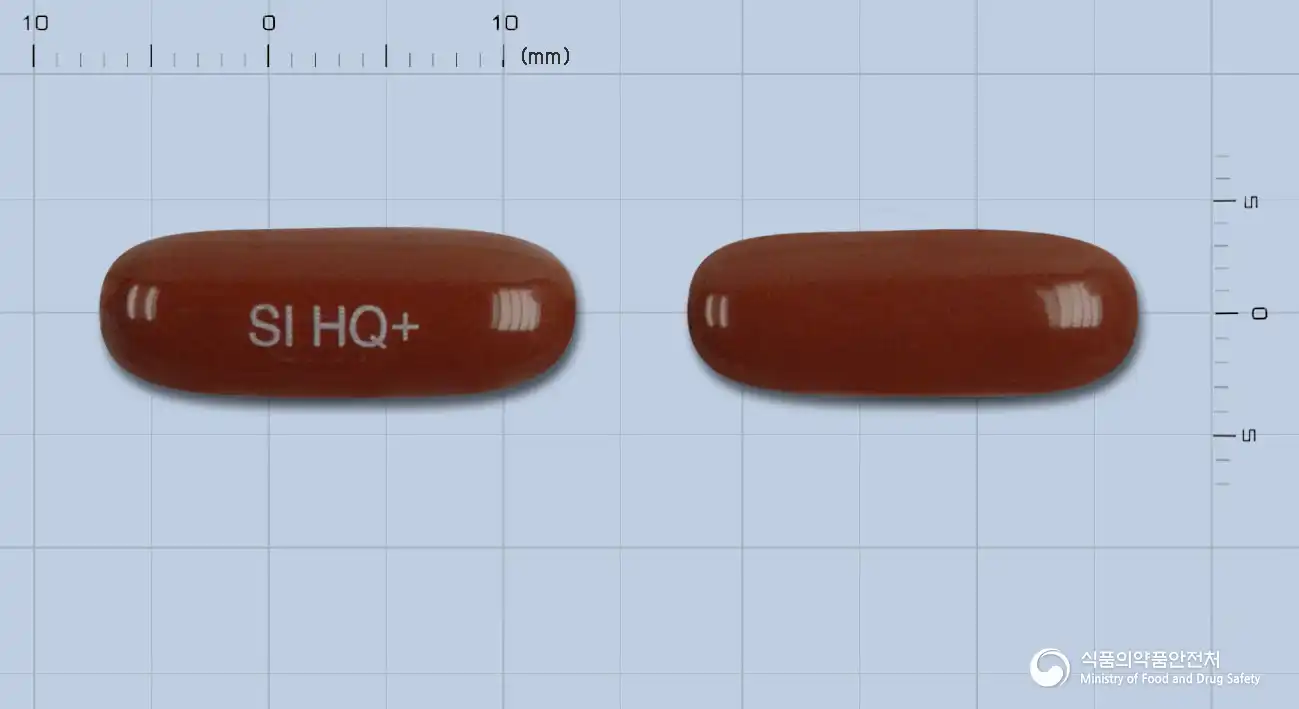
Brownish-red elongated soft capsule containing yellow contents
Package unit
60 capsules (5 capsules/PTP*12), 120 capsules ((5 capsules/PTP*12)*2)
Questions about this medicine
No questions yet.
For anything that needs medical judgment, consult a doctor or pharmacist.