
 한국어
한국어 English
 日本語
日本語 中文(简体)
 Viewing now
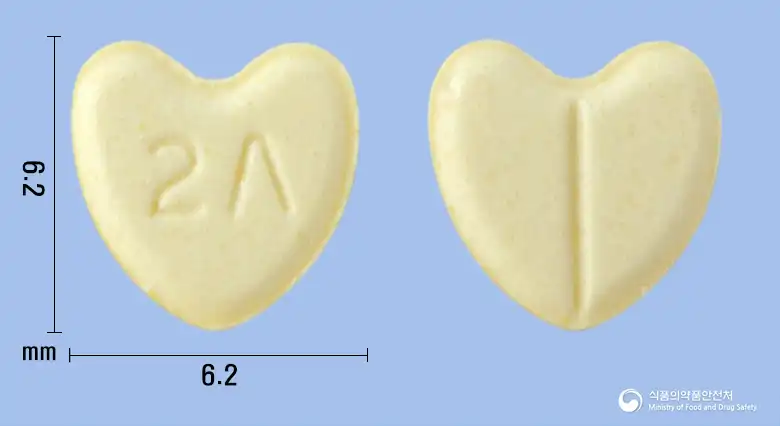
Esamfine Tablets (Esamlodipine Besylate 2.5 Hydrate)
S-Amlodipine Besylate 2.5 Hydrate 3.74mg
Tablet · Prescription medication
Daiwon Pharmaceutical Co., Ltd.
MFDS item code 200809428 · Notified 2008.09.11 · Insurance code 671805300
Improvement of myocardial ischemia due to hypertension and coronary artery disease (stable angina, variant angina)
This medication is used to control high blood pressure and to treat myocardial ischemia caused by stable angina due to fixed obstruction of coronary arteries or variant angina due to vasospasm.
Take this medication with plenty of water. Administer 2.5 mg once daily orally as Esamlodipine, which may be increased up to a maximum of 5 mg once daily depending on the patient's response. Adjust as appropriate based on symptoms.
This medication should not be used in certain patients. For example, those with allergies to this drug or its components, pregnant or nursing women, patients with cardiogenic shock, severe aortic stenosis, unstable angina, recent myocardial infarction, severe liver dysfunction, and severe hypotension should not take this medication. Additionally, it should be used cautiously in patients with very poor kidney function, the elderly, those with acute heart failure, patients in hypertensive crisis, and those with slightly impaired liver function. When taking this medication, various side effects may occur. Common symptoms include flushing with a feeling of warmth, fatigue, swelling of hands and feet, rapid heartbeat, dizziness, headache, indigestion, nausea, and drowsiness. Rarely, symptoms such as dry mouth, increased sweating, low blood pressure, fainting, muscle pain, skin rash, liver function abnormalities, and allergic reactions may occur, so any symptoms that appear should be immediately discussed with a healthcare provider. Do not stop taking this medication suddenly without medical advice, as symptoms may worsen. In particular, patients with heart failure should be cautious as symptoms of pulmonary congestion may increase. Patients with poor liver function may experience prolonged effects from this medication, so dose adjustment and monitoring of their condition is necessary. This medication takes time to work, so it is not suitable for situations where rapid blood pressure reduction is needed. Take with plenty of water, and be aware that blood pressure lowering may cause dizziness or drowsiness, so be cautious when driving or operating dangerous machinery. This medication can interact with several other drugs. For example, taking it with certain antibiotics, antihypertensives, analgesics, antidiabetics, or grapefruit juice may alter its effects, so be sure to inform your doctor or pharmacist about any medications you are taking. Pregnant or nursing women should avoid taking this medication due to lack of established safety, and discontinuation of breastfeeding is recommended. In children, it can be used from the age of 6 and above, but safety and efficacy have not been established for those younger than this. The elderly should start at a low dose due to potential for increased drug concentration in the body and have their condition closely observed during treatment. In cases of overdose, severe hypotension, cardiac arrhythmias, or shock may occur, requiring immediate emergency care, and gastric lavage or activated charcoal may be beneficial. This medication should be stored out of reach of children and not transferred to other containers for safety.
Hives, severe swelling, tightness in the chest, difficulty breathing, cold sweat, pallor, severe rash with high fever, blisters, skin peeling, pain in oral/ocular mucosa, shortness of breath or difficulty breathing, asthma attacks, breathing irregularities accompanied by cough and fever, yellowing of the skin or eyes (jaundice), extreme lethargy of the whole body, sudden and severe headache, thunderclap headache, seizure, confusion, visual disturbance, paralysis, changes in urination.
Not everyone experiences these, and they can vary from person to person.
This medication should be stored in a sealed container to prevent exposure to air and moisture. It is best to maintain a storage temperature between 1 to 30 degrees Celsius.
Light yellow heart-shaped tablets with a scored line
30 tablets/bottle, 300 tablets/bottle
Even with the same ingredient, strength, dosage form and how it is taken can differ.
Viewing nowS-Amlodipine Besylate 2.5 Hydrate 3.74mg
Tablet · Prescription medication
Daiwon Pharmaceutical Co., Ltd.
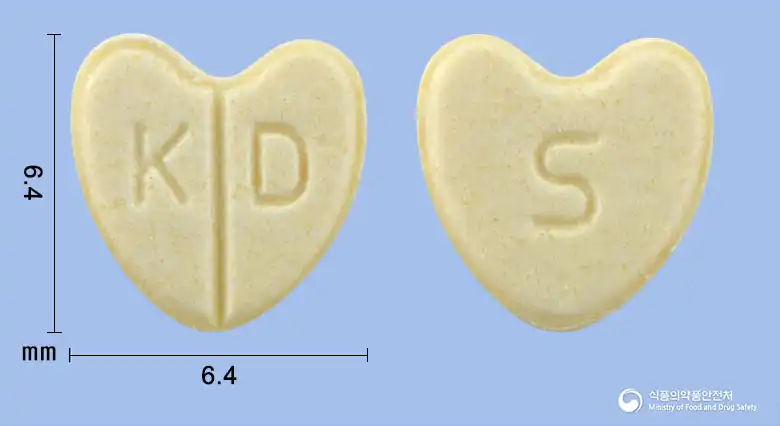
S-Amlodipine Besylate 2.5 Hydrate 3.74mg
Tablet · Prescription medication
Kwangdong Pharmaceutical Co., Ltd.
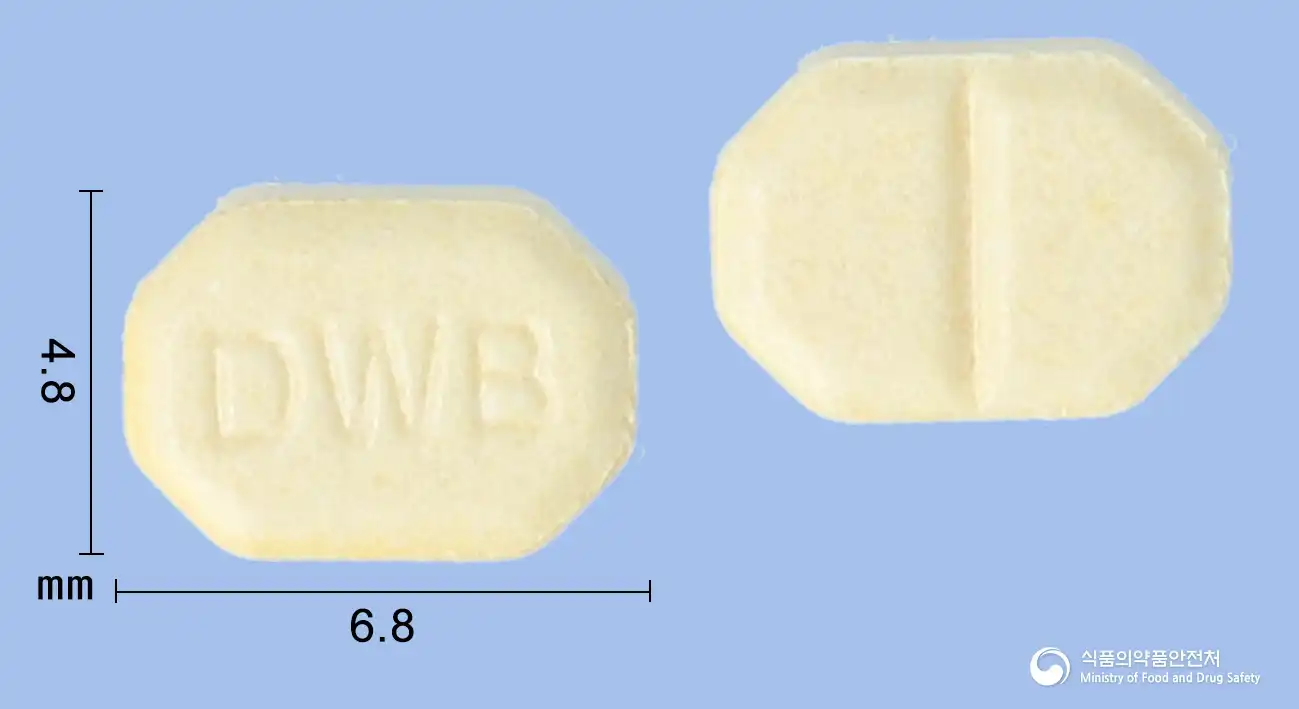
S-Amlodipine Besylate 2.5 Hydrate 3.69mg
Tablet · Prescription medication
Daewoong Bio Co., Ltd.
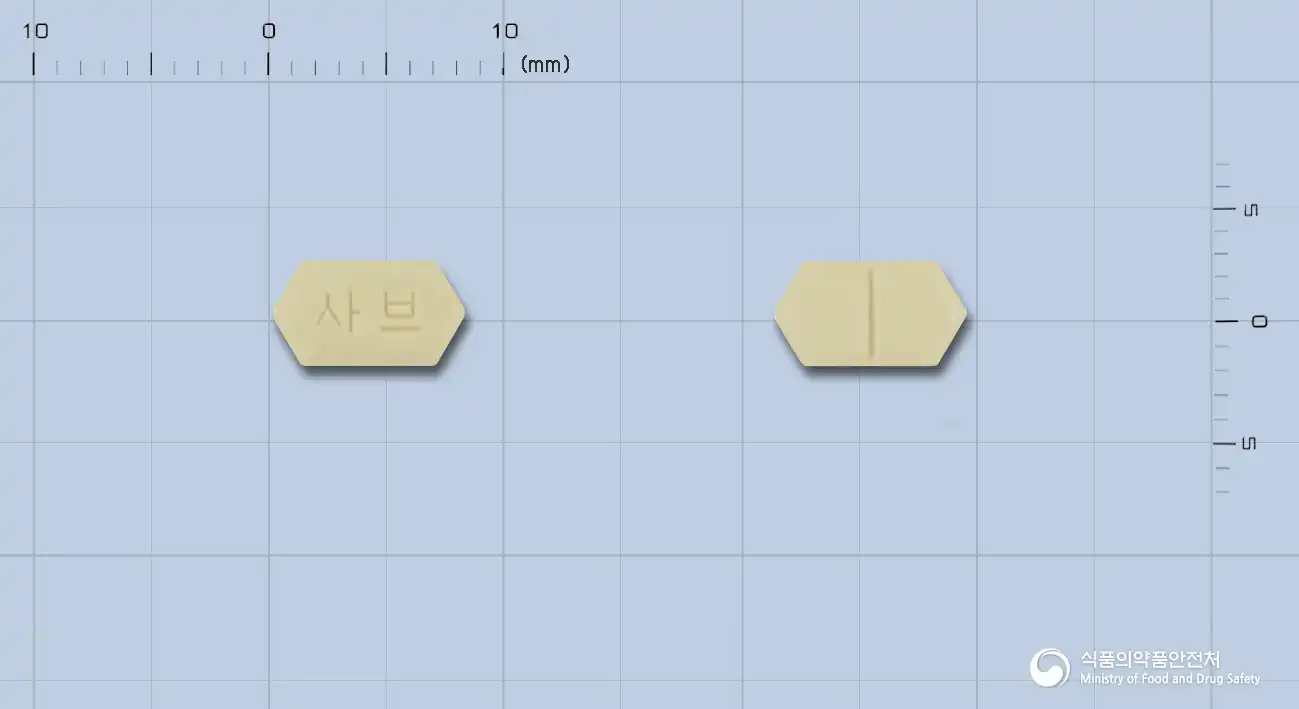
S-Amlodipine Besylate 2.5 Hydrate 3.74mg
Tablet · Prescription medication
Ilsung IS Co., Ltd.
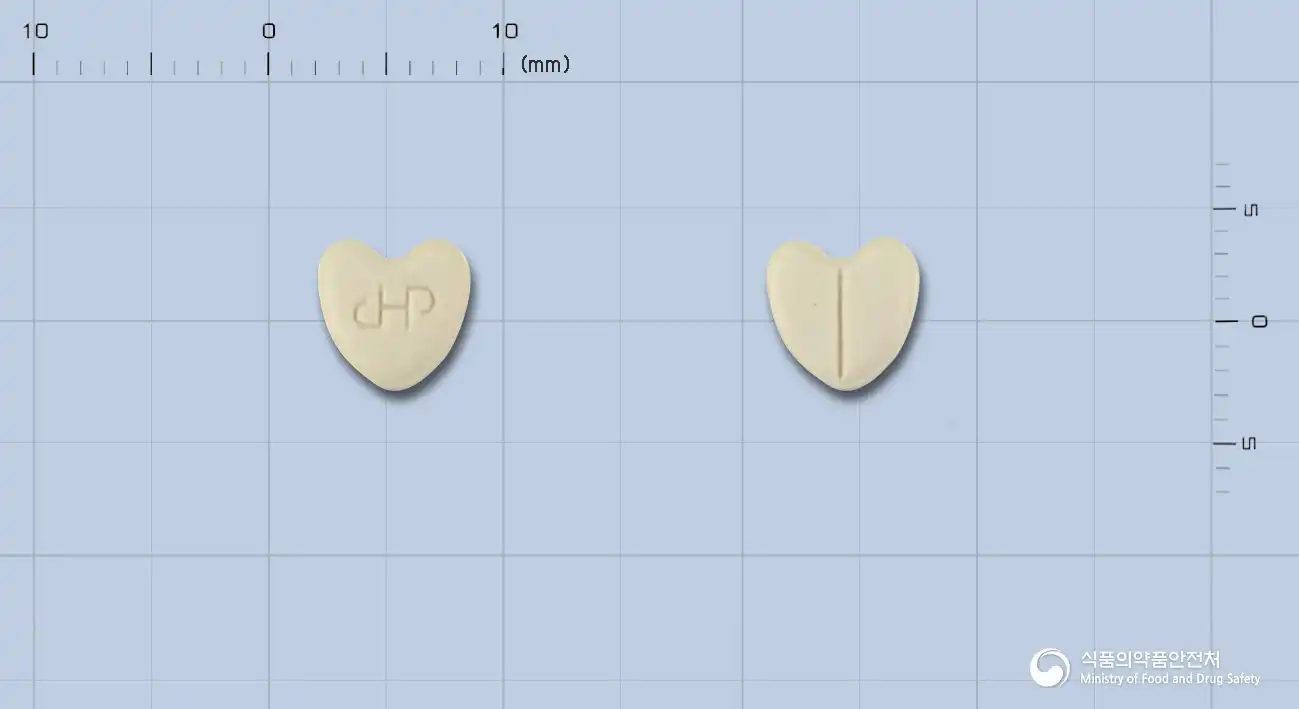
S-Amlodipine Besylate 2.5 Hydrate 3.74mg
Tablet · Prescription medication
Daehwa Pharmaceutical Co., Ltd.
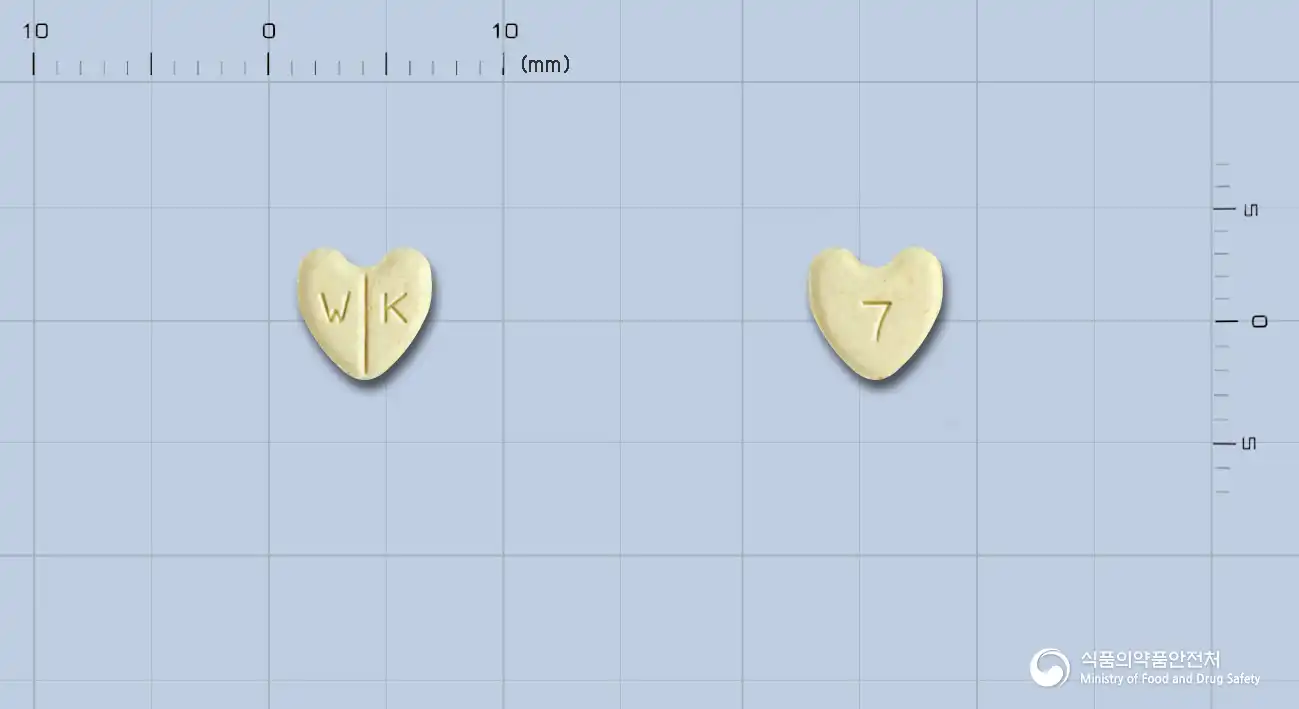
S-Amlodipine Besylate 2.5 Hydrate 3.74mg
Tablet · Prescription medication
Austin Pharmaceutical Co., Ltd.
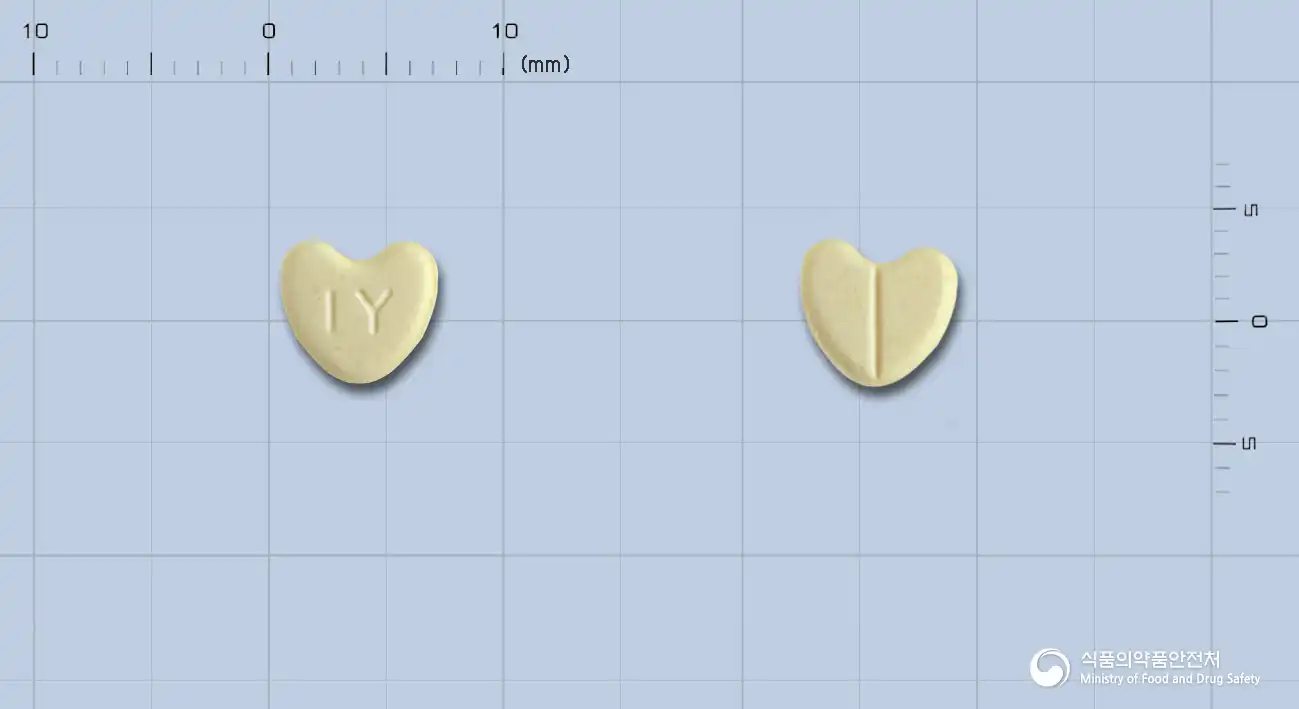
S-Amlodipine Besylate 2.5 Hydrate 3.74mg
Tablet · Prescription medication
Il Yang Pharmaceutical Co., Ltd.
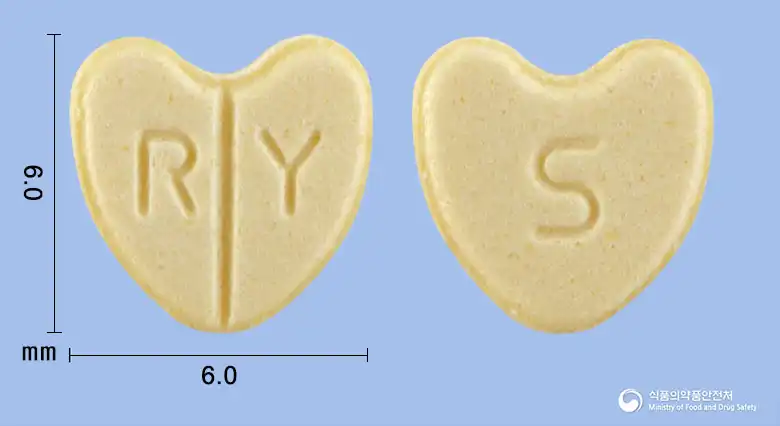
S-Amlodipine Besylate 2.5 Hydrate 3.74mg
Tablet · Prescription medication
IYON Pharmaceutical Co., Ltd.
Even with the same ingredient, the dose and directions can differ by strength and dosage form. Talk to a doctor or pharmacist before switching from a medication you are already taking.
No questions yet.
For anything that needs medical judgment, consult a doctor or pharmacist.
This drug information is based on data provided by the Korea Ministry of Food and Drug Safety.
Consult a doctor or pharmacist for accurate dosage, administration, and usage instructions.